- Category
- Herbs and spices
- State
- Powdered
- Usual unit
- teaspoon
What it is
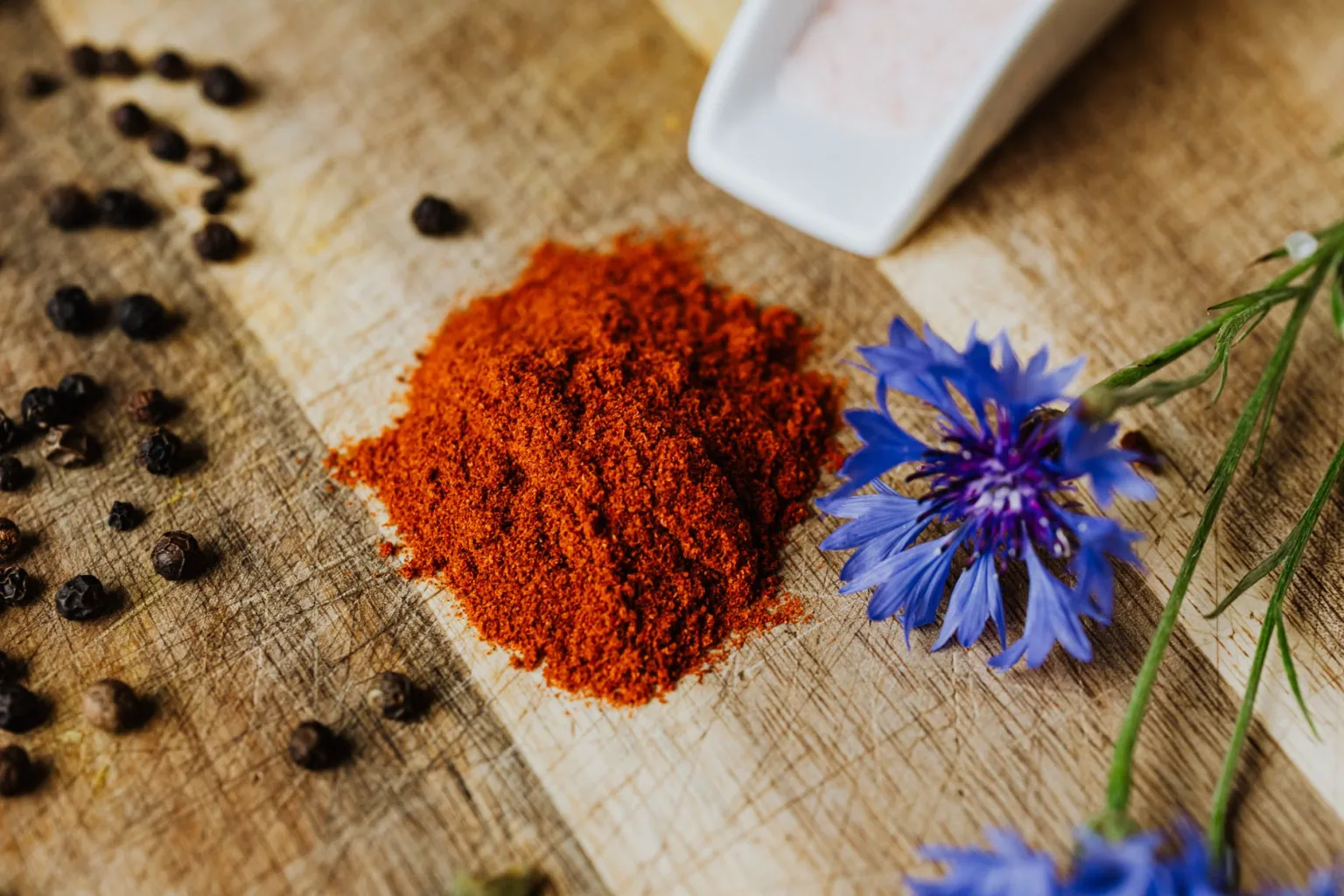
Smoked paprika is a ground spice made from dried peppers that have acquired a smoky character during drying. It is sold as a powder and may have a sweet, bittersweet, or hot profile, so the name alone does not establish how spicy it will be. Its smoky aroma distinguishes it from paprika that is not smoked, while the powder can also contribute color to a dish. The exact pepper variety, flavor profile, and heat level can differ between products, so check the product name and package information rather than assuming they are uniform.
When to use it
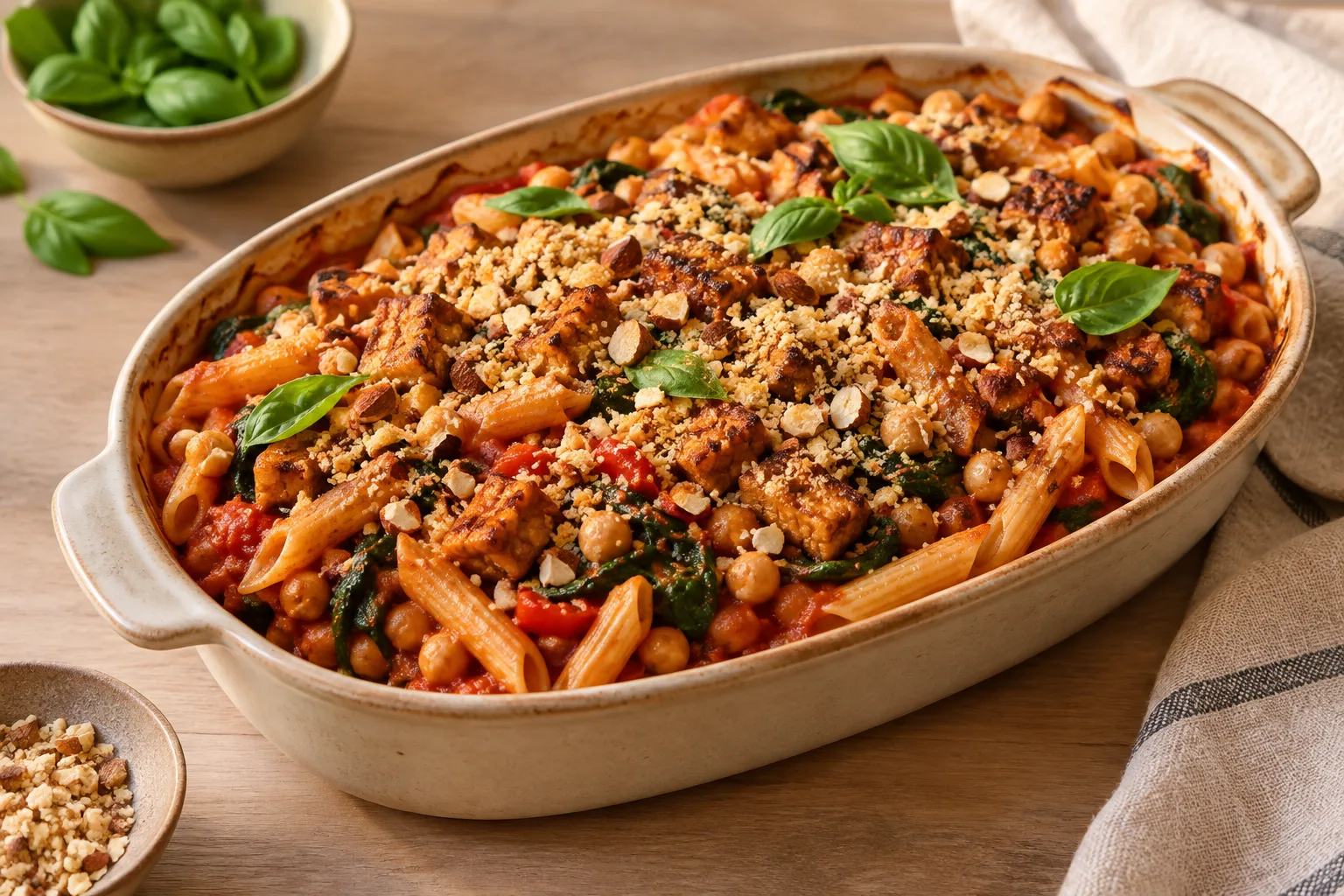
Use it when you want smoky notes without adding a whole smoked ingredient. It can bring character to sauces, marinades, stews, and prepared dishes, and can be paired with potatoes, vegetables, chicken, rice, beans, or pasta. Choose a sweet profile if you want to avoid pronounced heat, or a hot profile if you want more of it. Products vary, so read the label and adjust the amount to the flavor you are aiming for.
How to use it
Stir it into sauces, stews, marinades, or seasoning mixtures so the powder is distributed through the dish. It can also be combined with other seasonings for vegetables, potatoes, chicken, rice, beans, or pasta. Smoked paprika contributes aroma and color, but products do not all have the same smoky intensity or heat level. Check the package description and taste the result before adding more. Follow any product-specific directions on the package.
Flavour and texture
It is a red, ground powder with a recognizable smoky aroma. Its flavor may be sweet, bittersweet, or hot, depending on the product. It can be incorporated into both liquid and solid preparations; neither heat nor smoky intensity should be assumed to be identical across varieties or brands.
How to choose it
Read the label to distinguish smoked from non-smoked paprika and to identify whether the profile is sweet, bittersweet, or hot. The word “smoked” describes an aromatic character but does not, by itself, indicate how much heat to expect. If you want a product from a particular region or designation, check that the package names it explicitly rather than inferring origin from the generic product name.
Storage
The available evidence does not establish a specific storage period or set of storage conditions for this ingredient. Follow the storage and date information on the package, if provided, and check the label for any product-specific directions. Do not infer a use-by date or preservation method merely because the ingredient is a powdered spice.
Substitutions
Non-smoked paprika can replace it when you want to retain some pepper character, but it will not provide the same smoky aroma. Hot paprika may suit a dish when you want more heat, but it does not necessarily reproduce the same smoky profile. Check the variety on the package and adjust the amount to suit the flavor you want.
Common mistakes
Do not assume that all smoked paprika is sweet or has the same heat level: different profiles are available. Do not treat non-smoked paprika as identical to smoked paprika, because it lacks the same smoky character. Check the package, and do not assume a geographic origin unless it is stated.
Safety and allergens
The available sources do not identify a specific safety warning for smoked paprika. Check the package for ingredients, allergen information, and any product-specific use or storage directions; details can vary by product and presentation.
Culinary uses
- Condimento para aportar sabor ahumado
- Aporta color rojo a las preparaciones
Recommended techniques
- Mezclar en adobos y marinadas
- Incorporar a salsas, guisos y platos preparados
Pairs well with
- Patatas y otras verduras
- Pollo, arroz, alubias y pasta
Frequently asked questions
Is smoked paprika always hot?
No. Sweet, bittersweet, and hot profiles are available. Check the variety named on the package.
How is smoked paprika different from regular paprika?
Smoked paprika has smoky aromatic notes; non-smoked paprika does not provide the same smoky character.
What can I use smoked paprika in?
It can be added to sauces, stews, marinades, and seasoning mixtures, and paired with potatoes, vegetables, chicken, rice, beans, or pasta.
Estimated nutrition
- Fat
- 0 g
- Saturates
- 0 g
- Carbohydrate
- 0 g
- Sugars
- 0 g
- Protein
- 0 g
- Salt
- 0 g
Sources and review
Automatically researched, cross-checked and validated content. Sources consulted:
- En el etiquetado alimentario hay algunas menciones que son obligatorias eletiquetadocuentamucho.aesan.gob.es
- Conservando los Coloridos Pimientos del Huerto extension.psu.edu
- Client Challenge doi.org
- Pimentón - Wikipedia, la enciclopedia libre es.wikipedia.org
- Cooking Food Storage | USU extension.usu.edu
- The Essential Glossary of Cooking Terms for the Culinary Arts - Escoffier escoffier.edu
- Pimiento (chile dulce) | Postharvest Research and Extension Center postharvest.ucdavis.edu
- Pimentón: qué es, tipos y usos en la cocina citopendia.es
- 1 PLIEGO DE CONDICIONES A) NOMBRE DEL PRODUCTO mapa.gob.es
- Some Like it Hot! (or Not) Preserving Peppers ucanr.edu
- El pimentón ahumado como ingrediente esencial en tus recetas. pimenton-ladalia.com
- Pimentón Ahumado: todo lo que debes saber - LA CHINATA lachinata.es
- ¿Cuál es la diferencia entre el pimentón y el pimentón ahumado? restauranteelperejil.es
- pimentón, pimentón ahumado, ahumado, pimentón de la vera, aromasdelmundo.gal
- Pimentón Ahumado | PAPRIMUR paprimur.es