- Category
- Meat
- State
- Fresh
- Usual unit
- g
What it is
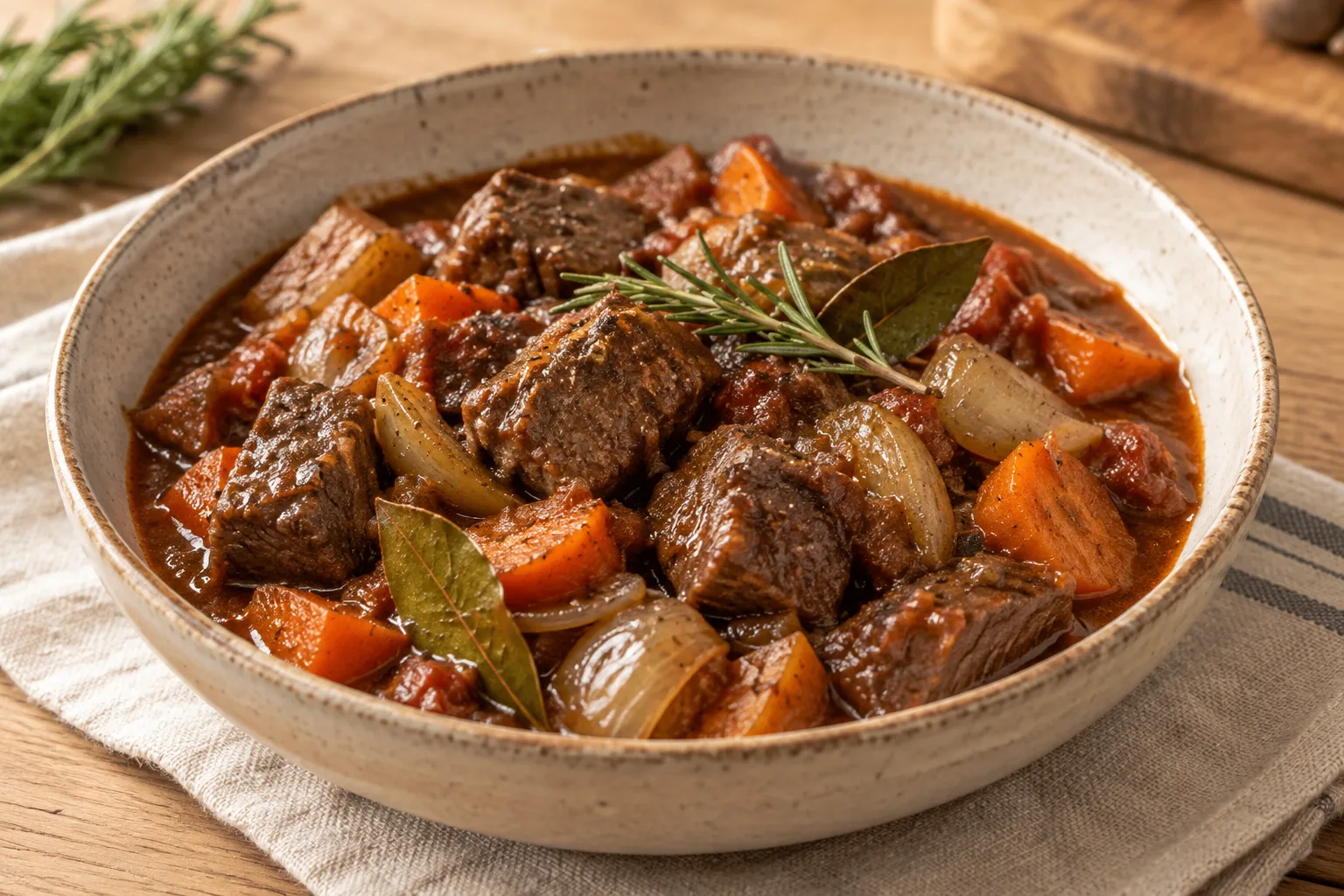
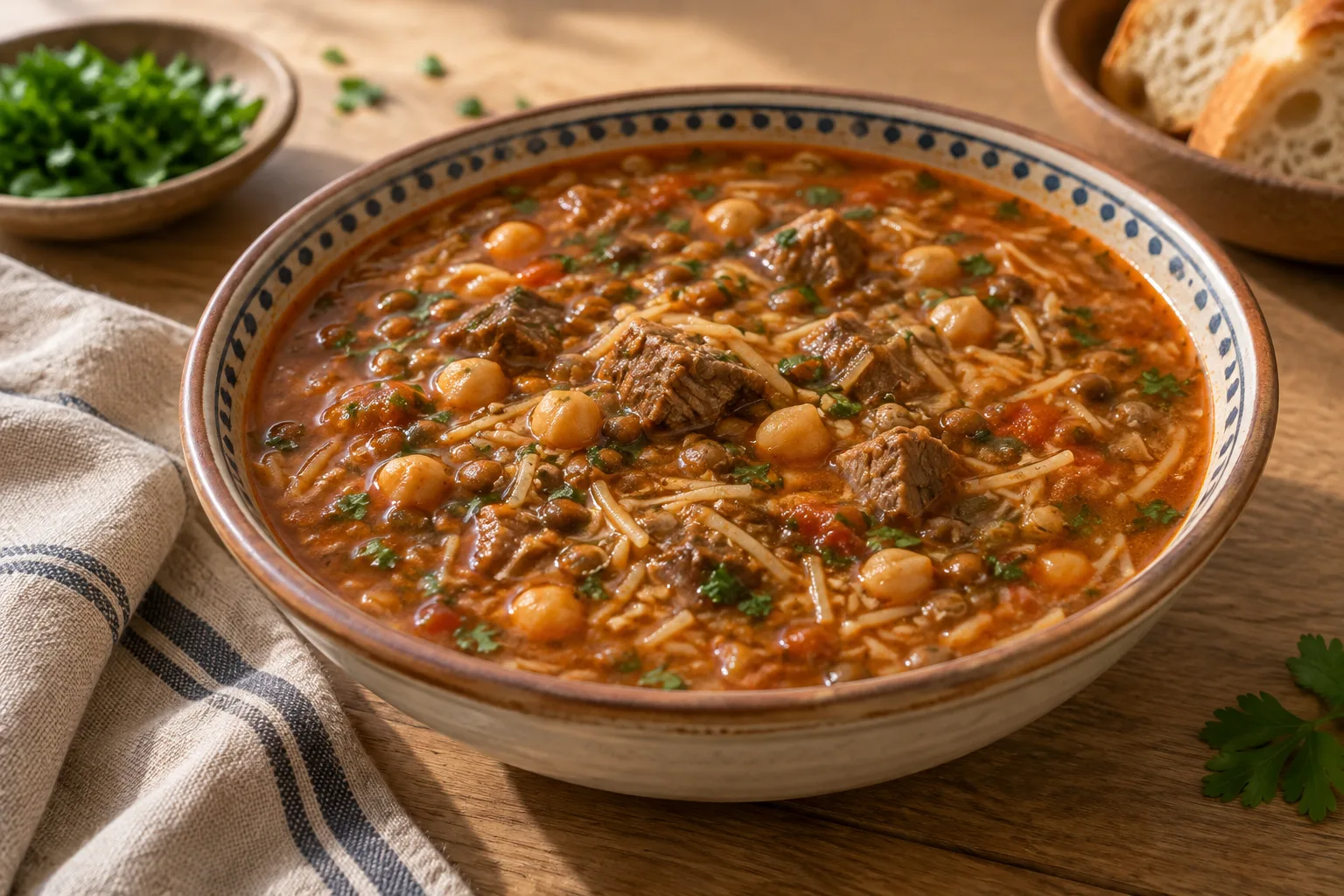
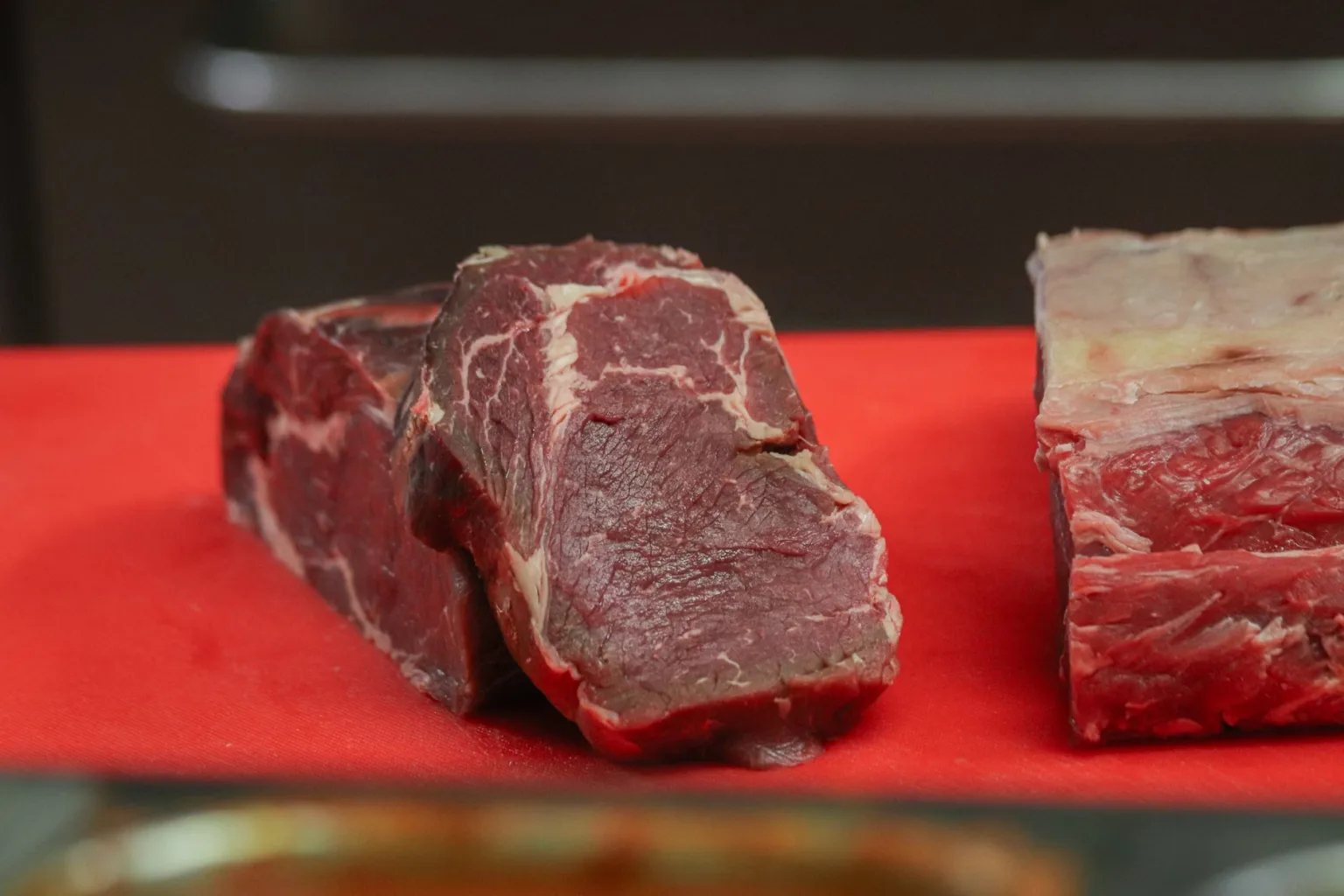
Stewing beef is beef sold or prepared for dishes such as stews and braises. The name describes its culinary use rather than one specific anatomical cut: packages may contain different cuts, so texture and results can vary. Stew recipes commonly use pieces of beef cooked with ingredients such as onion, carrot, celery, potato and stock. Gentle, prolonged cooking suits cuts intended for this purpose. If you need to identify the cut or adjust a recipe, ask the butcher which piece is in the pack and whether it is suitable for slow cooking.
When to use it
Choose stewing beef for a moist, slow-cooked dish, such as a beef-and-vegetable stew or a broth-based braise. It suits recipes in which the meat cooks alongside ingredients that contribute flavor and substance, including onion, carrot, celery, potato and herbs. It can also be used in slow-cooker recipes. The label does not guarantee that every pack contains the same cut, so adapt the pieces and cooking method to the meat you have and the recipe you are following.
How to use it
If the beef comes as a whole piece, cut it into similarly sized chunks to encourage more even cooking; if it is already cubed, check that the pieces suit your recipe. You can brown the beef in a pot before adding onion, other vegetables and stock, or follow a recipe that adds these ingredients directly. Cook gently or in a slow cooker until tender, checking the result rather than relying on a universal cooking time: cut and piece size matter. Potato, carrot, celery, garlic, rosemary and beef stock are possible additions found in stew recipes. Some recipes thicken the sauce near the end with a mixture of cornstarch and water.
Flavour and texture
Flavor and texture depend on the cut, so not every pack will cook in exactly the same way. Beef can give a stew a pronounced savory flavor, while slow, moist cooking can make suitable cuts tender. Some cuts have more fat or connective tissue than others, which also affects the meat’s mouthfeel and the sauce. Check tenderness as it cooks and adapt the method to the piece you bought.
How to choose it
Look for a pack labeled for stewing, or ask a butcher for a beef cut suited to slow cooking. Since the name can cover different cuts, ask which one is included and how it is best prepared; shank, chuck, flank and brisket are among cuts cited for stews. If you are following a recipe, choose pieces of similar size or ask the butcher to cut them that way to help them cook more evenly. Check the product label for its storage instructions.
Storage
Store the beef according to the package directions and official food-safety guidance. Refrigerated beef is suitable for maintaining quality before cooking; freezing is an option described for preserving beef for longer. Keep raw meat separate from ready-to-eat foods and do not improvise home-canning methods: meat is a low-acid food, and home canning it requires validated procedures specifically intended for meat.
Substitutions
You can replace stewing beef with another beef cut suited to stewing, such as shank, chuck, flank or brisket, bearing in mind that the cut can change texture and results. If you are unsure whether a piece is suitable for slow cooking, ask a butcher and adapt the recipe to their guidance. Do not assume a different meat or minced beef will behave like beef chunks in a stew.
Common mistakes
Assuming that every pack of stewing beef contains the same cut can lead to different results than expected. It is also unwise to rely on one recipe’s cooking time alone: tenderness depends on the cut and the size of the pieces. Do not rinse or otherwise alter the meat out of habit; follow the recipe method and applicable official handling guidance.
Safety and allergens
Follow the package instructions and official food-safety guidance for storing and handling beef. Check official alerts if you have concerns about a particular product. Do not improvise when canning meat: use only validated procedures for meat and suitable equipment.
Culinary uses
- Base de guisos y estofados
- Ingrediente principal para cocciones lentas
Recommended techniques
- Dorar o sellar antes de guisar
- Cocer a fuego lento en una olla o en una olla de cocción lenta
Pairs well with
- Cebolla, zanahoria y apio
- Patatas, caldo de res y romero
Frequently asked questions
Is stewing beef one specific cut?
Not necessarily. The term can refer to different beef cuts prepared for stews. Ask your butcher which cut is in the pack.
What goes well with stewing beef?
Stew recipes pair it with ingredients such as onion, carrot, celery, potato, beef stock and herbs such as rosemary.
Can I cook stewing beef in a slow cooker?
Yes. Beef stew recipes are available for slow cookers. Follow a suitable recipe and check that the meat is tender.
Sources and review
Automatically researched, cross-checked and validated content. Sources consulted:
- Client Challenge doi.org
- Agencia Española de Seguridad Alimentaria y Nutrición aesan.gob.es
- Vamos a Conservar Alimentos: Carnes extension.psu.edu
- Appendix B: Recipes for Disease Prevention – Culinary Medicine opentextbooks.library.arizona.edu
- razas de - ganado mapa.gob.es
- Estofado de Ternera En Olla de Cocción Lenta | Extension extension.unh.edu
- Estofado - Spend Smart Eat Smart spendsmart.extension.iastate.edu
- Referencias gastronomicas en DQ II ehumanista.ucsb.edu
- Cuál es la mejor carne para guisar y estofar - Grupo Miguel Vergara miguelvergara.com
- ¿Cuál es la Mejor Carne para Guisar? | Las Viandas de Julián lasviandasdejulian.es
- John Worth Faculty Homepage - Spanish Florida - Culture - Recipes pages.uwf.edu
- Family Food Cent$ newsletter - Febrero 2025 extension.sdstate.edu
- Salsas 1831 - lacocina.utsa.edu
- - YouTube youtube.com
- Receta de Carne Guisada, un plato tradicional y delicioso eladerezo.com