- Category
- Sugar and sweeteners
- State
- Dry
- Usual unit
- tablespoon
What it is
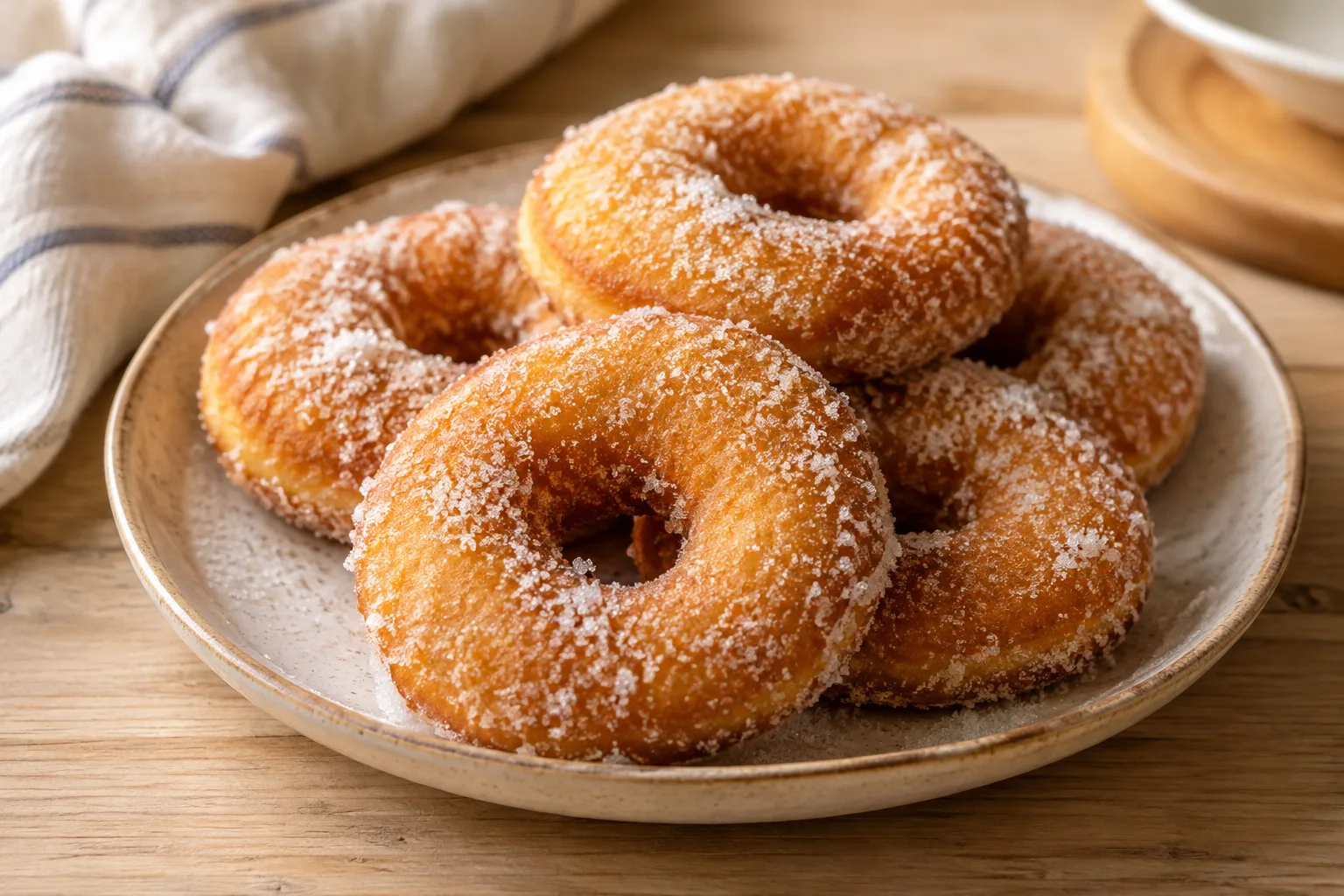
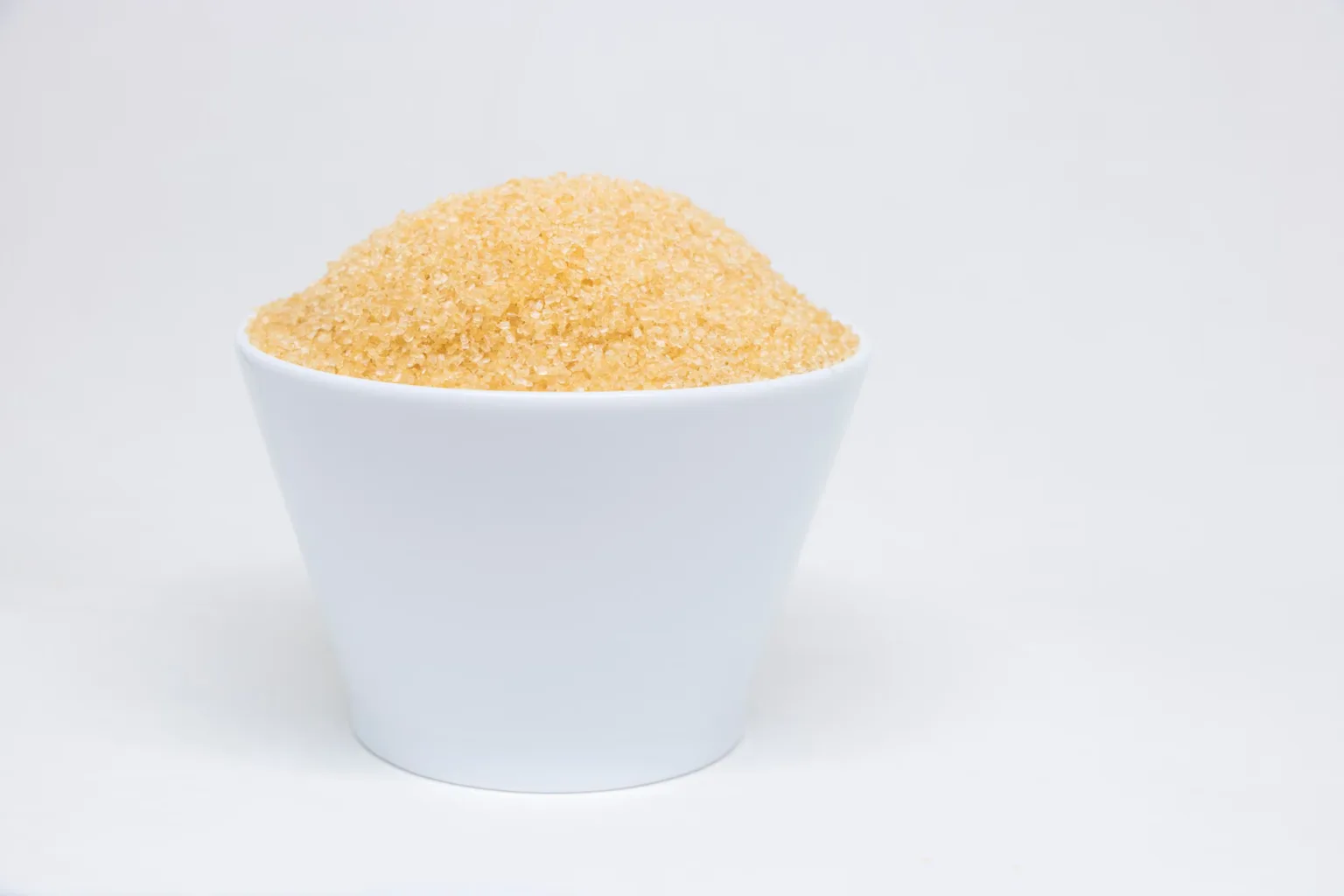
Sugar for coating describes a use for sugar, not a single variety with a fixed composition or grain size. Granulated sugar can leave visible crystals on the surface, while ground sugar can create a finer-looking layer. Ordinary granulated sugar is sold in different grain sizes, and powdered sugar is white sugar ground to a very fine texture; some commercial versions include starch to help prevent clumping. The best choice therefore depends on the recipe and the finish you want, rather than assuming that this name always refers to one particular product. (3713, 5942)
When to use it
Use it when you want a sweet coating on a dessert or baked good, or a visible finishing touch on a prepared item. Granulated sugar suits a finish where distinct crystals are wanted; powdered sugar is commonly used to decorate finished foods and gives a finer appearance. Follow the recipe if it specifies a type or grain size, since sugar varieties do not produce identical finishes or behave in exactly the same way. (3713, 14139)
How to use it
First choose the grain size for the finish: granulated sugar for visible crystals, or powdered sugar for a fine dusted look. To coat an item, put the sugar in a clean, dry dish, add the food, and gently turn it until the surface is covered; shake off excess if needed. To dust, distribute a light, even layer over the finished preparation. Sifting powdered sugar can help produce a more even finish. Do not switch from granulated to powdered sugar without considering that the appearance and texture will change. (3713, 5942)
Flavour and texture
The flavor is sweet, while the texture depends on the form used. Granulated sugar crystals can be noticeable when eaten and create a more defined coating. Powdered sugar is ground very fine, so it gives a delicate-looking finish without the same granular sensation. (3713, 14143)
How to choose it
Check whether you need granulated, fine-grain, or powdered sugar: these forms give different finishes. Granulated sugar may vary somewhat in grain size by brand; powdered sugar is a common choice for a fine dusted look. If buying commercial powdered sugar, check the label to see whether it contains starch or another anti-caking ingredient. (3713, 5942)
Storage
Store sugar in a cool, dry place, away from strong odors and moisture. Moisture can harden and clump granulated sugar, and sugar can absorb odors even through some packaging. For better storage, transfer it to a tightly closed, food-safe container; refrigeration is not needed. (10826)
Substitutions
If you do not have granulated sugar, a finer-grain sugar may work when large, distinct crystals are not essential. For a powdered coating, powdered sugar is an option, but it is not an identical substitute: its texture and appearance differ. Check the recipe and decide whether visible crystals or a fine finish matters more. (3713, 14139, 14143)
Common mistakes
Do not assume all coating sugar is interchangeable: grain size changes the appearance and texture. Using powdered sugar when distinct crystals are wanted can produce a different finish than expected. Also avoid storing sugar where it is exposed to moisture or strong odors, since it may clump or absorb them. (3713, 10826)
Safety and allergens
The available evidence identifies no specific safety warning for sugar used as a coating. Check the product label and keep it protected from moisture and strong odors.
Culinary uses
- Recubrimiento dulce de postres y productos de repostería
- Acabado decorativo espolvoreado
Recommended techniques
- Rebozar o hacer rodar el alimento en azúcar granulado
- Espolvorear azúcar fino o glas sobre una preparación terminada
Pairs well with
- Rosquillas y otros dulces
- Pasteles, bizcochos y postres horneados
Frequently asked questions
What kind of sugar is used for coating?
It depends on the finish: granulated sugar leaves noticeable crystals, while powdered sugar gives a finer coating. Follow the recipe if it specifies a particular type. (3713, 14139)
Can I replace granulated sugar with powdered sugar?
You can use it when you want a powdered finish, but the appearance and texture will change. It is not an equivalent swap when visible crystals are important. (3713, 14143)
How can I keep sugar from clumping?
Store it tightly closed in a cool, dry place, away from moisture and strong odors. Moisture can harden granulated sugar. (10826)
Sources and review
Automatically researched, cross-checked and validated content. Sources consulted:
- Client Challenge doi.org
- The Essential Glossary of Cooking Terms for the Culinary Arts - Escoffier escoffier.edu
- Del blanco a la panela: los 19 tipos de azúcar más comunes, en qué se diferencian y cómo usarlos en cocina directoalpaladar.com
- Tipos y variedades de Azúcar que encontrarás en el mercado, apuntes. - Cocina y Aficiones cocinayaficiones.com
- Storing Sugars | USU extension.usu.edu
- Processed Foods and Health • The Nutrition Source nutritionsource.hsph.harvard.edu
- Home - Department of Food Science and Technology foodscience.tamu.edu
- Safe & Healthy Food Pantries Project - Health & Well-Being health.extension.wisc.edu
- Changes to the Nutrition Facts Label | FDA go.unl.edu
- SugarScience.UCSF.edu | Hidden in Plain Sight sugarscience.ucsf.edu
- Azúcar para todos los gustos – La vida sabe mejor lavidasabemejor.es
- Beneficios y usos del azúcar en tu cocina republica.com
- Tipos de azúcar aplicados en repostería y pastelería | CEAC ceac.es
- Guia_RGSEAA.pdf aesan.gob.es
- development of a culinary medicine assessment tool for scholars.csus.edu