- Category
- Sugar and sweeteners
- State
- Dry
- Usual unit
- g
What it is
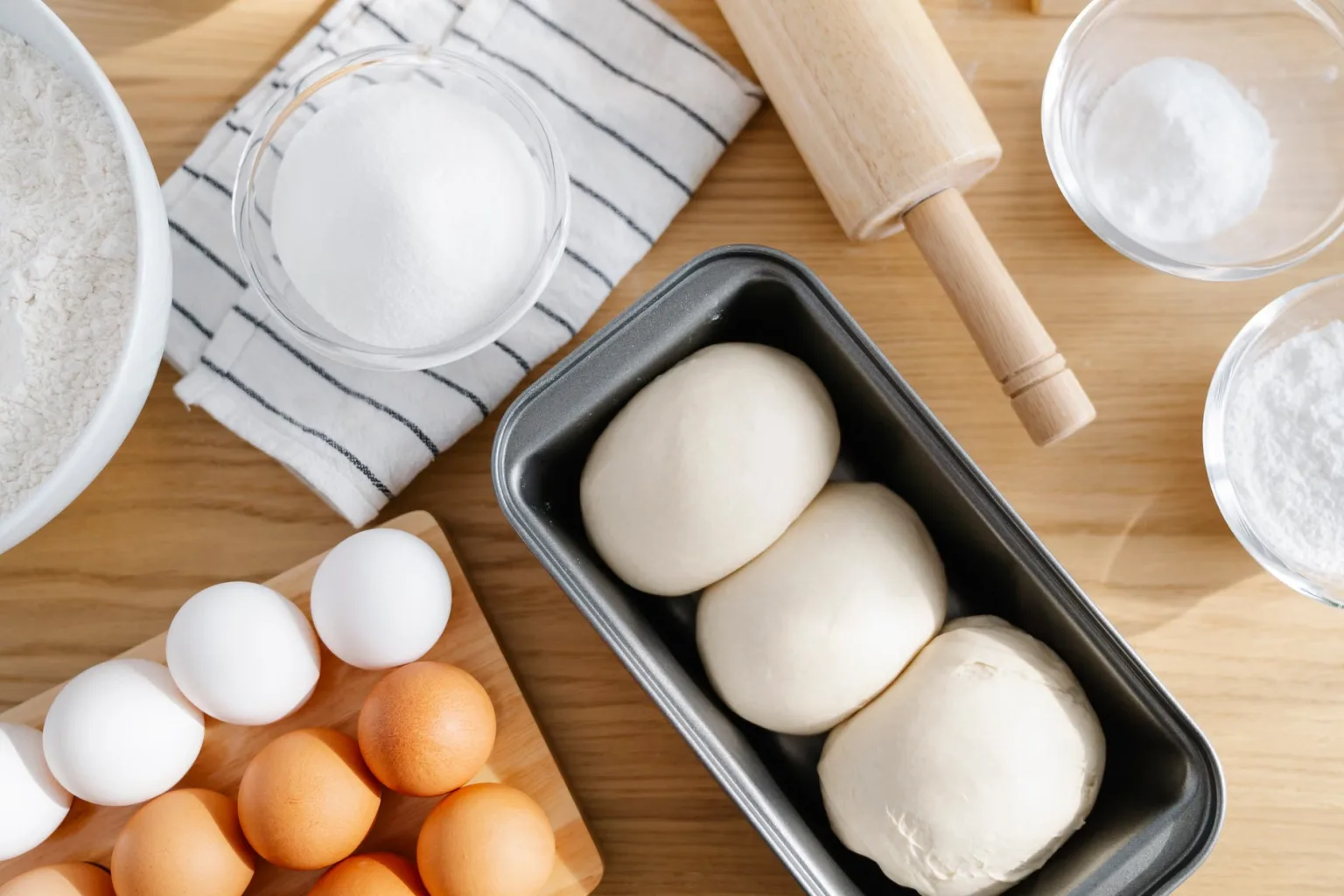
“Sugar for dough” describes sugar used in a dough recipe; it does not identify one special variety with guaranteed properties. If a recipe gives no further detail, ordinary granulated sugar is a reasonable general interpretation. White sugar dissolves in liquids and can be beaten with eggs or butter; when heated, it can melt and caramelize. Powdered sugar is much finer and blends readily, while brown sugar can add molasses notes, aroma and color. These forms do not behave exactly alike, so follow the variety named in the recipe rather than assuming every sugar can be exchanged without changing the result.
When to use it
Use it when a dough recipe calls for sugar to sweeten the mixture or when you need to beat it with butter or eggs to incorporate air. Ordinary granulated sugar is a general choice if no variety is specified. Powdered sugar may suit a recipe that calls for quick blending or a sweet shortcrust dough; brown sugar brings its own color and molasses-like notes, which will change the character of the preparation. Follow the named variety whenever the recipe specifies one.
How to use it
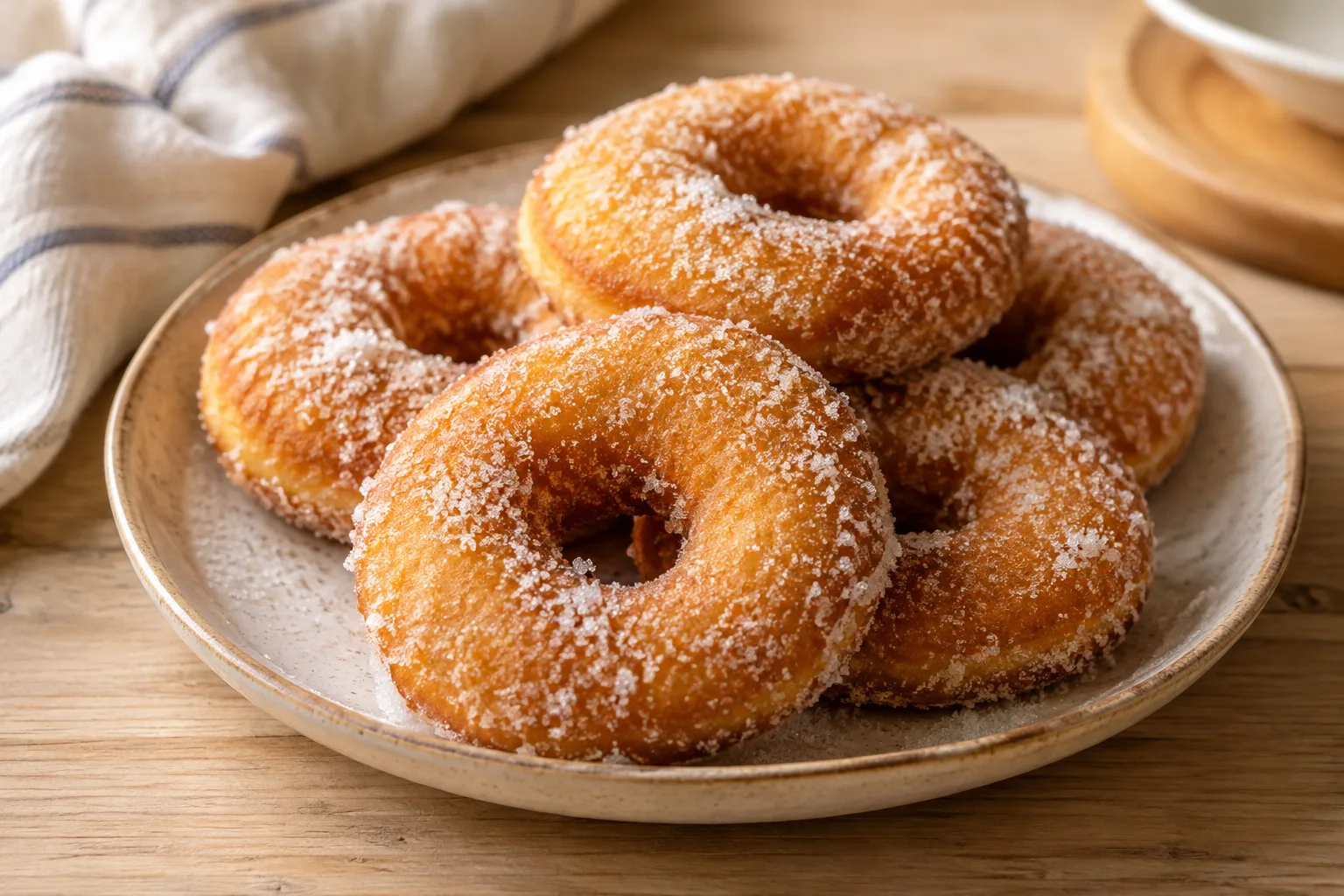
Weigh the amount given in the recipe and add the sugar at the stage specified by its method. If the preparation begins by beating butter and sugar, work them together into a creamy mixture; some recipes instead beat sugar with eggs to aerate the mixture. In liquid doughs, mix until the sugar is distributed. Ordinary granulated sugar may leave noticeable crystals if it does not fully dissolve, whereas powdered sugar blends more readily. For a topping, sugar may be sprinkled over a preparation before baking. Do not change the variety without considering that crystal size, color and ease of blending can differ.
Flavour and texture
Sugar adds sweetness, but its effect is not limited to flavor: it can also influence the texture and volume of a preparation. White granulated sugar has visible crystals and dissolves in liquids; powdered sugar is very fine and blends more readily. Brown sugar can contribute molasses-like notes, aroma and color. The final texture depends on how the sugar is combined with the other ingredients and on the form selected.
How to choose it
Check whether the recipe calls for granulated, powdered or brown sugar: their crystal sizes and culinary characteristics are not identical. If it simply says sugar, ordinary granulated sugar is a general choice. Read the package to confirm the variety and condition, and choose a dry pack without visible dampness or clumping. The phrase “for dough” does not mean that the ingredient is a special kind of sugar.
Storage
Keep it in the pantry and follow the package directions. Ordinary granulated sugar is described as needing no especially demanding storage conditions, but keeping it dry and tightly closed helps protect its texture and makes it easier to use. Ground varieties may contain anti-caking ingredients; store them according to the maker’s instructions and avoid using wet utensils.
Substitutions
Granulated, powdered and brown sugars can play different roles in dough. Powdered sugar blends readily, while brown sugar adds molasses-like notes and color, so a change can alter the result. Choose another form only if you are comfortable with that difference and the recipe does not require a specific one. The available evidence does not establish quantity equivalents for substitutions.
Common mistakes
Do not assume granulated, powdered and brown sugars are identical in dough: crystal size, ease of blending and, for brown sugar, color and flavor notes differ. Avoid replacing a named variety without considering the recipe’s result. Do not add sugar on the assumption that every dough needs a fixed amount; use the quantity the recipe gives.
Safety and allergens
The available evidence does not establish a specific warning for this ingredient. Check the product label and follow the recipe directions.
Culinary uses
- Endulzar masas dulces y productos de repostería
- Aportar aire al batirse con mantequilla o huevos
- Favorecer el dorado y la textura en preparaciones horneadas
Recommended techniques
- Batir con mantequilla para cremar e incorporar aire
- Batir con huevos para dar aire a una preparación
- Disolver o integrar en masas y líquidos
- Espolvorear sobre una preparación antes de hornear
Pairs well with
- Mantequilla
- Huevos
- Harina y masas de repostería
- Líquidos para preparar almíbares
Frequently asked questions
What does “sugar for dough” usually mean?
The phrase does not identify one specific variety. If the recipe gives no further detail, ordinary granulated sugar is a general option.
Can I replace granulated sugar with powdered sugar?
Powdered sugar blends more readily, but the forms are not identical. The available evidence gives no quantity conversion; follow the named variety when it matters to the recipe.
What does sugar do when beaten with butter or eggs?
Beating sugar with butter can help incorporate air; some preparations also beat it with eggs to aerate the mixture.
Sources and review
Automatically researched, cross-checked and validated content. Sources consulted:
- REGLAMENTO (UE) No 1169/2011 DEL PARLAMENTO ... eletiquetadocuentamucho.aesan.gob.es
- The Essential Glossary of Cooking Terms for the Culinary Arts - Escoffier escoffier.edu
- Del blanco a la panela: los 19 tipos de azúcar más comunes, en qué se diferencian y cómo usarlos en cocina directoalpaladar.com
- Tipos y variedades de Azúcar que encontrarás en el mercado, apuntes. - Cocina y Aficiones cocinayaficiones.com
- Agencia Española de Seguridad Alimentaria y Nutrición aesan.gob.es
- Nutrition After Your Transplant - Health Online healthonline.washington.edu
- Pictorial Recipes - OSU Extension Service extension.oregonstate.edu
- Healthy Eating Plan for Weight Management med.uc.edu
- Cómo mantenerse activo con diabetes y hacerlo de manera segura | CAES Field Report fieldreport.caes.uga.edu
- Vamos a Conservar Alimentos: Mermeladas, jaleas y compotas extension.psu.edu
- Por qué el azúcar de la fruta es bueno para la salud y el de los procesados no doi.org
- Azúcar para todos los gustos – La vida sabe mejor lavidasabemejor.es
- Beneficios y usos del azúcar en tu cocina republica.com