- Category
- Sugar and sweeteners
- State
- Dry
- Usual unit
- g
What it is
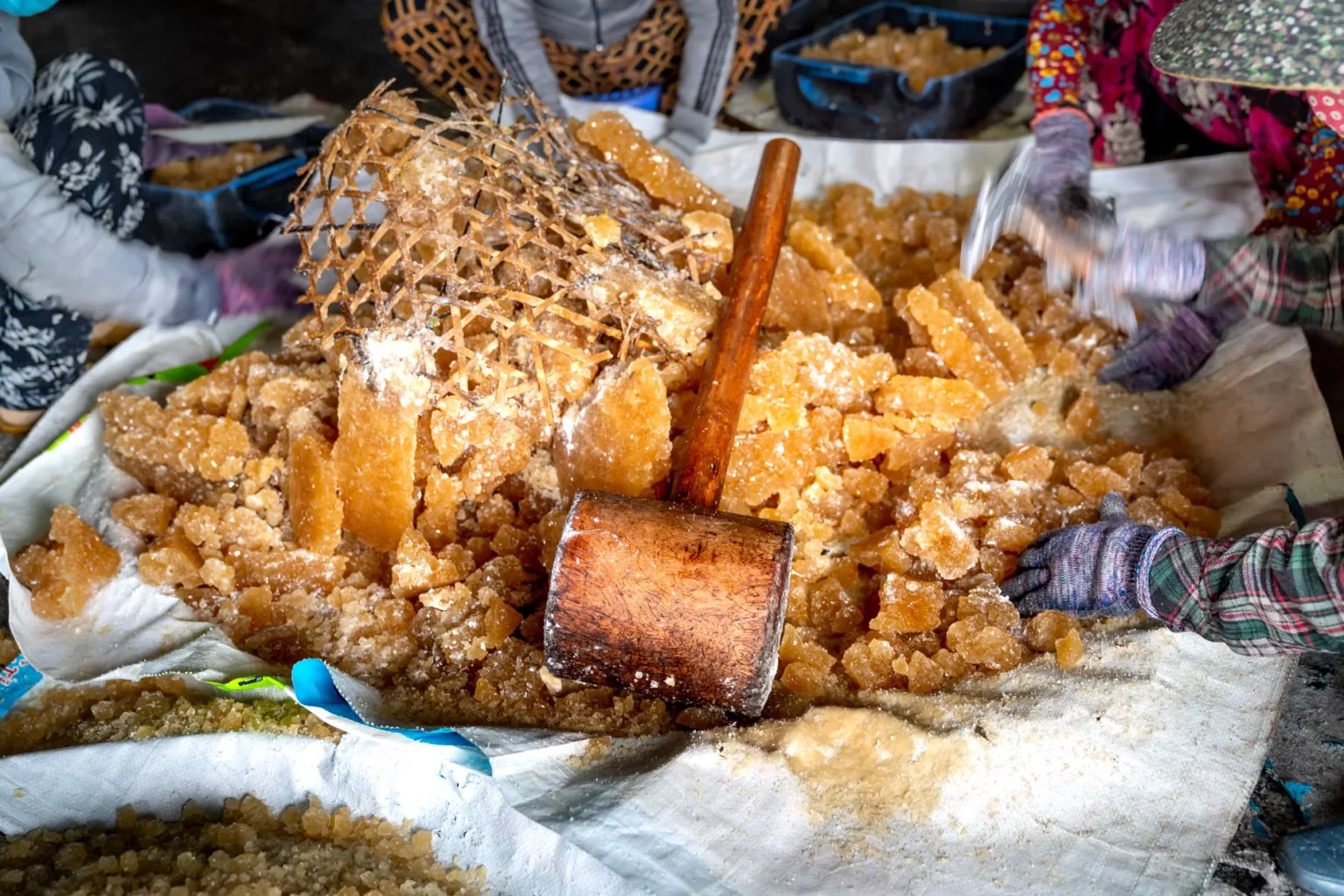
In this guide, “sugar for syrup” means dry sugar added to a mixture of water and sugar. Once dissolved, it provides the sweet base of a syrup; heating the mixture can produce different consistencies depending on the proportions and cooking. Sugar is not syrup by itself: it is one of its ingredients. The available evidence describes white sugar and also mentions brown sugar as an option, but it does not establish one type of sugar as suitable for every recipe.
When to use it
Use it when a recipe calls for making syrup with sugar and water, for example to add sweetness or moisten sponge cake, or as a liquid covering for fruit. The amount depends on the desired result: a mixture with less sugar relative to water can be lighter, while a higher proportion tends to make a thicker syrup. Follow the recipe’s proportions, especially when syrup is part of a preservation process.
How to use it
Measure the sugar according to the recipe and combine it with the specified water. For a simple syrup, heat the mixture until the sugar dissolves; the proportions and any further cooking affect the final consistency. There is no single ratio for every use: follow the recipe whether you need a light liquid or a more concentrated one. Brown sugar can be used in some recipes when a more toasted flavor is wanted, although it will change the syrup’s character. If you are preserving fruit, follow a tested preservation procedure rather than relying on sugar alone.
Flavour and texture
Sugar contributes sweetness. Dissolved in water, it forms a liquid whose density and consistency depend on the ratio of the ingredients and the degree of cooking. Brown sugar can contribute a more toasted flavor than white sugar, so it does not always produce an identical result.
How to choose it
Check the package to identify the sugar you have; the available evidence mentions white and brown sugar for making syrup but does not require a particular format. Choose the type specified in your recipe. If you use brown sugar instead of white, expect a potentially more toasted flavor and a different character in the finished syrup.
Storage
Store dry sugar according to the package directions and protect it from moisture so it remains suitable for use. The available evidence does not specify a shelf life or detailed storage conditions for the sugar in this guide. Once syrup is prepared, do not assume that its sugar content makes it safe to store: for preserved fruit, use a tested recipe and follow its instructions.
Substitutions
Brown sugar can replace white sugar in some recipes if its flavor suits the dish, though it may add a more toasted note. You can also adjust the amount of sugar to make a lighter or thicker syrup, but the consistency will change. Keep to the recipe’s proportions when preserving food.
Common mistakes
Do not confuse sugar with finished syrup: sugar must be combined with water. Another common error is changing the ratio without considering its effect on sweetness and consistency. Do not assume homemade syrup safely preserves fruit unless you follow a tested preservation procedure.
Safety and allergens
If using syrup to preserve fruit, follow a tested preservation recipe and all its instructions; sugar alone is not a substitute for that procedure. The available evidence provides no specific warning for dry sugar.
Culinary uses
- Edulcorante para almíbares y jarabes
- Ingrediente que aporta cuerpo y concentración al líquido según la proporción y la cocción
Recommended techniques
- Disolver en agua para preparar un almíbar
- Calentar la mezcla para ajustar su consistencia al uso previsto
Pairs well with
- Agua, como base de un almíbar
- Frutas, cuando el almíbar se usa como líquido de cobertura
Frequently asked questions
What is sugar for syrup?
It is the sugar dissolved in water to make the base of a syrup; sugar on its own is not finished syrup.
Can I use brown sugar?
Some recipes allow it. Brown sugar can add a more toasted flavor, so the result may differ from syrup made with white sugar.
Does more sugar make thicker syrup?
A higher proportion of sugar relative to water generally makes a more concentrated syrup. Follow the recipe’s ratio for its intended consistency.
Sources and review
Automatically researched, cross-checked and validated content. Sources consulted:
- The Essential Glossary of Cooking Terms for the Culinary Arts - Escoffier escoffier.edu
- Dictionary of Health Related Terms: English – Spanish hia.berkeley.edu
- ¿Qué es el almíbar? Historia y características lazayafruits.com
- Healthy Eating Plan for Weight Management med.uc.edu
- Educación sobre la diabetes healthsystem.osumc.edu
- Orientaciones para la elaboración de menús saludables y ... aesan.gob.es
- Vamos a Conservar Alimentos: Peras extension.psu.edu
- FSHN12-20s/FS263: De compras para la salud: Las frutas ask.ifas.ufl.edu
- Cómo hacer almíbar casero: la receta más fácil para postres y bebidas directoalpaladar.com
- Almíbar - Wikipedia, la enciclopedia libre es.wikipedia.org
- Por qué el azúcar de la fruta es bueno para la salud y el de los procesados no doi.org
- ¿Cómo se hace el almíbar? - Helios helios.es
- - YouTube youtube.com
- Receta de almíbar al gusto – La vida sabe mejor lavidasabemejor.es