- Category
- Nuts and seeds
- State
- Dry
- Usual unit
- g
What it is
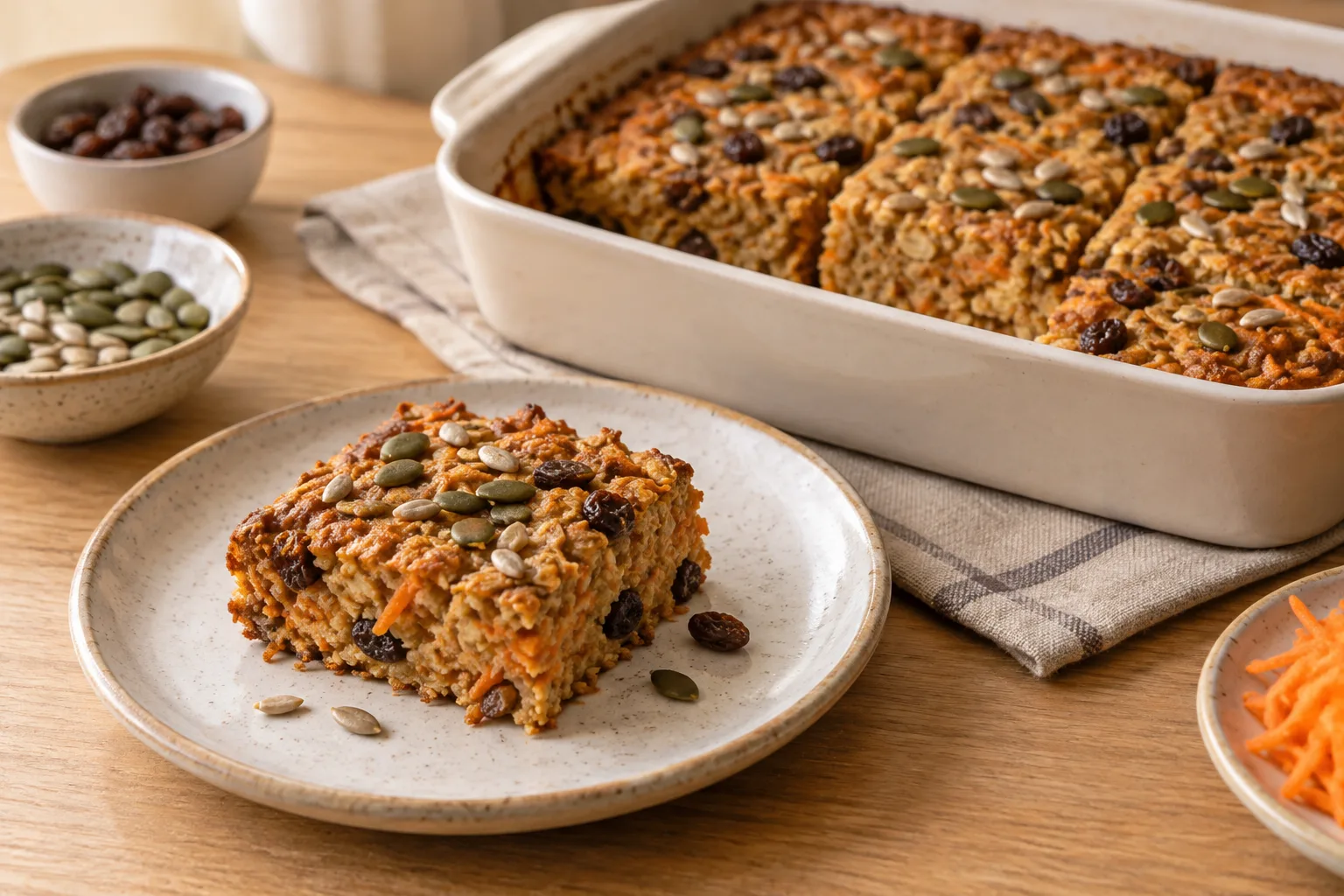
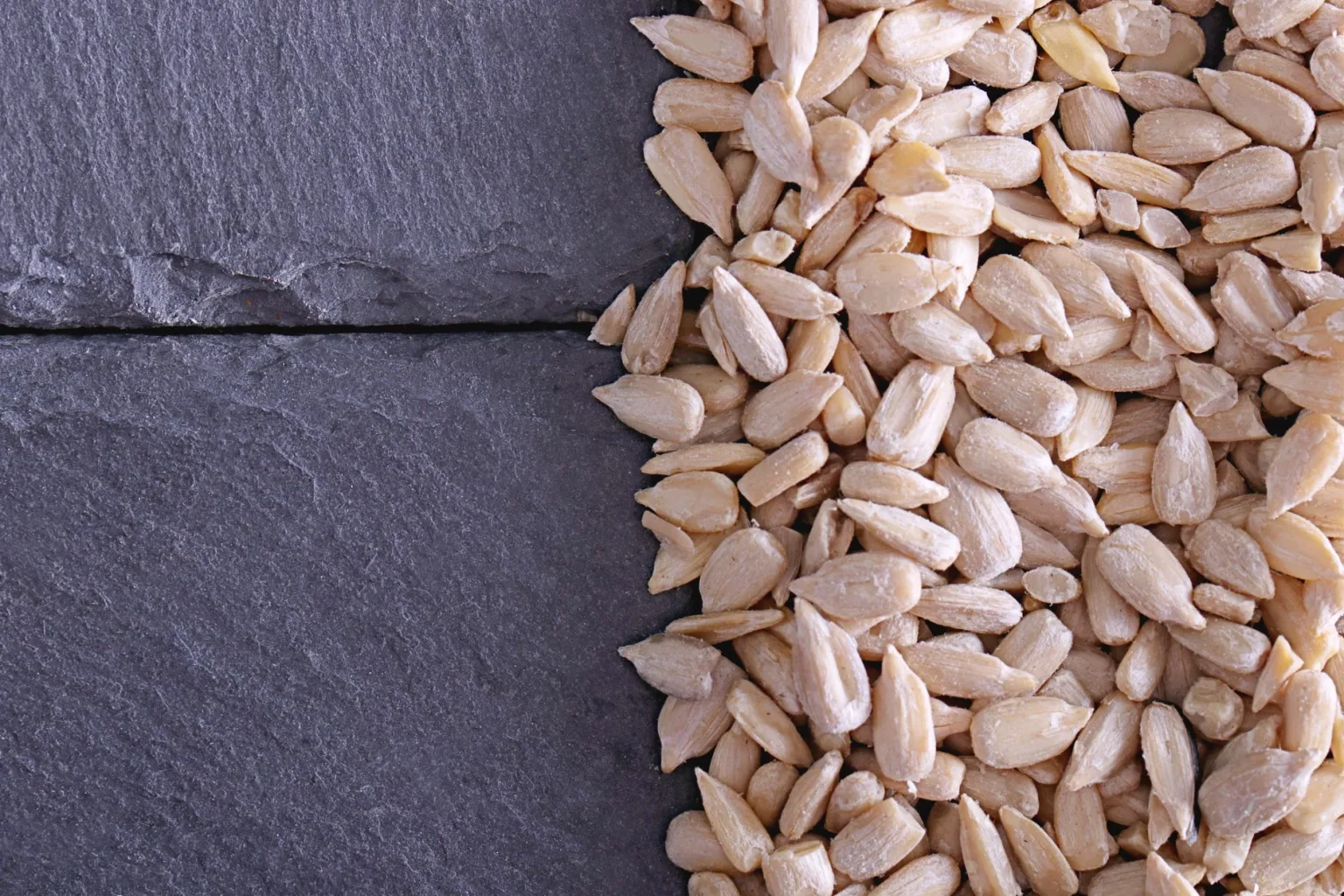
Sunflower seeds are the edible seeds of the Helianthus annuus plant. They are sold with an outer shell, often striped, or shelled and ready to use in cooking. Not all sunflowers are grown for the same purpose: some seeds are intended for direct human consumption, while others are grown for oil or other uses. Shelled seeds are convenient for cooking because they can be added straight to dishes; seeds in their shells are often eaten as a snack, with the shell removed before eating the kernel. They are available plain or roasted, and some packaged versions are salted or seasoned. Appearance and size can vary by variety and format, so check the package and distinguish seeds intended for human food from products sold for other uses.
When to use it
Use sunflower seeds when you want to add crunch and a mild, nut-like flavor without making them the main ingredient. Shelled seeds are convenient sprinkled over salads, soups, yogurt or granola, and can also be mixed into bread and cookie dough. Seeds in their shells work as a snack when you are happy to shell them as you eat. Choose roasted seeds for a more pronounced toasted character, or plain seeds if you would rather toast or season them yourself. Check whether a recipe calls for shelled kernels: the outer shell is not used in the same way as the edible interior.
How to use it
Remove the shell if you bought whole seeds and your recipe calls for kernels. Add shelled seeds directly to salads, soups, yogurt or granola, or mix them into bread and cookie dough to distribute their texture throughout the bake. You can also roast them until golden: a university extension source recommends spreading them in a single layer on a baking sheet and stirring several times as they roast. Time and results vary by method and product, so watch the seeds and follow a reliable recipe. Another option is to season them before roasting. If you use seeds in their shells as a snack, crack them open and eat the kernel; do not confuse them with seeds sold for animal feed or other uses.
Flavour and texture
The kernel has a mild, slightly nut-like flavor and a firm, crunchy texture. Roasting deepens its aroma and gives it a more pronounced crispness; the shell is a hard outer covering that is removed before eating the kernel. The finished flavor also varies depending on whether the seeds are plain, salted or seasoned.
How to choose it
Choose seeds clearly labeled for human consumption, then decide between shelled and unshelled formats according to how you plan to use them. Shelled seeds save the work of removing each covering when you want to sprinkle them over dishes or mix them into dough. Check whether they are plain, roasted or salted, and read the package for ingredients and seasonings. Seed size, color and shell markings can vary among varieties; that variation alone does not mean the product is unsuitable.
Storage
The evidence reviewed recommends ensuring seeds are completely dry before storing them and mentions airtight containers for dry or roasted seeds. Keep the package closed and follow the manufacturer's specific directions, since the available material does not establish one universal storage time or temperature for every format. If you are handling freshly harvested seeds, dry them thoroughly before packing them away.
Substitutions
The reviewed evidence does not identify an exact substitute. As a culinary alternative, pumpkin or sesame seeds can add a seed-like crunch to dishes where sunflower's particular flavor is not essential. Their size, taste and result will differ; adjust the amount to the recipe and consider whether the alternative needs different preparation.
Common mistakes
Using seeds in their shells in a recipe that calls for shelled kernels can leave hard coverings in the dish. Another mistake is storing freshly harvested seeds before they are fully dry, or assuming every package is the same: seeds may be plain, roasted or salted. Read the label and keep an eye on them while roasting so they do not overcook.
Safety and allergens
The evidence package contains no specific official warning about sunflower seeds. Choose a product sold for human consumption and follow its package directions. If you have a known allergy to this ingredient, do not eat it without professional guidance.
Culinary uses
- Aperitivo y tentempié
- Ingrediente crujiente para platos y productos horneados
Recommended techniques
- Tostar en horno o microondas
- Añadir enteras o trituradas
Pairs well with
- Ensaladas y sopas
- Panes, galletas, yogur y granola
Frequently asked questions
Do sunflower seeds need to be shelled?
It depends on the format and recipe. Remove the shell from unshelled seeds to eat the kernel; shelled seeds can be added directly to many dishes.
Can I roast sunflower seeds at home?
Yes. A university extension source describes oven roasting and recommends spreading the seeds in one layer and stirring during cooking. Watch for browning and follow a reliable recipe.
How should dry or roasted seeds be stored?
The reviewed evidence recommends an airtight container and making sure seeds are completely dry before storage. Also follow the package directions.
Estimated nutrition
- Fat
- 46.4 g
- Saturates
- 7.14 g
- Carbohydrate
- 25 g
- Sugars
- 3.57 g
- Fibre
- 10.7 g
- Protein
- 17.9 g
- Salt
- 0 g
Sources and review
Automatically researched, cross-checked and validated content. Sources consulted:
- ¿Por qué la muerte es origen de miedos y tabúes? doi.org
- Aesan - Agencia Española de Seguridad Alimentaria y Nutrición aesan.gob.es
- Sunflower nut Helianthus annuus El girasol (Helianthus annuus), es una planta mapa.gob.es
- 1828 – Cosecha y tostado de semillas de girasol – PlantTalk Colorado planttalk.colostate.edu
- Mantequilla de Semillas de Girasol de Muchas Maneras web.uri.edu
- Girasoles extension.oregonstate.edu
- Galletas De Girasol food.unl.edu
- Girasoles | Extensión de la UMN es.extension.umn.edu
- Girasol Ornamental – SEMILLAS SELECTAS uprm.edu
- Harvesting and roasting sunflower seeds | K-State | Kansas State University extension.k-state.edu
- ¡Siga creciendo! Querido/a _____________________________: extension.uga.edu
- Semilla de girasol - Wikipedia, la enciclopedia libre es.wikipedia.org
- Semillas de girasol, las pipas de toda la vida: propiedades, beneficios y cómo usarlas en la cocina con cinco recetas directoalpaladar.com
- Pipas o semillas de girasol | Gastronomía & Cía gastronomiaycia.com
- Cuáles son los beneficios de las semillas de girasol y cuántas se pueden consumir por día - Infobae infobae.com
- Girasoles: orígenes, curiosidades, tipos y sus sorprendentes usos jardineriaon.com
- Semillas de Girasol: Propiedades, Usos y Beneficios - Keinia Indutstrial Group keinia.com
- Semillas de girasol: propiedades, beneficios, usos y contraindicaciones nonsprecare.it