- Category
- Fruit
- State
- Fresh
- Usual unit
- unit
What it is
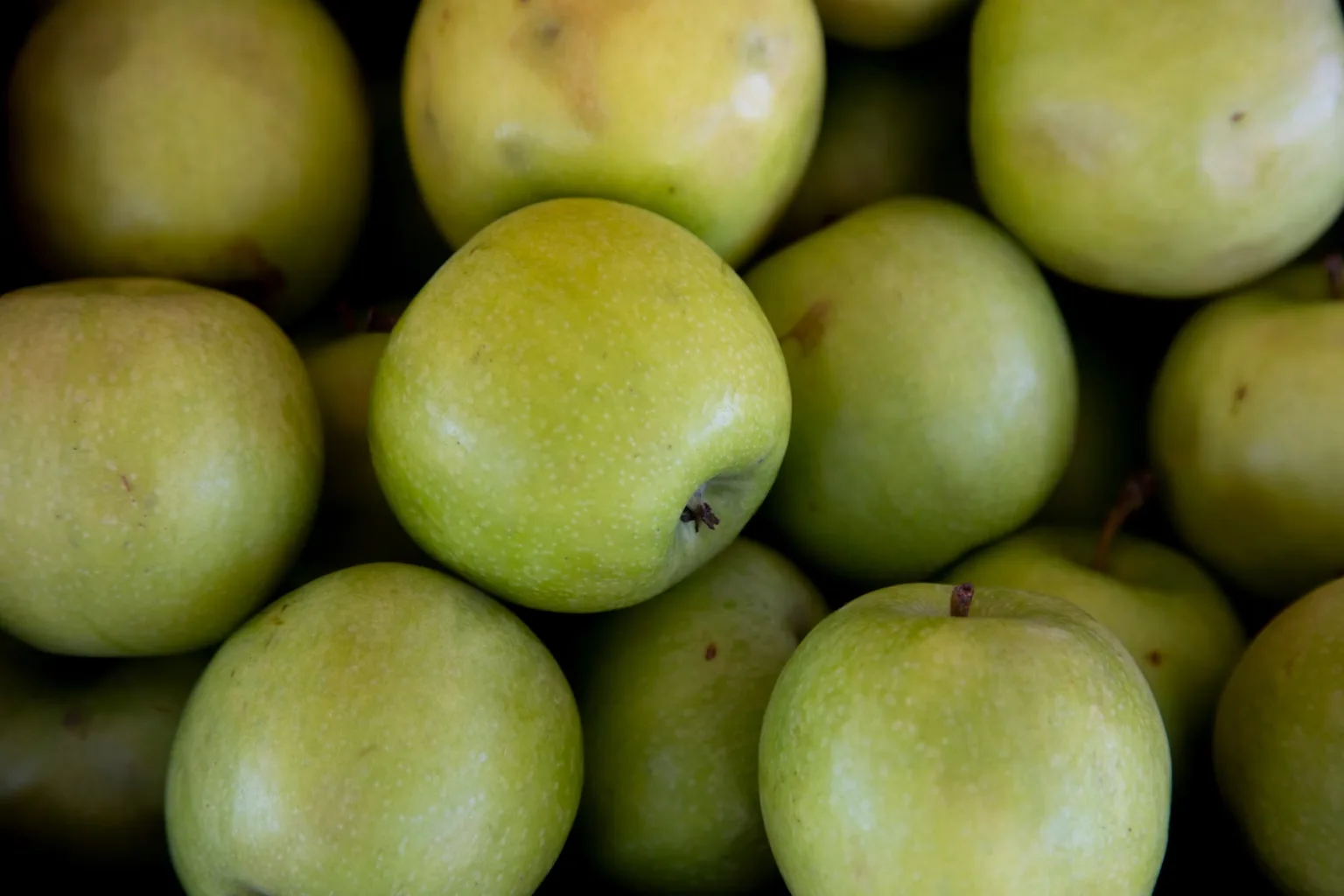
Tart apple is a culinary description for apples whose flavor has noticeable acidity, not the name of one single cultivar. Apples vary in sweetness, juiciness and firmness, so the description does not guarantee identical flavor or texture in every fruit. Granny Smith is a familiar example of a crisp, slightly tart apple; Reineta can also have a sweet-and-sour profile. Tart apples can be eaten fresh or used in cooked dishes, where their acidity may balance sweet or rich ingredients. Taste the apple and consider the recipe before adding sugar or selecting a substitute.
When to use it
Use a tart apple when you want a fresh, acidic note in a salad, fruit dish or cooked recipe. In baking, its acidity can contrast with sugar, butter or spices; in a sauce or purée, it can complement savory dishes. It can also suit recipes that call for tart apples, including some fruit salsas. Because flavor and firmness vary among cultivars and individual apples, taste the fruit before deciding how much to sweeten it or how to cook it.
How to use it
Wash the apple under running water before eating or cutting it. Eat it whole or sliced, or cut it up for salads and fruit dishes. For cooking, bake, roast or simmer it until it suits the recipe; apples are also used in compotes, purées, pies and sauces. Pair its acidity with sugar, butter or spices for a sweet preparation, or use it in a sauce to accompany a savory dish. Taste the fruit first: a more or less tart apple can change the balance of a dish, so adjust the other ingredients to the recipe and your taste.
Flavour and texture
The defining feature is noticeable acidity, which can taste refreshing and contrast with other flavors. Not every apple described as tart has the same intensity: sweetness, juiciness and firmness depend on the cultivar and the individual fruit. Granny Smith, for example, is often noted for crisp, juicy flesh and a slightly tart flavor; other apples may be denser or soften more during cooking.
How to choose it
Choose fruit that looks sound and firm, without rotten areas or significant bruising. Since tart apple describes a flavor profile rather than one cultivar, ask which variety it is if you need a particular level of acidity or texture. Granny Smith is one example of a crisp, somewhat tart apple. Color alone cannot guarantee flavor; taste a sample if a recipe needs a precise balance.
Storage
Keep apples in good condition and set aside fruit that is bruised, rotten or deteriorating. The available evidence does not establish one universal storage duration or condition for every tart apple; these can depend on the cultivar and the fruit's condition. Follow package directions when the apples are packaged, and inspect them before use. For freezing, consult preservation guidance suited to the intended preparation.
Substitutions
You can substitute another tart apple, such as Granny Smith, while allowing for possible differences in acidity and texture. A sweeter apple can also work if that is what you have, but the result will have less contrast; taste it and adjust sugar or other ingredients to suit the recipe. Cultivars are not exact one-for-one equivalents.
Common mistakes
Do not assume that all tart apples taste or cook alike. Choosing by color alone may produce a different result than expected. Another common mistake is adding sugar before tasting the fruit: both sweetness and acidity vary, so check the balance first.
Safety and allergens
Wash the apple under running water before eating or preparing it. Do not use fruit that is rotten or spoiled. For packaged apples, follow the storage and use directions on the label.
Culinary uses
- Fruta para comer fresca
- Ingrediente ácido para preparaciones dulces y saladas
- Base para compotas, purés y salsas
Recommended techniques
- Comer cruda, en rodajas o rallada
- Hornear o asar
- Cocer para preparar compota o puré
- Añadir a ensaladas o salsas
Pairs well with
- Azúcar, mantequilla y especias
- Carnes, como acompañamiento en forma de puré o salsa
- Otras frutas y verduras en ensaladas
Frequently asked questions
Is a tart apple one specific cultivar?
Not necessarily. It describes a flavor profile; different cultivars can be tart and still vary in sweetness and texture.
Which apple is a crisp, tart option?
Granny Smith is a familiar example of a crisp apple with a slightly tart flavor. Individual fruit can vary.
Can I use tart apples in savory dishes?
Yes. They can be used in sauces or purées served with savory dishes. Taste the apple and adjust the other ingredients to its acidity.
Estimated nutrition
- Fat
- 3.21 g
- Saturates
- 3.21 g
- Carbohydrate
- 25.6 g
- Sugars
- 19.2 g
- Fibre
- 1.3 g
- Protein
- 0 g
- Salt
- 0.14 g
Sources and review
Automatically researched, cross-checked and validated content. Sources consulted:
- En el etiquetado alimentario hay algunas menciones que son obligatorias eletiquetadocuentamucho.aesan.gob.es
- Recogida y conservación del fruto. El manzano, como todos los f rutales, es - mapa.gob.es
- Aesan - Agencia Española de Seguridad Alimentaria y Nutrición aesan.gob.es
- Manzana: propiedades, variedades y 62 recetas para utilizar la fruta más económica y versátil directoalpaladar.com
- Artes culinarias/Ingredientes/Manzana - Wikilibros es.wikibooks.org
- Manzana: Tipos, Variedades, Temporada y Propiedades frutamerca.com
- Tipos de manzana, qué aporta cada una y cómo incorporarlas de forma natural en tu cocina hogarmania.com
- Manzana | Origen y variedades | Frutas | EROSKI CONSUMER frutas.consumer.es
- Tipos de manzanas: variedades y usos en la cocina | Cocinatis cocinatis.com
- Una manzana es el fruto del árbol pero ¿qué son las algas que comemos? doi.org
- Vamos a Conservar Alimentos: Manzanas extension.psu.edu
- Consejos para Conservar las Manzanas - Illinois Extension extension.illinois.edu
- Salsa de Manzana y Durazno (Melocotón) (Spanish) - National Center for Home Food Preservation nchfp.uga.edu
- WIN79 : Link SLOT777 Terbaik Hari Ini Situs Slot Gacor Maxwin Gampang Jackpot Hoki wasabidelnorte.es
- 13 tipos de manzanas que no conocías | El arte de comer bien | mentta mentta.com
- Manzanas ácidas: Descubre las variedades internacionales con sabores sorprendentes superlekker.es