- Category
- Nuts and seeds
- State
- Powdered
- Usual unit
- g
What it is
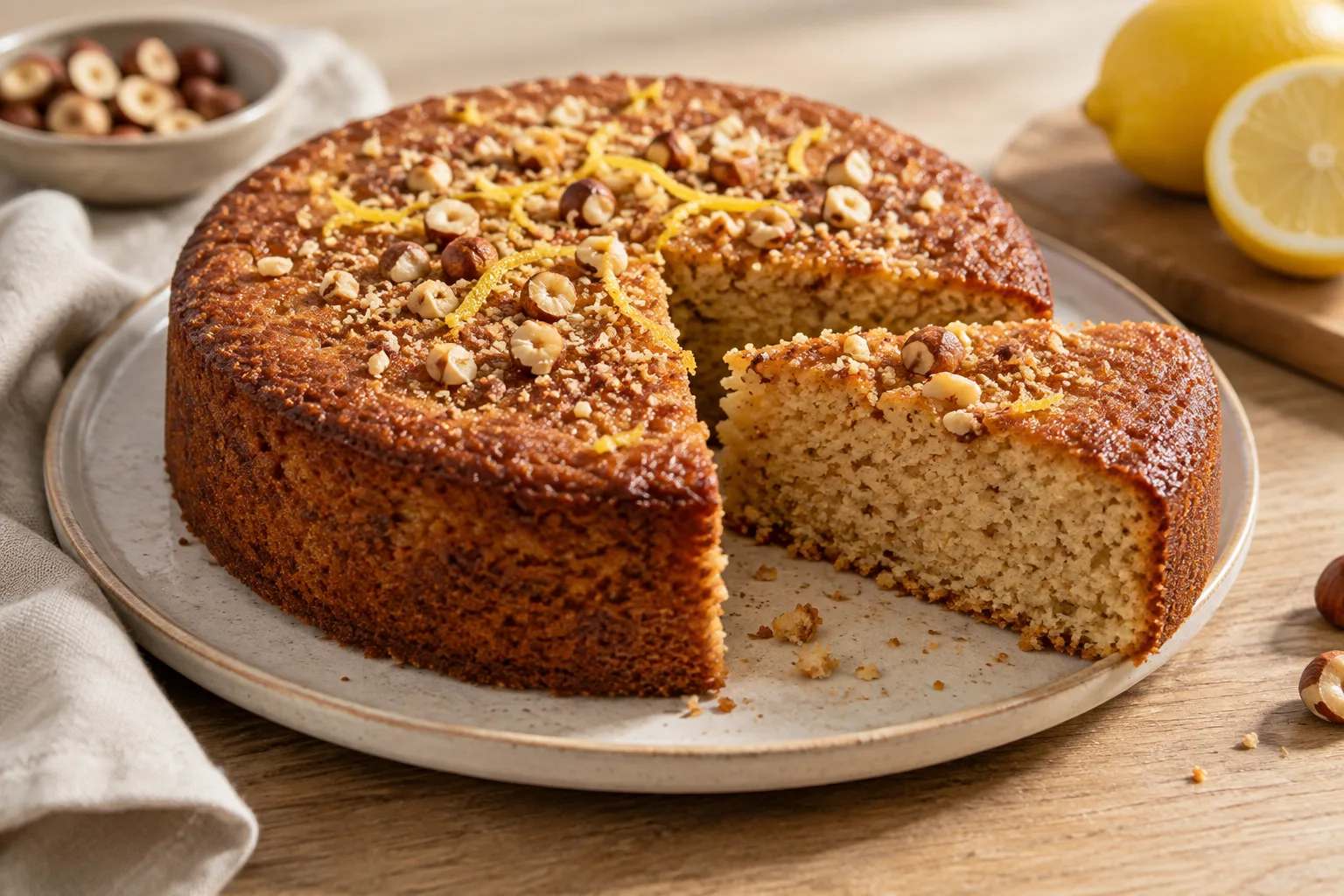
This ingredient consists of hazelnuts that have been toasted and then ground to a fine or more granular consistency, depending on the grind. It retains hazelnut’s characteristic flavor, and toasting can make that flavor more pronounced. Ground hazelnuts are used in baking and confectionery and can also be incorporated into fillings, sauces and toppings. They are not the same as hazelnut paste: paste has a more cohesive, spreadable texture, so using it instead may require adjusting a recipe.
When to use it
Use ground hazelnuts when you want hazelnut flavor distributed through a mixture rather than the distinct crunch of whole nuts. They suit cakes, biscuits, sweet breads and other baked goods, as well as chocolate preparations, pralines and desserts topped with or served alongside ice cream or yogurt. In savory cooking, they can be worked into sauces or used as a finishing ingredient when the recipe can accommodate a toasted nut flavor.
How to use it
Stir them into the dry ingredients for a batter or dough to distribute them evenly, or add them to fillings and confectionery mixtures. In desserts, pair them with chocolate, cocoa, coffee, vanilla or citrus; they can also be included in cakes, biscuits, sweet breads and toppings for ice cream or yogurt. For a sauce, add them gradually and check the consistency, since the result depends on the grind and the moisture in the preparation. If replacing the ground nuts with hazelnut paste, account for the difference in texture rather than treating the two forms as interchangeable.
Flavour and texture
Toasting gives hazelnuts a more pronounced roasted flavor that works well with chocolate and other sweet flavors. Because they are ground, they blend into batters and fillings instead of providing the crunch of whole nuts. The texture may be fine or more granular depending on the grind; hazelnut paste, by contrast, is more cohesive and spreadable.
How to choose it
Check that the product is toasted ground hazelnut, and read the label for its ingredients and allergen information. Hazelnuts are also sold in other forms, including chopped and ground products, so select a form that suits the recipe. If you have an allergy, do not rely on appearance alone; check the package information or ask the food business for the relevant details.
Storage
Protect the product from moisture and keep it in a tightly closed container in a cool, dry place, away from sunlight. Follow any storage directions on the package, as requirements may depend on the particular product and presentation. Close the container after use to limit exposure to air and moisture.
Substitutions
Ground almonds may work in a recipe that can accommodate a different nut, but the flavor will change. Hazelnut paste keeps the hazelnut flavor but has a different texture, so it is not a direct replacement in every batter or mixture. Choose a substitute according to the role the hazelnuts play in the recipe.
Common mistakes
Do not assume that hazelnut paste, chopped hazelnuts and ground hazelnuts behave alike: their textures affect the result. It is also easy to overlook allergen information or store the product where it can become damp. Choose the form that fits the preparation and follow the package directions.
Safety and allergens
Hazelnut is an allergen. If you have an allergy, do not consume the product without checking the package’s allergen information or asking the food business; allergen information must be provided for substances present. Follow the product’s storage directions.
Culinary uses
- Ingredient for baking and confectionery
- Nutty flavoring and textural addition for desserts, fillings, sauces, and toppings
Recommended techniques
- Fold into cake, cookie, and bread mixtures
- Blend or incorporate into fillings, pralines, and spreads
- Sprinkle over finished desserts or mix into sauces
Pairs well with
- Chocolate and cocoa
- Coffee, vanilla, and citrus
- Ice cream, yogurt, cakes, and biscuits
Frequently asked questions
What are toasted ground hazelnuts used for?
They can be mixed into baked goods, fillings, chocolate preparations, pralines, sauces and toppings. They also work with desserts such as ice cream and yogurt.
Can I replace them with ground almonds?
Ground almonds may work in a recipe that allows a different nut, but they will change the flavor. Also make sure the alternative is suitable for everyone eating the dish.
How should I store them?
Protect them from moisture and keep them tightly closed in a cool, dry place away from sunlight. Follow any specific storage instructions on the package.
Estimated nutrition
- Fat
- 9.68 g
- Saturates
- 6.45 g
- Carbohydrate
- 67.7 g
- Sugars
- 64.5 g
- Fibre
- 0 g
- Protein
- 16.1 g
- Salt
- 0.56 g
Sources and review
Automatically researched, cross-checked and validated content. Sources consulted:
- En el etiquetado alimentario hay algunas menciones que son obligatorias eletiquetadocuentamucho.aesan.gob.es
- Client Challenge doi.org
- Aesan - Agencia Española de Seguridad Alimentaria y Nutrición aesan.gob.es
- EI cultivo del avellano mapa.gob.es
- Wild Veggie Tostadas | Eat.Move.Save. | Illinois eat-move-save.extension.illinois.edu
- Avellanas - Materias - Thesaurus de la Universidad de Barcelona (THUB) | Centro de Recursos para el Aprendizaje y la Investigación - CRAI UB vocabularis.crai.ub.edu
- Habitos Saludables Research Papers - Academia.edu academia.edu
- Black Bean Tostadas – Community Nutrition Education web.uri.edu
- Sabores de Nuestras Tierras | Agricultura y Recursos Naturales ucanr.edu
- Sargent Choice Test Kitchen: Vegetarian Tostadas | Sargent Choice Nutrition Center bu.edu
- Tostados | UNL Food | Nebraska food.unl.edu
- Using Pinto Beans | New Mexico State University - BE BOLD. Shape the Future. pubs.nmsu.edu
- Tostadas con Salsa de Uva Jícama | Center for Community Health communityhealth.ucsd.edu
- El poder de… La avellana - El Poder del Consumidor elpoderdelconsumidor.org
- Avellanas, tipos y uso en la cocina hogarmania.com
- Avellanas. Propiedades, beneficios y usos en la cocina tradicional y actual abc.es
- Avellana: propiedades, usos en cocina y 15 recetas para sacarle todo el partido directoalpaladar.com
- ¿Qué son las avellanas? Variedades, historia y orígenes | BDI ferrerohazelnutcompany.com