- Category
- Nuts and seeds
- State
- Dry
- Usual unit
- g
What it is
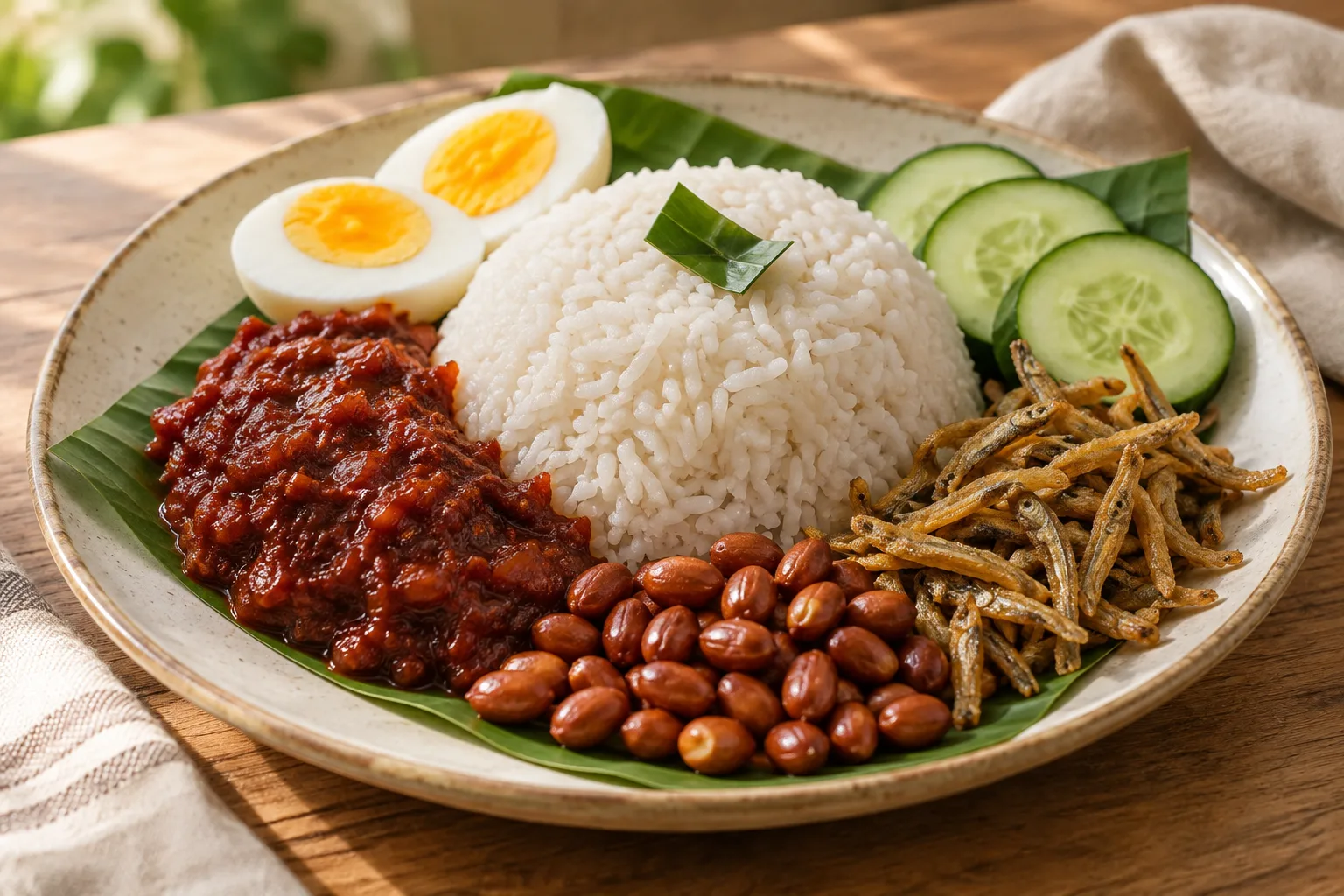
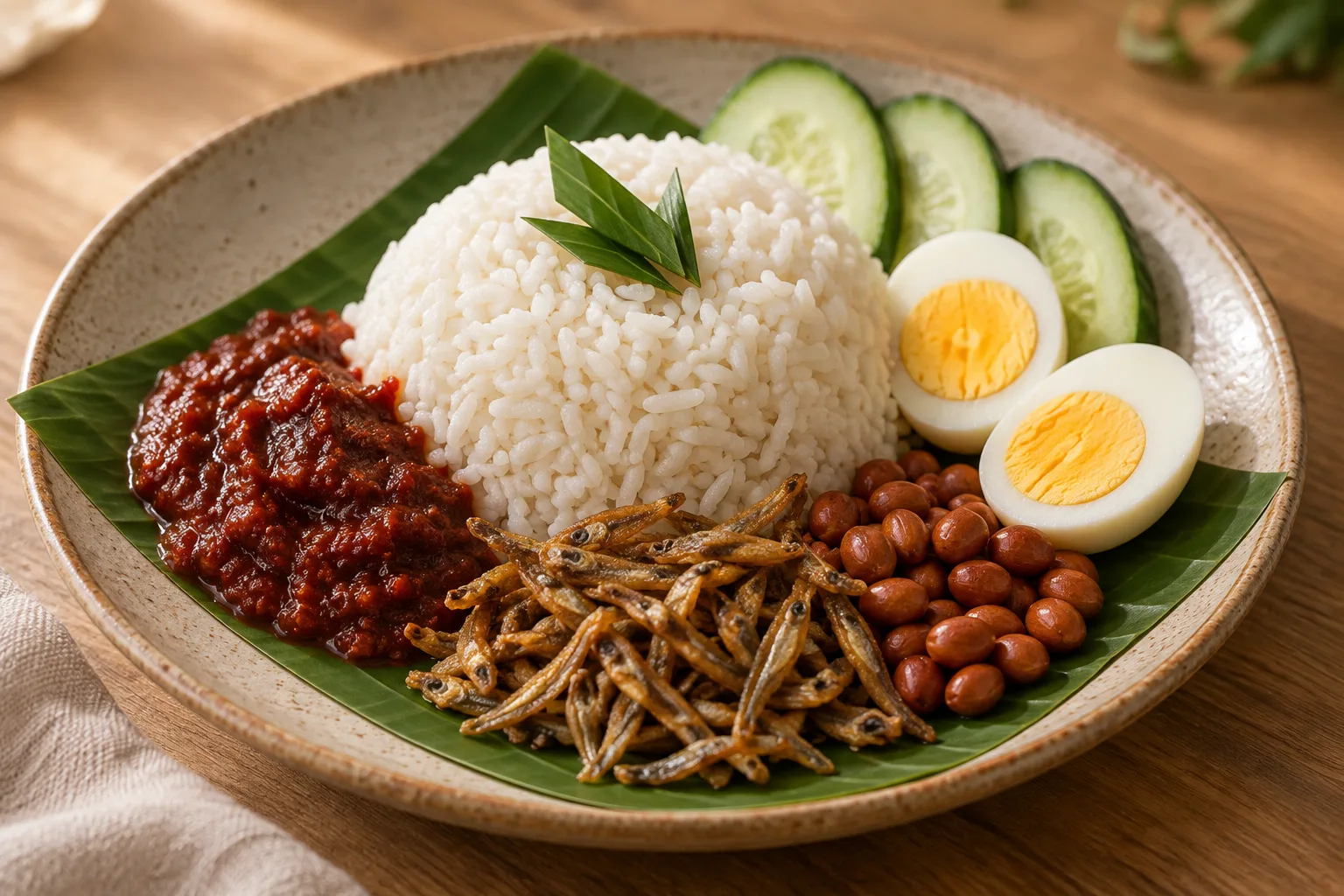
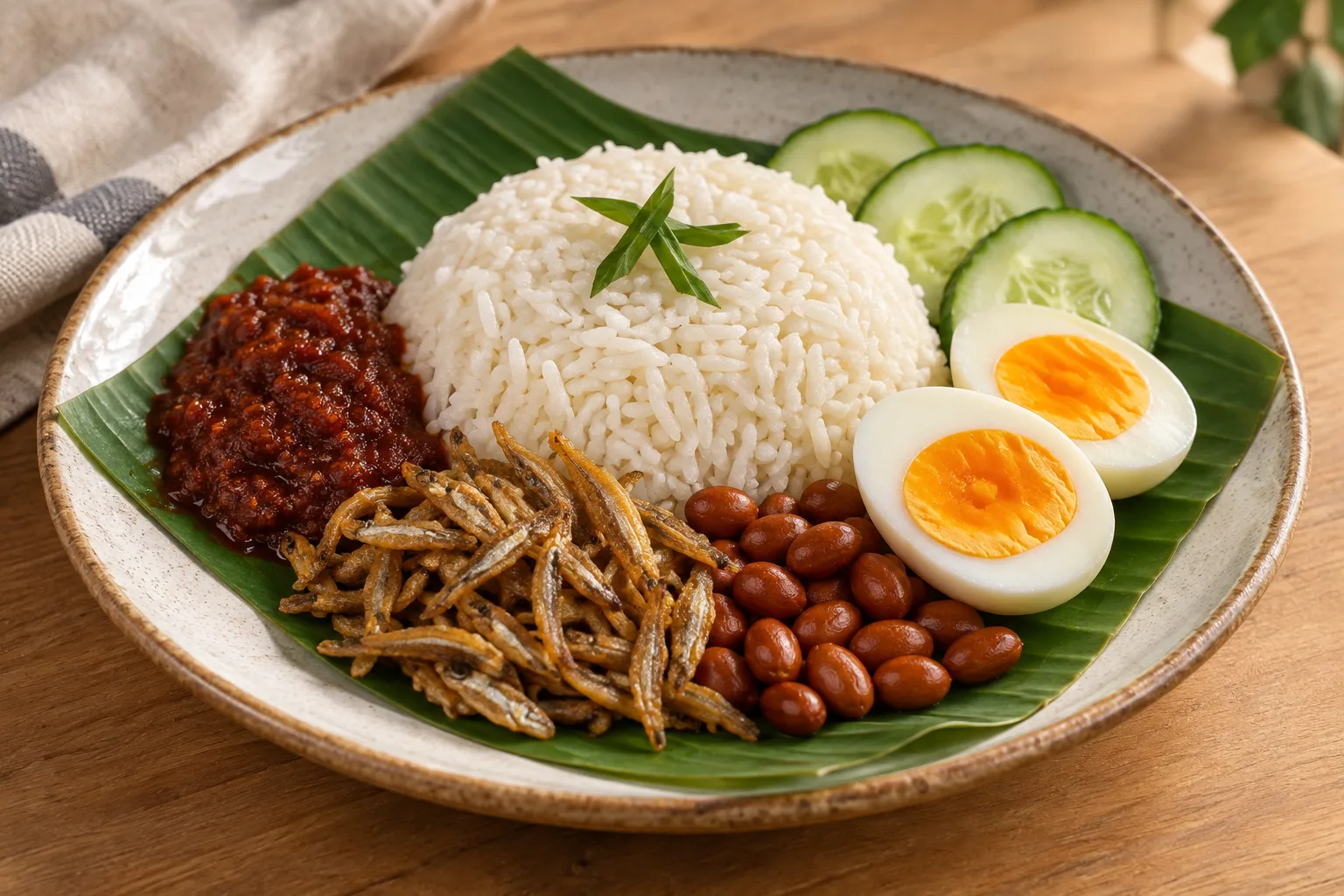
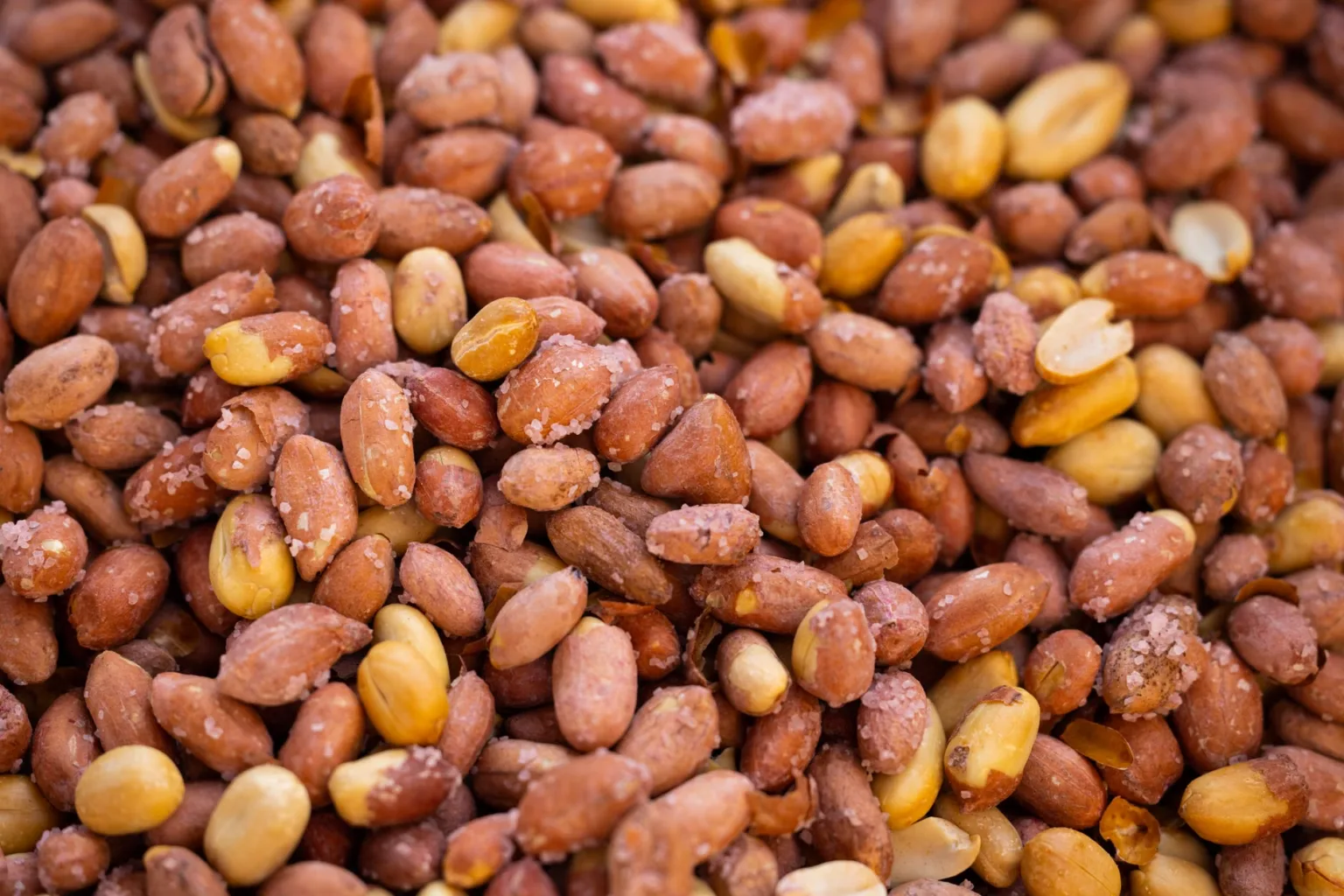
Toasted peanuts are peanut kernels that have been roasted. In cooking they are often grouped with nuts, but botanically peanuts belong to the legume family. Roasted kernels can be added directly to dishes or eaten as a snack; depending on the product, they may be sold whole or chopped, salted or unsalted. They are not the same as peanut butter or peanut paste, which are made by grinding peanuts, or peanut flour, a milled, defatted product. Choosing the right form matters because each contributes a different texture to a recipe.
When to use it
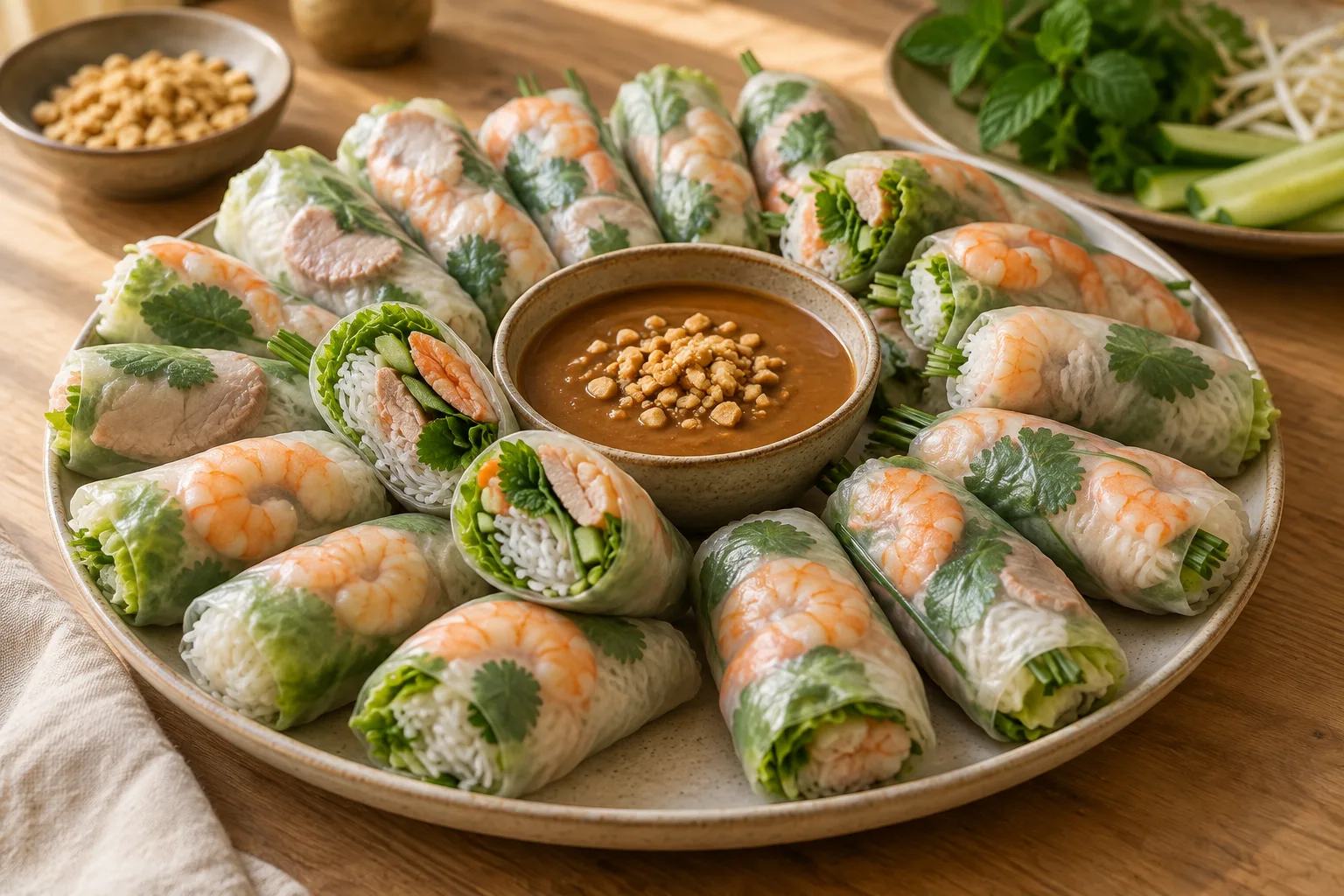
Use toasted peanuts when a dish needs a crunchy contrast or a recognizable roasted flavor. Whole or chopped peanuts make a useful finishing touch for salads, rice and noodles, while crushed or ground peanuts can be worked into sauces and dressings. They can also be added to cookies and cakes. Choose the form for the texture you want: pieces retain their bite, while ground peanuts disperse more evenly. If a recipe calls for a smooth paste or a defatted flour, use that specific product rather than assuming whole peanuts will behave the same way.
How to use it
First check whether the peanuts are salted, then adjust any added salt in the recipe. For a crunchy topping, chop them with a knife and scatter over salads, rice or noodles shortly before serving. For sauces and dressings, crush or grind the peanuts and mix them in gradually, checking the consistency as you go. In baking, add chopped peanuts to cookie or cake mixtures. For a smooth, even texture, use peanut butter or peanut paste; for a milled, defatted ingredient, consider peanut flour. Do not automatically swap one form for another: whole, ground and paste forms do not give the same texture.
Flavour and texture
Toasted peanuts have a characteristic roasted flavor and are generally firm and crunchy. Chopped pieces provide a distinct bite, while ground peanuts blend more evenly into a mixture. Products can differ in salt content, kernel size and degree of toasting, so taste them and check the label before adjusting a recipe. These ordinary product variations affect how you use them, but do not make the different forms interchangeable.
How to choose it
Choose a format that suits the recipe: whole or chopped peanuts for texture, and peanut paste or flour for recipes that need those forms. Check the ingredient list and label to see whether salt or other ingredients have been added. If buying in bulk, ask for allergen information. Do not select a product for someone with a peanut allergy unless you can confirm that it is suitable for them.
Storage
Keep toasted peanuts in a tightly closed container in a cool, dry place, and follow any storage directions on the package. Avoid damp conditions and heat, which can affect flavor. For an opened product, check that its smell and appearance remain usual; do not eat it if you notice signs of deterioration. There is no single storage period that applies to every product because packaging and manufacturer directions vary.
Substitutions
For a different texture, peanut butter or toasted peanut paste can replace whole peanuts in a sauce, while toasted peanut flour may work where a milled, defatted ingredient is suitable. They are not exact substitutes: paste gives a smooth consistency, and flour changes the proportion of dry ingredients. These are still peanut products, so they are not alternatives for anyone avoiding peanuts because of an allergy.
Common mistakes
Do not assume all toasted peanuts are unsalted; check the package before seasoning. Do not confuse whole peanuts with peanut paste or flour, since each gives a different texture. A crucial mistake is offering another peanut format as a safe substitute to someone with a peanut allergy; changing the form does not remove the allergen.
Safety and allergens
Peanuts can cause allergic reactions. Check the label and do not serve this ingredient to someone with a peanut allergy. If you are unsure about a product or possible cross-contact, ask the manufacturer and follow the advice of the person's healthcare professional.
Culinary uses
- Aportar textura crujiente a platos salados y dulces
- Añadir sabor tostado a salsas, aderezos y preparaciones de repostería
Recommended techniques
- Picar o triturar para añadir como acabado o ingrediente
- Moler para incorporar a salsas, aderezos y mezclas
Pairs well with
- Arroz y noodles
- Salsas y aderezos
- Ensaladas
- Galletas y bizcochos
Frequently asked questions
Are peanuts tree nuts?
They are often grouped with nuts in cooking, but botanically peanuts are legumes in the Fabaceae family.
How can I use toasted peanuts in a sauce?
Crush or grind them and mix them into the sauce. For a smooth texture, use peanut butter or peanut paste.
Are toasted peanuts safe for someone with a peanut allergy?
No. Toasting does not remove the peanut ingredient or make it safe for someone allergic to peanuts.
Sources and review
Automatically researched, cross-checked and validated content. Sources consulted:
- Client Challenge doi.org
- Usos del cacahuete en la cocina y en la industria | Itac Professional itac-professional.com
- Agencia Española de Seguridad Alimentaria y Nutrición aesan.gob.es
- Dictionary of Health Related Terms: English – Spanish hia.berkeley.edu
- Supervivencia Básica: Alimentos | Servicio de Extensión de OSU extension.oregonstate.edu
- Glimpses of an 18th century Colonial Kitchen in Manila archium.ateneo.edu
- Lesson 4A – Semillas: Elementary Spanish I pressbooks.uiowa.edu
- Healthy Eating Plan for Weight Management med.uc.edu
- Roasted Peanut Flavor - CAES Field Report fieldreport.caes.uga.edu
- Historia Vivienda : The Reilly Center for the Arts and Symbolism of the Ancient Americas : Texas State University txst.edu
- Cacahuetes: qué son, origen, propiedades nutricionales y usos en la cocina abc.es
- Cacahuete: Descubre todos sus secretos | Just Spices | JUST SPICES ® justspices.es
- Cacahuete: qué es, propiedades y usos culinarios bonviveur.com
- Cacahuete: propiedeades y beneficios del falso fruto seco que también sirve para cocinar lavanguardia.com