- Category
- Grains, flour and pasta
- State
- Dry
- Usual unit
- g
What it is
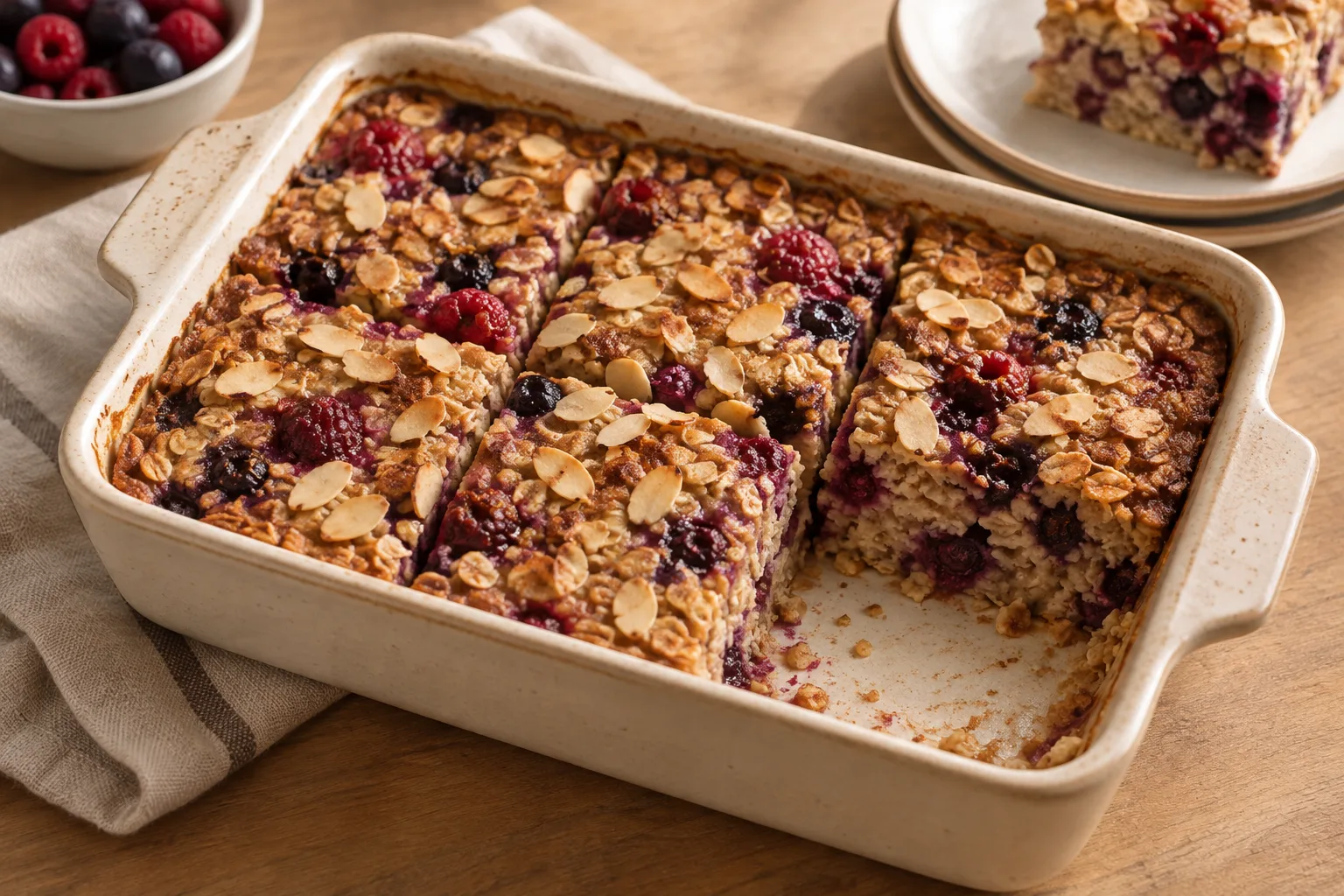
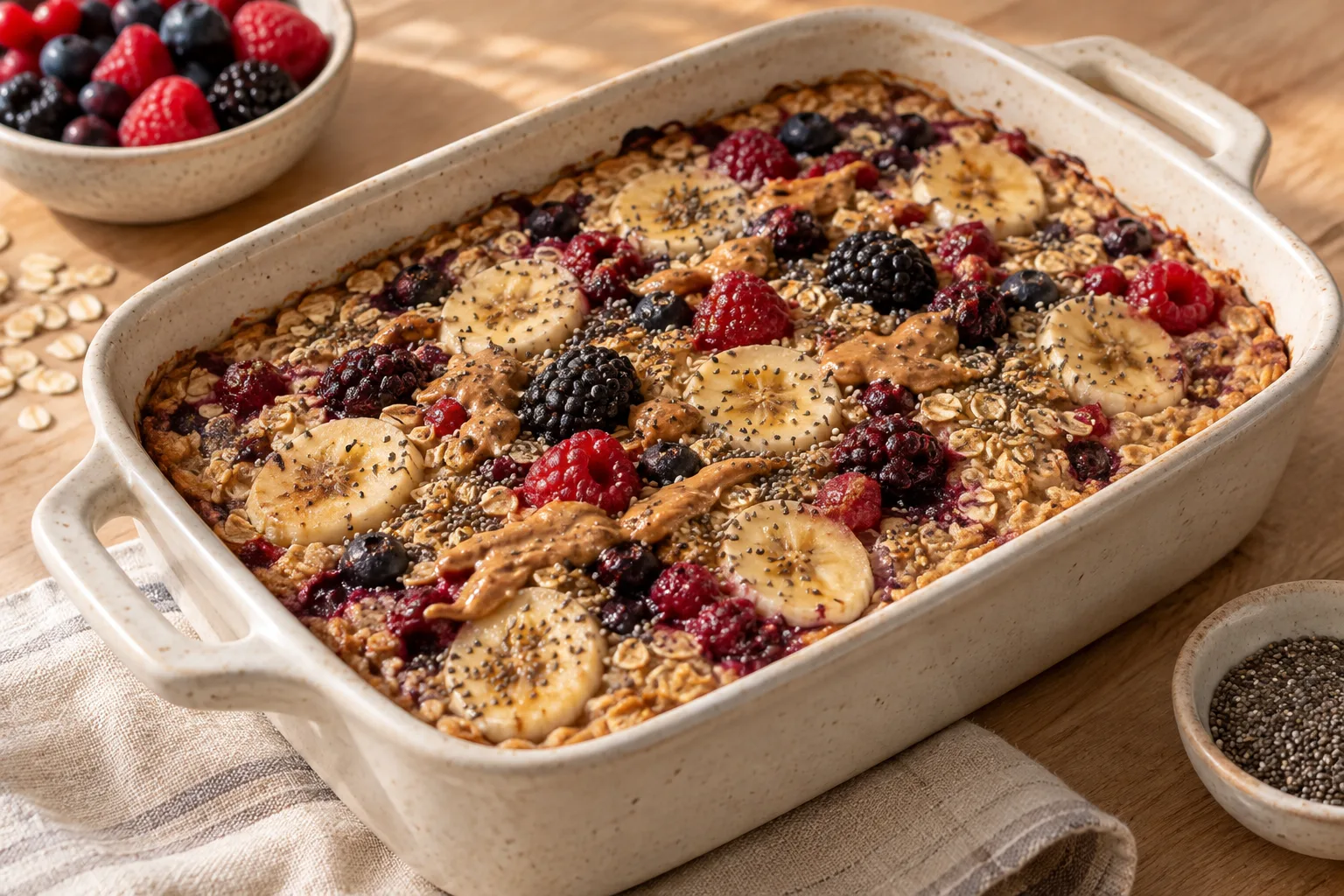
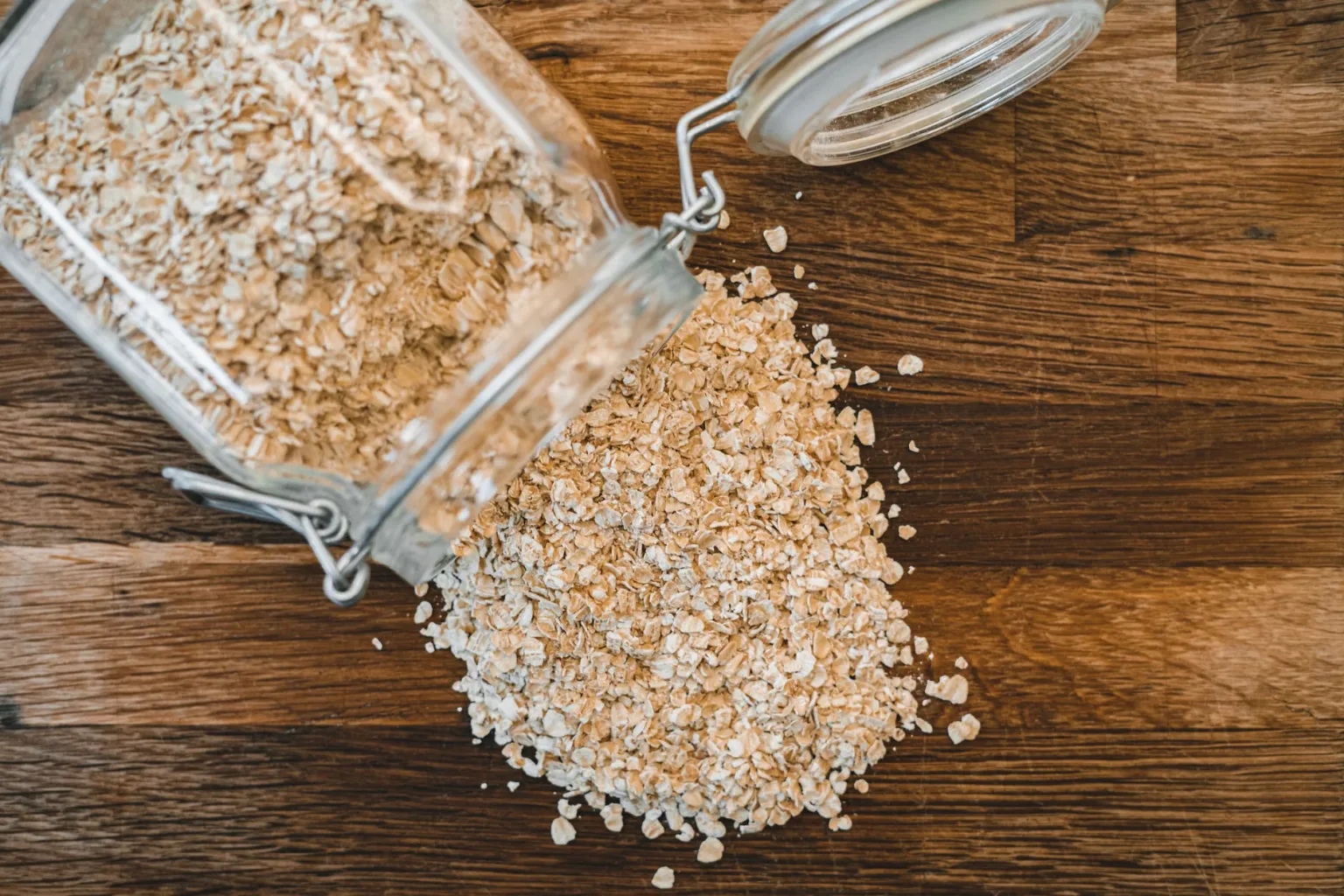
Traditional rolled oats are oat grains that have been flattened into flakes; some products are heat-treated before rolling. They are sold dry, and flake thickness varies, affecting how quickly they hydrate and the texture they give a dish. Rolled oats are not the same product as oat bran, which is an outer part of the grain, or oat flour, which is ground. They work in breakfast dishes as well as sweet and savory recipes. Oats are listed among cereals containing gluten, so do not assume that an oat product is suitable for a gluten-free diet: check the particular package and its labeling.
When to use it
Use rolled oats when you want a cereal ingredient that absorbs liquid and softens during cooking, such as in porridge. They can also be added to muesli, cookies, breads, bars and some vegetable-burger mixtures. Flake thickness matters: finer flakes tend to blend in sooner, while thicker flakes retain more texture. Choose another form of oats if you specifically need flour, bran or a quicker-cooking product. When cooking for someone avoiding gluten, check the product information rather than relying on the ingredient name alone.
How to use it
For porridge, cook the oats in water, milk or a combination, stirring until the consistency suits you; serve with fruit, seeds, nuts or spices. For muesli, combine them with milk or yogurt and other ingredients. Add rolled oats to cookie or bread mixtures when the recipe is designed for flakes, or scatter them over a dish as a crisp topping. They can also be mixed with moist ingredients in plant-based preparations such as burgers, where they help provide body. Do not automatically swap rolled oats for flour, bran or instant oats: they absorb liquid differently and change the texture. Follow the recipe for quantities and cooking, since one timing does not fit every flake size and preparation.
Flavour and texture
Their flavor is mild and grain-like, with a toasted note in some products. Dry flakes are flat and firm; once hydrated, they soften and can make a creamy dish, while thicker flakes generally retain more bite. The result depends on flake thickness and on how the oats are cooked or incorporated.
How to choose it
Check that the product is flakes rather than bran or flour, and read the label for ingredients and allergen information. Thickness can affect both texture and hydration, so choose with your intended recipe in mind. If you need to avoid gluten, look for a suitable statement on the package rather than assuming every oat product is appropriate.
Storage
Store the oats in an airtight container in the refrigerator, following the available culinary source. Keep them dry and check the package for any product-specific directions. Do not use oats that show signs of moisture; the available source advises discarding oat products with moisture. The evidence here does not support a specific storage-life estimate.
Substitutions
Fine or instant oats may replace traditional rolled oats in some recipes, but hydrate differently and may produce a less distinct texture. Oat flour is better suited to mixtures that call for flour; it is not an equivalent stand-in for whole flakes. Bran is also an oat product, but it is different and changes texture, so adapt the recipe instead of assuming a one-to-one swap.
Common mistakes
Confusing flakes with bran or flour can change a recipe's structure. Another mistake is assuming every flake size cooks or hydrates in the same way; thinner flakes generally rehydrate sooner. Do not set liquid amounts or cooking time without considering the product and recipe. Also, do not assume oats are suitable for a gluten-free diet without checking the label.
Safety and allergens
Oats are listed among cereals containing gluten. If you have coeliac disease or need to avoid gluten, check the product's specific declaration and ask a healthcare professional if you are unsure whether it is suitable. Check the label for other ingredients and allergen statements as well.
Culinary uses
- Base para gachas y porridge
- Ingrediente de repostería, panes y mezclas crujientes
Recommended techniques
- Cocer en agua o leche hasta lograr una consistencia cremosa
- Mezclar en masas de galletas, panes y hamburguesas vegetales
Pairs well with
- Leche o bebidas vegetales
- Fruta fresca o seca, frutos secos y semillas
- Canela y otras especias
Frequently asked questions
Do traditional rolled oats contain gluten?
Oats are included among cereals containing gluten. If you need to avoid gluten, check the package for a specific declaration rather than assuming every oat product is suitable.
How are rolled oats different from oat bran?
Rolled oats are made by flattening oat grain; bran is the grain's outer layer. They are different products and do not give the same texture in a recipe.
How can I serve rolled oats?
Cook them in water or milk for porridge, combine them with milk or yogurt for muesli, or use them in cookie, bread and other recipes.
Estimated nutrition
- Fat
- 6.67 g
- Saturates
- 0 g
- Carbohydrate
- 66.7 g
- Sugars
- 0 g
- Fibre
- 8.9 g
- Protein
- 13.3 g
- Salt
- 0 g
Sources and review
Automatically researched, cross-checked and validated content. Sources consulted:
- ¿Por qué la muerte es origen de miedos y tabúes? doi.org
- II (Comunicaciones) COMUNICACIONES PROCEDENTES DE LAS INSTITUCIONES, ÓRGANOS aesan.gob.es
- Los alimentos envasados deben indicar la presencia de alérgenos e intolerancias eletiquetadocuentamucho.aesan.gob.es
- Avena, tipos y beneficios del cereal saludable para tu cocina hogarmania.com
- Tipos de avena: ¿qué usos tiene cada uno de ellos? -canalHOGAR hogar.mapfre.es
- Copos de avena: 5 formas deliciosas de disfrutar en tu desayuno distribucionesballester.es
- ¿Pará que sirven los Copos de Avena? Beneficios y propiedades | NutriTienda - Tu mejor versión blog.nutritienda.com
- La tienda de Era · Harinas, pasta y cereales · ERA delaera.es
- 5 recetas con copos de avena que debes conocer cuerpomente.com
- Copos de avena - Wikipedia, la enciclopedia libre es.wikipedia.org
- 399 recetas muy ricas de avena tradicional compartidas por cocineros caseros- Cookpad cookpad.com
- Cómo hacer el mejor porridge de avena - Blog Conasi conasi.eu
- Copo de avena - Gastronomía Vasca: Escuela de Hostelería Leioa gastronomiavasca.net
- La técnica británica para hacer unas gachas de avena para el desayuno mil veces mejores directoalpaladar.com
- Copos de avena tradicionales | Noalles y Balanzá noalles.es
- copos de avena: las mejores recetas caseras. - De rechupete abc.es