- Category
- Baking
- State
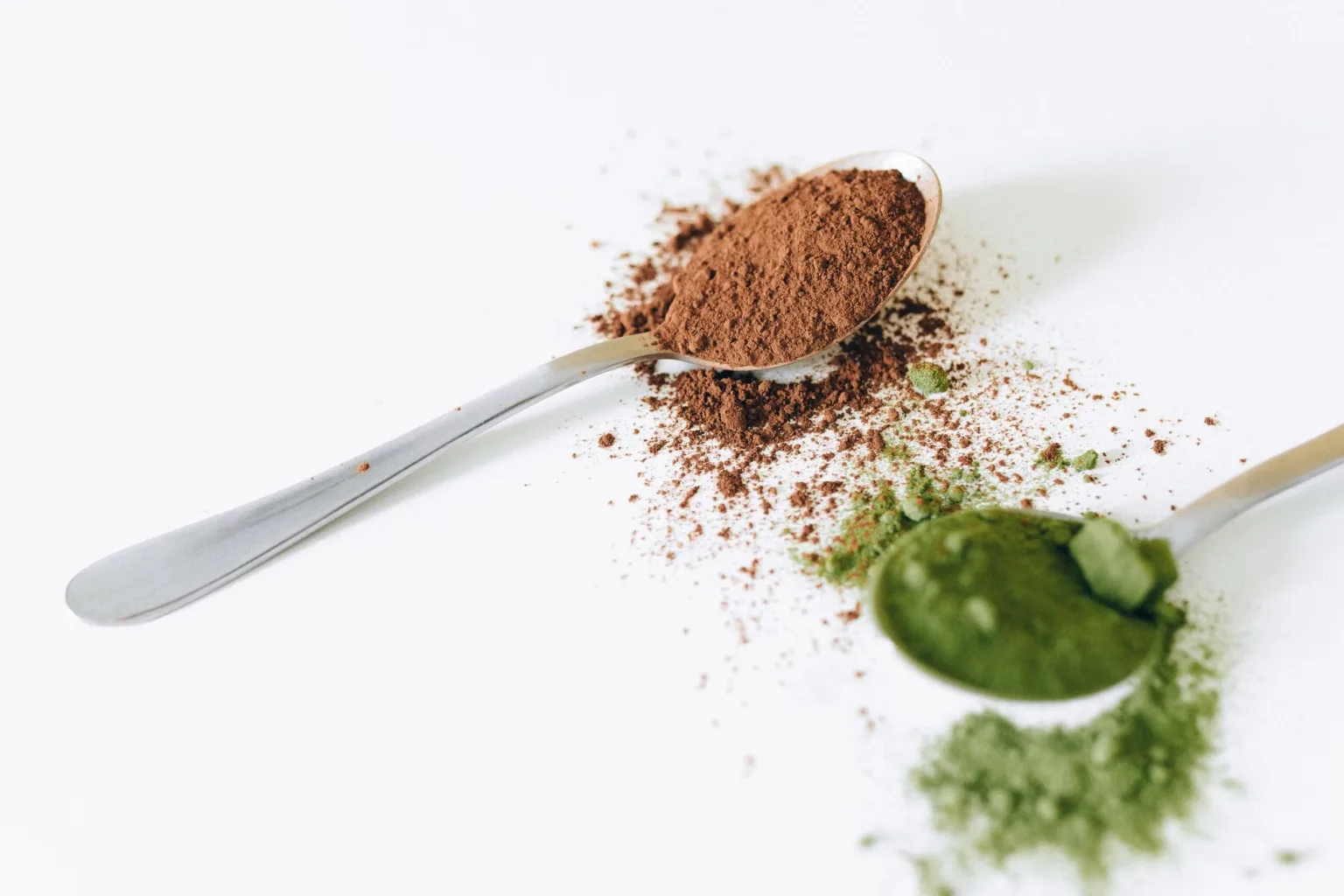
- Powdered
- Usual unit
- cucharada
What it is
Unsweetened cocoa powder is cocoa in powdered form with no added sugar, as indicated by the product. It is an ingredient, not an automatic equivalent for an instant cocoa drink mix, which may contain sugar or other ingredients. Cocoa powder is also sold in natural and alkali-treated forms, often called alkalized or Dutch-process cocoa. These types can differ in acidity, flavor, color and performance in a recipe. Check which type a recipe calls for, especially when it contains baking soda or baking powder.
When to use it
Use it when you want a pronounced cocoa flavor without adding the sweetness of a prepared drink mix. It works in brownie, cake and cookie batters, and in drinks made with milk or water. If a recipe specifies natural or alkalized cocoa, follow that instruction where possible, particularly if it includes baking soda or baking powder. For a drink, mix the powder first and then sweeten to taste if desired; unsweetened cocoa does not provide the sweetness of a cocoa drink mix.
How to use it
Check the recipe and package before measuring: confirm that the product is unsweetened cocoa and see whether natural or alkalized cocoa is specified. Add it to the recipe mixture for brownies, cakes or cookies. In batters with raising agents, avoid changing the cocoa type without considering the original instruction, because acidity can differ. For a drink, mix the powder with milk or water and add a sweetener if you like. Do not replace it with an instant cocoa mix without adjusting the recipe: that mix may contain sugar or other ingredients and can change the sweetness and composition.
Flavour and texture
Its characteristic cocoa flavor is concentrated and can taste bitter when sampled without sweetener. Natural and alkalized cocoa differ: alkalizing reduces acidity and generally produces a milder flavor and a different color. As a powder, it is dry and fine; what it contributes to a drink or batter depends on the preparation and the cocoa type.
How to choose it
Read the ingredient list and choose a product identified as unsweetened cocoa, rather than an instant cocoa drink mix. If a recipe asks for natural or alkalized cocoa, check whether the package identifies the type; color alone is not a reliable way to establish how it was processed. The product name and ingredient list help distinguish cocoa powder from mixes containing sugar, starches or other ingredients.
Storage
Follow the package storage directions, since requirements can vary by product. After opening, close the container securely and keep it in a dry place to limit moisture and clumping. Also observe the date and any special storage or use directions on the label.
Substitutions
Natural and alkalized cocoa are not always interchangeable in recipes with raising agents because their acidity differs. In a recipe without raising agents, the choice may depend on the flavor and color you want. Dark chocolate can work in some preparations, but it is not a like-for-like powder substitute and requires adjustments to fat and sugar.
Common mistakes
Confusing unsweetened cocoa with a sweetened drink mix can add sugar and other ingredients that the recipe does not account for. Another mistake is switching between natural and alkalized cocoa without considering the recipe's raising agents. Do not assume every cocoa powder behaves identically: check the label and follow the recipe's specification.
Safety and allergens
The supplied sources do not identify a specific safety warning for this ingredient. Check the product label for ingredients, declared allergens and storage or use directions; when cooking for someone with allergies, verify the package information.
Culinary uses
- Aporta sabor intenso a cacao a masas y postres.
- Sirve de base o complemento para bebidas de cacao.
Recommended techniques
- Incorporar a mezclas para bizcochos, brownies y galletas.
- Mezclar con leche o agua para preparar bebidas; ajustar el dulzor al gusto.
Pairs well with
- Leche o agua
- Café
- Canela o vainilla
Frequently asked questions
Is unsweetened cocoa powder the same as instant cocoa mix?
Not necessarily. Unsweetened cocoa is an ingredient; drink mixes may contain sugar or other components. Check the ingredient list.
Can I swap natural cocoa for alkalized cocoa?
Not in every recipe, especially one containing baking soda or baking powder. Follow the specified type when the recipe names one.
How should I store it after opening?
Follow the package directions, close the container securely and keep it dry to help prevent moisture-related clumping.
Estimated nutrition
- Fat
- 10 g
- Saturates
- 0 g
- Carbohydrate
- 60 g
- Sugars
- 0 g
- Fibre
- 20 g
- Protein
- 20 g
- Salt
- 0 g
Sources and review
Automatically researched, cross-checked and validated content. Sources consulted:
- En el etiquetado alimentario hay algunas menciones que son obligatorias eletiquetadocuentamucho.aesan.gob.es
- Romanica Olomucensia : «¿Qué pinga es esto?». Usos disfemísticos en el español de Cuba doi.org
- Gastronomía de México - Wikipedia, la enciclopedia libre es.wikipedia.org
- Aesan - Agencia Española de Seguridad Alimentaria y Nutrición aesan.gob.es
- Cacao Amargo 100% en Polvo Sin Azúcar BIO - GRANEL laesquinadelgranel.es
- Cacao: qué es, tipos y beneficios bonviveur.com
- No todos los cacaos en polvo son iguales: cuántos tipos hay, en qué se diferencian y cómo usarlos en nuestras recetas directoalpaladar.com
- IMPRESCINDIBLES X (CACAO EN POLVO) - El Rincón de Bea elrincondebea.com
- ¿Qué diferencias tienen el cacao amargo y el cacao clásico de chocolatada? diariouno.com.ar
- Componentes del cacao puro: qué contiene y por qué su sabor es amargo — Disfruto Perú mieldisfruto.com
- Venta de cacao en polvo: descubre sus beneficios y aplicaciones en repostería - Tepco Food tepcofood.com
- Los Mejores Cacaos en Polvo Puro: Análisis y Comparativa de Opciones Veganas para Potenciar tus Recetas bioloco.es
- Chocolate Amargo Sin Azúcar: Todo El Sabor Sin Azúcar chocolateslasuperlativa.es
- Cacao puro: beneficios, formatos y cómo tomarlo comocomofoods.com
- Sustituto del cacao en polvo - ¿Qué métodos puedo utilizar? hz-focus.com
- Cómo Hacer Chocolate Amargo A Partir De Cacao En Polvo | ADN Chocolate adnchocolate.com.ar
- Cacao en polvo y chocolate: guía de cocina | Makeina makeina.co