- Category
- Baking
- State
- Powdered
- Usual unit
- tablespoon
What it is
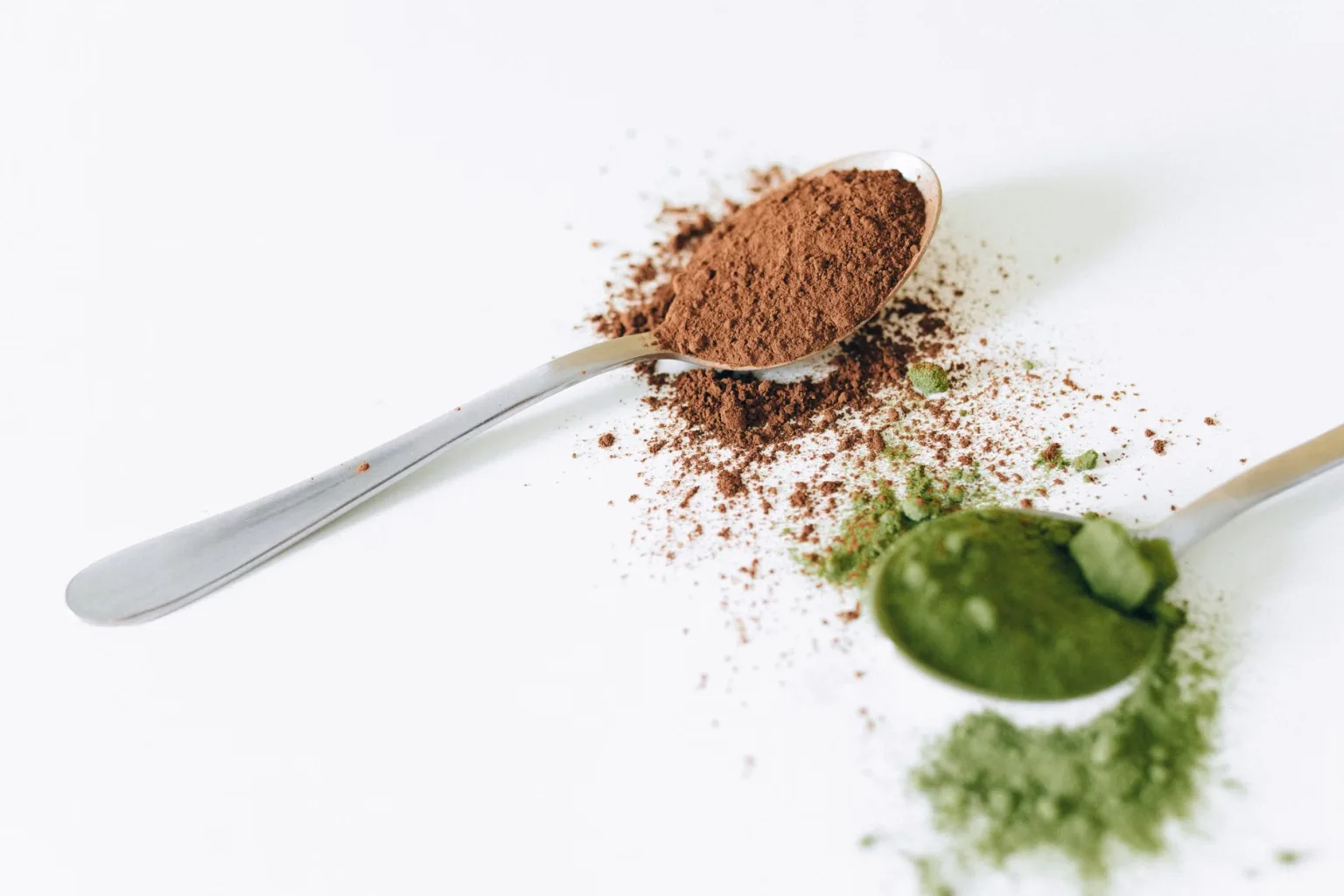
Unsweetened cocoa powder is ground cocoa without added sugar, unlike instant chocolate-drink mixes, which may contain sugar or other ingredients. Cocoa powder is made by processing cacao and grinding the remaining solid material. It is sold in natural, non-alkalized form and in alkalized, Dutch-process form. These types differ in acidity, color, and flavor, so the general term “cocoa powder” does not always tell you which one a recipe calls for. Check the ingredient list and any instructions on the package before using it.
When to use it
Use it when you want cocoa flavor without adding a pre-sweetened drink mix, such as in baked goods, desserts, or a cocoa drink. In baking recipes with baking soda or another leavener, pay attention to the specified cocoa type: natural cocoa is acidic, while Dutch-process cocoa has been treated to reduce its acidity. Do not swap them automatically in a leavened recipe, since the result can change. In preparations without leaveners, choose more by the flavor and color you prefer, while still following the recipe.
How to use it
Read the recipe and package before you begin. Confirm that the product is unsweetened cocoa and, if the recipe uses a leavener, check whether it calls for natural or Dutch-process cocoa. Sift the powder if it is lumpy, then combine it with the dry ingredients when the recipe directs. For a drink, incorporate it into the liquid using the method in the recipe; do not assume every cocoa powder disperses in the same way. Add sweetener only as directed and consider the balance of the finished preparation. Do not replace cocoa powder with a sweetened instant mix without adjusting the recipe, because the mix changes its composition.
Flavour and texture
Unsweetened cocoa has a pronounced cocoa flavor and does not provide the sweetness of a sweetened chocolate-drink mix. Natural cocoa tends to be more acidic and intense; Dutch-process cocoa is generally less acidic, milder, and darker in color. The powder is dry and fine, but can clump if it becomes unevenly moistened. Fat content and product type may also affect how it behaves and tastes in a recipe.
How to choose it
Check the product name and ingredient list, and choose unsweetened cocoa when that is what your recipe needs. Do not confuse cocoa powder with soluble drink mixes that contain sugar or other ingredients. If a recipe specifies natural or Dutch-process cocoa, look for that type; a dark color alone does not identify the treatment. Also check the package for storage and use directions.
Storage
Keep cocoa powder tightly closed in a cool, dry place away from light and strong odors. An airtight container helps limit exposure to air and prevents the powder from absorbing nearby aromas. After opening, reseal the package carefully and follow its date and storage directions. If the product develops an unusual appearance or smell, do not use it.
Substitutions
Natural and Dutch-process cocoa can be exchanged in some preparations without leaveners, but they are not an automatic swap in recipes using baking soda or another leavener. Unsweetened baking chocolate may be an option in a tested formula, but it contains fat and requires recipe adjustments; it is not a direct spoon-for-spoon substitute.
Common mistakes
A common mistake is using a sweetened instant drink mix as though it were unsweetened cocoa: its ingredients can change a recipe’s sweetness and structure. Also avoid switching natural and Dutch-process cocoa without considering the specified leavener. Color alone is not a reliable way to identify the type.
Safety and allergens
Check the package for ingredients, declared allergens, date, and storage directions. Products can vary by brand and formulation; if you have an allergy or intolerance, do not assume a product is free from traces just because it is called unsweetened cocoa.
Culinary uses
- Aporta sabor y color a masas y postres de chocolate
- Da un acabado de cacao a bebidas y postres
Recommended techniques
- Tamizar para ayudar a repartir el polvo en una mezcla
- Mezclar con los ingredientes secos o dispersar en un líquido según la receta
Pairs well with
- Azúcar u otros endulzantes, si la receta los requiere
- Leche u otros líquidos para preparar bebidas
- Masa de repostería y otros ingredientes de chocolate
Frequently asked questions
Is unsweetened cocoa powder the same as a chocolate-drink mix?
Not necessarily. Unsweetened cocoa powder has no added sugar, while a drink mix may contain sugar or other ingredients. Check the ingredient list.
Can I swap natural cocoa for Dutch-process cocoa?
It depends on the recipe. The difference can matter when baking soda or another leavener is used, so follow the specified type rather than swapping automatically.
How should I store cocoa powder?
Keep it tightly closed in a cool, dry place away from light and strong odors, and follow the package directions.
Estimated nutrition
- Fat
- 10 g
- Saturates
- 0 g
- Carbohydrate
- 60 g
- Sugars
- 0 g
- Fibre
- 20 g
- Protein
- 20 g
- Salt
- 0 g
Sources and review
Automatically researched, cross-checked and validated content. Sources consulted:
- En el etiquetado alimentario hay algunas menciones que son obligatorias eletiquetadocuentamucho.aesan.gob.es
- Romanica Olomucensia : «¿Qué pinga es esto?». Usos disfemísticos en el español de Cuba doi.org
- Aesan - Agencia Española de Seguridad Alimentaria y Nutrición aesan.gob.es
- Cacao Amargo 100% en Polvo Sin Azúcar BIO - GRANEL laesquinadelgranel.es
- Cacao: qué es, tipos y beneficios bonviveur.com
- No todos los cacaos en polvo son iguales: cuántos tipos hay, en qué se diferencian y cómo usarlos en nuestras recetas directoalpaladar.com
- IMPRESCINDIBLES X (CACAO EN POLVO) - El Rincón de Bea elrincondebea.com
- ¿Qué diferencias tienen el cacao amargo y el cacao clásico de chocolatada? diariouno.com.ar
- Los Mejores Cacaos en Polvo Puro: Análisis y Comparativa de Opciones Veganas para Potenciar tus Recetas bioloco.es
- 1 FN198 (Revisado) HHS-784-S-W Health and Human Sciences extension.purdue.edu
- Chocolate – Shelf Life, Storage, and Bloom • AnswerLine • Iowa State University Extension and Outreach blogs.extension.iastate.edu
- Cacao en polvo mapa.gob.es
- (DOC) PRODUCCIÓN DE CHOCOLATE AMARGO Y AZUCARADO academia.edu
- HS1057s/HS1505: Cultivando cacao en el jardín de su hogar en Florida ask.ifas.ufl.edu
- A Culture of Cacao and Chocolate | ReVista revista.drclas.harvard.edu
- Dutch Processed Cocoa Powder | Institute of Culinary Education ice.edu
- Theobroma cacao - Wikipedia, la enciclopedia libre es.wikipedia.org