- Category
- Drinks
- State
- Liquid
- Usual unit
- tablespoon
What it is
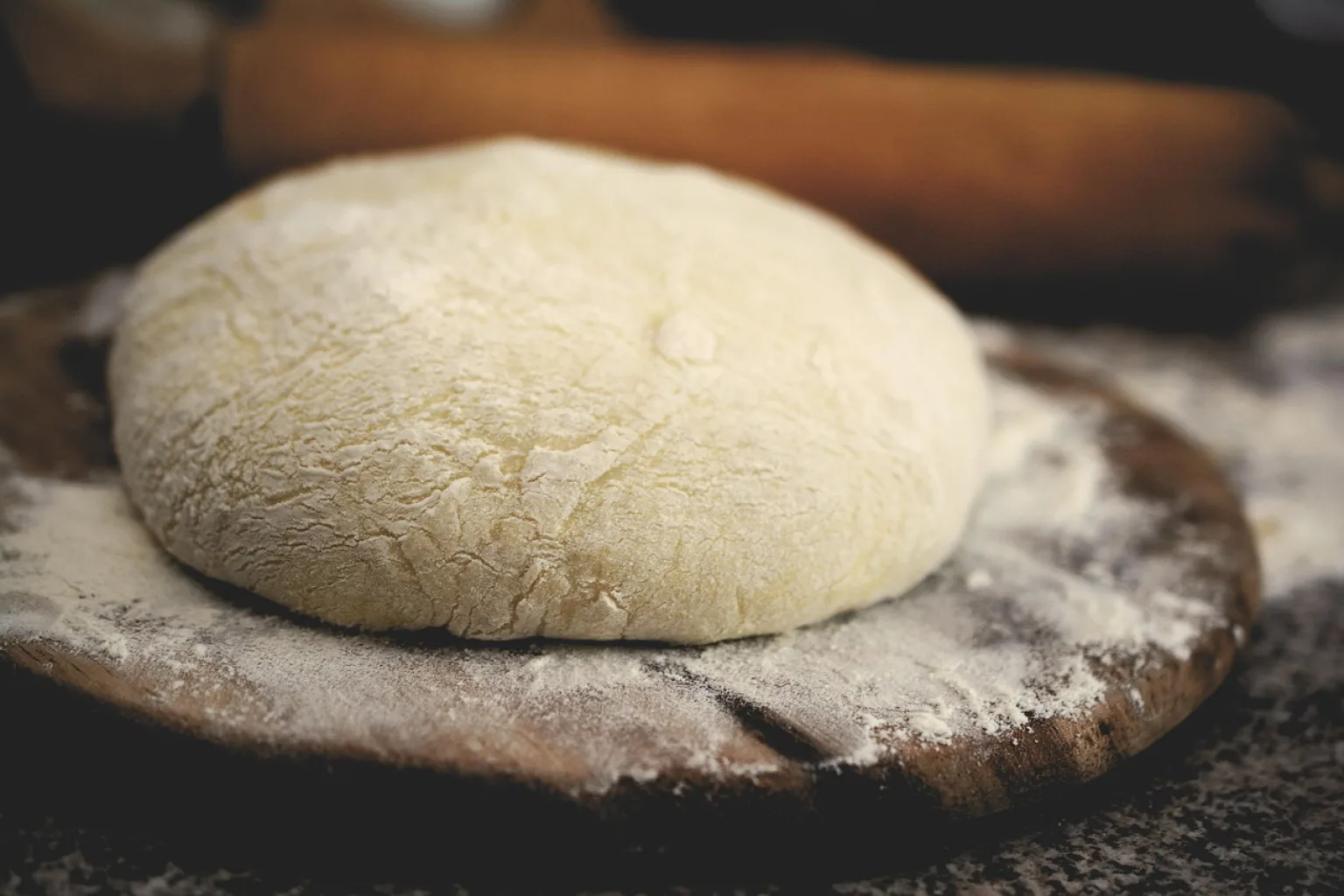
Water for activating yeast is not a special kind of water or a separate ingredient; it is measured water used in a yeast recipe. Some recipes use it to dissolve fresh yeast before mixing the yeast with flour and the other ingredients. For example, Le Cordon Bleu’s tomato flatbread recipe dissolves fresh yeast in water specified at 35°C before adding it to the dough. This step does not necessarily apply to every type of yeast: the available information says dry yeast can be added directly to dough without resting beforehand. First check which yeast the recipe calls for and follow its instructions rather than assuming that yeast always needs to be activated in water.
When to use it
Use water to dissolve fresh yeast when the recipe specifically calls for that step. It is useful as part of a bread or pizza dough formula that combines the liquid with the yeast before mixing. Do not add extra water out of habit: this water counts toward the dough’s total liquid. If a recipe uses dry yeast and instructs you to add it directly, there is no need to prepare activation water in advance. The recipe’s specific directions take precedence over a general rule.
How to use it
Measure the amount stated in the recipe and check whether it also specifies a water temperature. For a recipe using fresh yeast, crumble or add the yeast to the water as directed and stir to disperse it before incorporating it into the mixture. A Le Cordon Bleu recipe dissolves fresh yeast in water at 35°C; that figure belongs to that recipe and is not a universal temperature. Avoid excessively hot water: a culinary source warns that it can impair yeast activity. Add the yeast water at the point and in the order specified, and do not pour in more liquid without adjusting the formula. If the recipe calls for dry yeast to be added directly, follow that method rather than adding an unrequested activation step.
Flavour and texture
Water tastes clean and has a fluid texture; in dough, it contributes hydration rather than a pronounced flavor of its own. The final result depends on the full formula and how its ingredients are mixed. When used to disperse fresh yeast, its practical role is to incorporate it with the recipe’s liquid—not to make the dough rise or turn airy on its own.
How to choose it
For this purpose, ordinary water suitable for the preparation is enough; there is no need to buy a special product called yeast-activating water. The key is to measure the amount the recipe requires and, if specified, adjust the water temperature. Also check which type of yeast you are using: directions for fresh yeast do not automatically apply to dry yeast.
Storage
Water used to activate yeast is measured for a recipe and needs no special storage method as a separate ingredient. Follow the recipe’s directions for using it and avoid preparing more than needed. The available evidence does not specify storage times or temperatures for this water, so do not assign it a shelf life or treat it as a distinct stored product.
Substitutions
Some recipes and yeast-use guides allow milk in place of water, but substitution depends on the formula. Do not change the liquid unless the recipe allows it; milk can change the dough’s composition. If using another liquid already included in the recipe, adjust quantities to preserve the stated total liquid and follow the yeast product’s instructions where relevant.
Common mistakes
A common mistake is assuming that every type of yeast must be activated separately in water. The available information distinguishes fresh yeast, which some recipes dissolve first, from dry yeast, which can be added directly to dough. Also avoid excessively hot water and do not add water without accounting for the recipe’s total liquid.
Safety and allergens
No specific official safety alert for this water is provided. As a practical precaution, follow the recipe and avoid excessively hot water, which can impair yeast.
Culinary uses
- Disolver levadura fresca antes de incorporarla a una masa
- Aportar líquido a masas de pan y pizza
Recommended techniques
- Disolver
- Mezclar en una masa
Pairs well with
- Levadura fresca de panadería
- Harina para pan y masa de pizza
Frequently asked questions
Does yeast always need to be activated in water?
No. Some recipes dissolve fresh yeast in water; dry yeast can be added directly to dough. Follow the recipe and product directions.
Should the water be hot?
It depends on the recipe. A Le Cordon Bleu bread recipe specifies water at 35°C, but that is not a universal rule. Avoid excessively hot water.
Can I use milk instead of water?
Some recipes allow milk as the liquid used with yeast, but it is not an automatic swap. Use it only if the formula permits it and keep the total liquid in line with the recipe.
Sources and review
Automatically researched, cross-checked and validated content. Sources consulted:
- Tipos de levadura, características y usos | IFEMA MADRID ifema.es
- Levadura: qué es, tipos y beneficios bonviveur.com
- Todo sobre la levadura y para que sirven cada una de ellas tahonajardines.com
- The Essential Glossary of Cooking Terms for the Culinary Arts - Escoffier escoffier.edu
- Getting Started - Mexican Cookbooks - LibGuides at University of Texas at San Antonio libguides.utsa.edu
- CERVECERO ESPAÑOL aesan.gob.es
- Quédate en casa y cocina: #LeCordonBleuAtHome (Pan fino de tomate) cordonbleu.edu
- Kimchi casero: guía científica para una fermentación segura | CAES Field Report fieldreport.caes.uga.edu
- Qué es eso llamado epistemología, para qué sirve, por qué es inexcusable para la universidad y para la paz | Reencuentro. Análisis de problemas universitarios doi.org
- MANEJO Y ALTERACIONES DE LA MIEL mapa.gob.es
- Cocinar y Congelar Artículos de la Despensa de Alimentos extension.psu.edu
- This document is discoverable and free to researchers ... ageconsearch.umn.edu
- Aislamiento, identificación y evaluación de dos cepas de ... bdigital.zamorano.edu
- Localización de proteína filamentada en mitocondria en ... upcommons.upc.edu
- Cómo usar correctamente la levadura de panadería directoalpaladar.com
- - YouTube youtube.com