- Category
- Grains, flour and pasta
- State
- Dry
- Usual unit
- cup
What it is
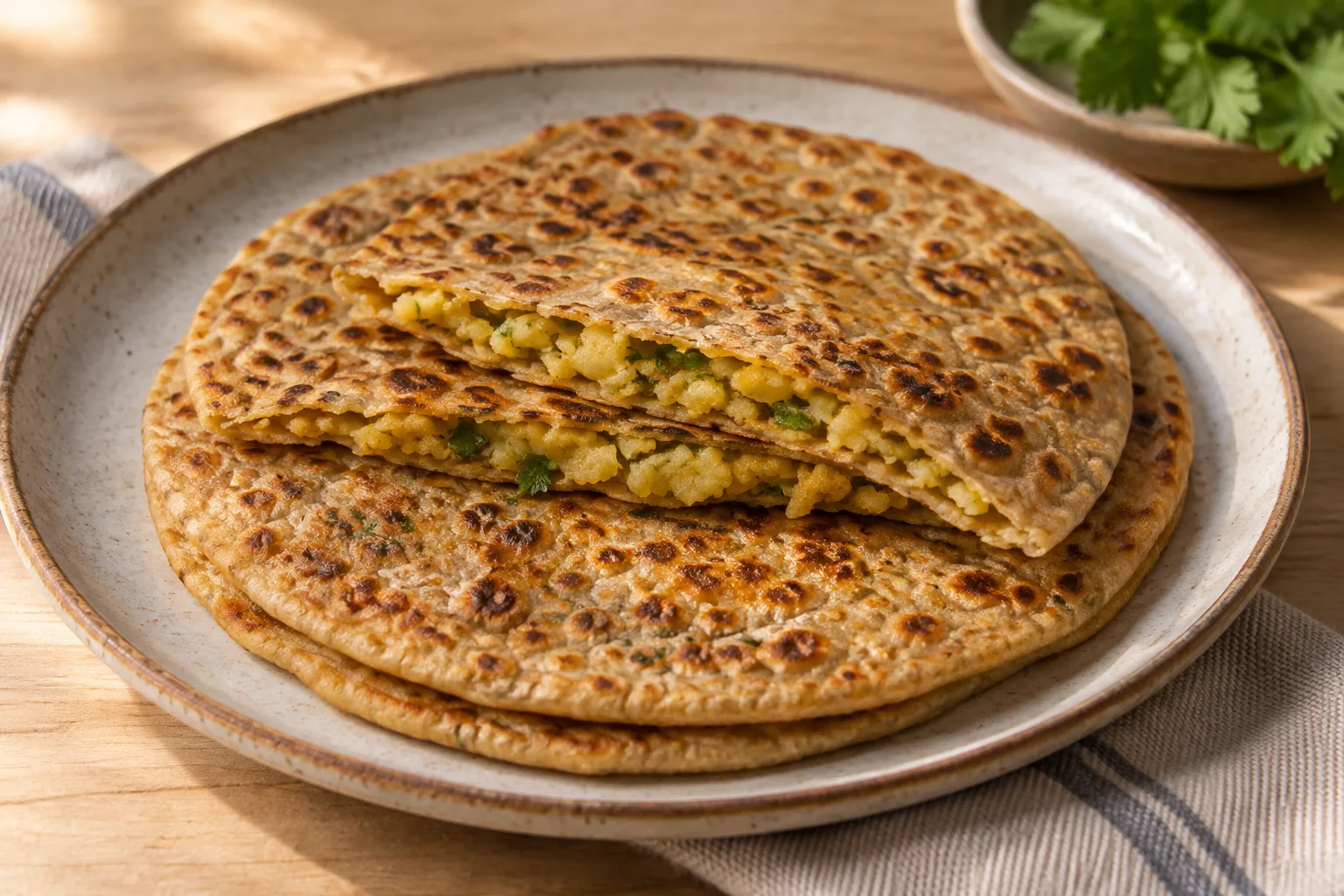
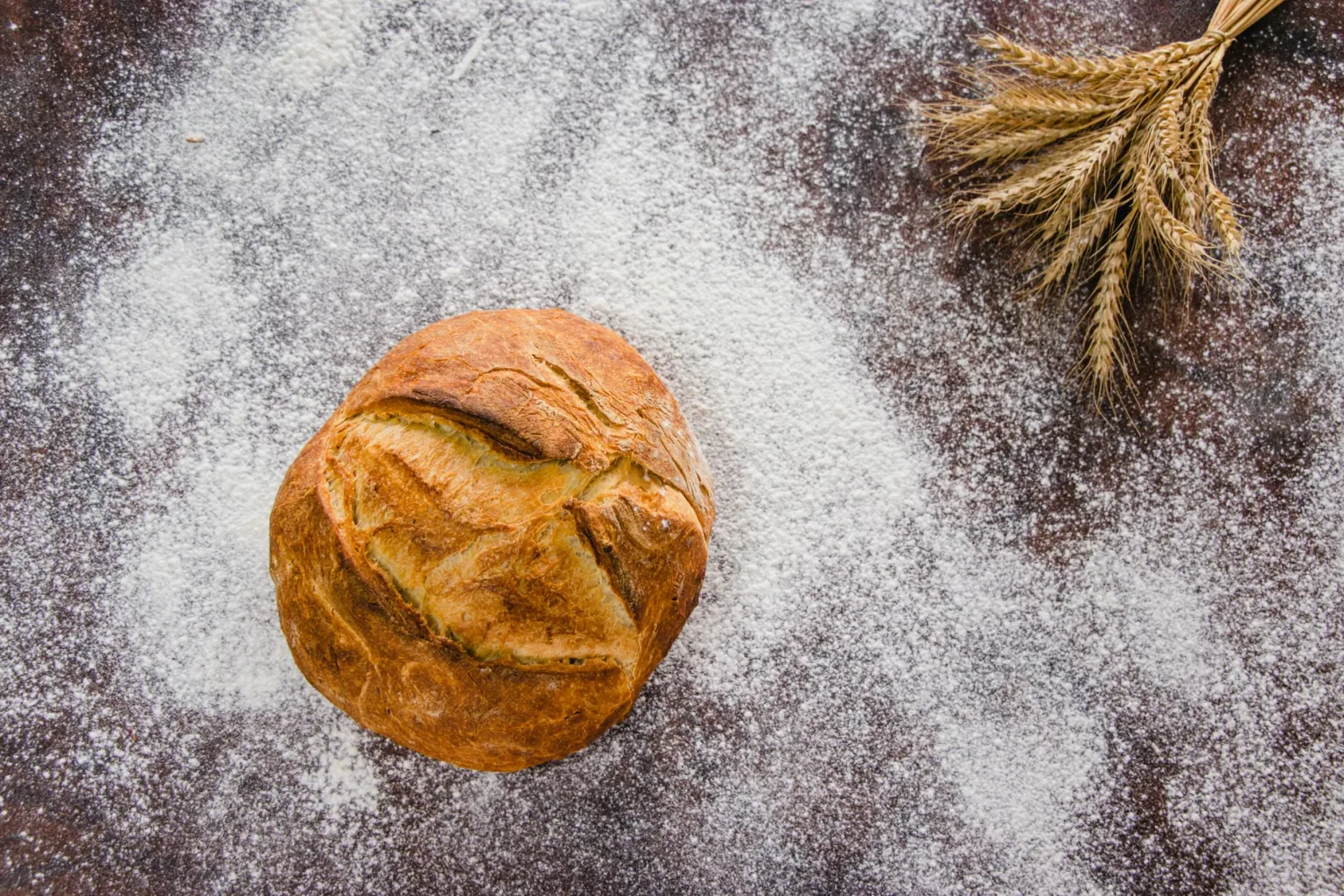
Whole-wheat flour is made by milling the whole wheat grain rather than only its inner portion. Culinary sources describe the whole grain as including the endosperm, bran and germ. Compared with refined white flour, it is generally darker and more coarsely textured, and gives foods a denser texture and more pronounced flavor. It can be used in breadmaking and baking, as well as fresh pasta, coatings and to thicken soups, sauces or stews. The outcome depends on the flour and the recipe; different flours do not behave identically.
When to use it
Choose whole-wheat flour when you want a more pronounced wheat flavor and texture in the finished dish, such as in breads, cookies, cakes, pastries or fresh pasta. It can also be used for coatings and to add body to soups, sauces and stews. In recipes that rely on a very light or elastic dough, bear in mind that whole-wheat flour may produce a denser result than refined flour. The available evidence does not establish a universal flour-swapping rule or adjustment amounts, so follow the recipe and assess the result.
How to use it
Use it in bread, cookie, pastry, cake or fresh-pasta dough according to the recipe; the sources describe these uses but do not give general ratios or kneading times. You can also use it to coat foods, a use described as producing a crisp texture and more pronounced flavor, or to thicken soups, sauces and stews. One savory fritter recipe combines flour with zucchini and corn and suggests whole-wheat or chickpea flour as an alternative to all-purpose flour. Recipes respond differently, so do not assume that the swap will work in every preparation.
Flavour and texture
It is described as darker and more coarsely textured than refined flour, with a more pronounced flavor. In finished dishes it tends to contribute a denser texture and a stronger character. Results vary with the flour and recipe, so it should not be assumed to behave exactly like white flour.
How to choose it
Read the product name and ingredient list to check that the flour is whole wheat. A dark color alone does not prove that the whole grain was milled: refined flour can have bran added back to it. If you want genuine whole-wheat flour, look for a clear statement that it contains the whole grain rather than relying on color alone.
Storage
The available evidence does not specify storage conditions or a shelf life for ordinary whole-wheat flour. It would be misleading to give a particular method or duration without supporting information. Check the package and follow the manufacturer's instructions. Storage guidance for sprouted-grain products should not automatically be applied to ordinary whole-wheat flour.
Substitutions
There is no supported rule for replacing whole-wheat flour with another flour in every recipe. A zucchini-fritter recipe mentions whole-wheat or chickpea flour as an alternative to all-purpose flour. That suggestion is specific to that preparation and does not guarantee the same outcome in bread, baking or pasta. Make a swap only when the recipe allows it.
Common mistakes
Do not treat a dark color as proof that a flour contains the whole grain; refined flour may have bran added. Also, do not assume that any flour can replace whole-wheat flour without changing the texture or result. The sources describe several uses but do not provide a universal substitution ratio.
Safety and allergens
This flour is made from wheat and contains gluten, so the culinary information consulted does not consider it suitable for people with coeliac disease. Check the product label and relevant official alerts; Spain's food-safety agency publishes warnings about risks involving undeclared gluten.
Culinary uses
- Base for breads and doughs
- Ingredient for cookies, cakes, pastries and fresh pasta
- Breading and coating
- Thickener for sauces, soups and stews
Recommended techniques
- Mix into doughs and batters
- Use in breadmaking and pastry
- Coat ingredients for breading
- Whisk into sauces, soups or stews to add body
Pairs well with
- Zucchini and corn in fritters
- Garlic and herbs in savory batters
- Other ingredients used in breads, cookies and fresh pasta
Frequently asked questions
What makes flour whole wheat?
It is milled from the whole wheat grain rather than only the inner portion.
What can I use whole-wheat flour for?
It can be used for breads, cookies, cakes, pastries, fresh pasta, coatings and thickening soups, sauces or stews.
Does whole-wheat flour contain gluten?
Yes. It is wheat flour, and the sources consulted identify it as a flour that contains gluten.
Estimated nutrition
- Fat
- 2.5 g
- Saturates
- 0.43 g
- Carbohydrate
- 72 g
- Sugars
- 0.41 g
- Fibre
- 10.7 g
- Protein
- 13.2 g
- Salt
- 0 g
Sources and review
Automatically researched, cross-checked and validated content. Sources consulted:
- ¿Por qué la muerte es origen de miedos y tabúes? doi.org
- Tipos de harina y su uso en la cocina profesional - EN LA COCINA Magazine enlacocina.telemesa.es
- Tipos de harina, propiedades y usos | Consumer consumer.es
- ¿Qué es la harina integral de trigo? - Monti pmonti.com
- Como Utilizar el Calabacin | CSU Extension extension.colostate.edu
- Agencia Española de Seguridad Alimentaria y Nutrición aesan.gob.es
- A PROGRAM FOR extension.usu.edu
- educational content to support healthful lifestyle practices sjsu.edu
- Recipes — UIC Heritage Garden heritagegarden.uic.edu
- Rolando A. Flores aces-dean.nmsu.edu
- Healthy Eating Plan for Weight Management med.uc.edu
- Are sprouted grains more nutritious than regular whole grains? - Harvard Health health.harvard.edu
- informe anual de indicadores - agricultura, pesca y alimentación servicio.mapa.gob.es