- Category
- Grains, flour and pasta
- State
- Powdered
- Usual unit
- cup
What it is
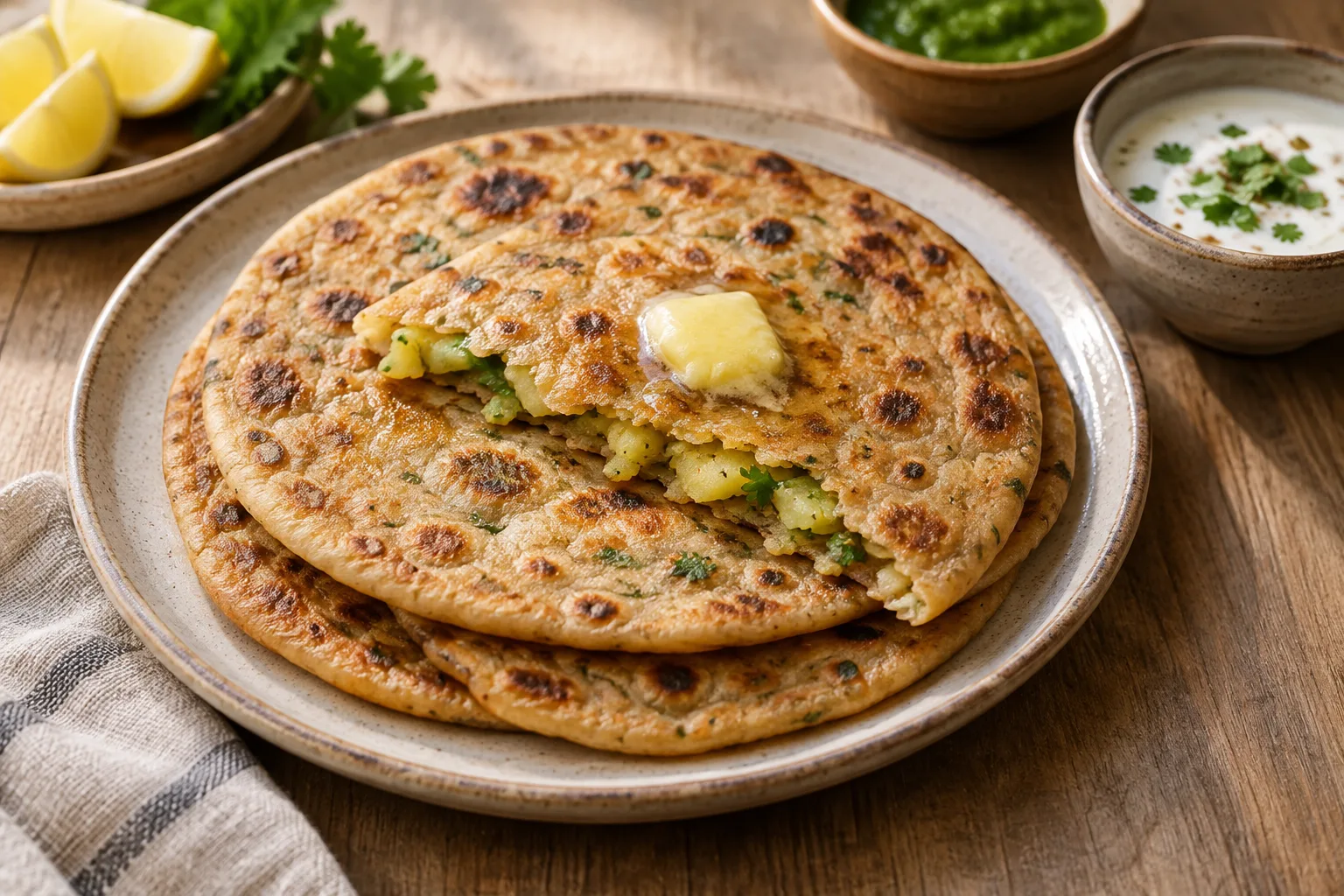
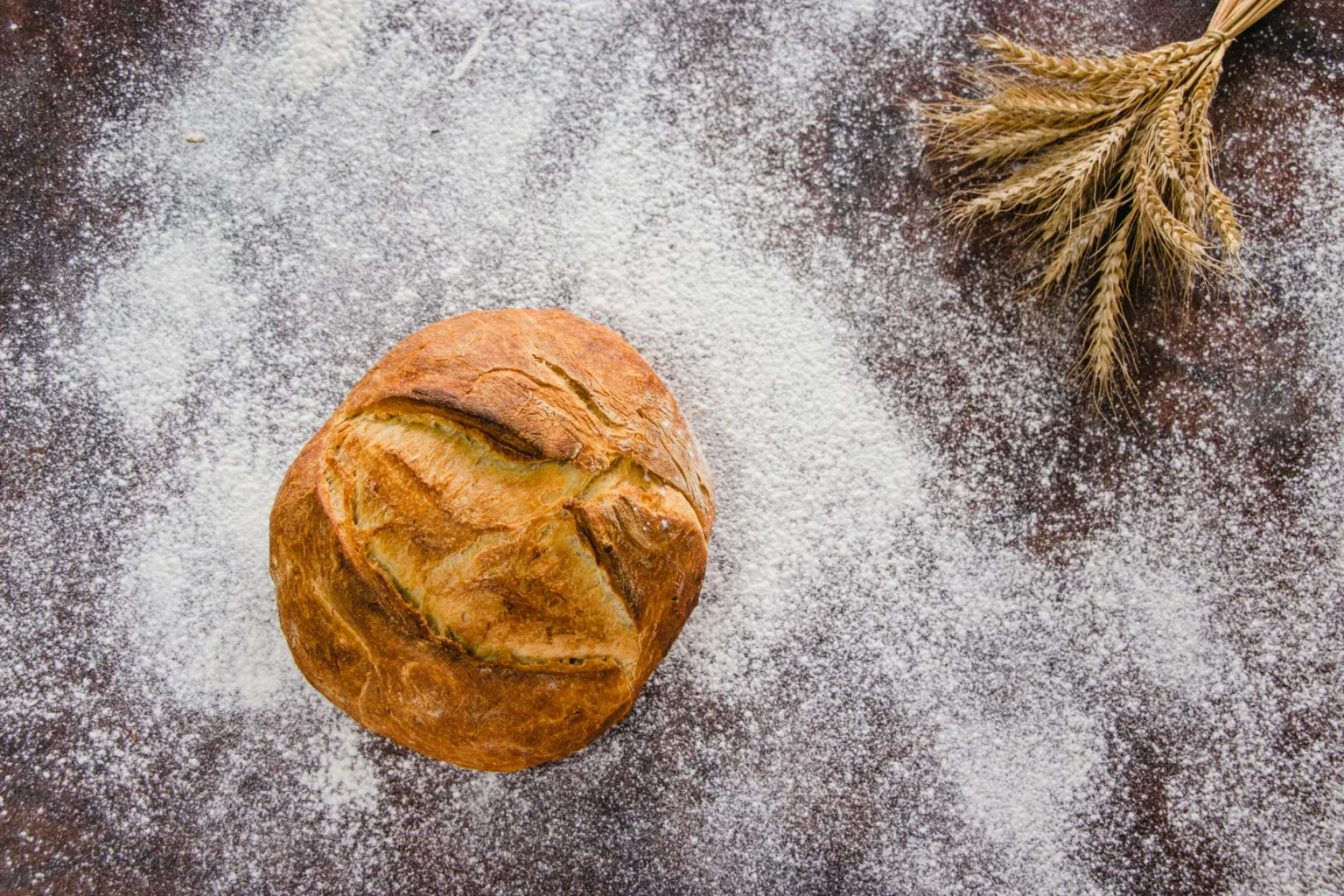
Whole-wheat atta is flour milled from whole wheat. The term atta is used for a particular whole-wheat flour used to make bread. Like other whole-wheat flours, it retains parts of the grain that are removed when producing white flour, including the bran and germ. It may therefore look darker and feel more granular than refined flour. These qualities are noticeable in doughs and baked preparations: whole-wheat flour generally gives a denser result and a more pronounced flavor. Milling and the exact characteristics of a product can vary, so follow the recipe and the information on the package.
When to use it
Choose atta when you want a whole-wheat flour for bread or when a recipe specifically calls for it. It can also be used in cookies, pastries and fresh pasta; in soups, stews or sauces, it can add body. It suits preparations where you want a more pronounced wheat flavor and are happy with a denser texture than one made with white flour. If adapting a recipe written for refined flour, begin with a partial replacement: changing all the flour can alter the result, so do not assume the two flours behave identically.
How to use it
Measure the flour as directed by your recipe and mix it with the other dry ingredients before adding liquids, if that is what the method calls for. For bread and other doughs, follow the recipe's instructions for mixing, hydration, kneading and fermentation: whole-wheat flour can produce a denser dough, and you should not assume that it needs exactly the same adjustments as white flour. You can also use it in cookies, pastries or fresh pasta, keeping in mind that flavor and texture will change. In soups, stews or sauces, add it according to the preparation's method so it can serve as a thickener. If replacing white flour, try a portion first and assess the result before changing more of the ratio.
Flavour and texture
Whole-wheat flour has a more pronounced flavor than white flour, described as robust or slightly earthy. Its appearance may be darker and its texture more granular or coarse. Finished foods often have a denser crumb or consistency; the milling and specific flour can affect how pronounced that texture is.
How to choose it
Read the product name and ingredient list to confirm that the package contains whole-wheat flour, rather than white flour that is merely darkened or mixed with bran. Product information can help distinguish flour made from the whole grain from refined flour with bran added. Also check whether it is identified as atta and whether it suits the intended recipe.
Storage
The available evidence does not establish a specific storage period or set of conditions for this flour. Follow the package directions and any guidance from the manufacturer to decide how to store it. Keep it in its package or a suitable container in accordance with those directions, and check the label before use, especially if the product specifies particular conditions.
Substitutions
White wheat flour can replace whole-wheat flour in part or in full, but it will not give the same flavor or texture. For a gradual change, replace only some of the flour and assess the result before increasing the proportion. Wheat flour mixed with rye is another possibility for some preparations, although it also changes flavor and structure and is not an identical substitute.
Common mistakes
A common mistake is using whole-wheat flour exactly like white flour and expecting an identical texture. Whole-wheat flour can make preparations denser and more pronounced in flavor. It is also easy to mistake dark flour or a bran-added blend for flour made from whole grain. Check the label and adapt the recipe carefully.
Safety and allergens
Contains wheat and gluten. If you need to avoid either, check the package and do not treat this as a gluten-free flour. The supplied evidence does not identify a specific safety warning for atta; follow the product and recipe instructions.
Culinary uses
- Base para masas de pan
- Ingrediente para galletas y otros productos horneados
- Espesante para sopas, guisos y salsas
Recommended techniques
- Mezclar con los demás ingredientes de una masa
- Amasar cuando la receta requiera desarrollar estructura
- Incorporar para espesar sopas, guisos o salsas
Pairs well with
- Preparaciones de panadería
- Galletas y productos de repostería
- Sopas y guisos
- Salsas que necesiten cuerpo
Frequently asked questions
What does atta mean?
Atta is the name used for a particular whole-wheat flour used to make bread.
Can I replace white flour with atta?
You can replace some or all of it, but the preparation may be denser and have a more pronounced flavor. Try a partial replacement first.
Does atta contain gluten?
Yes. It is a wheat flour, so it contains gluten and is not a gluten-free flour.
Estimated nutrition
- Fat
- 1.67 g
- Saturates
- 0 g
- Carbohydrate
- 73.3 g
- Sugars
- 0 g
- Fibre
- 6.7 g
- Protein
- 13.3 g
- Salt
- 0 g
Sources and review
Automatically researched, cross-checked and validated content. Sources consulted:
- ¿Por qué la muerte es origen de miedos y tabúes? doi.org
- Tipos de harina y su uso en la cocina profesional - EN LA COCINA Magazine enlacocina.telemesa.es
- Gastronomía de la India - Wikipedia, la enciclopedia libre es.wikipedia.org
- Tipos de harina, propiedades y usos | Consumer consumer.es
- Evaluación de harina de amaranto como ingrediente antioxidante para la preparación de matrices alimentarias funcionales doi.org
- ¿Qué es la harina integral de trigo? - Monti pmonti.com
- Tipos de harinas - Monpizza monpizza.es
- Noticias del Exterior mapa.gob.es
- Are sprouted grains more nutritious than regular whole grains? - Harvard Health health.harvard.edu
- Harina: tipos y clases de harina para usar en la cocina bonviveur.com
- Harina Integral: Guía de Tipos y Cómo Usarla | Molino Yanine molinoyanine.cl