- Category
- Grains, flour and pasta
- State
- Powdered
- Usual unit
- cup
What it is
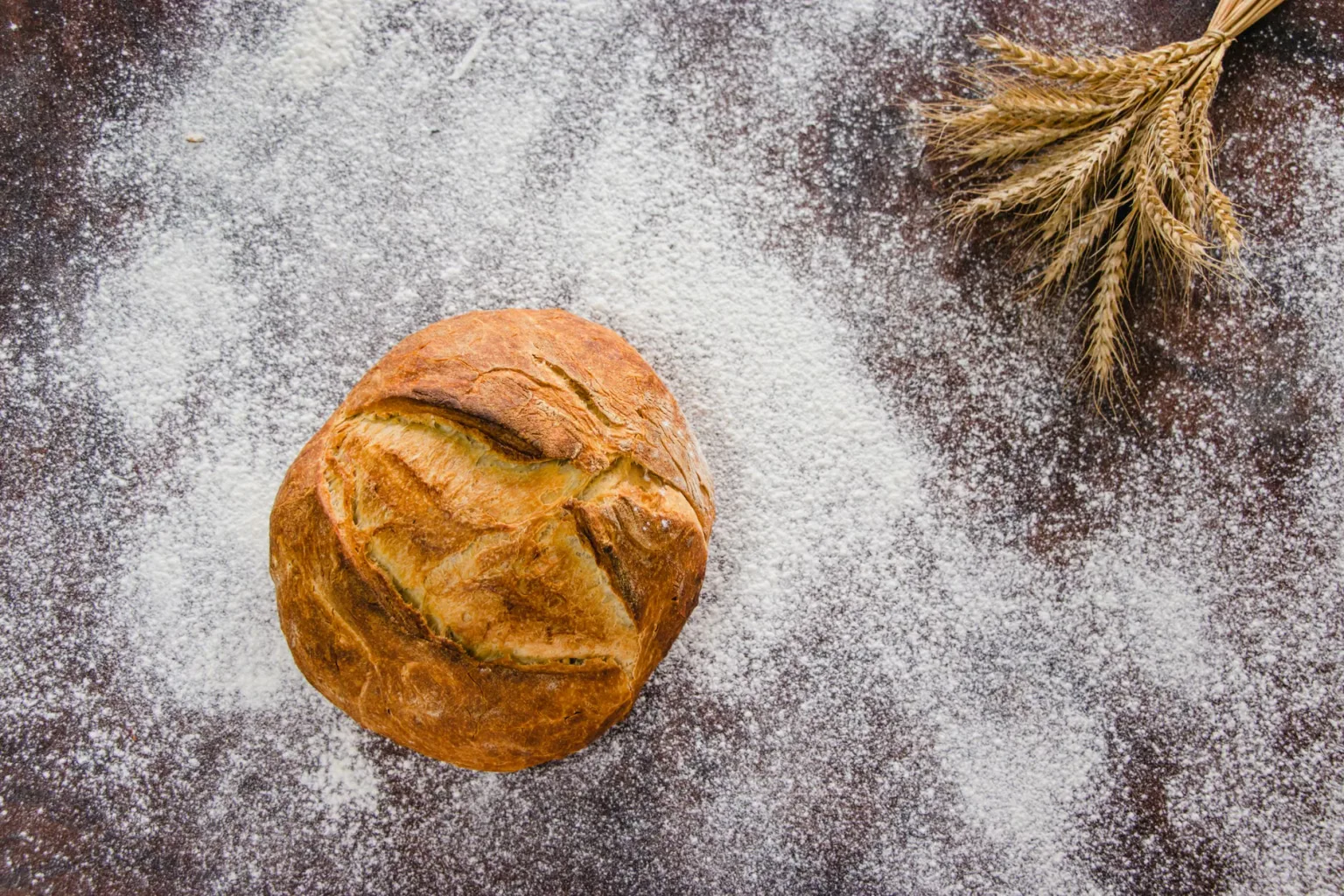
Whole-wheat flour called atta in some products and recipes is milled from the whole wheat grain: bran, germ and endosperm. By definition, it is not a different grain or a multigrain blend. The available sources describe atta as a wheat flour used for flatbread dough and note that it can be milled in different ways. As a result, fineness and texture can vary from one product to another; the name alone does not guarantee an identical grind. Compared with refined wheat flour, the grain's outer parts can make dough more absorbent and the finished texture more compact. Check the ingredient list if you need to confirm that a product is whole-wheat flour rather than a blend.
When to use it
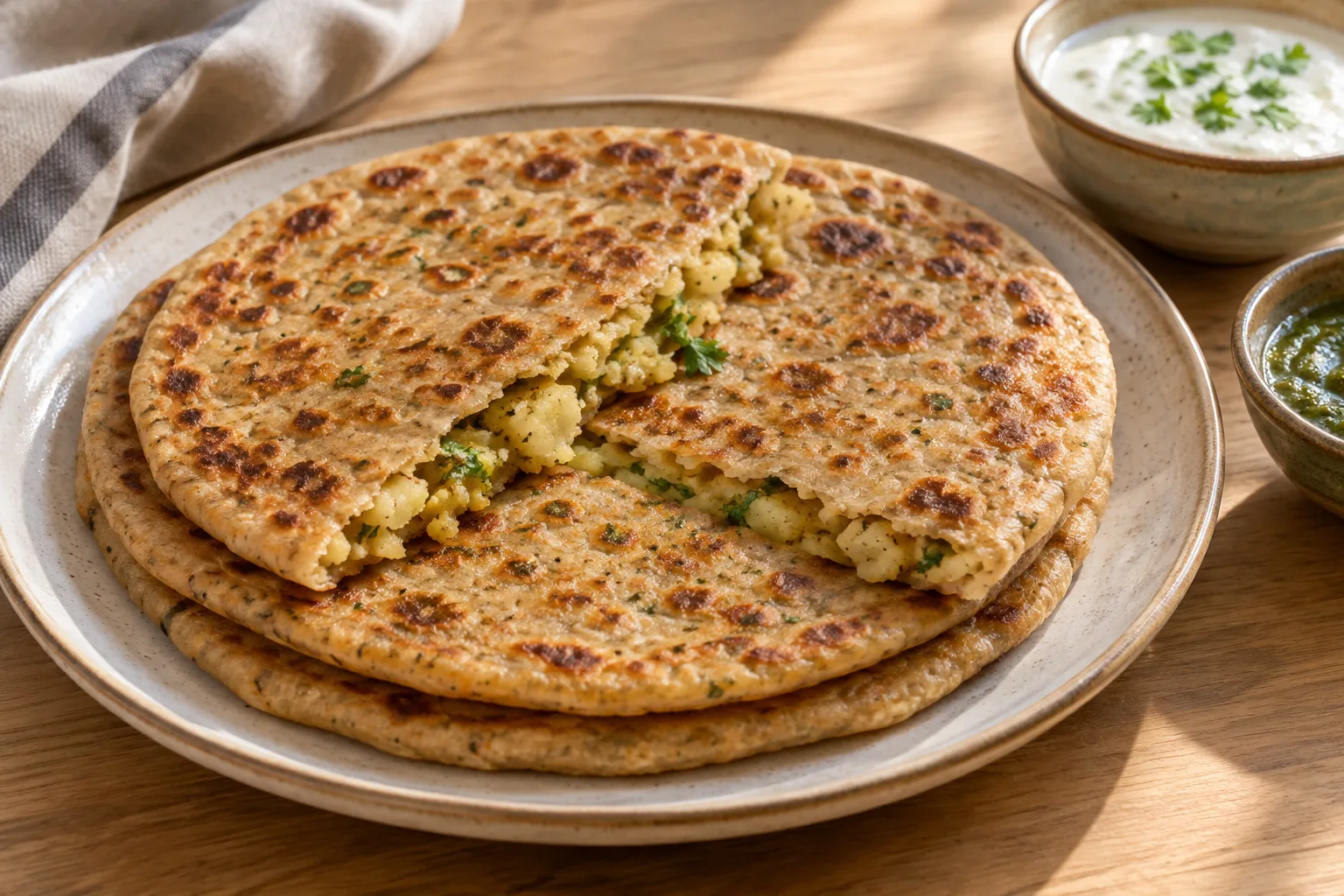
Choose atta for doughs for flatbreads such as roti, chapati and paratha, uses associated with this flour in the available sources. It can also be used in other breads and baked goods, on its own or blended with refined wheat flour. It suits recipes where you want whole-grain flavor and texture to be noticeable. Keep in mind that a recipe written for white flour may turn out denser or need a liquid adjustment; absorption depends on the product and its grind. When adapting a recipe, try a partial replacement first rather than changing all the flour at once.
How to use it
For a basic flatbread dough, gradually combine atta with water and knead until the dough comes together and can be rolled. Divide it into portions and roll them into thin rounds or sheets; the sources describe this approach for breads such as roti and chapati. The amount of water is not universal: it varies with the flour's fineness and characteristics, so add it gradually and adjust to the dough. For breads and other baking, use atta alone or combine it with refined wheat flour. Whole-wheat flour may absorb more liquid and produce a denser crumb than refined flour; do not automatically expect the same lightness. If replacing white flour in a recipe, start with a partial substitution and assess the consistency before adding more liquid.
Flavour and texture
Whole-wheat flour is generally darker and more strongly flavored than white flour; sources also describe a more earthy grain flavor. Bran and germ contribute particles and a less fine texture than refined flour. The grind affects the result: a fine version feels different from a coarser one, which can give a more pronounced bite. In dough, whole-wheat flour may absorb more water and produce a more compact structure; the finished result depends on the product and recipe.
How to choose it
Read the product name and ingredient list to confirm that you are buying whole-wheat flour, not a grain blend or refined flour with bran added. Sources describe different grinds, from finer to coarser, so choose a texture that suits your recipe: a fine grind may blend more smoothly, while a coarser one gives more texture. If you want atta for flatbreads, check that the product identifies whole-wheat flour and read the manufacturer's directions.
Storage
The available evidence does not establish a specific shelf life or storage method for this flour. Check and follow the instructions on the package, especially after opening. Keep the package closed and protect the flour from moisture to help prevent changes in condition or clumping; do not assume a shelf life that the manufacturer has not stated. If the package gives different directions, follow those instead.
Substitutions
Fine-ground whole-wheat flour can be tried as an alternative, but its texture and water absorption may not match atta exactly. Another option is to combine whole-wheat and refined wheat flour: sources describe using whole-wheat flour on its own or in blends and note that the proportion affects the result. Adjust liquid gradually and expect a potentially more compact dough or crumb than with white flour. There is no universal equivalence supported for every brand and recipe.
Common mistakes
Do not assume atta behaves exactly like white flour: whole-wheat flour may absorb more water and produce denser dough. Do not assume every flour labelled atta has the same grind; products vary in texture. Adding all the water at once or replacing all the flour in a recipe without checking consistency can produce an unexpected result. Adjust gradually and consult the label.
Safety and allergens
This flour is made from wheat and contains gluten, according to the available sources. If you have a wheat allergy or need to avoid gluten, check the package and use it only if the product is suitable for your needs. The supplied evidence contains no specific official warning or additional safety instructions for this flour.
Culinary uses
- Harina para masas y panes planos
- Harina para panes y productos horneados
Recommended techniques
- Amasar con agua hasta obtener una masa manejable
- Estirar la masa en discos o láminas finas
- Mezclar con harina de trigo refinada para ajustar textura y sabor
Pairs well with
- Curris y guisos servidos con roti o chapati
- Verduras cocinadas y otros acompañamientos salados
Frequently asked questions
Are atta and whole-wheat flour the same?
Atta is described as whole-wheat flour, although fineness and other characteristics can vary between products.
Which breads are made with atta?
The sources associate it especially with flatbreads such as roti, chapati and paratha.
Can I replace all white flour with atta?
You can try, but the dough may absorb more water and become more compact. Start with a partial replacement and adjust gradually.
Estimated nutrition
- Fat
- 1.67 g
- Saturates
- 0 g
- Carbohydrate
- 73.3 g
- Sugars
- 0 g
- Fibre
- 6.7 g
- Protein
- 13.3 g
- Salt
- 0 g
Sources and review
Automatically researched, cross-checked and validated content. Sources consulted:
- Evaluación de harina de amaranto como ingrediente antioxidante para la preparación de matrices alimentarias funcionales doi.org
- ¿Qué es la harina integral de trigo? - Monti pmonti.com
- Are sprouted grains more nutritious than regular whole grains? - Harvard Health health.harvard.edu
- Harina Integral: Guía de Tipos y Cómo Usarla | Molino Yanine molinoyanine.cl
- Harina integral de trigo - Wikipedia, la enciclopedia libre es.wikipedia.org
- Todo lo que necesitas saber sobre la harina atta - Habibsvillage habibsvillage.es
- Atta (harina) _ AcademiaLab academia-lab.com
- ⚠️ Harina integral, definición, uso y propiedades, donde se emplea solopanes.com
- Diferencia entre la harina atta y la harina de trigo | PediaExpertos pediaexpertos.com
- - YouTube youtube.com
- Determinación proximal de los principales componentes nutricionales de harina de maíz, harina de trigo integral, avena, yuca, zanahoria amarilla, zanahoria blanca y chocho | infoANALÍTICA doi.org
- Harina Atta - Wikipedia, la enciclopedia libre es.wikipedia.org