- Category
- Sauces and condiments
- State
- Paste
- Usual unit
- tablespoon
What it is
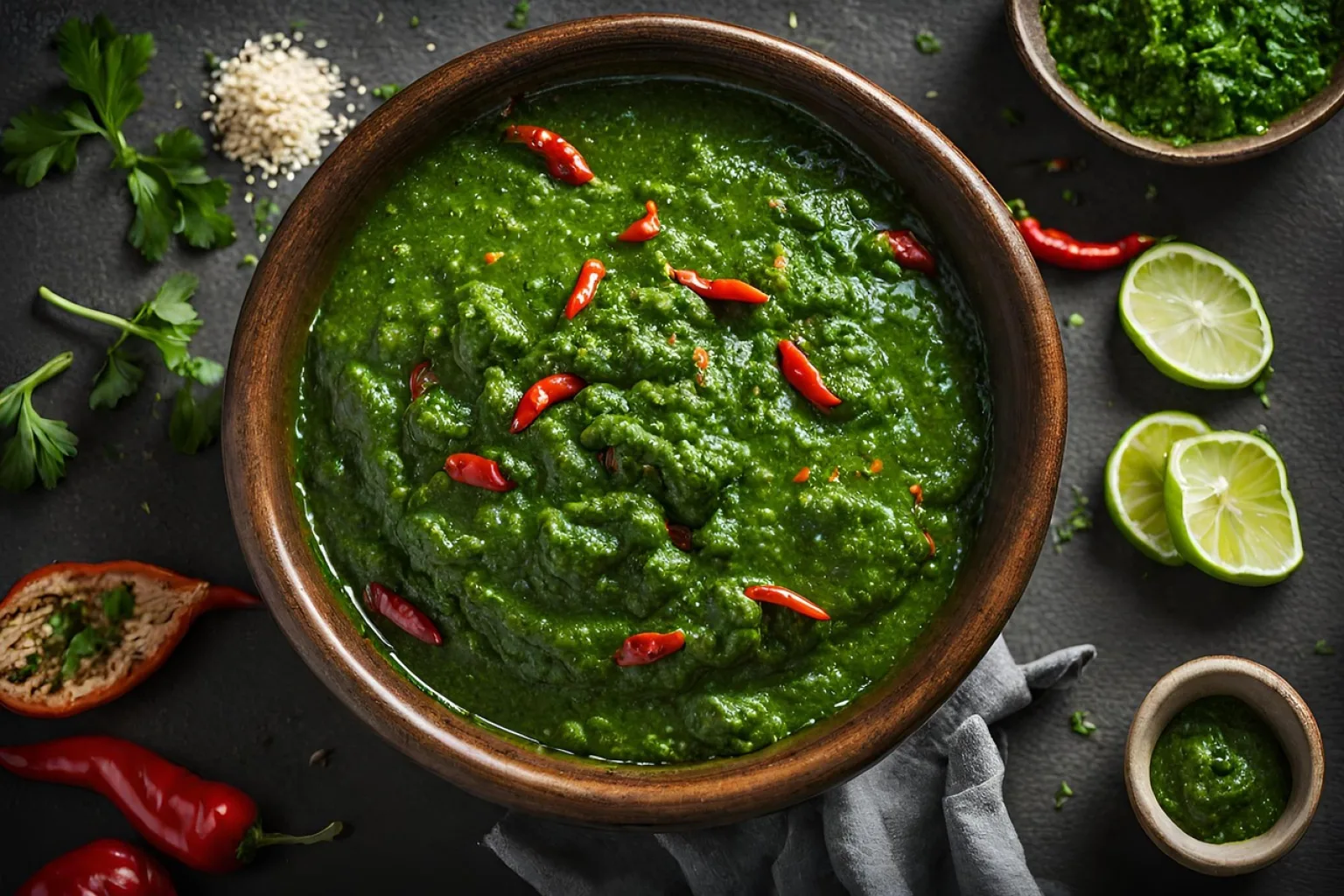
Yellow chili paste is a condiment made by processing ají amarillo into a spreadable or spoonable paste. Ají amarillo is widely used in Peruvian cooking and is available fresh and in processed forms. Paste offers a convenient way to add the pepper’s flavor, aroma, and color without preparing whole chilies. Products are not necessarily identical: a jarred paste may contain ingredients besides chili, so read the label before cooking. Its heat level can also vary from product to product, and should not be assumed to be the same across brands or recipes.
When to use it
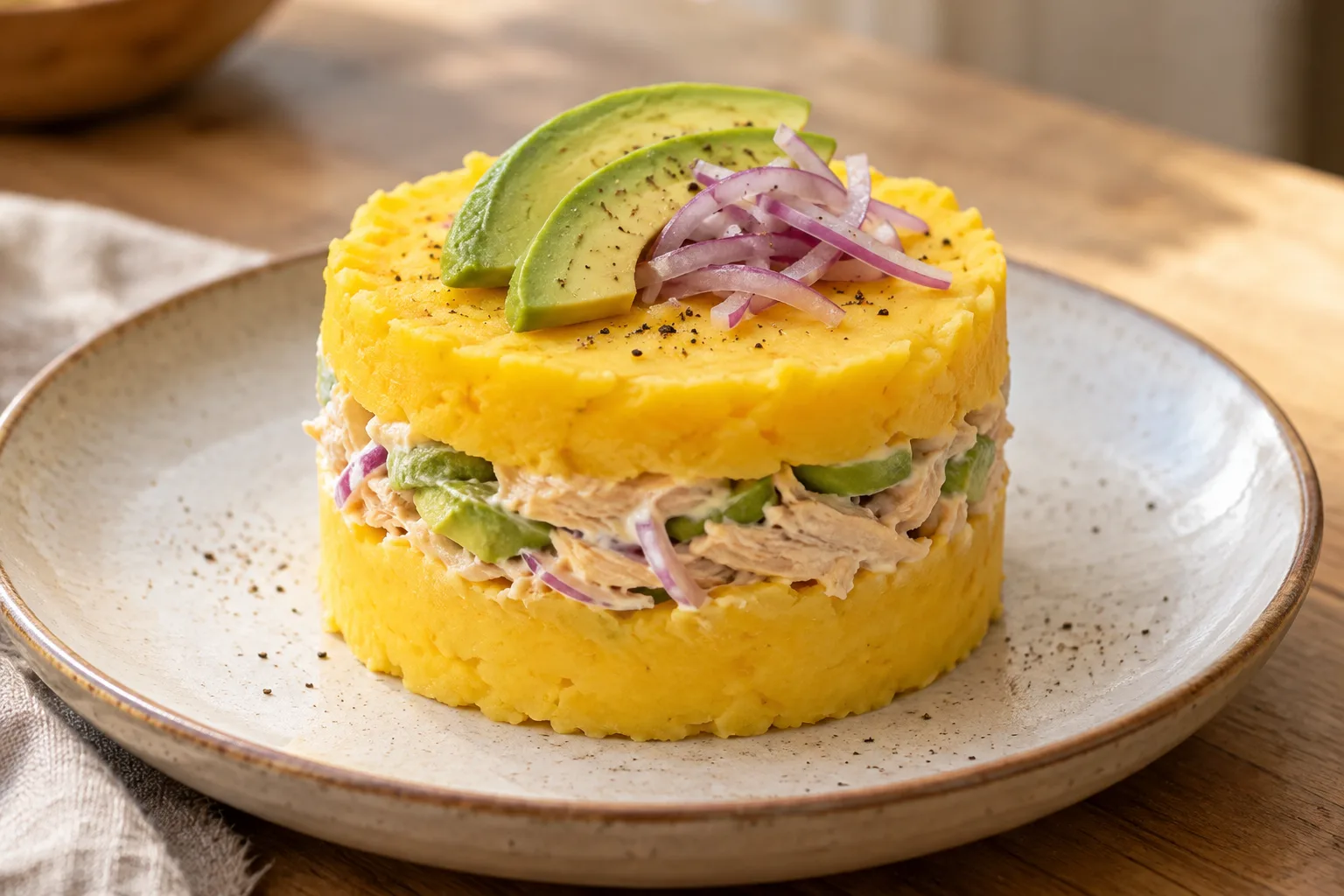
Use it when a recipe calls for the character of ají amarillo in a convenient form, particularly in sauces and Peruvian-inspired dishes. It is used in preparations such as ají de gallina, huancaína sauce, and causa, and can also be added to rice dishes, stir-fries, escabeche, and stews. Stir it into a sofrito at the start if you want it integrated with the other ingredients, or add it directly to a cold sauce when suitable. Since heat and added ingredients vary, begin with a small amount and taste before adding more.
How to use it
Stir the paste and add a small amount to your dish, then taste and increase gradually until the flavor and heat suit the recipe. For hot dishes, add it to a sofrito with onion or garlic, or mix it into a sauce or stew as it cooks. It can also be blended directly into cold sauces, dressings, or spreads. It works well with chicken and potatoes and can add character to rice and sautéed vegetables. If swapping one chili paste for another, expect differences in color, heat, and aroma. Check the ingredient label: some products contain additional ingredients, and storage directions depend on the particular package.
Flavour and texture
Ají amarillo is described as aromatic and mildly fruity; in paste form, its flavor comes in a soft, easily mixed texture. Commercial products can vary in intensity and heat, so the same spoonful from two brands may not give the same result. The paste can lend a yellow or golden tone to sauces and creamy dishes.
How to choose it
Look for a label that clearly identifies ají amarillo and read the full ingredient list, especially if you want a simple chili paste. Packaged products may contain ingredients in addition to the pepper, and their heat is not uniform. Check the manufacturer’s directions for storage after opening as well. If you cannot find the paste, fresh or otherwise processed ají amarillo may be an alternative, though preparation and texture may differ.
Storage
Follow the package directions because formulations and processing can differ between products. One commercial paste consulted specifies refrigeration after opening; check the label on your own jar and use clean utensils when serving. Do not assume all pastes have the same storage requirements, or apply the storage life of a homemade recipe to a packaged product.
Substitutions
Another chili paste may work, but the result will not be identical: heat, aroma, and possibly color will change. Ají mirasol or ají panca paste can add flavor to a dish, but each has its own profile. Add a little at a time and taste. Fresh ají amarillo or another form of the same pepper may also be used, with preparation adapted to the recipe.
Common mistakes
Do not assume every yellow chili paste has the same heat or contains only chili. Adding a large amount at once can overwhelm a dish, so start small and adjust after tasting. Another common mistake is applying homemade-recipe storage directions to every product: read the package and follow its guidance after opening.
Safety and allergens
Check the ingredient list and package storage directions; some products contain added ingredients. Refrigerate after opening when the label instructs you to, and serve the paste with clean utensils.
Culinary uses
- Base de sabor para salsas y guisos
- Condimento para aportar color, aroma y picor
Recommended techniques
- Incorporar al sofrito
- Mezclar directamente en salsas frías o aliños
Pairs well with
- Pollo y papa
- Cebolla y ajo
- Arroz y verduras salteadas
Frequently asked questions
Is yellow chili paste always very hot?
Not necessarily. Heat depends on the product and how it was made. Start with a small amount, taste, and adjust.
How can I use yellow chili paste in a recipe?
Stir it into a sofrito or mix it directly into sauces, dressings, stews, and rice dishes. Follow the recipe and adjust the amount to taste.
How should I store it after opening?
Follow the package label. Some commercial products specify refrigeration after opening; do not assume every brand has identical directions.
Estimated nutrition
- Fat
- 0 g
- Saturates
- 0 g
- Carbohydrate
- 21.4 g
- Sugars
- 0 g
- Fibre
- 2.9 g
- Protein
- 0 g
- Salt
- 1.14 g
Sources and review
Automatically researched, cross-checked and validated content. Sources consulted:
- ¿Por qué la muerte es origen de miedos y tabúes? doi.org
- Ají Amarillo: Origen, Propiedades y Usos en la Gastronomía Peruana | El Brujo elbrujo.pe
- Cómo hacer pasta de ají amarillo peruano - Cravings Journal es.cravingsjournal.com
- ¿Qué es el ají? Usos y Recomendaciones ronda14.com
- Macaroni Salad Near Me A Journey of Discovery ~ cms.ncwc.edu cms.ncwc.edu
- Getting to Know Your Neighborhood: Inman Square | BU Today | Boston University bu.edu
- Migrant Conversions - UC Press Luminos webfiles.ucpress.edu
- vegetable-cultivar-descriptions-for-north-america-list-26- ... cucurbitbreeding.wordpress.ncsu.edu
- Pasta de ají amarillo - Receta peruana FÁCIL recetas.elperiodico.com
- Pasta de Ají Amarillo 225g - Compra Online | Cocinista.es cocinista.es