- Category
- Vegetables
- State
- Fresh
- Usual unit
- unit
What it is
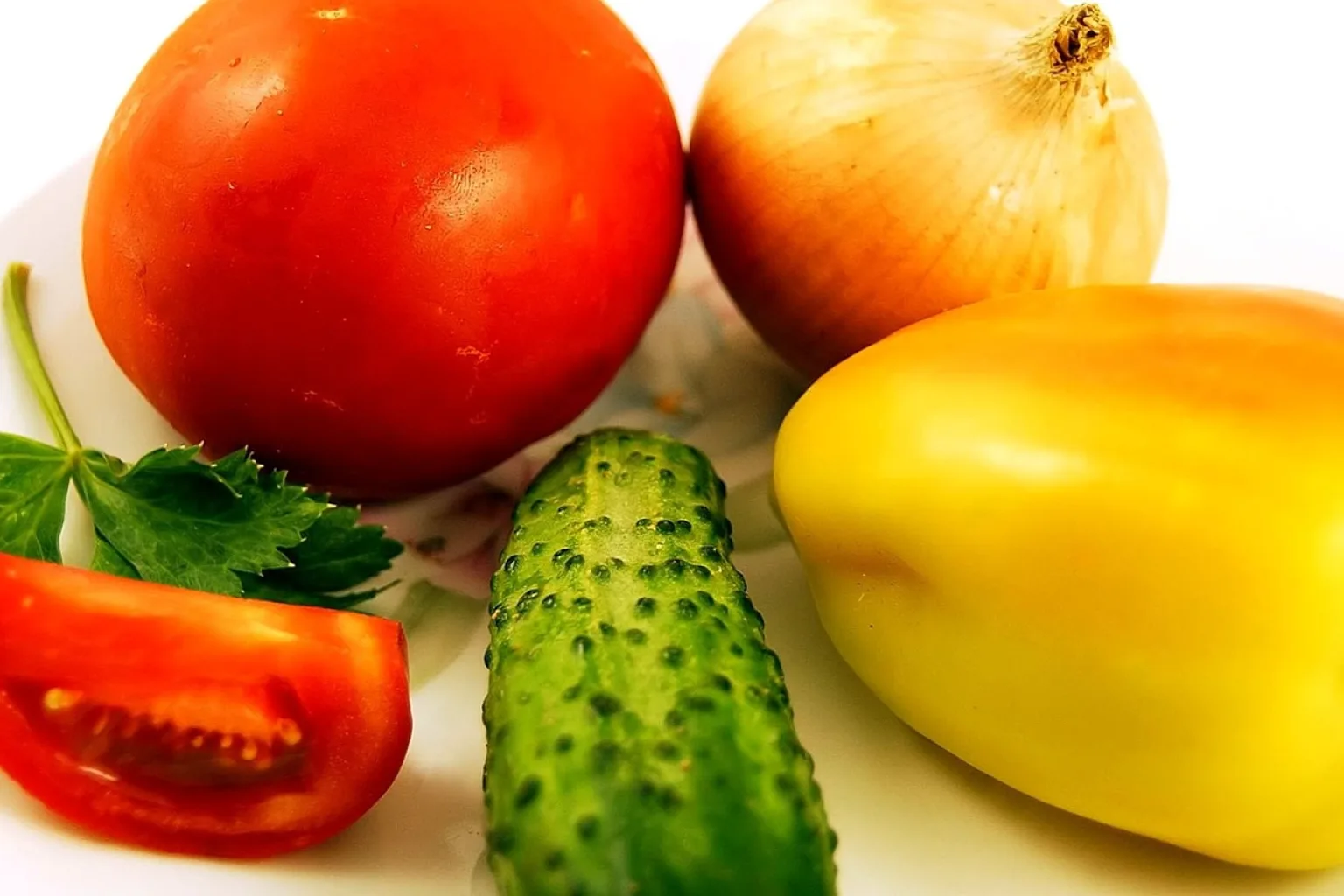
Yellow onion is a bulb onion recognized by its dry, golden or brown outer skin and pale, fleshy inner layers. Cooks value it for a pronounced flavor, though the intensity can differ from one bulb to another. Heat softens that character and can make the flavor seem sweeter. This makes yellow onion a useful all-purpose cooking onion, but it can also be sliced thinly and served raw when a stronger onion note is wanted. Color alone is not a reliable way to predict every onion’s flavor: sweetness, intensity, and texture can vary among varieties and individual bulbs.
When to use it
Choose yellow onion when you want onion to contribute to a dish’s savory base and the recipe involves cooking. It works especially well in sautéed bases, soups, and stews, where its flavor blends into the dish as it cooks. It is also a good option for caramelizing. If a recipe calls for raw onion, yellow onion can be used when you enjoy a more assertive flavor; for a milder effect, consider another variety, such as white onion. The result depends on the bulb and preparation, so adjust the amount to taste.
How to use it
Remove the dry outer skin and cut the onion to suit the dish: dice it finely for a sautéed base, slice it into rings or strips when you want the layers to remain noticeable, or cut it thinly for raw use. For a sauté or stew, add the onion to the preparation and cook until it softens and blends in; heat mellows its intensity. You can also cook it slowly until caramelized, to serve as a component or accompaniment. In salads, use thin slices and expect a more pronounced flavor than you might get from some milder varieties. Taste as you go and adjust the amount to give the onion the role you want.
Flavour and texture
Raw yellow onion can have a pungent smell and a pronounced flavor; intensity varies between bulbs. Its interior consists of fleshy, moist layers, while the outer skin is generally dry. Cooking mellows its flavor and can make it taste sweeter, helping it blend into hot dishes. The cut affects how it feels in a dish: slices make the layers more noticeable, while a fine dice distributes the onion more evenly.
How to choose it
Look for a bulb with dry outer skin, a firm feel, and no visibly damaged areas. Yellow onions commonly have golden or brown skin and pale inner layers. Size alone does not determine how strong an onion will taste; flavor can vary between bulbs. Choose a quantity that suits the recipe, and if you plan to serve it raw, start with an amount you can adjust to taste.
Storage
For dry-bulb yellow onions, a culinary source says they can be kept in a cool, dry place without refrigeration for several months. That guidance depends on the product and the actual storage conditions; it is not a guaranteed duration for every onion. Keep the bulb dry and check its condition before use. Do not use it if it shows signs of deterioration.
Substitutions
White onion can replace yellow onion when you want a milder flavor or a raw application, though the dish’s flavor and texture will change. Red onion can work in salads and other raw preparations but brings its own appearance and character. These are not identical swaps: adjust the amount to taste and consider whether the recipe relies on yellow onion’s cooked flavor or color.
Common mistakes
Do not assume every onion variety tastes the same or that yellow onion will be mild when served raw. Heat often reduces its intensity, but individual bulbs still vary. Another mistake is choosing a substitute based only on color: white and red onions can change a dish’s flavor, texture, or appearance.
Safety and allergens
Handle the onion with clean utensils and avoid using bulbs that show deterioration. If you are unsure about its condition, do not eat it.
Culinary uses
- Base aromática para sofritos y guisos
- Ingrediente principal en sopas y cebollas caramelizadas
Recommended techniques
- Picar o cortar en rodajas
- Sofreír o cocinar lentamente
- Caramelizar
- Añadir cruda en láminas finas
Pairs well with
- Sopas y guisos
- Salsas y sofritos
- Ensaladas
Frequently asked questions
Can yellow onion be eaten raw?
Yes. It can be thinly sliced and served raw, but its flavor may be more assertive than that of milder varieties. Adjust the amount to your taste.
What dishes is yellow onion especially useful for?
It is versatile for cooking and commonly used in sautéed bases, soups, and stews. It is also a practical choice for caramelized onion.
How can I make its flavor milder?
Heat usually mellows yellow onion. Add it to a sauté, soup, or stew, or cook it slowly to caramelize it.
Estimated nutrition
- Fat
- 0 g
- Saturates
- 0 g
- Carbohydrate
- 7.43 g
- Sugars
- 6.08 g
- Fibre
- 2 g
- Protein
- 0.68 g
- Salt
- 0.01 g
Sources and review
Automatically researched, cross-checked and validated content. Sources consulted:
- La cebolla, ingrediente básico en la cocina | Recetas Nestlé recetasnestle.com.ar
- ¿Amarilla, blanca, roja o Vidalia? Para qué sirve cada tipo de cebolla directoalpaladar.com
- Agencia Española de Seguridad Alimentaria y Nutrición aesan.gob.es
- educational content to support healthful lifestyle practices sjsu.edu
- POTATOES - Extension St. Croix County stcroix.extension.wisc.edu
- UCCE efforts improve quality of and demand for fresh ... ucanr.edu
- EFNEP Hispanic Heritage Recipes | Community Nutrition | Extension/College of Agriculture, Health & Natural Resources | University of Connecticut communitynutrition.cahnr.uconn.edu
- Producción de Cebolla extension.psu.edu
- Salsa de Mango (Spanish) - National Center for Home Food Preservation nchfp.uga.edu
- filling gender gaps: determining how traditional knowledge of experts.esf.edu
- Lesson 4A – Semillas: Elementary Spanish I pressbooks.uiowa.edu
- La cebolla, la base de la gastronomía española - Enrique Romay eromay.com
- Cebolla amarilla - Productores de ajo Dispaman - Huerta Nature dispaman.com
- La tribu de las cebollas apuntococina.com