- Category
- Vegetables
- State
- Fresh
- Usual unit
- g
What it is
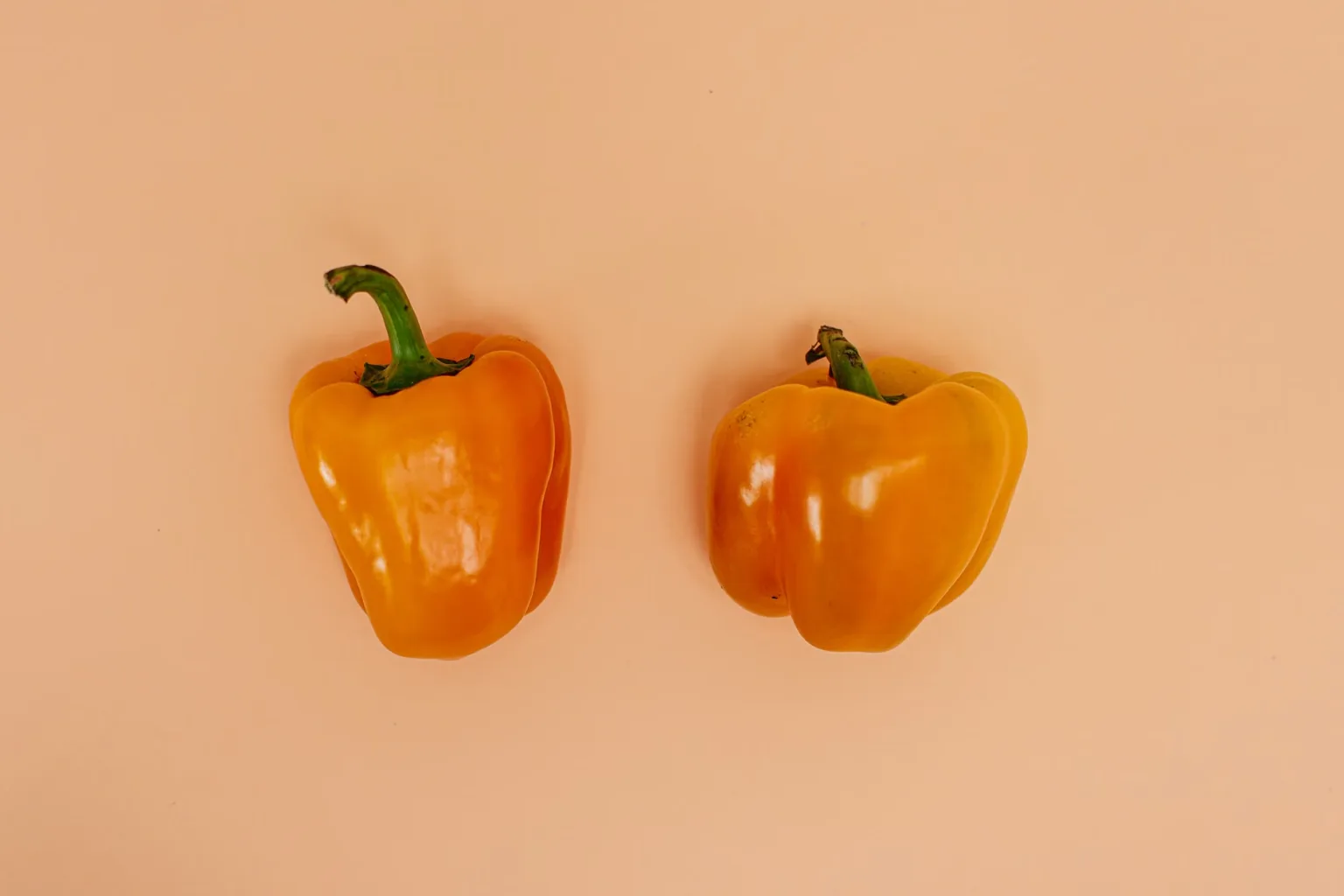
Yellow pepper is a fresh sweet pepper from the genus Capsicum, used in cooking as a vegetable. It belongs to the nightshade family, along with tomatoes, potatoes and eggplants. Yellow describes the product being sold, but does not by itself identify a particular cultivar or harvest calendar. In the kitchen, it can be a main ingredient or a supporting one: raw, it adds color and crunch; cooked, it works in sautés, sofritos, stews, sauces and fillings. Available descriptions characterize yellow peppers as mild and somewhat sweet or fruity, although individual products can vary. Fresh pepper should not be confused with paprika, a dried and ground product.
When to use it
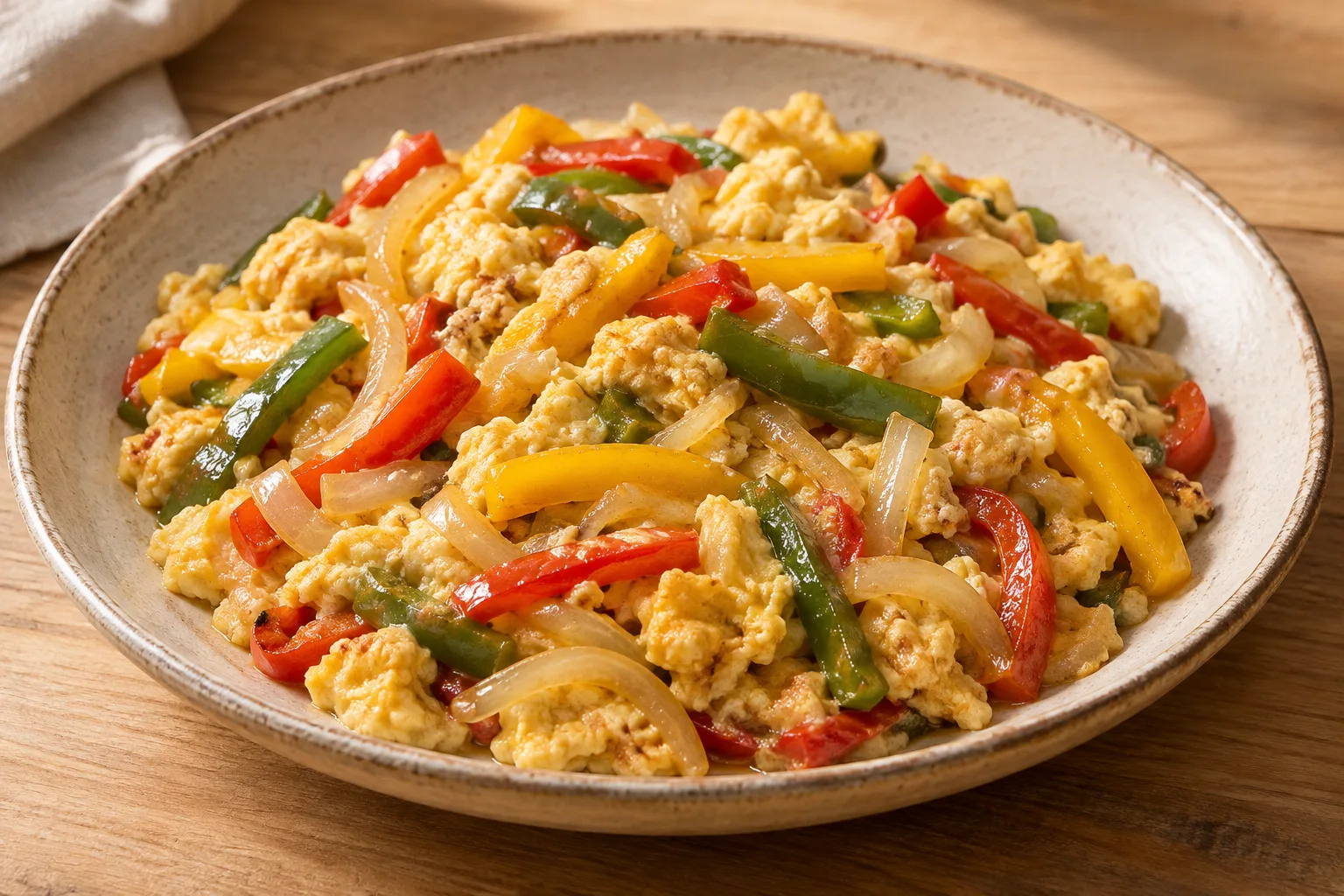
Use it raw when you want color and a crisp bite in a salad, vegetable platter or snack served as strips. It is a useful choice for a sauté or sofrito when you want a mild pepper flavor and a colorful result without necessarily using a hot variety. It can also be roasted or grilled as a side, added to a warm salad, or used in sauces and stews. Its shape may suit stuffing, but size and structure vary, so check that the particular pepper works for that preparation. Choose another variety when a recipe specifically depends on a different color, shape or flavor.
How to use it
Wash the pepper before preparing it, then remove the stem, seeds and inner parts you do not want to use. For a salad or snack, cut it into strips or dice and serve it raw; it will retain a firm, crisp texture. To cook it, cut it into evenly sized pieces and sauté it or add it to a sofrito, sauce or stew, matching the cut to the recipe. You can also roast or grill it and serve it as a side, fold it into a warm dish, or use it as the basis for a filling. Sweet yellow peppers are also used in pickled preparations, but do not improvise a shelf-stable preserve: use a tested recipe appropriate to the method. Freezing is another option; choose the preparation according to how you plan to use the pepper.
Flavour and texture
Available descriptions characterize yellow pepper as mild, sweet and slightly fruity, with a crisp texture when fresh. Sweetness, firmness and flesh thickness can vary from one pepper to another; do not assume every piece will be identical. Raw, its crunch stands out in salads and strips; roasting or cooking makes it tender and helps it blend into a dish. Its yellow color adds visual contrast, but does not guarantee an exact flavor or texture.
How to choose it
Choose peppers that are firm and crisp-looking, with a fresh appearance and no visible signs of decay, mold or significant bruising. Extension guidance for drying peppers recommends selecting good-quality produce and avoiding vegetables that show decay, mold or bruising. Color should be characteristic of the product on offer; size and shape vary, so consider the intended use before buying. Do not infer origin or season from yellow color alone.
Storage
To limit water loss, UC Davis postharvest guidance recommends cooling peppers promptly and describes storage at about 7.5°C as favorable for longer keeping; it estimates three to five weeks under those conditions for the peppers covered by its sheet. That reference does not guarantee the same duration for every pepper or household. For a shelf-stable preserve or pickle, use tested instructions only: peppers are low-acid, and incorrect canning methods can be dangerous. If freezing peppers, choose a preparation suited to their intended use.
Substitutions
If yellow pepper is unavailable, another sweet pepper, red or green, can serve a similar role in many salads and cooked dishes. The result will not be identical: color and flavor profile may change, with green often giving a more vegetal impression and red potentially tasting sweeter and having fleshier characteristics. If yellow is important to the appearance of the dish, find another yellow pepper. For pickling recipes, do not alter overall proportions or replace preservation ingredients by guesswork.
Common mistakes
Do not assume yellow pepper is hot or that every pepper has exactly the same sweetness or texture. Avoid choosing produce with visible mold, decay or bruising. Do not replace a sweet pepper with a hot one without accounting for the change in heat. A particularly important mistake is improvising a jarred preserve: peppers are low-acid, and preservation directions should come from a tested recipe rather than an unvalidated home adjustment.
Safety and allergens
The available sources provide no specific official warning about ordinary consumption of fresh yellow pepper. Handle it hygienically and check the label if it is packaged. For home canning, do not improvise: follow tested instructions from a competent authority because peppers are low-acid and improper canning can be dangerous.
Culinary uses
- Ingrediente crujiente para ensaladas y platos frescos
- Aporte de color, dulzor suave y volumen en salteados, sofritos y guisos
- Guarnición asada o a la parrilla
Recommended techniques
- Consumir crudo, en tiras o rodajas
- Asar al horno o a la parrilla
- Saltear o incorporar a sofritos y guisos
- Rellenar y hornear
Pairs well with
- Tomate y cebolla en ensaladas o preparaciones cocinadas
- Arroz y legumbres como relleno
- Aceite de oliva y hierbas aromáticas en preparaciones asadas
Frequently asked questions
Is yellow pepper sweet or hot?
Available descriptions characterize it as mild and sweet or fruity. Color alone does not determine every feature of an individual pepper.
Can I eat yellow pepper raw?
Yes. Cut it into strips, slices or dice for salads and snacks; raw pepper has a crisp texture.
Can I substitute red or green pepper?
Often, yes. The color and flavor profile may change, so the result will not be exactly the same; avoid the substitution when yellow is essential to the presentation.
Can I improvise a pepper preserve in oil?
No. Extension sources warn that peppers are low-acid and preserving requires an appropriate tested method. Do not improvise the proportions or process.
Estimated nutrition
- Fat
- 0 g
- Saturates
- 0 g
- Carbohydrate
- 9.78 g
- Sugars
- 0 g
- Fibre
- 2.7 g
- Protein
- 0.89 g
- Salt
- 0.01 g
Sources and review
Automatically researched, cross-checked and validated content. Sources consulted:
- En el etiquetado alimentario hay algunas menciones que son obligatorias eletiquetadocuentamucho.aesan.gob.es
- Conservando los Coloridos Pimientos del Huerto extension.psu.edu
- Client Challenge doi.org
- Pimiento (chile dulce) | Postharvest Research and Extension Center postharvest.ucdavis.edu
- Variedades de pimientos más populares y algunas recetas con ellos hola.com
- Pimientos: variedades y usos en cocina - CocinoPedia.com cocinopedia.com
- El pimiento: propiedades, variedades y beneficios para la salud; por Pablo Ojeda lasexta.com
- Selecting, Storing, and Serving Ohio Peppers | Ohioline ohioline.osu.edu
- Freezing Pimientos - National Center for Home Food Preservation nchfp.uga.edu
- Preserve Smart apps.chhs.colostate.edu
- Grow your own peppers | OSU Extension Service extension.oregonstate.edu
- Pimiento Amarillo tienda.agrosolexport.com
- Pimientos amarillos usos, propiedades y beneficios tienda.frutaseloy.com
- PIMIENTO AMARILLO, tu Huerta de proximidad | deHigosaPeras dehigosaperas.com
- Pimentón amarillo - ingredientes guiadelacocina.com