- Category
- Pulses
- State
- Paste
- Usual unit
- tablespoon
What it is
Anko is a sweet paste made mainly from cooked azuki beans and sugar. It is widely used in Japanese confectionery and also appears in sweets from other Asian cuisines. The paste is not limited to one texture: tsubuan retains whole beans or visible pieces, while koshian is fine and smooth, usually after the beans have been puréed and sieved. Preparations between these styles have some texture without being fully smooth. Recipes may also include a pinch of salt, and the amount of sugar varies. Homemade and packaged anko can therefore differ in sweetness and thickness; taste it and consider its texture before choosing how to use it.
When to use it
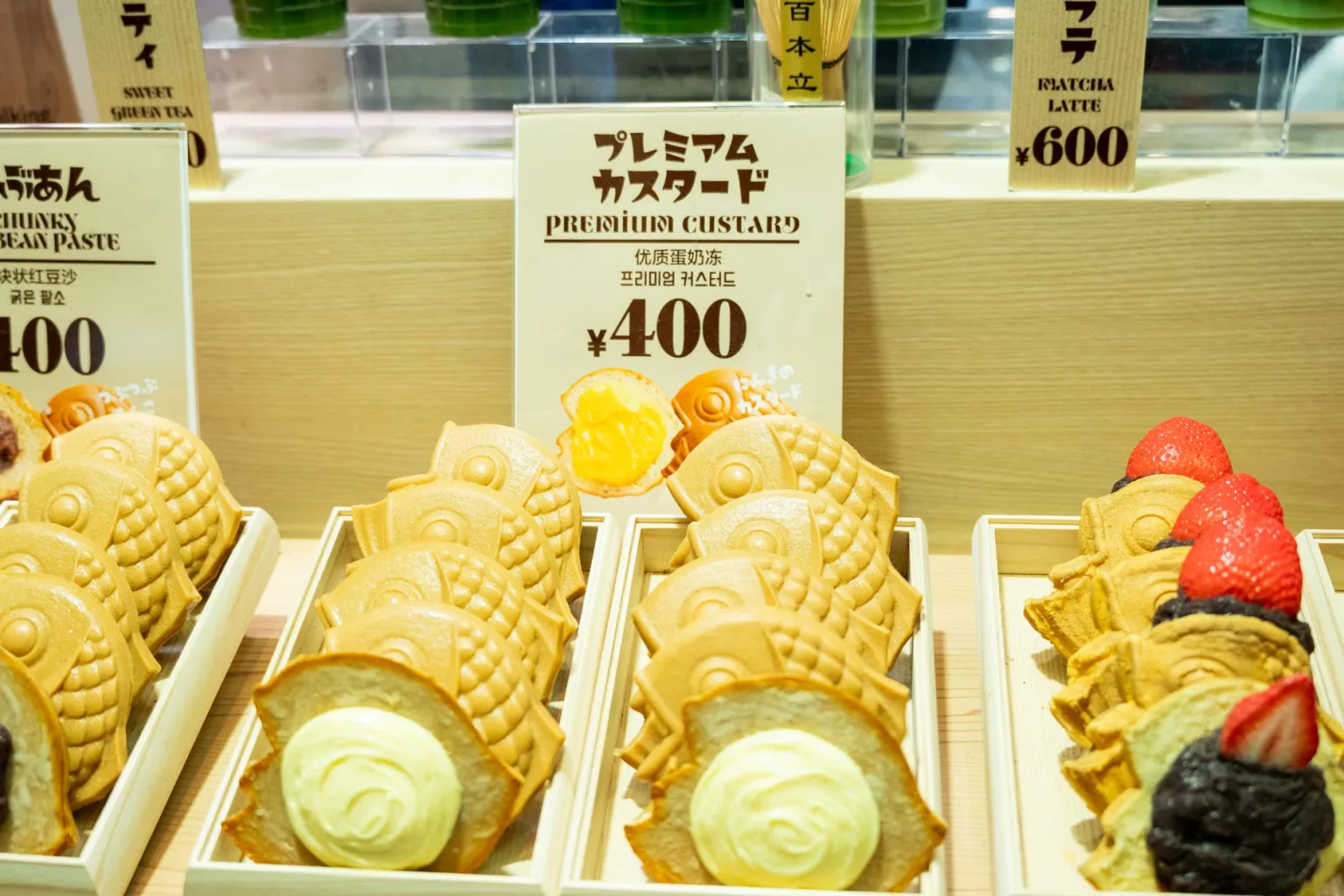
Choose anko when you want a sweet azuki-bean filling or component for a dessert or baked sweet. The smooth style is useful when you want an even interior, while a chunky style brings a more noticeable bean texture. Anko is commonly used inside mochi, daifuku, dorayaki, taiyaki, and sweet buns, and can also be spooned over dango or served in desserts with fruit and jelly. Its sweetness and consistency vary by product, so taste a little before deciding whether the rest of your recipe needs adjustment.
How to use it
Stir the anko before using it if it has settled, and check that its consistency is suitable for spreading or filling without leaking from the pastry. Put a portion in the middle of dough for mochi, dorayaki, taiyaki, or a sweet bun, then seal or assemble it as directed by the recipe. You can also spoon it over dango or serve it as part of a dessert with fruit and jelly. Choose tsubuan when you want visible bean pieces and koshian when you prefer a smoother paste. If it seems too thick for your preparation, incorporate it carefully in small amounts according to the recipe rather than adding an unmeasured amount of liquid. Bear in mind that some versions are sweeter than others.
Flavour and texture
Anko is sweet, with the cooked azuki beans forming its main flavor. Texture depends on how it is made: tsubuan contains whole beans or pieces and feels more rustic, while koshian is smooth, fine, and even. Intermediate styles retain some texture without being fully coarse. Sugar levels also vary from one recipe or product to another, so anko does not always taste equally sweet or have the same consistency.
How to choose it
Look for anko or sweet azuki bean paste at Asian grocery stores and shops that stock Japanese ingredients. Check the package to see whether it is tsubuan, with pieces, or koshian, which is smooth, and read the ingredient list for the specific product. Recipes commonly combine azuki beans and sugar; some add salt, and sugar proportions vary. Select the texture to suit the sweet you are making, and do not assume all brands have the same sweetness.
Storage
For homemade anko, one culinary source recommends keeping it in an airtight container in the refrigerator, but the available evidence does not establish a storage duration. Follow the package directions for a purchased product and reseal it after opening. Do not assign a specific keeping time unless it is given on the label or in a reliable recipe; if the paste develops unexpected changes in appearance or smell, do not use it.
Substitutions
If you do not have anko, try shiro-an, a sweet white-bean paste, or sweet chestnut paste in a dessert. These are not identical: their flavor, sweetness, and texture can differ, so adjust the amount and check the result in your recipe. Anko itself can be made with different amounts of sugar, but changing the sugar changes the paste and is not a direct substitution for another ingredient.
Common mistakes
Do not assume that all anko has the same texture: tsubuan contains pieces, while koshian is smooth, so the two may not behave alike in a recipe. Avoid automatically adding more sugar, too; recipes and packaged products can differ considerably in sweetness. Taste the paste and check the recipe before combining it with other ingredients.
Safety and allergens
The available evidence contains no specific official safety warning for anko. Follow package directions and take care when handling any hot preparation; recipes warn that hot sugar can cause burns.
Culinary uses
- Sweet filling for pastries and confections
- Sweet component or topping for desserts
Recommended techniques
- Mash cooked beans for a coarse, chunky paste
- Blend and pass through a sieve for a smooth paste
Pairs well with
- Mochi and other rice-based sweets
- Pancakes, buns, and filled pastries
Frequently asked questions
What is the difference between tsubuan and koshian?
Tsubuan retains whole beans or pieces; koshian is puréed and sieved to make a fine, smooth paste.
Which desserts use anko?
It is used as a filling for mochi, daifuku, dorayaki, and taiyaki, and can also be served over dango or with fruit and jelly.
Does anko always contain the same amount of sugar?
No. The proportion varies by recipe and product, and some preparations allow the sweetness to be adjusted.
Sources and review
Automatically researched, cross-checked and validated content. Sources consulted:
- ¿Por qué la muerte es origen de miedos y tabúes? doi.org
- Qué es (y qué no es) la estadística, usos y abusos de una disciplina clave en la vida de los países y las personas | Estudios económicos doi.org
- Cómo hacer Anko, pasta dulce de judías rojas - Bake-Street.com bake-street.com
- Navegando en mi Cocina: ANKO (PASTA DULCE DE JUDIAS AZUKI) navegandoenmicocina.blogspot.com
- Anko o pasta dulce de azuki | Gastronomía & Cía gastronomiaycia.com
- Anko - Wikipedia, la enciclopedia libre es.wikipedia.org
- Anko, el Secreto de los Dulces Japoneses - SUSHITERIA VALLADOLID sushiteria.jimdofree.com
- - YouTube youtube.com
- Anko - Muy Japones muyjapones.com
- Anko, cómo hacer paso a paso la pasta dulce de judías rojas bonviveur.com
- Anko (pasta de judías dulces) - El Platillo Comilón elplatillocomilon.es
- - YouTube youtube.com