- Category
- Baking
- State
- Powdered
- Usual unit
- teaspoon
What it is
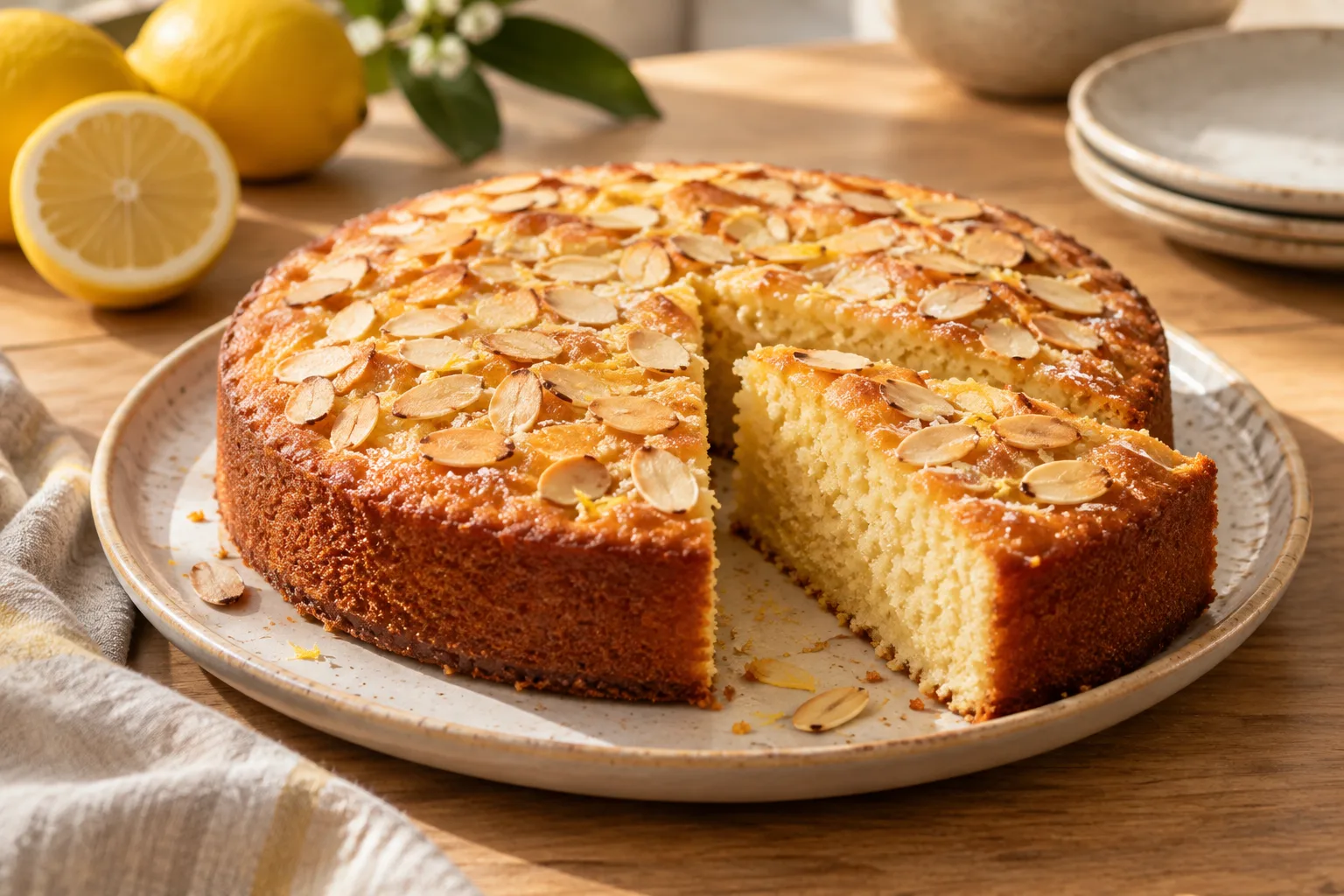
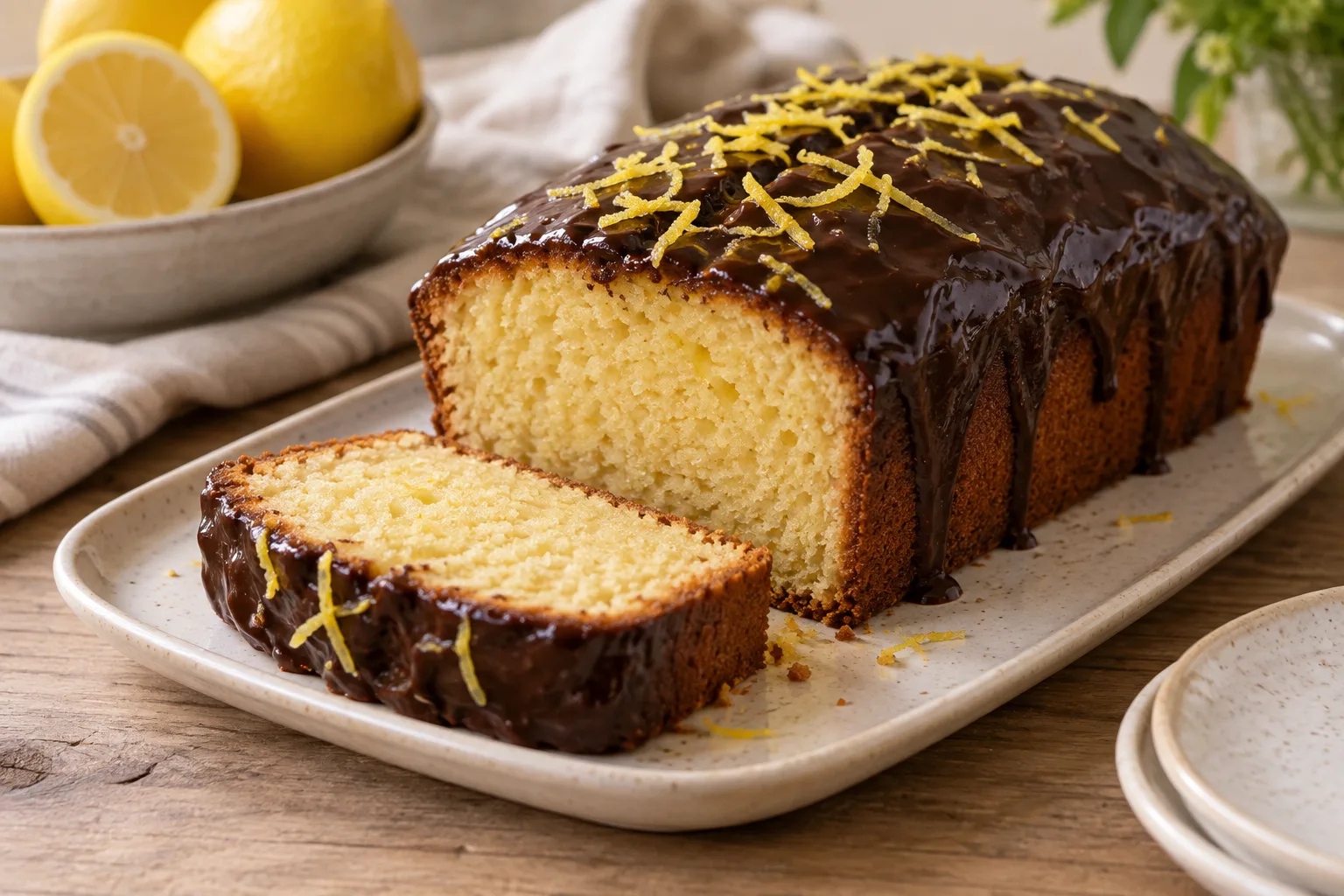
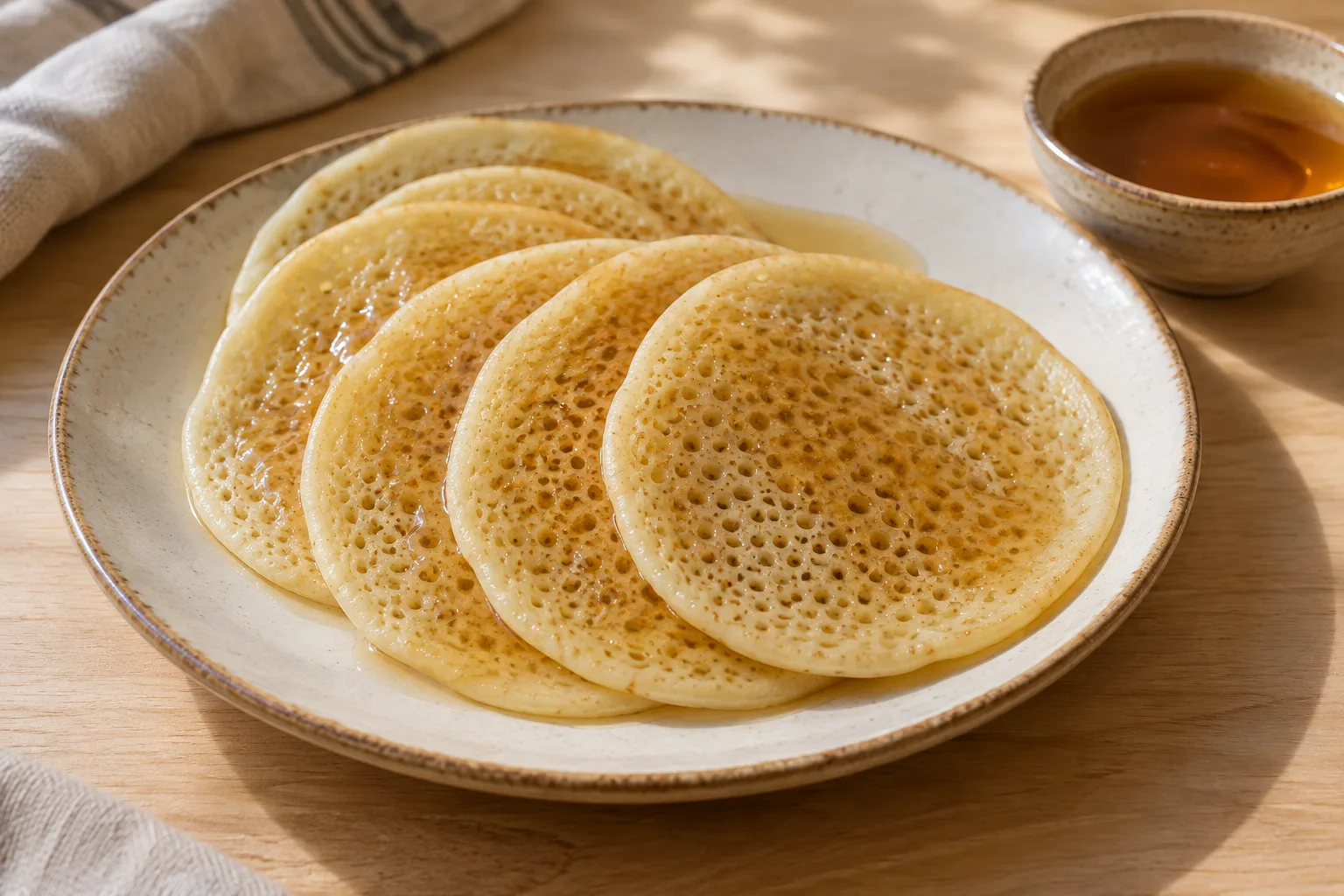
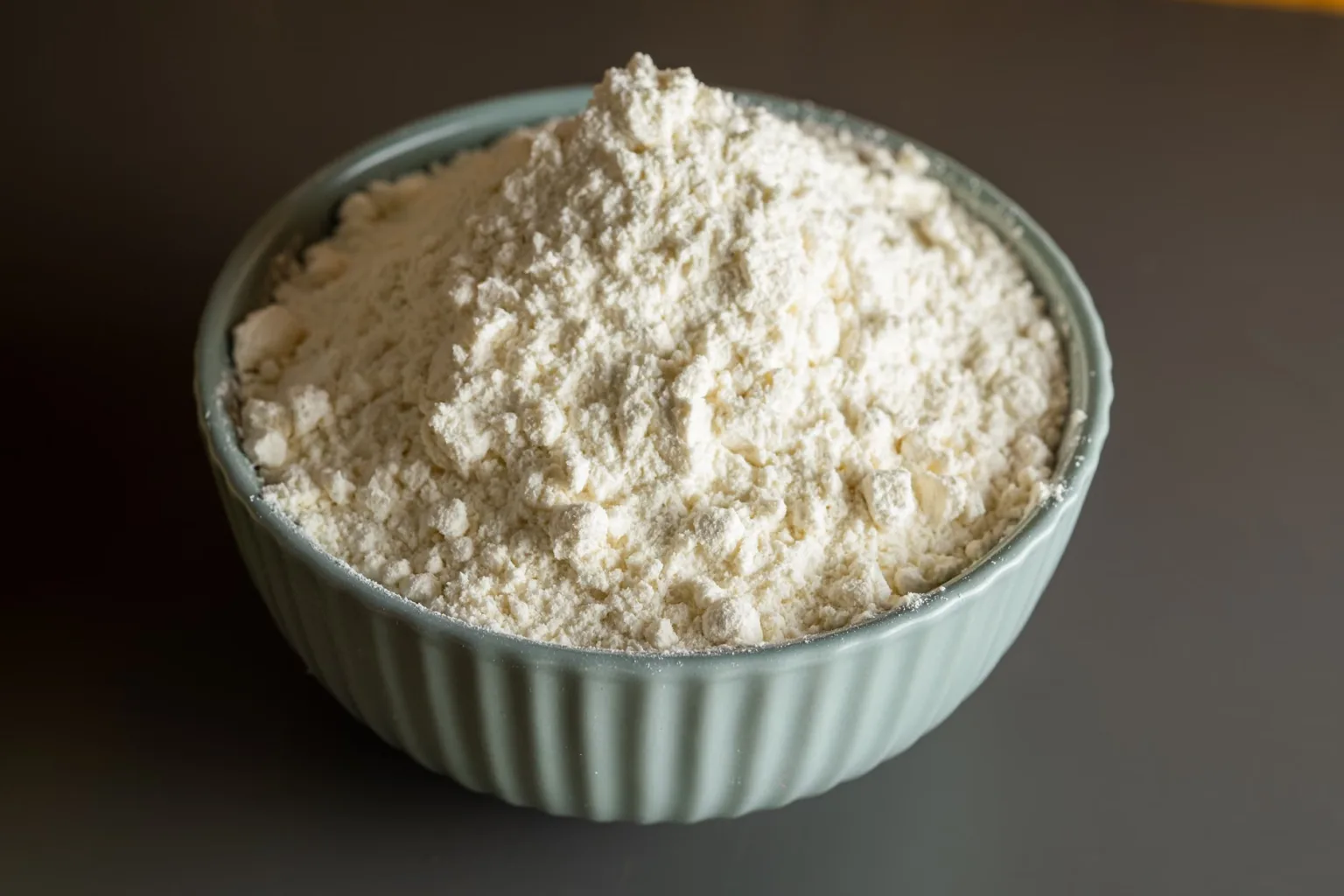
Baking powder is a chemical leavening agent used in baking. Unlike baker’s yeast, it does not rely on fermentation by microorganisms: baking powder is described as a combination of chemical components, commonly baking soda and an acidifying ingredient, that produces gas and helps a mixture rise. It is sold as a powder and is used in preparations such as cakes, cookies and pancakes. The name can be confusing, but baking powder is not a direct replacement for baker’s yeast in recipes that rely on fermentation. Product composition and specific directions may differ, so identify the product by its label and follow the recipe’s instructions.
When to use it
Use it when a recipe calls for baking powder, especially in baked goods such as cakes, cookies and pancakes. It suits mixtures that rise through chemical leavening, rather than recipes that depend on the fermentation of baker’s yeast. Unlike fermentation, the usual use of baking powder does not require setting the mixture aside to ferment before baking. If a recipe simply says “yeast,” check which kind it means before adding anything: the names are used differently, and the products do not work in the same way. Choose the leavener specified by the recipe whenever possible.
How to use it
Check that the recipe calls for baking powder, then measure the amount it specifies; do not automatically replace it with fresh or dried baker’s yeast. Add it according to the recipe’s method and order, mixing it into the preparation as directed. Baking powder provides chemical gasification and does not need a prior fermentation or resting stage like baker’s yeast; continue with cooking as the recipe instructs. If you are out, baking soda combined with an acidic ingredient may be an option, but this requires adjusting the formula and may not produce the same result. The available evidence does not establish one universal substitution ratio for every recipe, so avoid changing quantities blindly.
Flavour and texture
Its main role is to help a mixture rise and develop a more aerated structure in baked preparations. Sources describe chemical baking powder as a gas-producing leavener and distinguish it from live baker’s yeast, which can contribute fermentation-related flavor notes. The final result also depends on the other ingredients and the method used. Do not add extra powder to try to correct a mixture without checking the recipe: changing the amount can affect the result, and the available evidence does not establish a general dose for every product.
How to choose it
Choose a package clearly labelled baking powder, and do not mistake it for fresh or dried baker’s yeast. Read the label to identify the product and check the ingredient, durability, storage and use information supplied by the manufacturer. Product composition can vary, so follow the package directions and recipe rather than assuming every product is identical. If a recipe names a particular leavener, check that the product you buy is the same type.
Storage
Follow the storage and durability directions on the package. Food information should provide storage or use instructions when a product requires special conditions; those directions depend on the specific product. The available evidence does not support setting a universal temperature, after-opening shelf life or storage method here. Keep the label or package available so you can check the manufacturer’s instructions, and consult the stated date before use.
Substitutions
One possible alternative is baking soda combined with an acidic ingredient; baking soda with yogurt is also described as an option. These substitutions require recipe adjustments, including the amount of liquid where relevant, and the available evidence does not provide one reliable equivalence for every preparation. Fresh or dried baker’s yeast works through fermentation, while baking powder leavens chemically, so do not swap them automatically. When a recipe depends on a particular texture or process, use the leavener it specifies.
Common mistakes
A common mistake is confusing baking powder with live baker’s yeast and expecting the two to behave alike. Baking powder chemically leavens preparations such as cakes and pancakes, while baker’s yeast ferments and usually needs resting time. Another mistake is replacing baking powder with baking soda without adding an acidic ingredient or adjusting the recipe. Avoid applying a conversion from a different preparation without checking its ingredients and instructions: no single ratio suits every mixture.
Safety and allergens
Read the label and follow the product’s use, storage and durability instructions. Product composition can vary; if you have an allergy or intolerance, check the ingredient list and allergen information on the package before use. The available evidence does not identify a specific allergen that can be attributed to all baking powders.
Culinary uses
- Agente leudante para masas de repostería
- Ayuda a crear una miga más aireada en preparaciones horneadas
Recommended techniques
- Mezclar con los ingredientes de la receta siguiendo sus instrucciones
- Incorporar sin esperar una fermentación o reposo previo de la masa
Pairs well with
- Bizcochos y pasteles
- Tortitas y galletas
Frequently asked questions
Is baking powder the same as baker’s yeast?
No. Baking powder is a chemical leavener that produces gas in a mixture; baker’s yeast works through fermentation. They are not automatically interchangeable.
Does batter made with baking powder need to rest?
It does not need a prior fermentation rest like dough made with baker’s yeast. Follow the recipe’s method and cooking instructions.
Can I replace baking powder with baking soda?
Baking soda can be combined with an acidic ingredient as an alternative, but the recipe needs adjustment. There is no universal equivalence guaranteed to work in every preparation.
Estimated nutrition
- Fat
- 0 g
- Saturates
- 0 g
- Carbohydrate
- 0 g
- Sugars
- 0 g
- Protein
- 0 g
- Salt
- 14.58 g
Sources and review
Automatically researched, cross-checked and validated content. Sources consulted:
- En el etiquetado alimentario hay algunas menciones que son obligatorias eletiquetadocuentamucho.aesan.gob.es
- Tipos de levadura, características y usos | IFEMA MADRID ifema.es
- Levadura: qué es, tipos y beneficios bonviveur.com
- Alternativas a la Levadura: Análisis y Comparativa de los Mejores Sustitutos para tus Recetas de Pastelería pasteleriamarianohernandez.es
- Aesan - Agencia Española de Seguridad Alimentaria y Nutrición aesan.gob.es
- Levadura nutricional: ¿qué es y para qué se utiliza? cuidateplus.marca.com
- Todo sobre la levadura y para que sirven cada una de ellas tahonajardines.com
- Levadura | www.cocinista.es cocinista.es
- Qué es la levadura, qué tipos hay y cómo usarla en nuestras recetas directoalpaladar.com
- Conoce los tipos de levadura que existen y todos los usos que se le dan en la cocina | Gastrolab gastrolabweb.com
- Tipos de Levadura y usos en la Cocina - Postres Originales postresoriginales.com
- Levadura nutricional: Qué es, propiedades y recetas | Cocinatis cocinatis.com
- Romanica Olomucensia : «¿Qué pinga es esto?». Usos disfemísticos en el español de Cuba doi.org
- Pan - Wikipedia, la enciclopedia libre es.wikipedia.org
- Cómo sustituir ingredientes de cocina en repostería: levadura, mantequilla, huevos, azúcar, gelatina... abc.es
- Los tres mejores sustitutos de la levadura para ayudarte en caso de apuro elconfidencial.com
- Equivalencias de levadura fresca, seca y en polvo | Guiadecocinafacil guiadecocinafacil.com