- Category
- Baking
- State
- Powdered
- Usual unit
- teaspoon
What it is
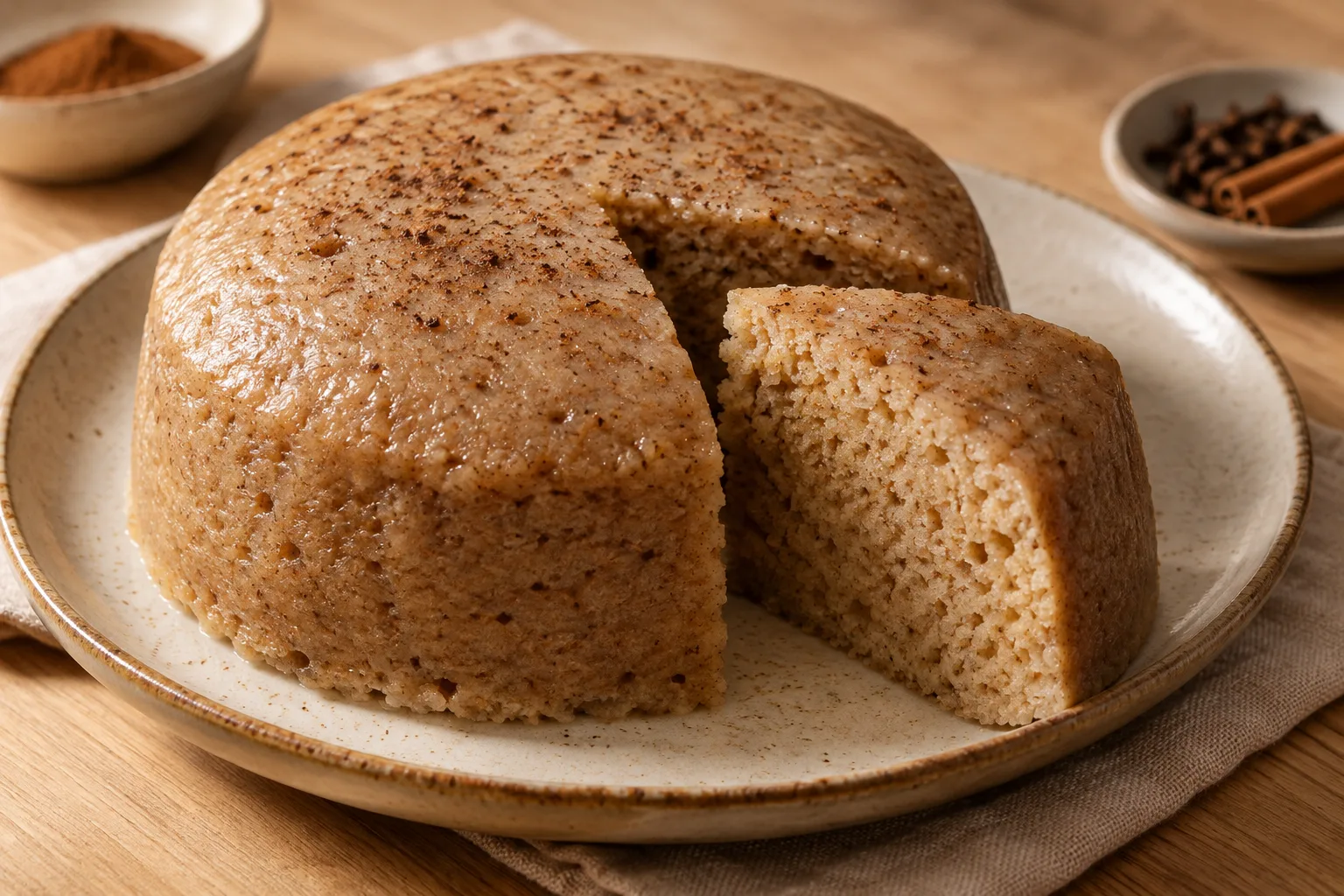
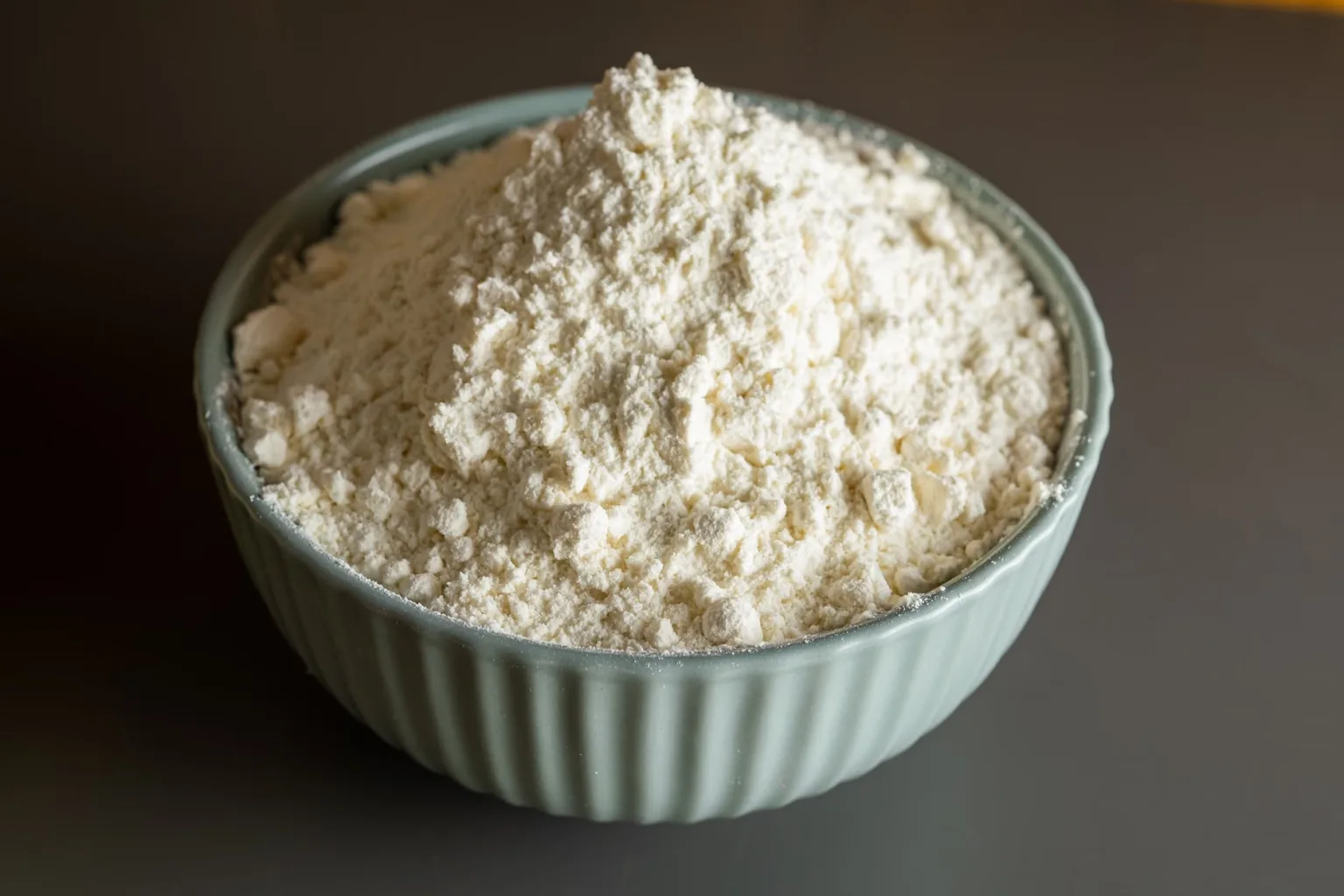
Baking soda, also called sodium bicarbonate, is a solid compound commonly sold as a white powder. In cooking, it is used mainly as a chemical leavener: when combined with an acidic ingredient and liquid, it can release carbon dioxide, whose bubbles help some mixtures rise. It is not the same as baking powder, which already combines baking soda with an acidic component and other ingredients. They therefore cannot always be exchanged without changing the recipe. A white powder’s appearance alone does not confirm that it is suitable for cooking: check the product name and package directions.
When to use it
Use it when a recipe calls for it and includes an acidic ingredient, such as yogurt, buttermilk, lemon juice, or vinegar, as well as liquid. It is commonly used in recipes for cakes, cookies, and other baked mixtures that benefit from gas produced during the reaction. It is also described as a way to moderate acidity in some tomato sauces, soups, purées, or fruit preparations, but this depends on the recipe and should be approached carefully. Do not add it by guesswork to any mixture: the balance of baking soda, acidity, and liquid affects the result.
How to use it
Read the recipe first and measure the amount it specifies rather than improvising. For a batter or dough, you can mix the baking soda with the dry ingredients and combine them with the wet ingredients close to cooking time, as the recipe directs. An acidic ingredient and liquid allow carbon dioxide to form; heat also plays a part in its leavening action. Once incorporated, follow the next recipe step rather than leaving the mixture to stand without guidance. For acidic preparations such as some sauces, add only the amount stated in a reliable recipe and taste carefully: too much baking soda can leave an unpleasant flavor.
Flavour and texture
Dry baking soda tastes slightly bitter and salty, with an alkaline note. In a well-formulated mixture, it should not dominate the flavor: its reaction with acidic components helps create bubbles that can produce a lighter, softer texture. If the recipe does not contain enough acidity, or if too much is added, the result may have an unpleasant aftertaste. In a sauce, it can moderate some acidity, but the flavor change depends on the preparation and the amount used.
How to choose it
Choose a product whose package clearly identifies it as baking soda suitable for food use; do not assume that a powder sold for other purposes is interchangeable. Check the ingredient list, directions, and any manufacturer warnings. If you need to manage an allergen, read the specific package information, since product composition and labeling can vary. Keep the original package so you can check the product identity and instructions.
Storage
Store it according to the package directions and keep the powder away from moisture. Close the container after use and keep it clearly identified in its original packaging so it is not confused with other cooking powders or household products. The available information does not support one universal shelf life for every brand: check the date and manufacturer’s directions. Follow any special storage conditions printed on the package.
Substitutions
Baking powder may work in some recipes, but it is not an automatic one-for-one replacement: it already contains an acidic component, and the recipe may need adjustment. Make the change only if the formula allows it or a reliable recipe explains how. Food raising agents may also come as separate components that must be used together according to the package. Do not substitute amounts blindly; check both the product directions and the recipe.
Common mistakes
A common mistake is using baking soda when a recipe does not provide enough acidity and liquid for its leavening reaction. Adding too much can also affect flavor. Do not confuse baking soda with baking powder, which contains other components. Finally, do not use a product without confirming on its package that it is suitable for cooking, and do not disregard its directions.
Safety and allergens
Use only a product identified as suitable for food use, and follow the quantities and directions in the recipe and on the package. Check the specific product’s ingredient and allergen information because labeling can vary. The available evidence does not establish a more specific warning for culinary baking soda.
Culinary uses
- Agente leudante para masas con ingredientes ácidos
- Regulador de acidez en algunas salsas y purés
Recommended techniques
- Mezclar con ingredientes secos y añadir los húmedos cerca del momento de cocinar
- Combinar con un ingrediente ácido y líquido para generar dióxido de carbono
Pairs well with
- Yogur o suero de leche
- Zumo de limón o vinagre
- Cremor tártaro
Frequently asked questions
Is baking soda the same as baking powder?
No. Baking soda is an alkaline compound; baking powder combines it with an acidic component and other ingredients. They are not always interchangeable in equal amounts.
What does baking soda need to help a mixture rise?
In the recipes described, it is combined with an acidic ingredient and liquid. The reaction can release carbon dioxide, forming bubbles that help add volume.
Can I add baking soda to any recipe?
Do not add it without checking the formula. The recipe needs to account for it because the amount and available acidity affect flavor and results.
Estimated nutrition
- Fat
- 0 g
- Saturates
- 0 g
- Carbohydrate
- 0 g
- Sugars
- 0 g
- Protein
- 0 g
- Salt
- 66.75 g
Sources and review
Automatically researched, cross-checked and validated content. Sources consulted:
- En el etiquetado alimentario hay algunas menciones que son obligatorias eletiquetadocuentamucho.aesan.gob.es
- Guía para el control oficial del etiquetado y composición de aesan.gob.es
- Bicarbonato de sodio, el aliado para cocinar | Recetas Nestlé recetasnestlecam.com
- Qué es el bicarbonato sódico, cómo se usa y en qué recetas utilizarlo directoalpaladar.com
- Utilizá el bicarbonato de sodio para cocinar | Recetas Nestlé recetasnestle.com.ar
- Bicarbonato de sodio - Wikipedia, la enciclopedia libre es.wikipedia.org
- ¿Qué es el bicarbonato de sodio y para qué sirve? - Infobae infobae.com
- Mejores Casinos Online en España 2026 - Casinos Seguros y Fiables comidanorteamericana.es
- Utiliza bicarbonato de sodio para cocinar | Recetas Nestlé recetasnestle.com.ec
- Utiliza el bicarbonato de sodio para cocinar | Recetas Nestlé recetasnestle.cl
- Usos del bicarbonato de sodio en la comida - Mejor con Salud mejorconsalud.as.com
- Bicarbonato de sodio en industria alimentaria – Pochteca Materias Primas tienda.pochteca.net
- Bicarbonato de Sodio, Polvo Oral doi.org
- Bicarbonato de sodio en la cocina el ingrediente que transforma tus recetas petitchef.es
- Cómo usar bicarbonato de sodio en la cocina para mejorar los sabores - LA NACION lanacion.com.ar
- ▷ ¿Cómo reemplazar el bicarbonato de sodio en una receta? | Como Cocinar y Comer comococinarocomer.com