- Category
- Herbs and spices
- State
- Fresh
- Usual unit
- unidad
What it is
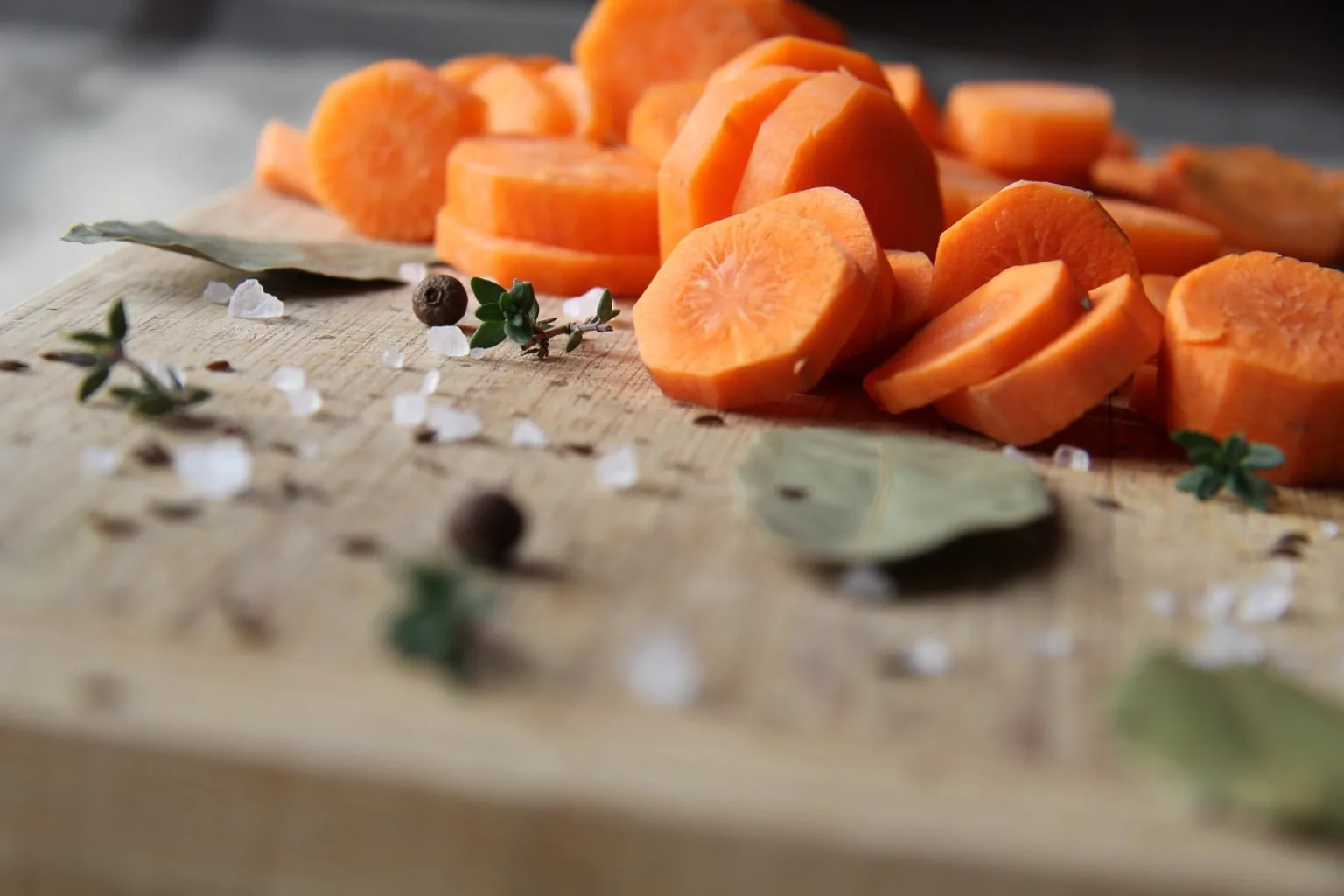
Bay leaf is the aromatic leaf used as a seasoning, most commonly from the culinary bay laurel identified as Laurus nobilis. The leaves are firm and leathery and can be used fresh or dried; a ground form is also available. Its usual role is not to dominate a dish, but to perfume it and add depth to moist preparations. Aroma and strength vary by form: fresh leaves can taste stronger and more bitter, while drying changes their profile and makes them easier to store. Since several plants are called bay or laurel, a common name alone is not enough to identify a wild leaf for cooking.
When to use it
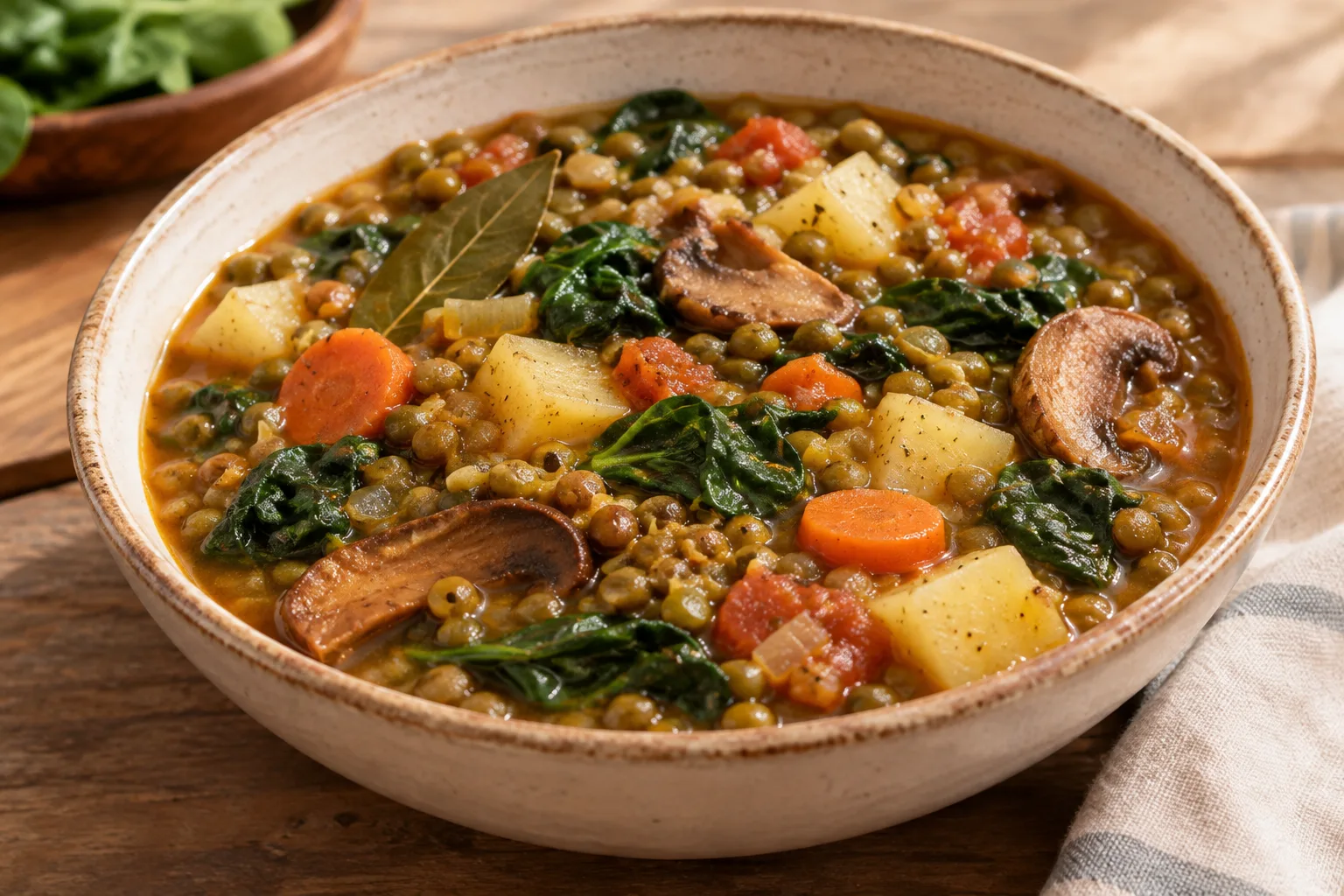
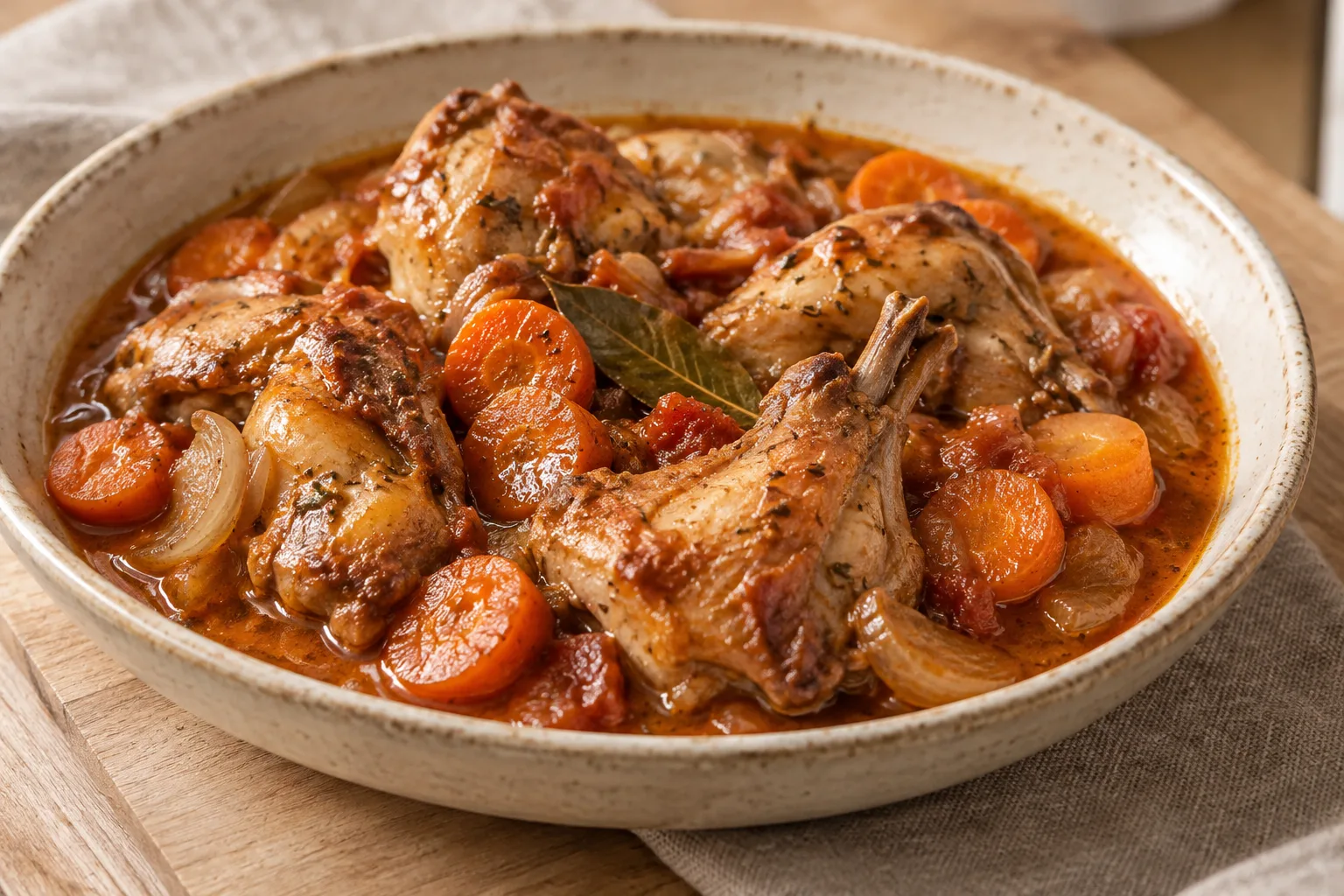
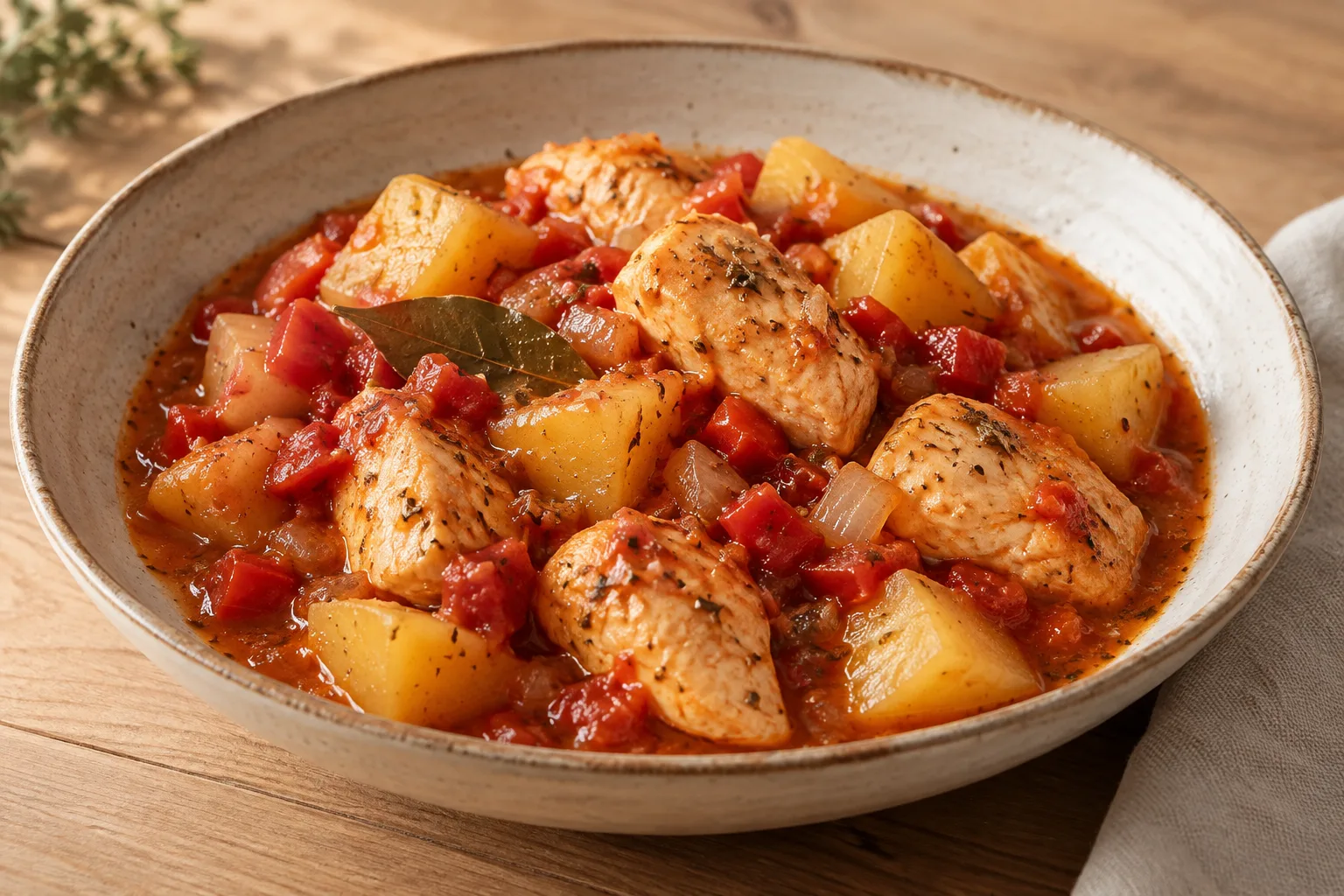
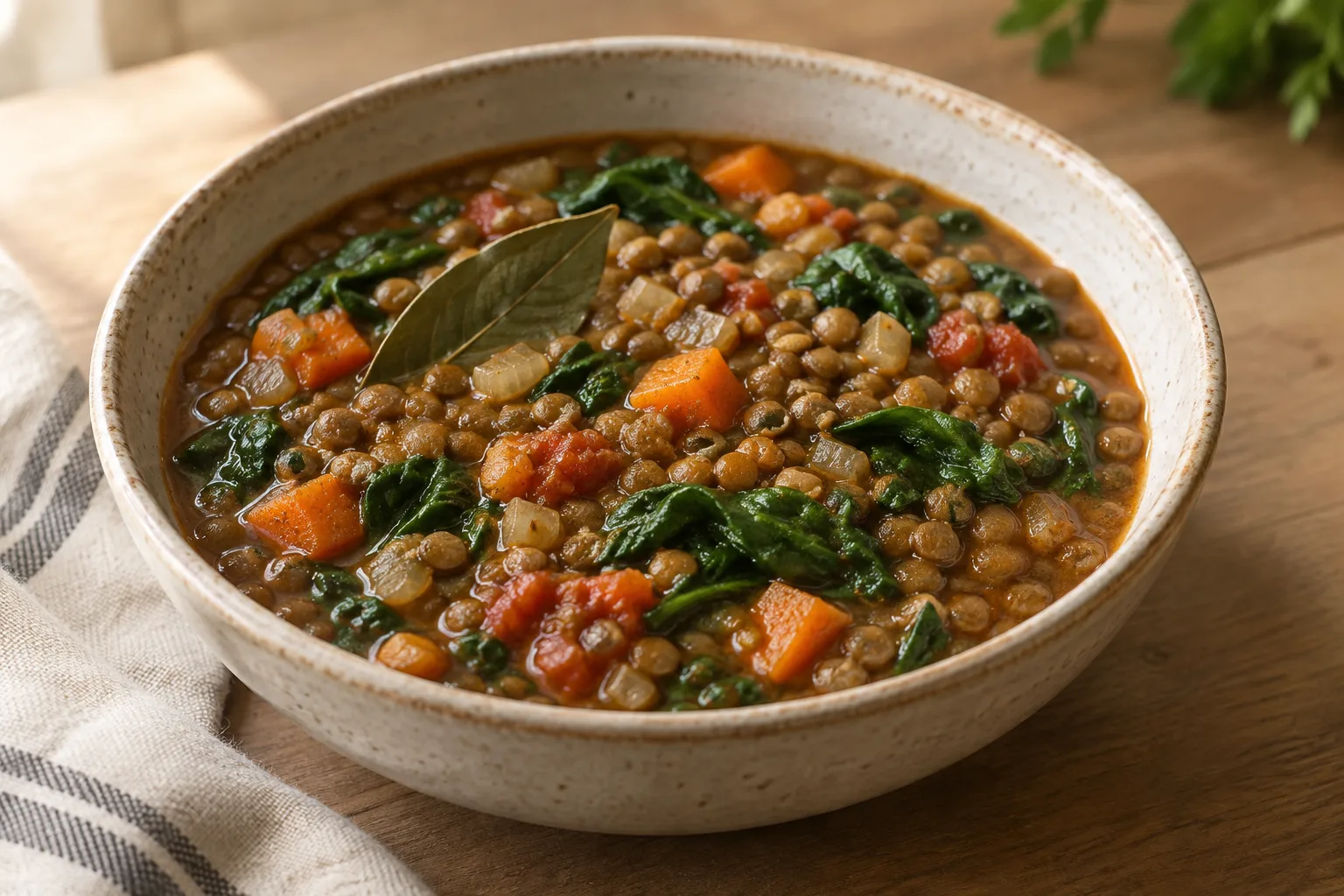
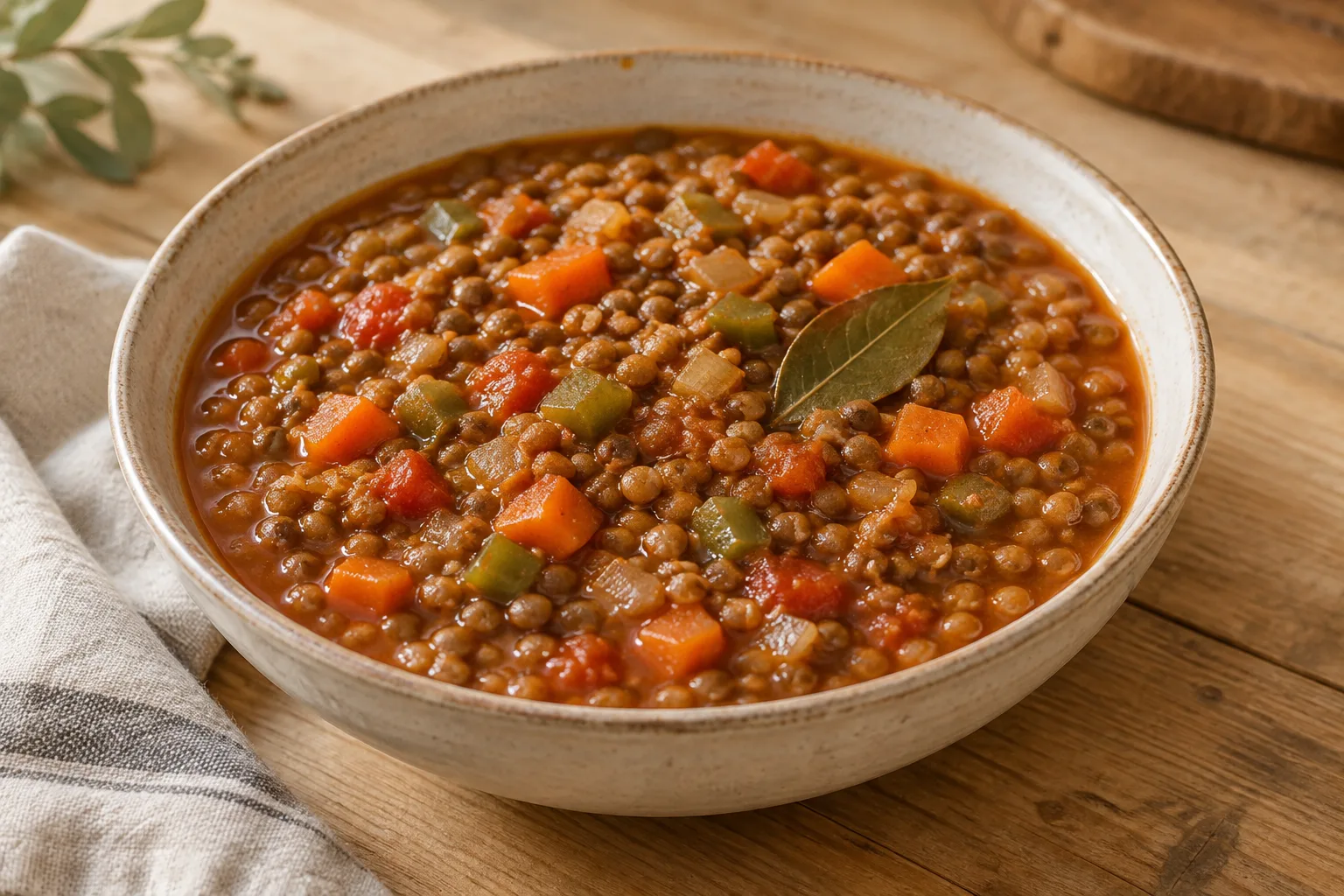
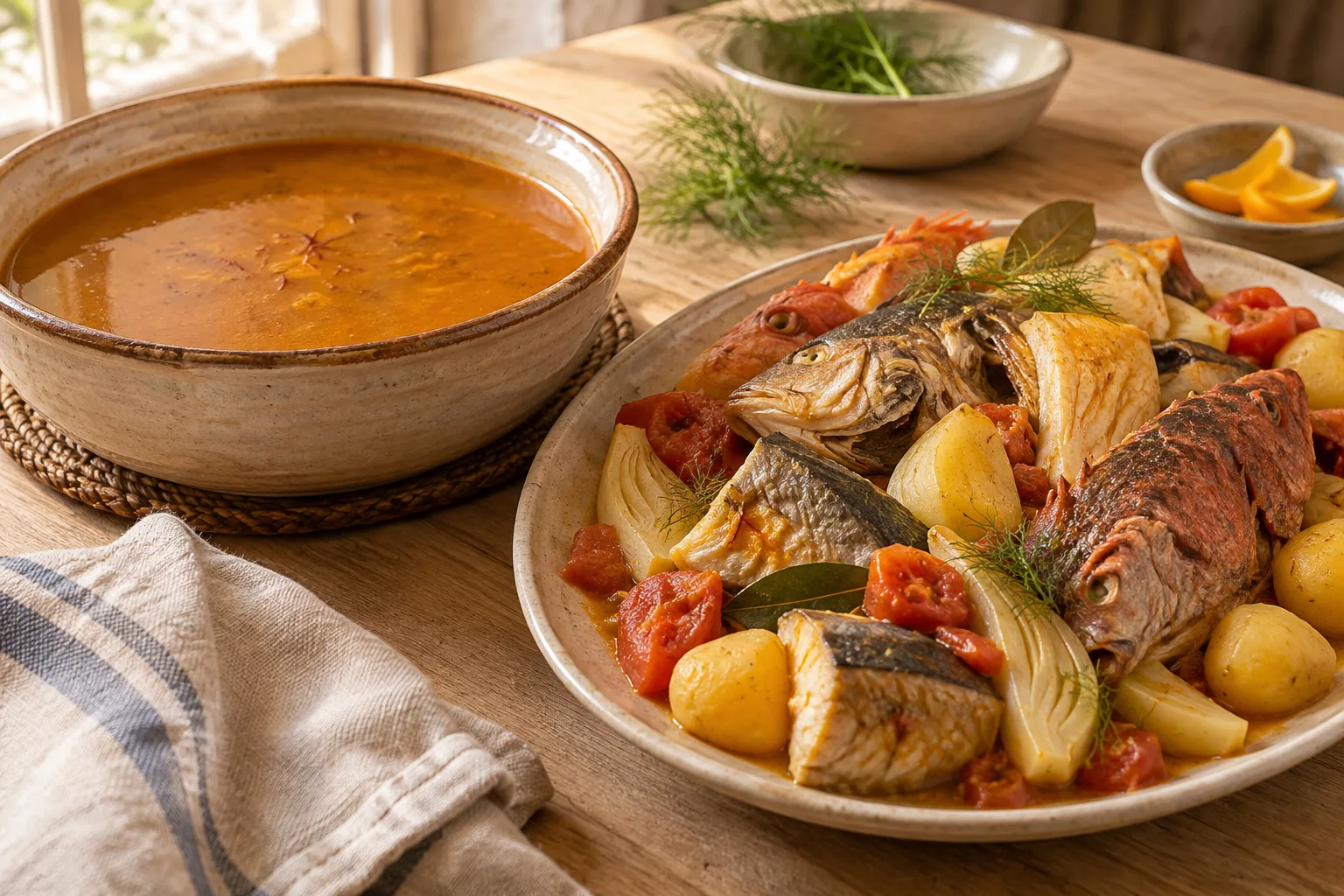
Use bay leaf when you want a lingering background aroma in a preparation with liquid or enough time to infuse. It is especially useful in stocks and soups, beans and other legumes, stews, braises, sauces, marinades and escabeche-style preparations. It can also flavor cooking water, rice, and meat or fish dishes. During a long simmer its aroma gradually blends into the food, so start with a small amount and taste as you go. If a recipe calls for a whole leaf that will be removed later, avoid using ground bay instead.
How to use it
Add a whole leaf to the liquid, sauce, stew or marinade so it can flavor the food as it cooks or rests. Start with a small amount: bay can overwhelm other flavors and become unpleasantly bitter if overused or cooked for too long. Fresh and dried leaves do not have exactly the same strength, so adjust for the form and taste the dish. You can also crush or grind the leaf to distribute its flavor, but use only a little because it cannot easily be removed. Before serving, find and remove whole leaves; they are tough and unpleasant to chew.
Flavour and texture
Bay leaf has a penetrating, herbal, balsamic aroma, with notes that may suggest eucalyptus. Its flavor is aromatic and can become bitter, especially if the leaf is chewed or too much is added. The leaf is firm and leathery, not tender like an herb meant to be chopped and scattered at the end. Fresh and dried forms differ in strength and profile, so taste and adjust rather than swapping them in equal amounts without checking.
How to choose it
Choose leaves identified as culinary bay and check that the package clearly states what it contains. Fresh leaves may be sold in bunches; dried leaves are common and easy to store. If gathering leaves yourself, do not rely only on appearance or a common name: some plants called bay are not suitable for cooking. For dried leaves, choose recognizable leaves without obvious signs of moisture or deterioration.
Storage
Keep fresh leaves refrigerated and plan to use them promptly; the available source notes that they last only a few days in the refrigerator. Store dried bay in a tightly closed container in a dry, dark place, and follow any specific package directions. Dried leaves keep longer, but their aroma fades over time. Protect them from moisture and heat to help preserve their aromatic character.
Substitutions
Dried leaves can replace fresh ones, but not necessarily in the same amount: the sources describe differences in strength and bitterness between the forms, so begin with less and adjust by tasting. Ground bay can also replace a whole leaf when you do not need to remove it later; use it sparingly because its flavor spreads throughout the dish. Neither option reproduces every nuance of the original form exactly.
Common mistakes
The most common mistake is adding too much bay and letting its flavor cover the rest of the dish. Another is leaving the leaf in an excessively long cooking process, which can accentuate bitterness. Remember to remove whole leaves before serving: they are tough and unpleasant to chew. Do not automatically swap a fresh leaf for a dried one in the same quantity, and do not use a wild leaf unless its culinary identity is confirmed.
Safety and allergens
Use only leaves identified for culinary use and follow the package directions for storage and use. Do not eat wild leaves identified only by the common name bay or laurel: not every plant called by those names is culinary bay. Remove whole leaves before serving because they are tough and difficult to chew. If you need allergen information for a packaged product, check its label.
Culinary uses
- Aromatizar cocciones y aportar sabor de fondo
- Condimentar caldos, guisos, marinadas y escabeches
Recommended techniques
- Infusionar durante una cocción lenta
- Añadir a marinadas y escabeches
- Moler o triturar para repartir el aroma
Pairs well with
- Legumbres como lentejas, alubias y garbanzos
- Caldo, sopas, guisos y estofados
- Tomillo, orégano y perejil
Frequently asked questions
Can bay leaves be used fresh or dried?
Yes. Both forms are used in cooking, but their strength and profile can differ. Add a little at a time and taste the preparation.
Should I remove the bay leaf before serving?
Yes, if it was added whole. It is tough and unpleasant to chew, so find and remove it before bringing the dish to the table.
What dishes are bay leaves commonly used in?
They are commonly used in stocks, soups, legumes, stews, braises, sauces, marinades and escabeche-style preparations, where they can release aroma during cooking or resting.
Estimated nutrition
- Fat
- 0 g
- Saturates
- 0 g
- Carbohydrate
- 0 g
- Sugars
- 0 g
- Protein
- 0 g
- Salt
- 0 g
Sources and review
Automatically researched, cross-checked and validated content. Sources consulted:
- En el etiquetado alimentario hay algunas menciones que son obligatorias eletiquetadocuentamucho.aesan.gob.es
- ¿Por qué la muerte es origen de miedos y tabúes? doi.org
- Aesan - Agencia Española de Seguridad Alimentaria y Nutrición aesan.gob.es
- Uso de hojas de laurel | JUST SPICES ® justspices.es
- El laurel de todas las salsas | Hostelería Salamanca hosteleriasalamanca.es
- Laurel: historia, usos culinarios y curiosidades de la planta. spaghettiemandolino.it
- Conoce el poder aromático de las hojas de laurel | Recetas Nestlé recetasnestlecam.com
- El laurel, la hoja fundamental para dar sabor a nuestras cazuelas: qué es, cómo utilizarlo y 13 recetas para cocinar con él directoalpaladar.com
- Hojas de laurel: propiedades, beneficios y usos + para qué sirve ecoinventos.com
- Laurel | www.cocinista.es cocinista.es
- Laurel Hoja sucesoresdeignaciolopez.com
- Saca el máximo provecho al laurel en la cocina hola.com
- Laurel. Qué es y usos en la cocina abc.es
- Gastronomía de la India - Wikipedia, la enciclopedia libre es.wikipedia.org
- Hoja de laurel: conozca cuáles son sus propiedades en la cocina eltiempo.com
- Cómo cocinar con hojas de laurel | Recetas Nestlé recetasnestle.com.ar
- El laurel y la zagam • Texto José Antonio del Valle mapa.gob.es