- Category
- Meat
- State
- Fresh
- Usual unit
- g
What it is
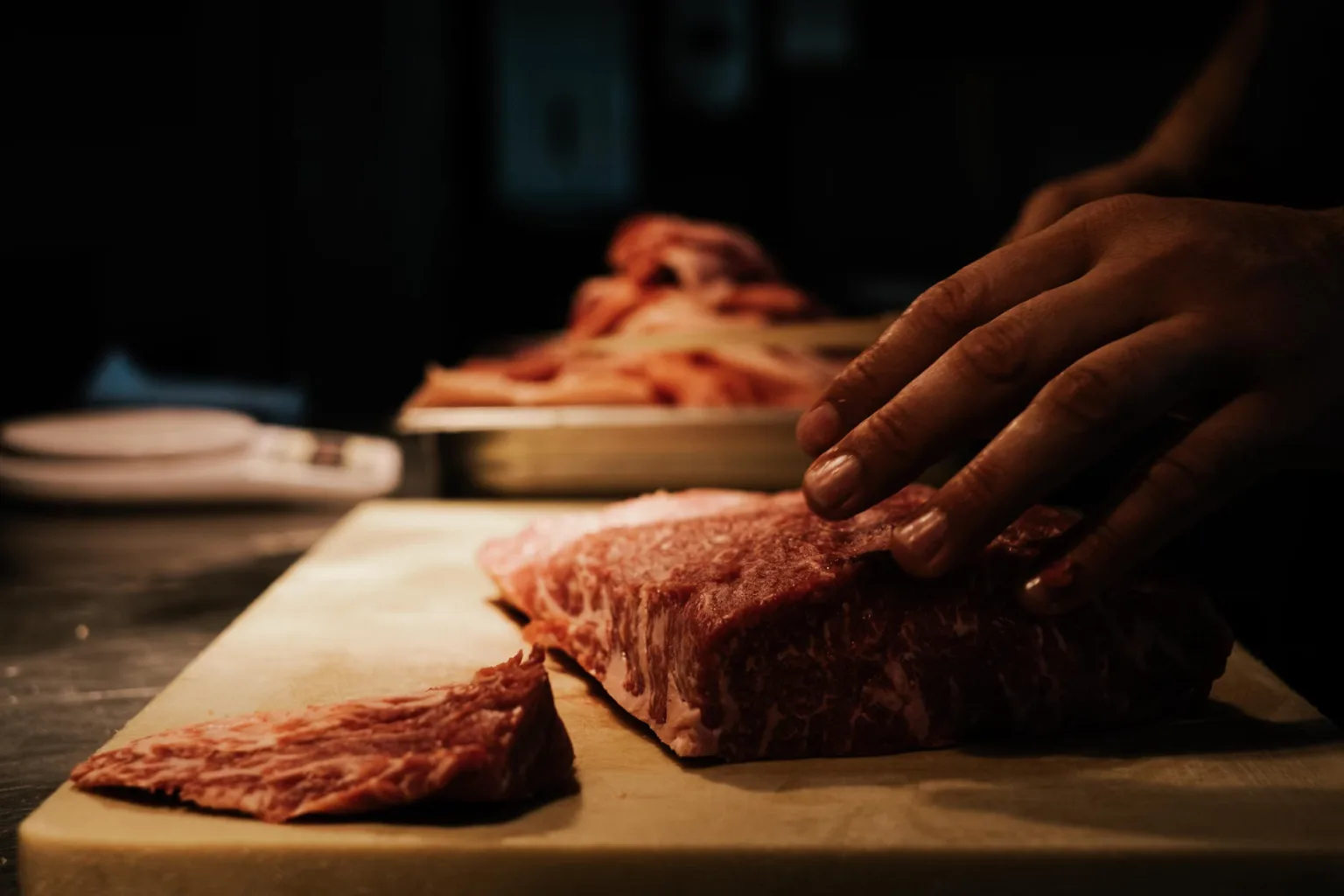
Beef is meat from bovine animals. The available culinary evidence mainly describes cuts sold as veal in Spanish-language sources, rather than establishing that every beef product is identical. The cut matters: loin and tenderloin are described as tender and juicy, while other cuts are leaner or firmer. Cooking guidance therefore depends on the particular cut, its thickness, and the intended result—not simply on the broad name beef. Ask the butcher to identify the cut when you are unsure how to use it.
When to use it
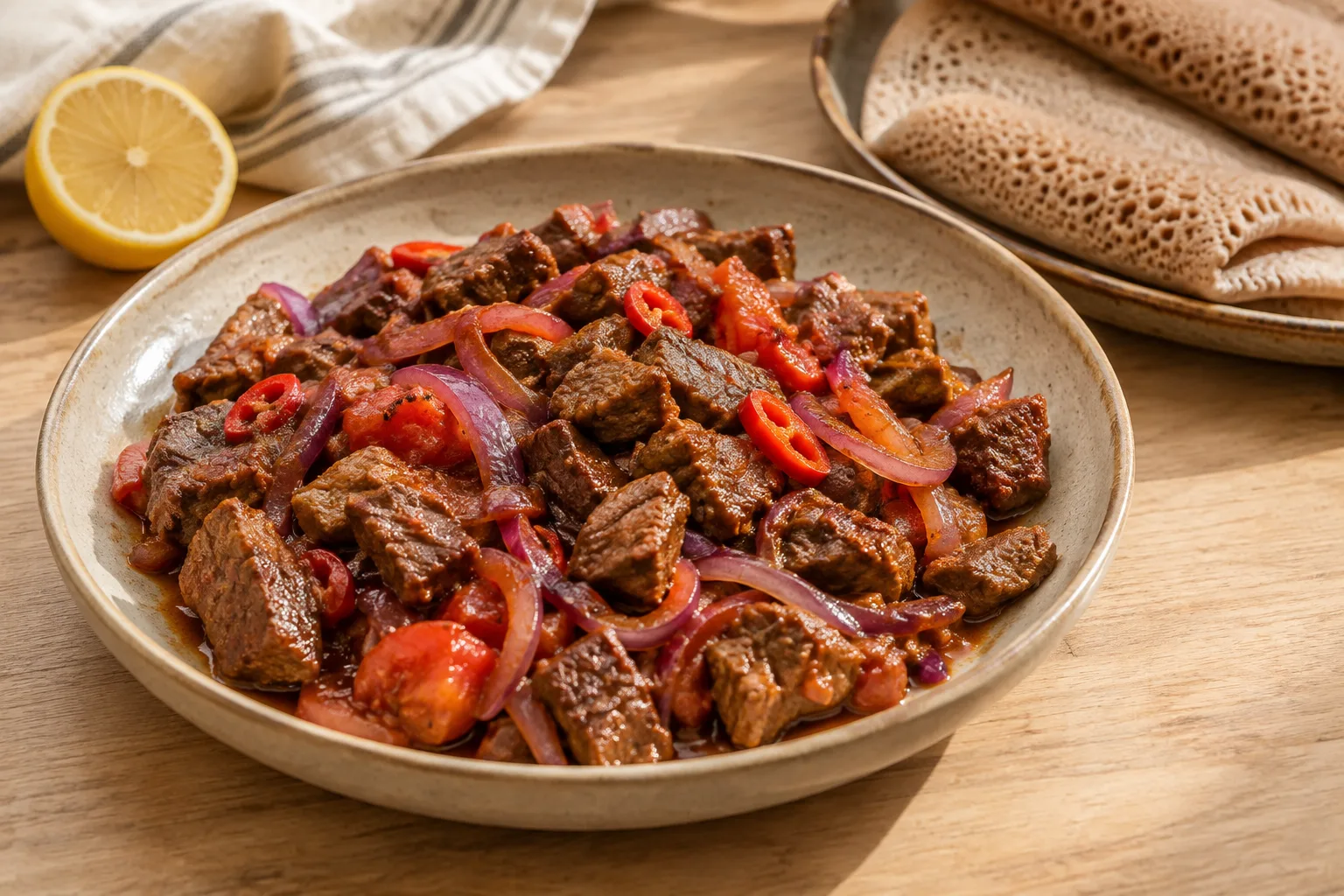
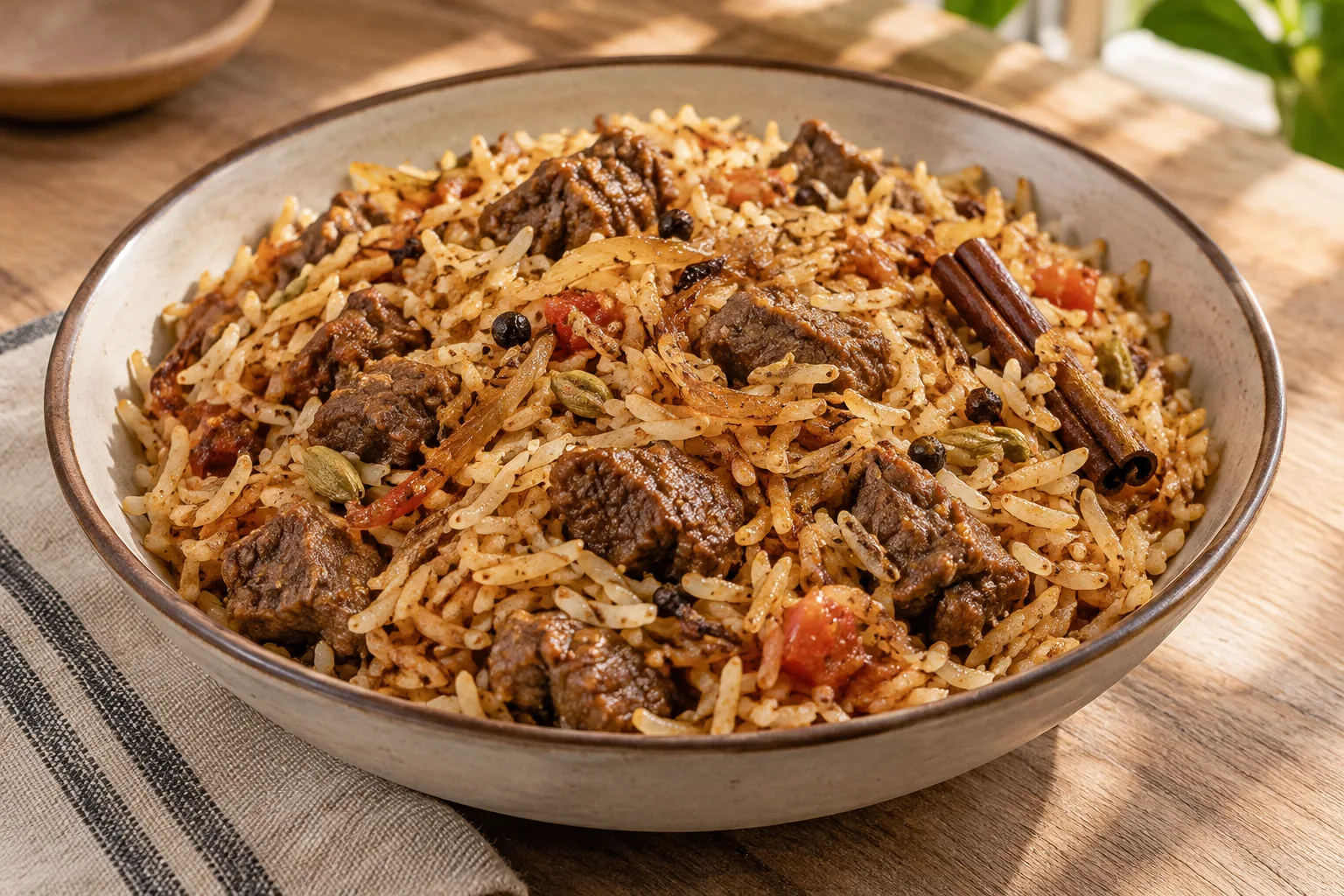
Choose a tender cut such as tenderloin or loin for steaks, medallions, or quick cooking on a griddle or grill. Cuts such as round can be used for roasting, while firmer cuts such as contra or some parts of babilla are suggested for stews. Round is also cited as an option for minced meat. Ask the butcher what cut is available and describe the dish you plan to make: the same piece may not suit every cooking method equally well.
How to use it
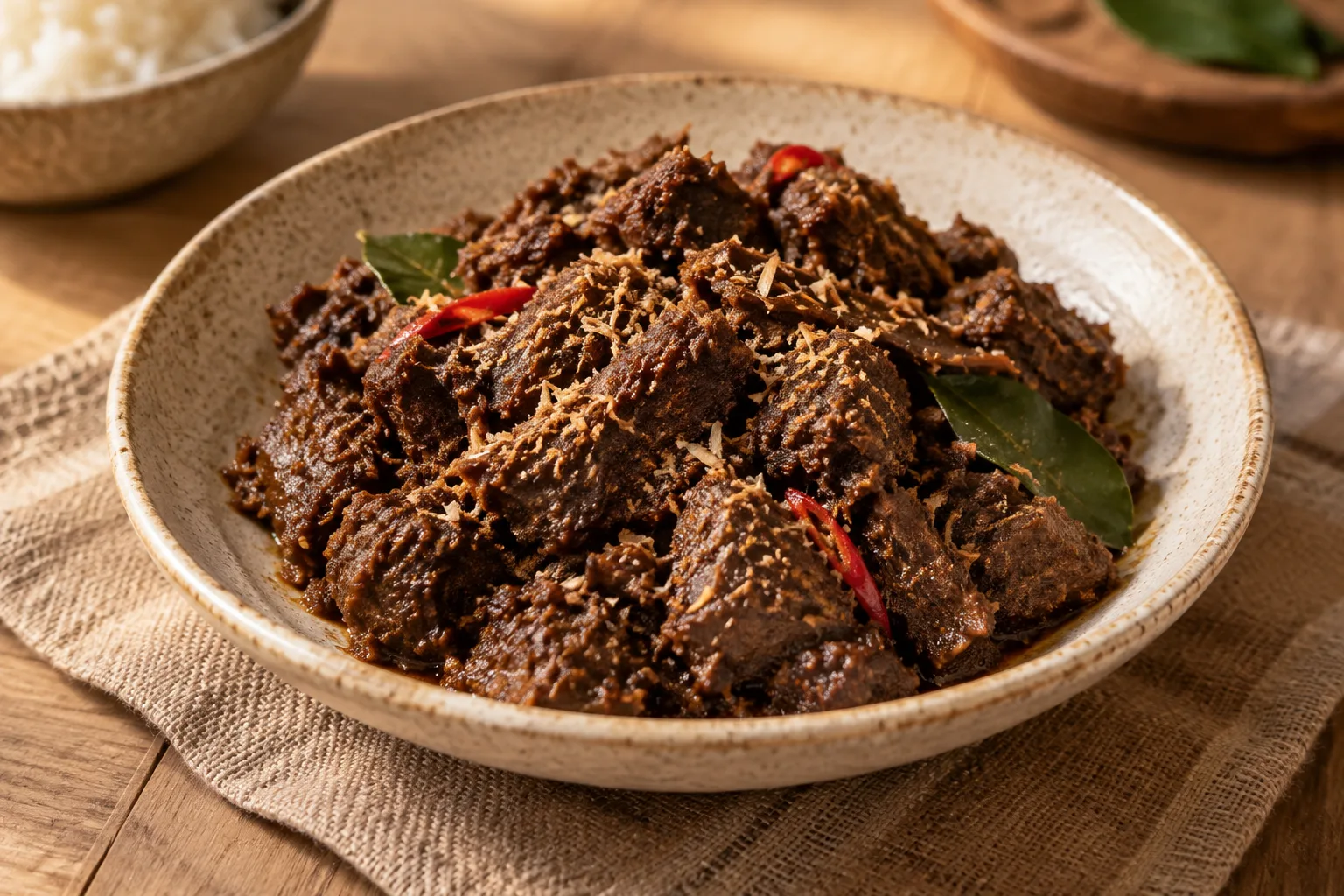
First identify the cut, then match the technique to its firmness. Cook tender cuts quickly in a pan or on a griddle, and reserve firmer cuts for stews or other slow, moist cooking. For a roast, brown the meat before finishing it in the oven; cooking time and heat depend on the cut and thickness, so there is no single duration for all beef. For a stew, brown the meat, add vegetables and liquid, and cook gently until the texture suits the dish. When grilling, keep the meat away from direct contact with flames. If using a slow cooker, thaw the meat first and check cooking with a food thermometer.
Flavour and texture
Flavor and texture vary by cut and preparation. Loin and tenderloin are described as tender and juicy; other cuts may be leaner, firmer, or drier. Surface or internal fat can also affect juiciness and flavor. The cut and cooking method interact, so beef does not have one uniform texture or flavor.
How to choose it
Ask for the cut by name and explain how you intend to cook it; asking only for a tender steak does not identify a specific piece. Choose a cut suited to the method: tender cuts for quick cooking and firmer cuts for stews. If sliced meat carries an origin or certification claim, check the relevant label or documentation when applicable.
Storage
This evidence does not establish a universal storage time or temperature for fresh beef. Follow the product label or supplier’s directions and observe any stated use-by date. If you plan to cook beef in a slow cooker, do not add it frozen: the available guidance recommends thawing it first and keeping perishable food refrigerated until preparation.
Substitutions
Cuts are not universally interchangeable. Round is described as an option for roasting, while contra or a firmer part of babilla may suit a stew. These alternatives do not promise the same tenderness or result as the original cut. Adjust the method to the replacement and ask a butcher about a specific recipe if needed.
Common mistakes
Choosing a method without considering the cut can leave a firm piece tough or use a tender cut in an unnecessarily long cook. Do not assume steaks, roasts, and stew meat all need the same heat or cooking time. Another slow-cooker mistake is adding frozen meat; the available guidance recommends thawing it first.
Safety and allergens
For slow cooking, thaw beef before adding it to the cooker and check that it is cooked with a food thermometer. Follow the appliance instructions and recipe as well; the available guidance does not set one universal time or temperature for every cut and cooking method.
Culinary uses
- Main ingredient for steaks and other quick-cooked portions
- Main ingredient for roasts, stews, and minced-meat preparations
Recommended techniques
- Grilling or cooking on a hot griddle
- Roasting
- Braising or stewing slowly
- Pan-frying or sautéing
Pairs well with
- Vegetables, aromatic herbs, and a cooking liquid such as stock or water
- Wine, herbs, or lemon to build or finish a pan sauce
Frequently asked questions
Which beef cut works for a griddle?
The available evidence describes loin and tenderloin as tender cuts suitable for quick cooking. Confirm the cut with your butcher and account for its thickness.
Which cuts can I use in a stew?
Contra and some firmer parts of babilla are suggested for stewing. The best choice depends on the cut available and the recipe.
Can I put frozen beef in a slow cooker?
No. The safety guidance consulted recommends thawing meat before using a slow cooker and checking doneness with a food thermometer.
Estimated nutrition
- Fat
- 6.25 g
- Saturates
- 4.46 g
- Carbohydrate
- 0 g
- Sugars
- 0 g
- Fibre
- 0 g
- Protein
- 19.6 g
- Salt
- 0.54 g
Sources and review
Automatically researched, cross-checked and validated content. Sources consulted:
- Client Challenge doi.org
- The Essential Glossary of Cooking Terms for the Culinary Arts - Escoffier escoffier.edu
- Agencia Española de Seguridad Alimentaria y Nutrición aesan.gob.es
- Nutrition After Your Transplant - Health Online healthonline.washington.edu
- Glimpses of an 18th century Colonial Kitchen in Manila archium.ateneo.edu
- 1997 Activity Guide purdue.edu
- Safely Using Your Slow Cooker - Live Smart Ohio livesmartohio.osu.edu
- Integrating extensive beef productions into the agro-food ... ageconsearch.umn.edu
- Comparison of Beef Flavor Compounds from Steaks and ... digitalcommons.usu.edu
- A brief historical resume relating to foods in Idaho, ... projects.kora.matrix.msu.edu
- Cortes De Ternera Y Usos Culinarios (I) • ISARO Gastronomía isarogastronomia.com
- La Carne de Ternera: Sabor, Nutrición y Versatilidad en Tu Cocina - The Butcher Society thebutchersociety.com
- Carne de ternera. ¿Por qué debemos consumirla? | MORALON moralon.es
- Ternera Gallega - USOS CULINARIOS terneragallega.com
- Carne de ternera de origen gallego | Vaqueiro Carniceiros vaqueirocarniceiros.com