- Category
- Fruit
- State
- Preserved
- Usual unit
- Variable
What it is
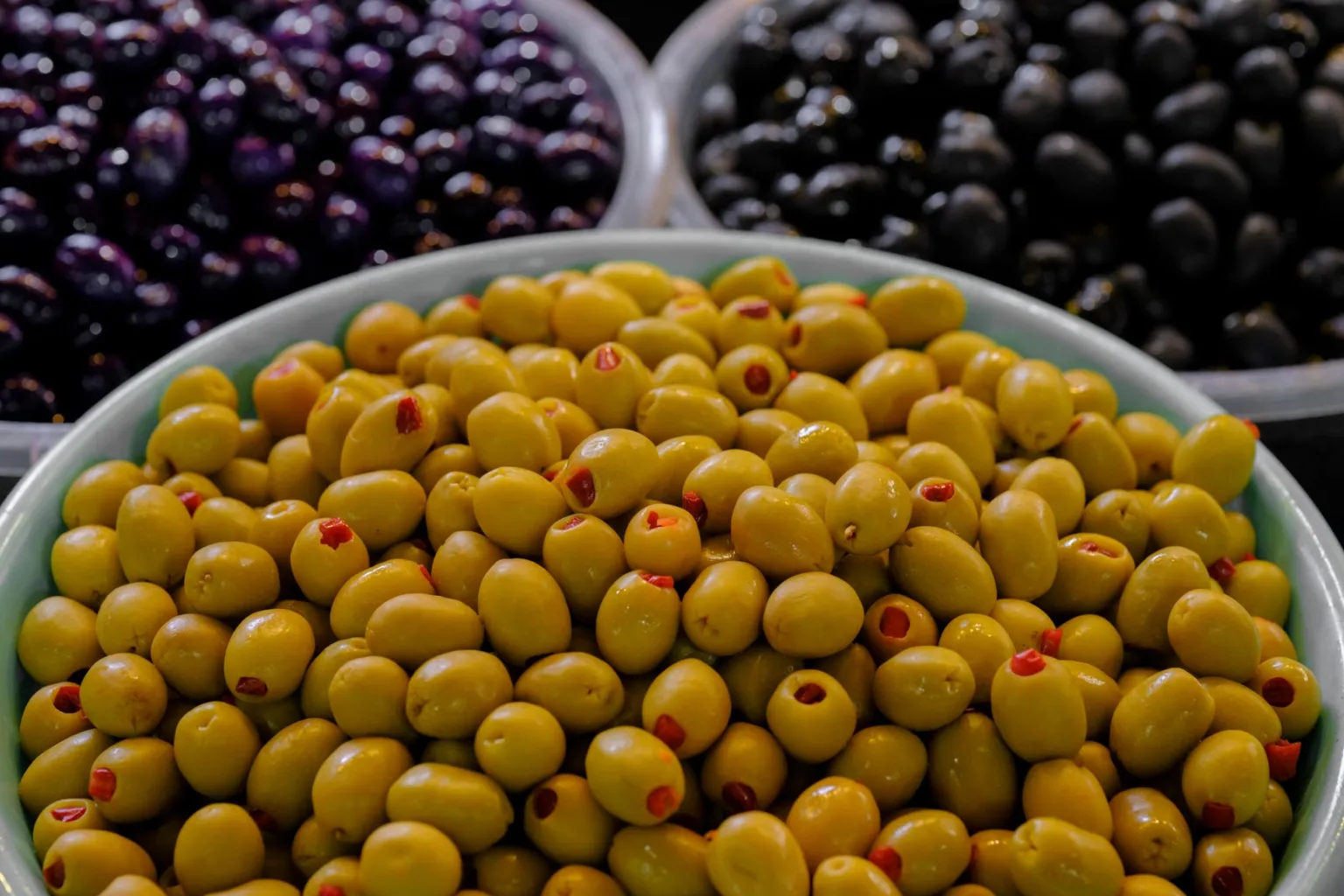
An olive is the fruit of the olive tree, a drupe with flesh surrounding a pit. “Black” describes its appearance, but does not identify one particular variety or process: some black olives are picked ripe, while others are picked green and darkened through oxidation. Table olives are processed to make them edible, for example by curing. As a result, ripeness, processing and format—pitted, unpitted, whole or sliced—can differ from one product to another. Check the package to find out what kind you have.
When to use it
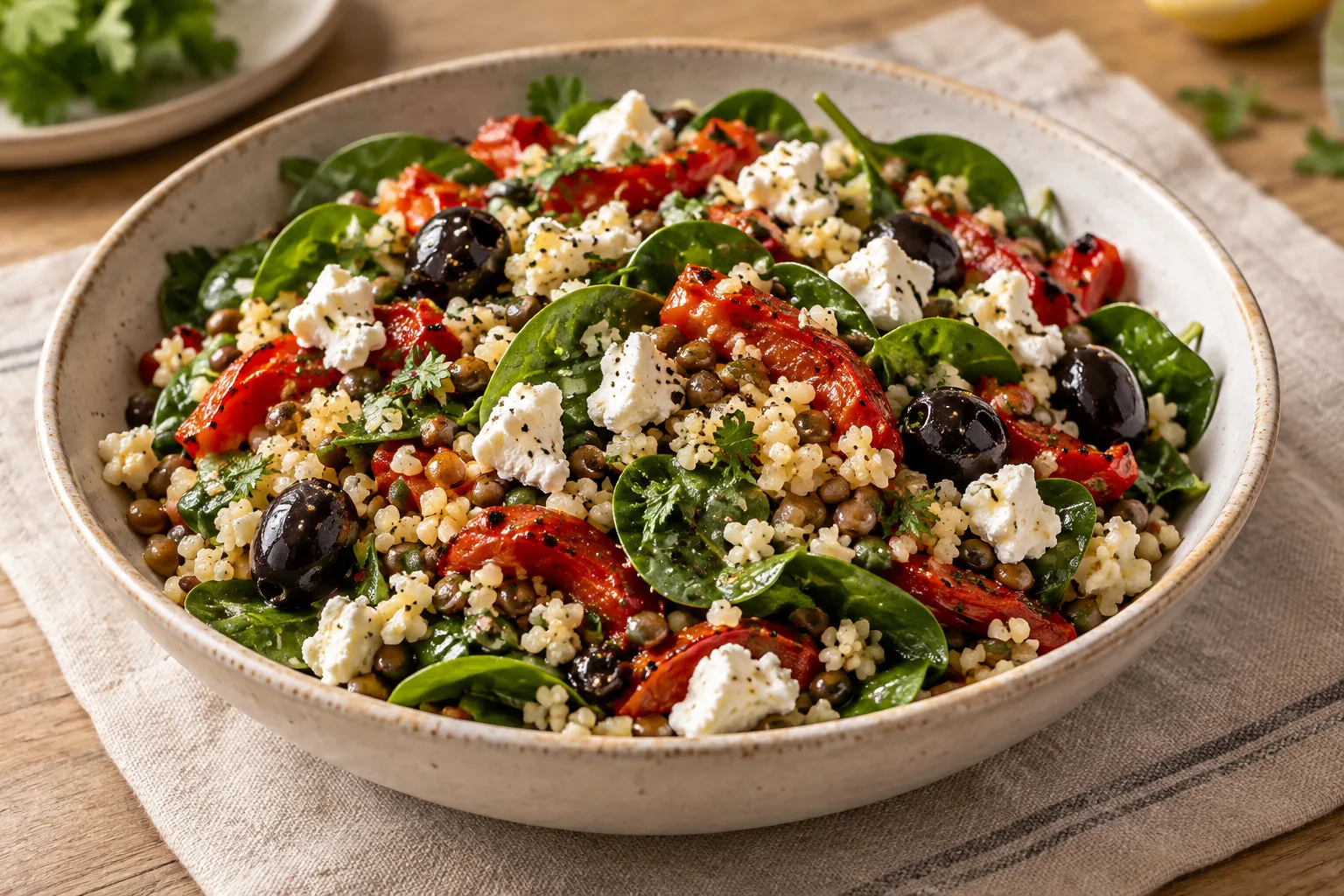
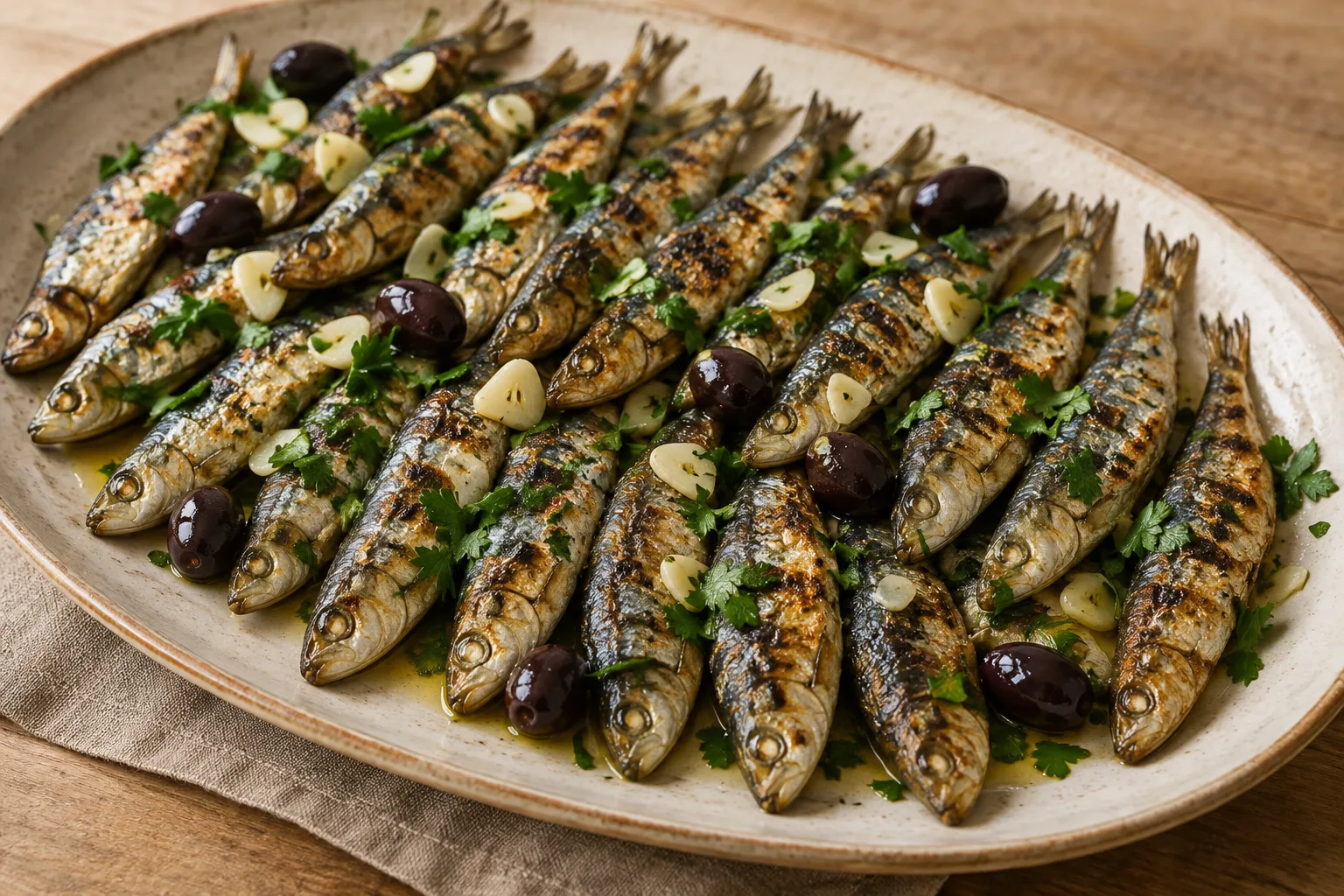
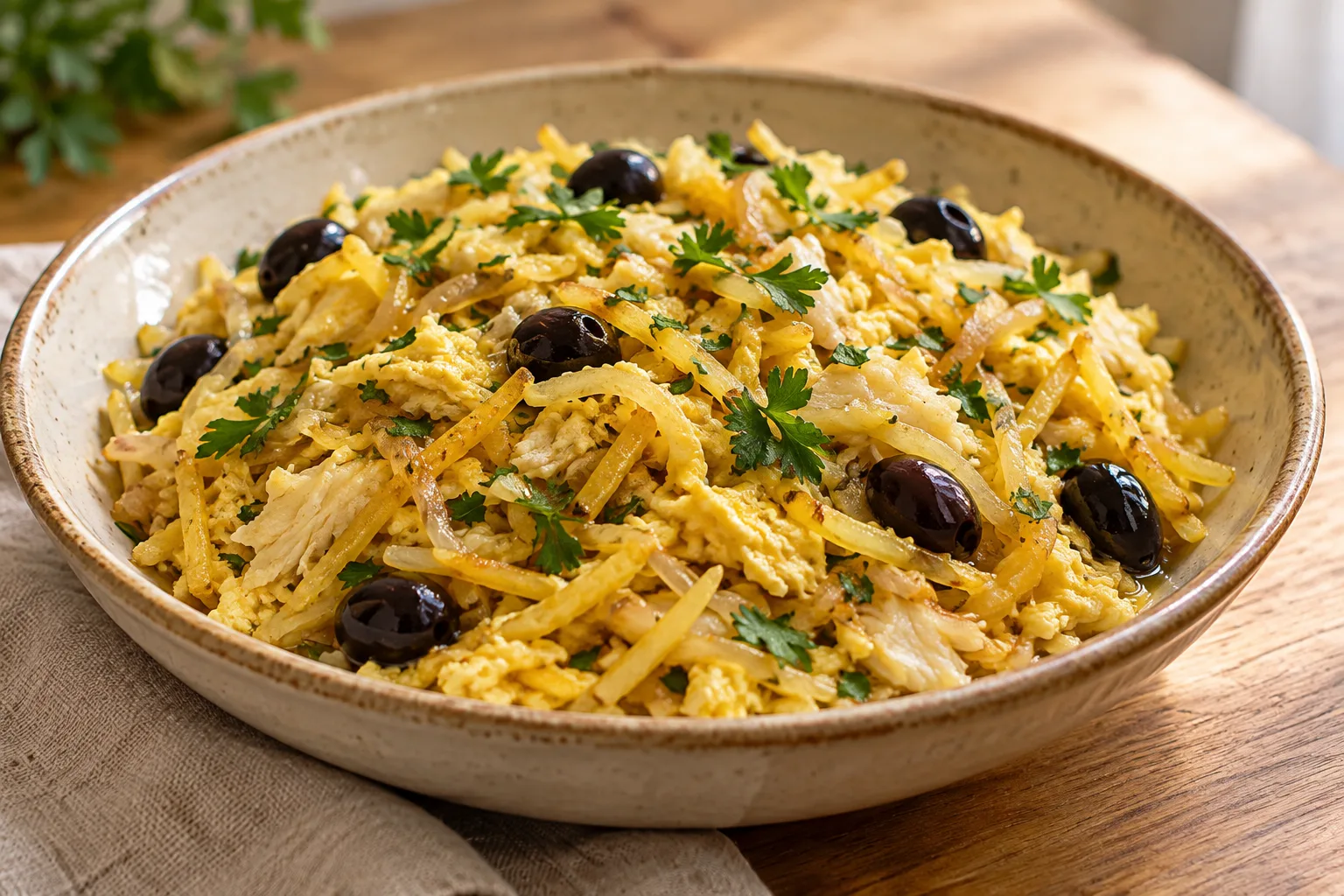
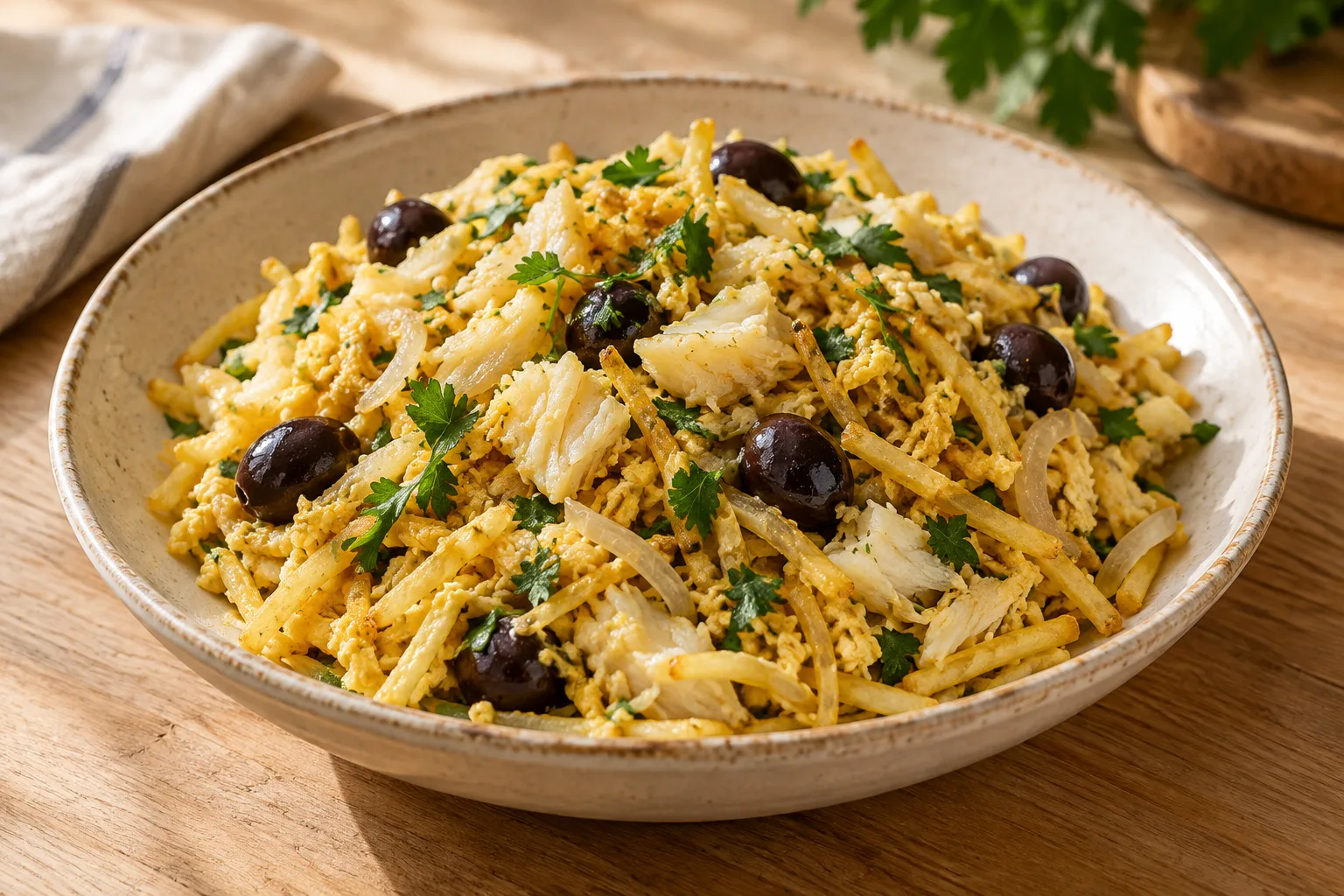
Use black olives when you want a distinct olive flavor in a snack or dish. Whole or cut olives work in salads, pizza and pasta; chopped or blended olives can become a spread. They can also serve as a seasoning or accompaniment. Flavor and texture depend on variety and processing, so taste a small amount before adding them to a delicate recipe and adjust the other ingredients to suit.
How to use it
Check whether the olives are pitted before serving them to anyone who may not expect a pit, or before chopping them for a recipe. Slice or chop them to distribute through salads, pizza and pasta, or mince and blend them into an olive spread. You can also serve them whole as a snack or add them to a salad with other ingredients. Documented combinations include tomato, garlic and capers in pasta dishes, and cheese, vegetables and bread served with a spread. Taste as you go: formats and flavors vary.
Flavour and texture
There is no single flavor profile for every black olive. Depending on the variety and process, the flavor may be mild or pronounced, fruity and somewhat bitter; the texture can range from meaty and tender to firmer. Ripening and curing also affect the result. If a recipe depends on a particular texture, consider whether the olives are whole, pitted or sliced, and taste them before using a large amount.
How to choose it
Choose a format to suit the recipe: whole, pitted or sliced. Read the product name and package information to distinguish, where stated, naturally black olives from olives darkened by oxidation. A black appearance alone does not reveal how the olives were produced. If the pit or texture matters for your dish, check those details before buying.
Storage
Follow the storage and use instructions on the package, since they can differ by product and presentation. Check the stated duration and storage information for packaged olives before storing or eating them. No specific shelf life or universal storage method can be recommended here for every kind of black olive.
Substitutions
Green table olives can replace black olives if the recipe can accommodate a different flavor and texture. You can also choose another style of black olive, such as naturally black or oxidized, but do not expect an identical result: processing changes the product’s characteristics. Taste the alternative before adjusting the rest of the dish.
Common mistakes
Do not assume that every black olive is a particular variety or was picked ripe: some are darkened through oxidation. Also check for pits before chopping or serving. Color, format and processing can affect flavor and texture, so read the package and taste the olives before adding a large quantity.
Safety and allergens
Read the product’s storage and use instructions and check its ingredient and allergen information. For unpackaged olives, ask the seller or food service establishment if you need to confirm that information.
Culinary uses
- Condimento y aperitivo
- Ingrediente para ensaladas, pastas, pizzas y untables
Recommended techniques
- Deshuesar y picar o cortar en rodajas
- Triturar para preparar una pasta de aceitunas
Pairs well with
- Tomate, ajo y alcaparras
- Queso, verduras y pan
Frequently asked questions
Are all black olives picked ripe?
No. Some are picked ripe, while others are picked green and darkened through oxidation. Color alone does not identify the process.
Should I remove the pits before cooking?
That depends on the product and recipe. Check whether the olives are pitted and remove pits before chopping or serving when needed.
How can I use black olives in a meal?
Serve them as a snack, slice them into salads, pizza or pasta, or blend them into a spread. Choose the format that suits the dish.
How should black olives be stored?
Follow the package instructions, since storage depends on the product and its presentation. There is no single recommendation here that applies to every kind.
Estimated nutrition
- Fat
- 20 g
- Saturates
- 2 g
- Carbohydrate
- 1.2 g
- Sugars
- 0 g
- Fibre
- 2 g
- Protein
- 1.2 g
- Salt
- 6.7 g
Sources and review
Automatically researched, cross-checked and validated content. Sources consulted:
- En el etiquetado alimentario hay algunas menciones que son obligatorias eletiquetadocuentamucho.aesan.gob.es
- Aceituna - Wikipedia, la enciclopedia libre es.wikipedia.org
- Client Challenge doi.org
- Aesan - Agencia Española de Seguridad Alimentaria y Nutrición aesan.gob.es
- Aceituna negra - Gastronomía Vasca: Escuela de Hostelería Leioa gastronomiavasca.net
- Conoce para qué sirven las aceitunas negras y sus beneficios agrabamx.com
- Variedades de aceitunas – Aceite Córdoba aceitecordoba.com
- ¿Cuáles son los beneficios de las aceitunas negras? mercantilmx.com
- Todo lo que necesitas saber sobre las aceitunas negras xn--aceitunasdeespaa-lub.es
- Tipos de aceitunas y sus usos en cocina elespanol.com
- Procedencia de la aceituna negra - Aceitunas Guerra aceitunasguerra.com
- Qué tipos de aceitunas existen y qué puedes hacer con ellos academianutricionydietetica.org
- Aceitunas y maridajes: vinos y quesos - Aceitunas Torrent aceitunastorrent.com
- Tipos de aceitunas, cuáles son y cómo elegir las mejores | Cocinatis cocinatis.com
- Explora nuevos sabores con el paté de aceitunas negras Gourmet Leon gourmetleon.es
- Maridajes Perfectos: Las Mejores Bebidas y Cócteles para Acompañar tu Paté de Aceitunas genito.es
- ▷ PREPARAR ACEITUNAS NEGRAS - Aprende a hacer tus olivas negras aceitunaslorente.com