- Category
- Grains, flour and pasta
- State
- Dry
- Usual unit
- g
What it is
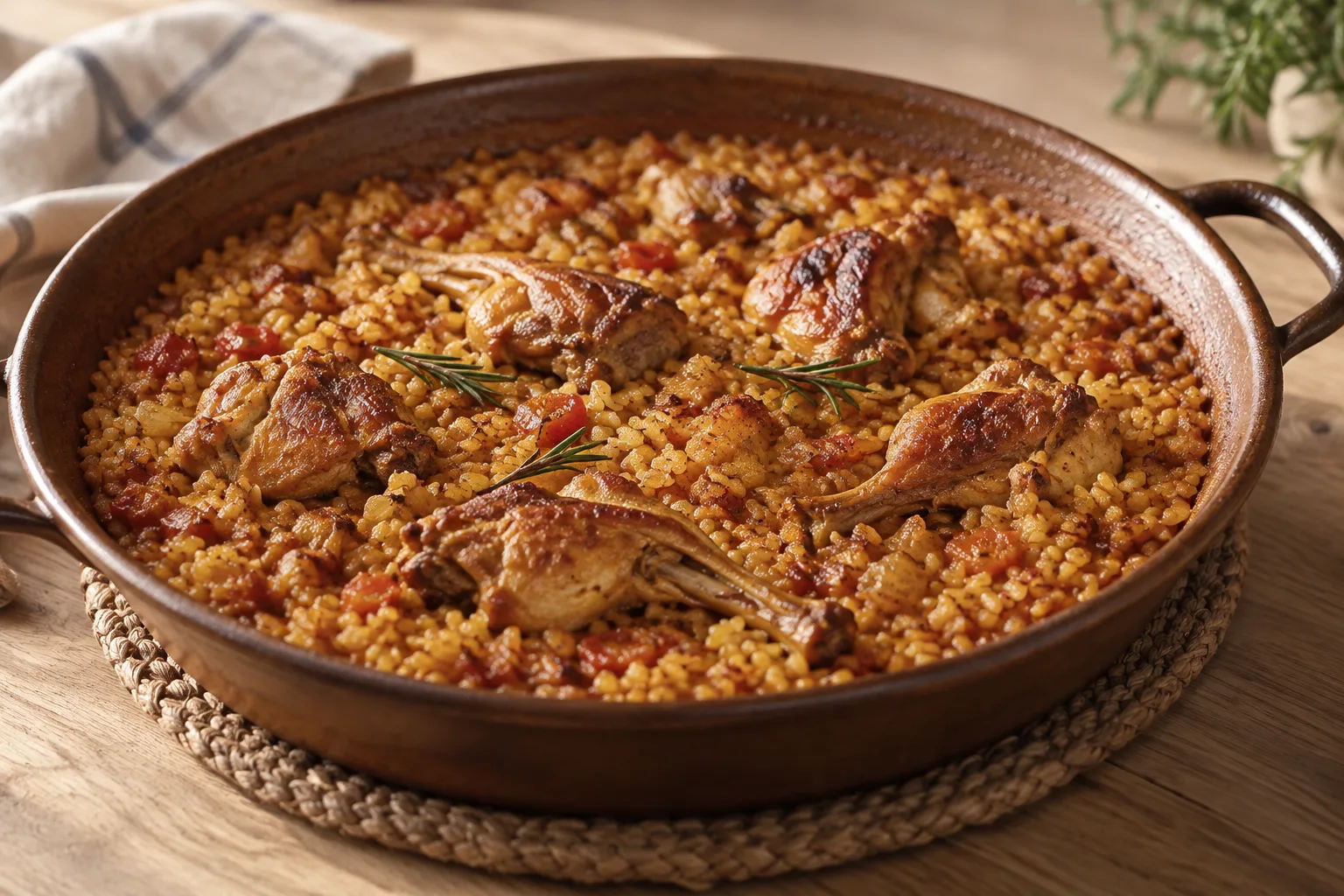
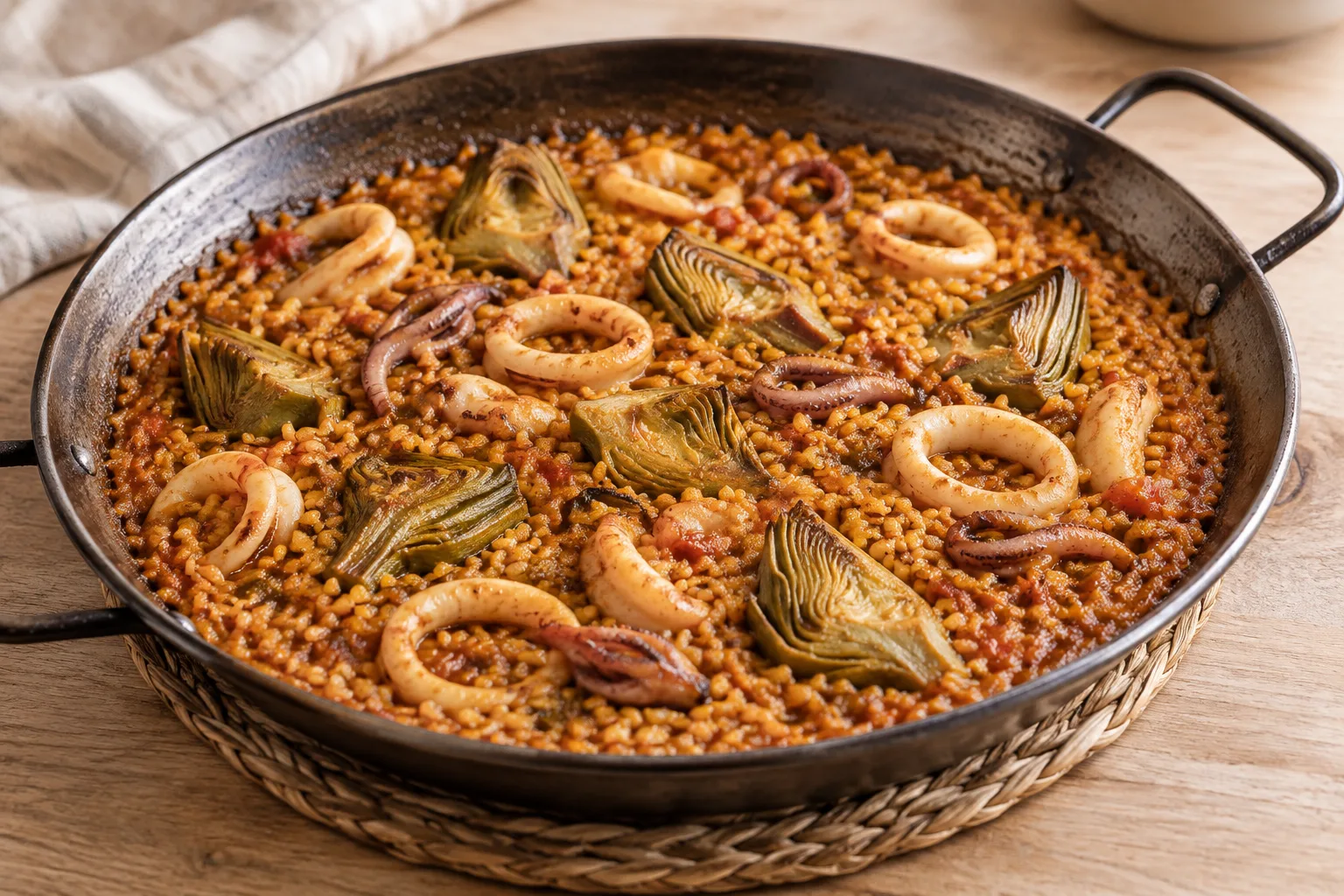
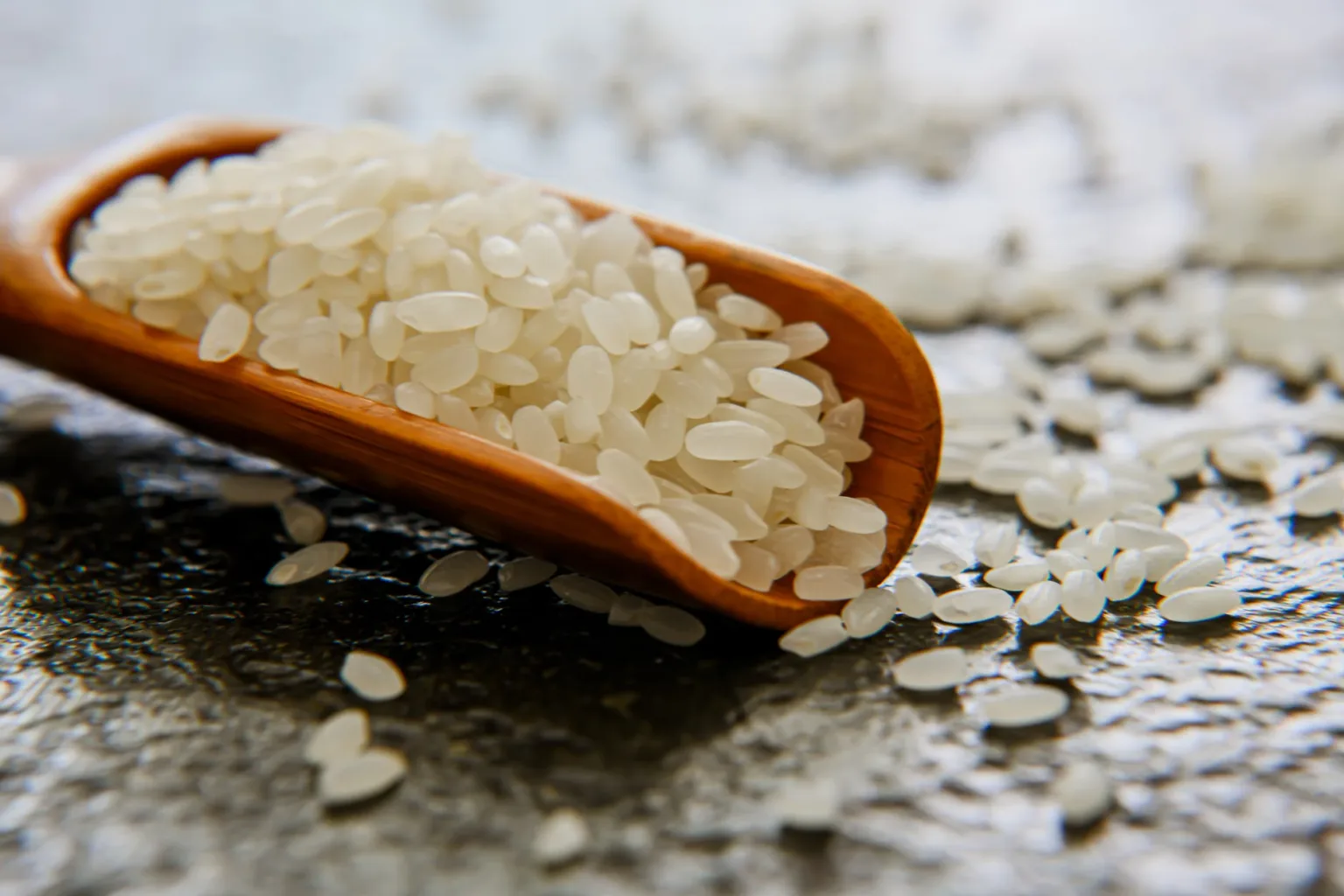
Bomba rice is a short, rounded-grain variety with a pearly appearance. During cooking, it can expand and absorb a substantial amount of liquid without readily breaking apart, which makes it useful when an intact, broth-flavored grain is wanted. It is commonly used for paella and other rice dishes, including dry, brothy, creamy-style and baked preparations. It should not be treated as though every rice variety cooks in the same way: the liquid and method depend on the dish and the particular product. Check the package to confirm that it is bomba rice and to follow the maker’s directions.
When to use it
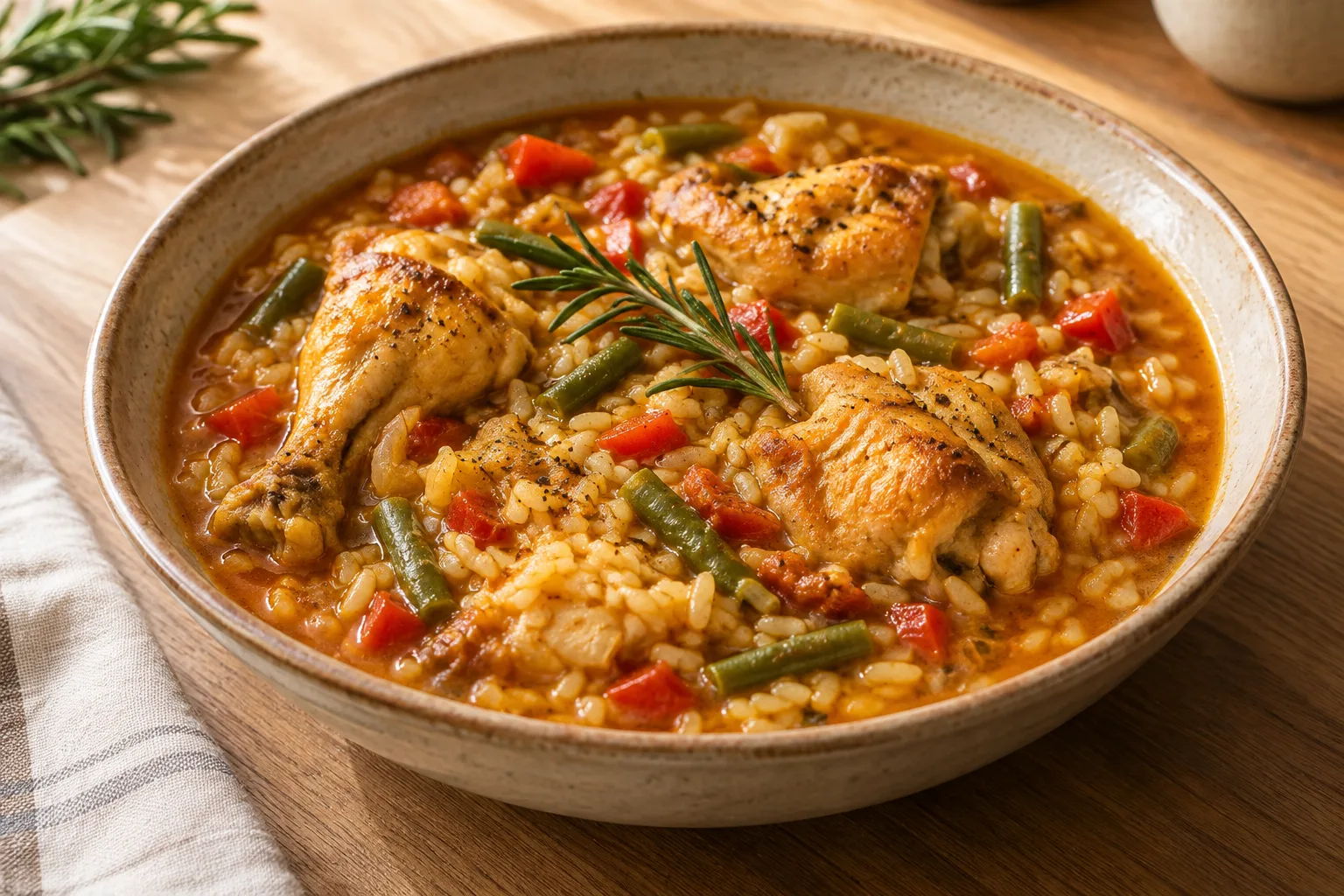
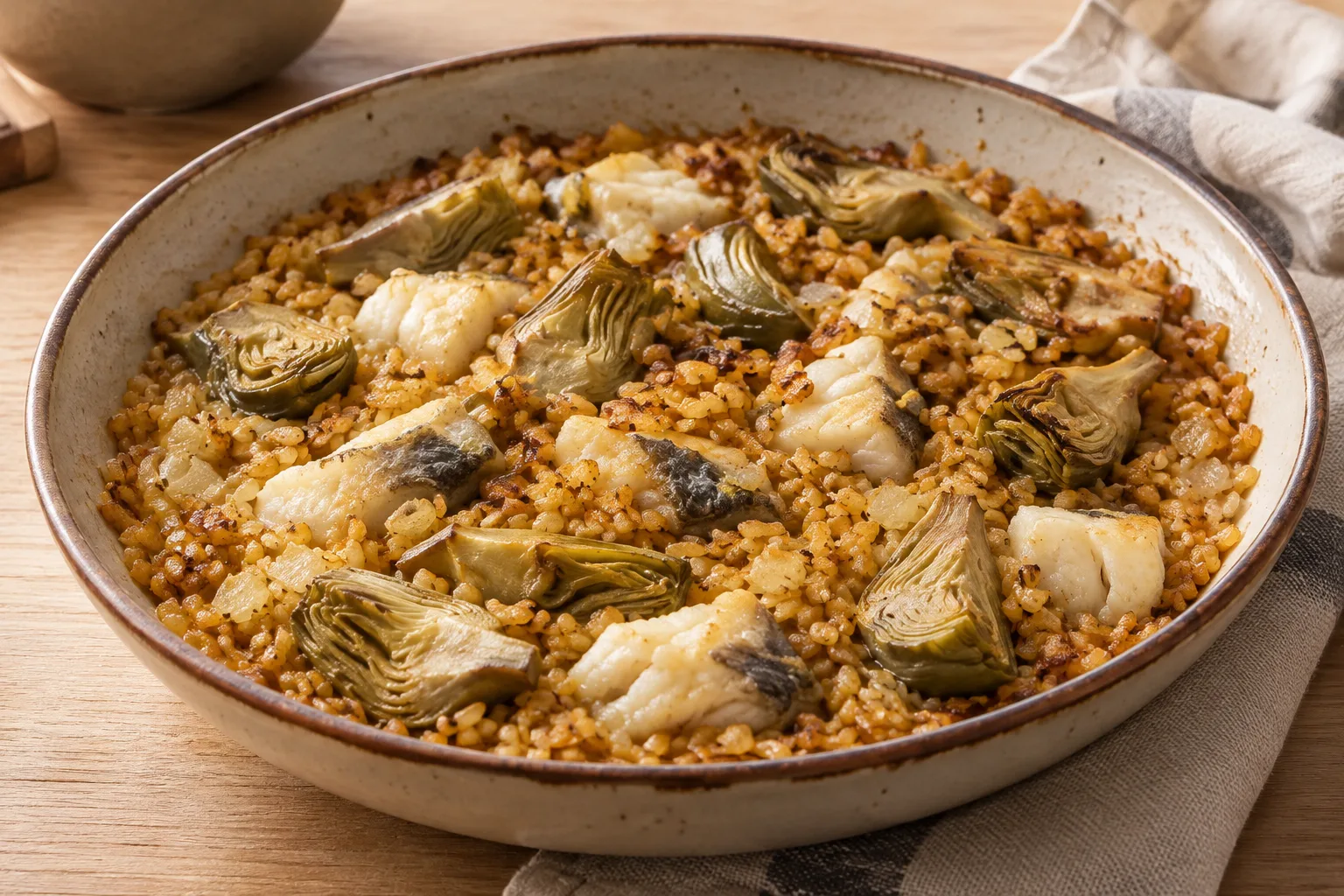
Choose bomba rice for paella or another rice dish in which you want the grains to hold their shape and take on the flavor of the cooking liquid. It can also be used in brothy, creamy-style and baked rice dishes, though the final texture depends on the recipe and the amount of liquid. It is less suitable when you want to reproduce the characteristic creaminess of a risotto made with a variety selected for that purpose. If you replace another rice with bomba, reassess the liquid quantity and check the package instructions.
How to use it
Measure the rice and liquid according to the chosen recipe and the package directions; do not assume that one ratio works for every variety or preparation. Add the grains to the broth or dish as directed in the recipe, and check the texture near the end of cooking. Bomba rice is particularly useful in paella, dry, brothy, creamy-style and baked rice dishes because it can take on flavor while holding its shape. Avoid automatically reusing timings or quantities from another variety. Available sources give differing recommendations for different products and recipes, so there is no single figure that should be applied to every case.
Flavour and texture
The grains are short, round and pearly in appearance. When cooked, they can remain firm and intact while absorbing the flavor of the broth; expansion during cooking is another noted feature. The rice itself is described as mild, so the broth and other ingredients contribute much of the dish’s character. The final texture depends on the recipe, liquid and cooking method.
How to choose it
Look for the name bomba rice on the label and check that the package clearly identifies the product. Make sure the package is intact and the rice appears dry, without obvious signs of moisture. If origin or a quality designation matters to you, verify that it is stated on the package: not every bomba product necessarily shares the same origin or certification. Also check the maker’s specific cooking directions.
Storage
Store the rice in a cool, dry place, as one available product recommendation advises, and follow any directions on the package. Once opened, protect it from moisture and contamination; close the bag securely or transfer the rice to a clean, dry container. No universal storage period can be established here: check the date and directions on the label, and discard the product if it shows signs of moisture or deterioration.
Substitutions
Ordinary round-grain rice may replace bomba in some dishes, but absorption and texture can change; revisit the recipe rather than automatically keeping the same quantities. Arborio can also be used in some preparations, though it is associated with a creamier result and is not an exact match for a paella intended to have separate grains. Substitution works best when you are comfortable with a different outcome.
Common mistakes
A common mistake is using the same liquid quantities or instructions for bomba rice as for another variety. It can also disappoint to expect the same creaminess as a rice chosen for risotto, or to assume it will turn out perfectly regardless of the recipe. Check the package, measure liquid for the dish, and assess the texture during cooking.
Safety and allergens
Read the label to check the product identity, ingredients, and any storage or use directions. If you have an allergy or intolerance, consult the allergen information on the package or from the food business; do not assume that rice is free from cross-contact. The available sources provide no specific safety warning for uncooked bomba rice.
Culinary uses
- Base de arroces secos, como la paella
- Ingrediente para arroces caldosos, melosos y al horno
Recommended techniques
- Cocer en caldo para que el grano absorba sabor y conserve su forma
- Preparar en paella o cocinar al horno, ajustando el líquido a la receta
Pairs well with
- Caldo de pescado o marisco
- Caldo de ave
- Marisco
- Pollo, conejo y verduras
Frequently asked questions
What dishes is bomba rice used for?
It is especially used for paella and can also be used in dry, brothy, creamy-style and baked rice dishes. The recipe determines the liquid and intended texture.
Does bomba rice absorb the flavor of broth?
Yes. It is valued for taking up liquid and flavor while readily keeping its grains intact; the specific result depends on the recipe and cooking method.
Can I substitute round rice or arborio?
You can try, but absorption and texture may differ. Arborio is commonly associated with a creamier preparation, so it is not identical to bomba.
Sources and review
Automatically researched, cross-checked and validated content. Sources consulted:
- En el etiquetado alimentario hay algunas menciones que son obligatorias eletiquetadocuentamucho.aesan.gob.es
- Client Challenge doi.org
- Aesan - Agencia Española de Seguridad Alimentaria y Nutrición aesan.gob.es
- Arroz bomba - Wikipedia, la enciclopedia libre es.wikipedia.org
- Arroz Bomba: Guía Completa, Propiedades y Diferencias lovingthermo.com
- Arroz bomba: beneficios, trucos y recetas montsia.es
- Arroz Bomba directoalpaladar.com
- El Arroz Bomba de Valencia | La Elección de los Expertos elpaladar.es
- Arroz bomba - Gastronomía Vasca: Escuela de Hostelería Leioa gastronomiavasca.net
- ¿Qué tipos de arroz existen? Variedades y características vaellocampos.com
- Arroz Bomba: Descubre las Características, Usos y Preparación Básica - Bite My Bun bitemybun.com
- Las claves de la excelencia del arroz bomba - Aperitivos LA REAL aperitivoslareal.com
- Arroz Bomba: El Maridaje Perfecto con Quesos y Embutidos; Conoce el Tiempo de Cocción Ideal donquesotori.es
- Cocinar Arroz Bomba: Guía y Consejos | La Fallera lafallera.es
- Cocción Arroz Bomba: Técnicas y Consejos Eficaces | Brillante brillante.es
- ¿Por qué debes utilizar arroz bomba en tus risottos si no tienes las variedades típicas? 20minutos.es