- Category
- Vegetables
- State
- Fresh
- Usual unit
- unit
What it is
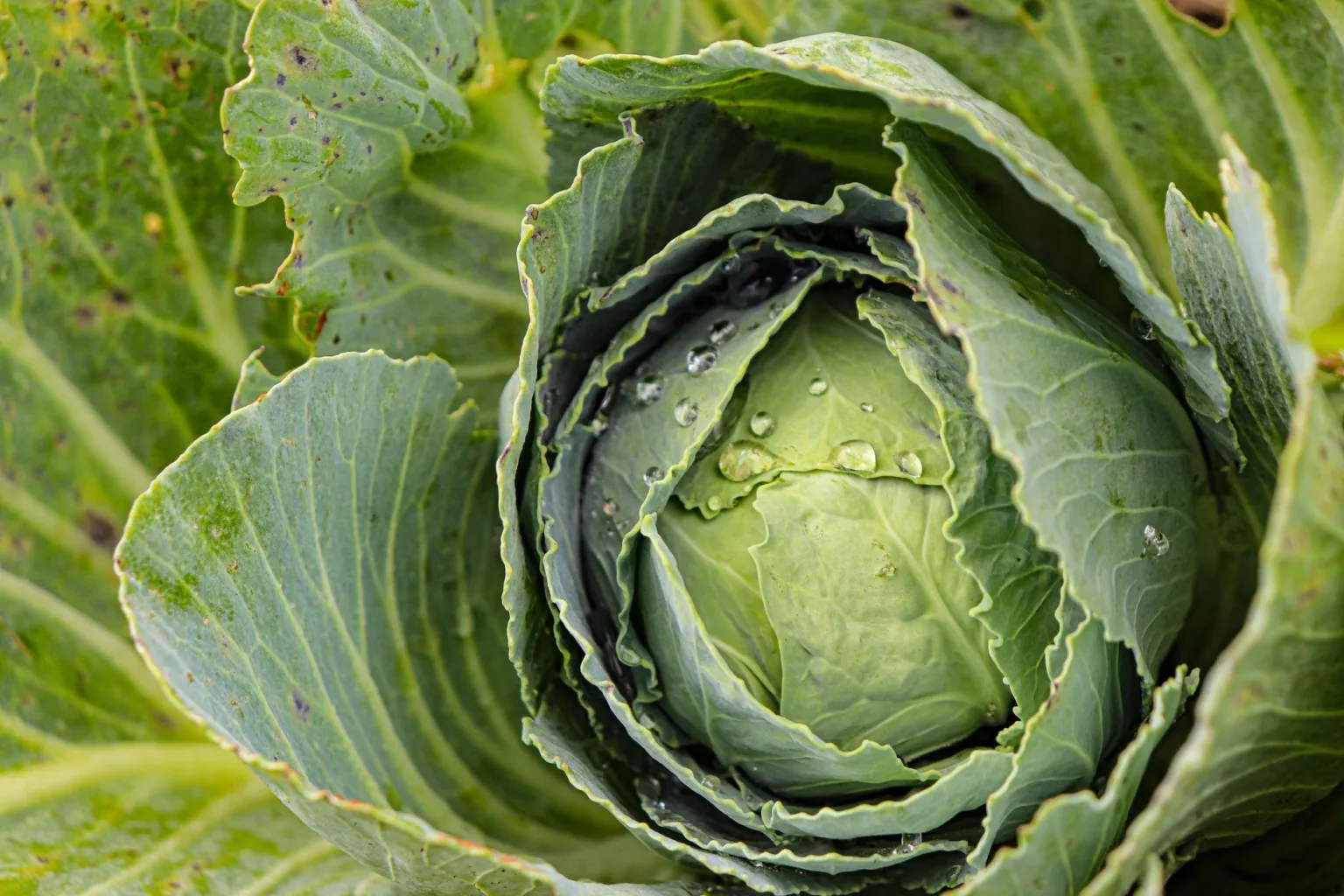
Cabbage is a vegetable in the Brassicaceae family. In everyday use, the name can refer to several types of cabbage and often means a compact head of overlapping leaves, such as green cabbage or red cabbage. Other varieties have crinkled or loose leaves, including Savoy cabbage and kale; they do not all have the same shape or behave alike when cooked. Fresh cabbage can be eaten raw or cooked: finely sliced leaves add crunch, while heat softens them for soups and stews. Cabbage can also be fermented in preparations such as sauerkraut. Check which variety you are buying and adapt the cut and preparation to its leaves and firmness.
When to use it
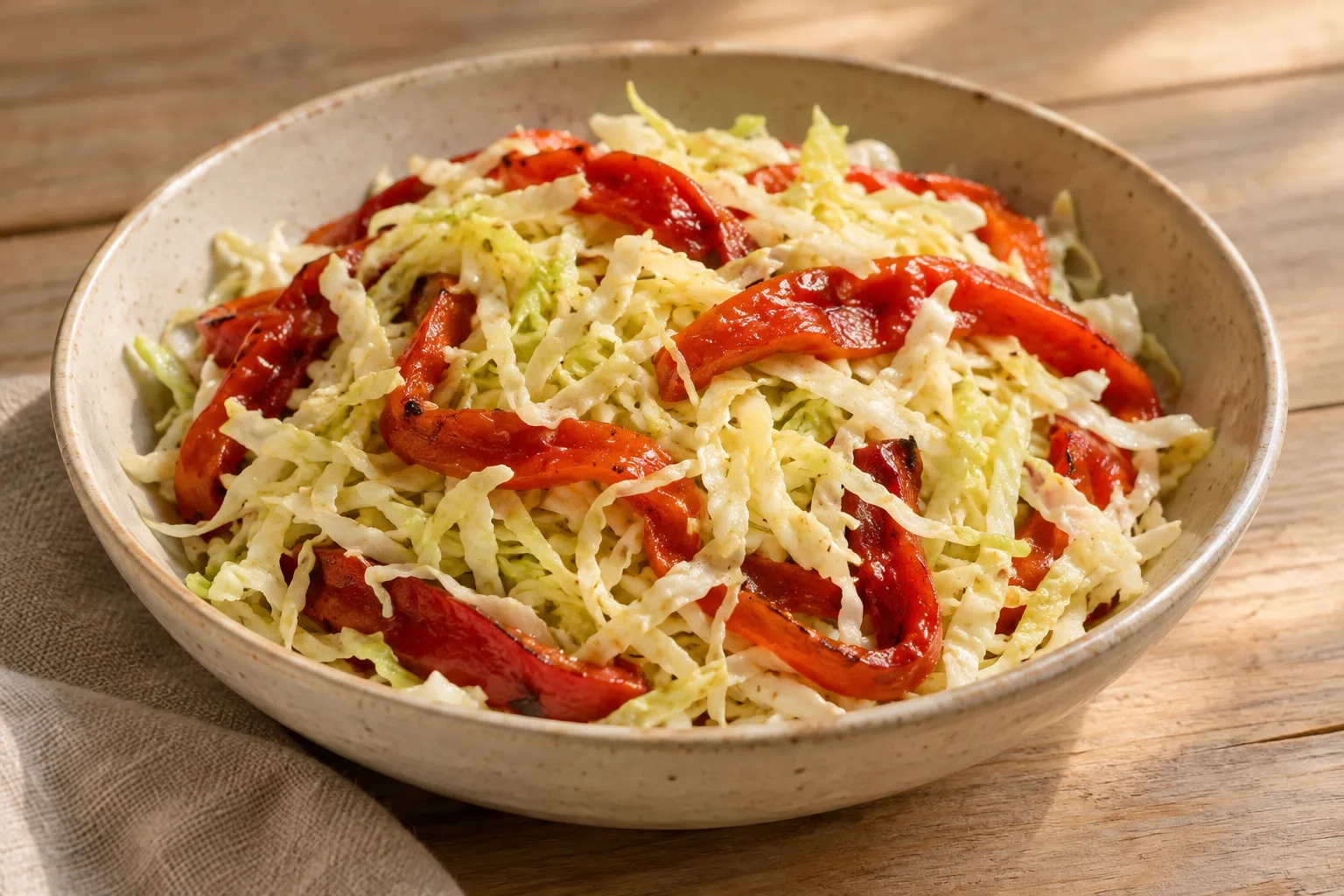
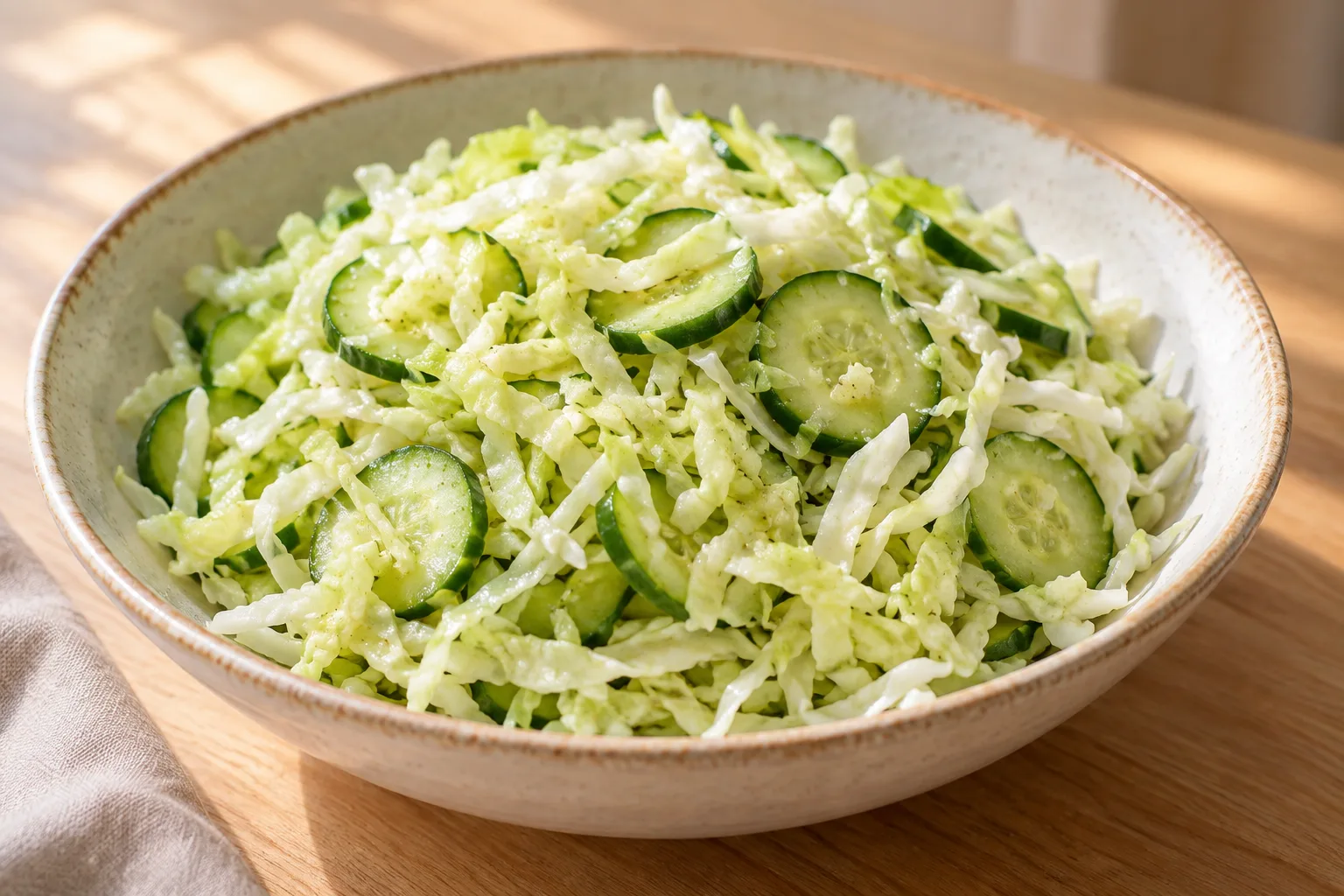
Use cabbage raw when you want to add crunch to a salad or side dish; slicing it thinly makes it easy to combine with carrot and a dressing. For warm dishes, add it to soups and stews or sauté it as a vegetable or side. Firm leaves can also be used to wrap fillings. If you want a tangy preserved preparation, choose ready-made fermented cabbage or follow a reliable fermentation recipe rather than improvising the process. Varieties differ, so choose according to the dish: tender leaves can work well raw or quickly sautéed, while other cabbages suit longer cooking.
How to use it
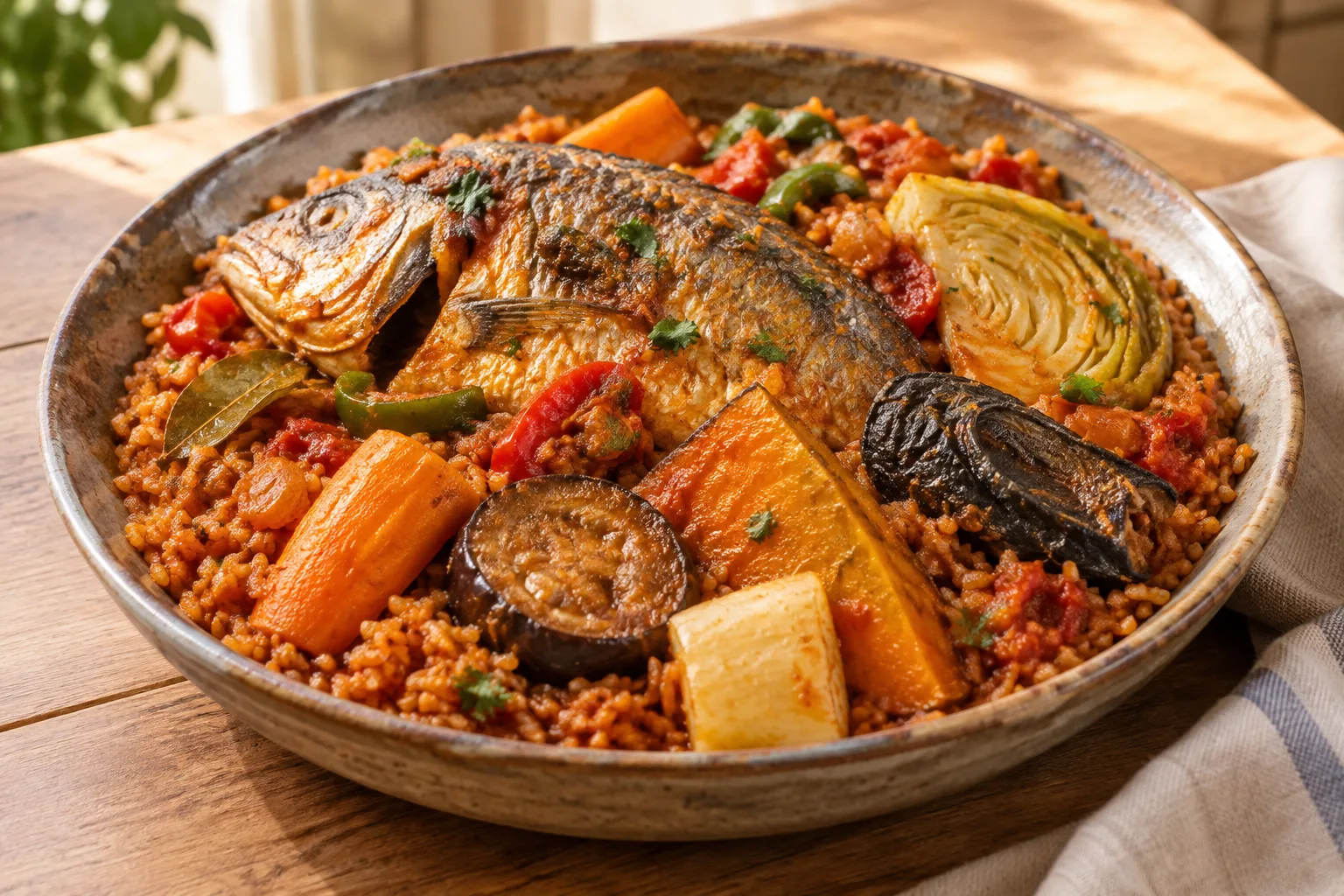
Remove any damaged outer leaves and cut the cabbage to suit the result you want. For salad, slice it into fine shreds; you can combine it with carrot and a creamy or light dressing. To sauté, cut it into even pieces and cook it in a pan. Fine pieces tend to soften more quickly, while larger pieces retain more structure. You can also add cabbage to soups and stews with potato, other vegetables or meat ingredients. Some leaves are suitable for wrapping fillings. For fermented preparations such as sauerkraut, use a specific, reliable recipe; do not assume that mixing cabbage and salt alone makes a safely preserved food. If the product is packaged, follow its label directions for use and storage.
Flavour and texture
Fresh cabbage usually has a mild, vegetal flavor that can seem slightly sweeter or more pronounced depending on the variety. Raw leaves are firm and crisp, especially when finely sliced. Cooking softens them and makes them easy to incorporate into soups, stews and sautéed dishes. Cabbages are not all alike: shape, color and texture vary by type, so the result can range from a smooth, compact head to a variety with crinkled leaves.
How to choose it
Choose a cabbage that feels firm and compact for its variety, with attached leaves and a fresh appearance. Avoid specimens with badly damaged areas, limp leaves or visible signs of spoilage. Color and shape vary: green, red and Savoy cabbages do not need to look alike to be in good condition. If buying cut or packaged cabbage, check the product information and storage directions. Choose a type to suit the dish, since leaf structure and firmness affect how it works raw, sautéed or in a stew.
Storage
Store fresh cabbage according to any directions supplied with the product, and avoid leaving cut cabbage unprotected. Once cut or opened, cover the exposed surface and use it while it still looks and feels fresh; the exact storage life depends on the variety and how it has been handled, so do not assume one fixed time applies to every cabbage. For packaged products, follow the label’s storage instructions. Discard parts showing clear spoilage, and do not use appearance or smell as a reason to disregard specific package directions.
Substitutions
Chinese cabbage can replace common cabbage in stir-fries or dishes where crisp texture and more delicate leaves work well, though the result will not be identical. Kale is an option for soups and cooked dishes, but its leaf structure differs. Savoy cabbage can stand in for cabbage in stews or stuffed rolls. Adjust the cut and cooking approach to the substitute, since a change of variety can alter texture and how the recipe behaves.
Common mistakes
Treating all cabbages as interchangeable can produce a different texture than expected: varieties differ in shape, leaf thickness and firmness. Another mistake is cutting cabbage into large pieces for a finely textured salad, or expecting a delicate-leaved variety to behave like a compact head. Choose the cut to suit the dish and check the texture as it cooks. For fermentation, do not improvise conditions or assume a homemade preparation is safely preserved without following a reliable procedure.
Safety and allergens
If the cabbage is packaged, follow the storage and use instructions on its label. For prepared products or products with added ingredients, check the package information as well. This is a reminder to follow product directions, not a substitute for specific recipe or preparation instructions.
Culinary uses
- Base crujiente para ensaladas y guarniciones
- Verdura para sopas, guisos y platos salteados
- Ingrediente para preparaciones fermentadas o encurtidas
Recommended techniques
- Cortar en tiras finas y servir cruda
- Saltear o rehogar
- Cocer en sopas y guisos
- Fermentar en preparaciones como chucrut
Pairs well with
- Zanahoria
- Manzana
- Patata
- Ajo y pimentón
- Carnes y embutidos
Frequently asked questions
Can cabbage be eaten raw?
Yes. Thinly sliced cabbage can be used in salads and side dishes, where its crisp texture is part of the appeal.
Are cabbage and head cabbage the same thing?
Cabbage is used broadly for several varieties; head cabbage often means smooth, tightly packed leaves forming a round, compact head. Names can vary by region.
How can I cook cabbage?
Sauté it, add it to soups or stews, serve it raw in a salad, or use it in fermented preparations by following a reliable recipe.
Sources and review
Automatically researched, cross-checked and validated content. Sources consulted:
- En el etiquetado alimentario hay algunas menciones que son obligatorias eletiquetadocuentamucho.aesan.gob.es
- Client Challenge doi.org
- Quenelles de Brochet: La Receta Francesa con el Maridaje Vino Perfecto | Gastrona gastrona.app
- Coliflor: Qué es, origen, variedades, beneficios, cultivo y usos jardineriaon.com
- Convertir la col en una delicia culinaria | Kikkoman kikkoman.es
- Tipos de col: descubre las variedades más populares - eco360 eco360.info
- col Que es, Concepto y Definicion bibliatodo.com
- Las coles, variedades y propiedades | Cocina Foto a Foto cocinafotoafoto.com
- La col, beneficio y versatilidad culinaria ⁄ Sacoje sacoje.com
- Origen, usos y propiedades de la col china que debes conocer gourmetdemexico.com.mx
- Tipos de coles y cómo cocinar esta gran verdura del invierno (con receta de 'trinxat' incluida) huleymantel.com
- La col — Canela Limón Chile canelalimonchile.com
- 7 recetas con col o repollo: ideas sencillas para disfrutar de esta nutritiva verdura bonviveur.com
- Chucrut - Wikipedia, la enciclopedia libre es.wikipedia.org
- Saag: La salsa fundamental - Pure Curry purecurry.com
- 11 mejores sustitutos de la col - NewFoodHub nwfoodhub.com
- Recetas con Col - Gallina Blanca gallinablanca.es