- Category
- Herbs and spices
- State
- Powdered
- Usual unit
- teaspoon
What it is
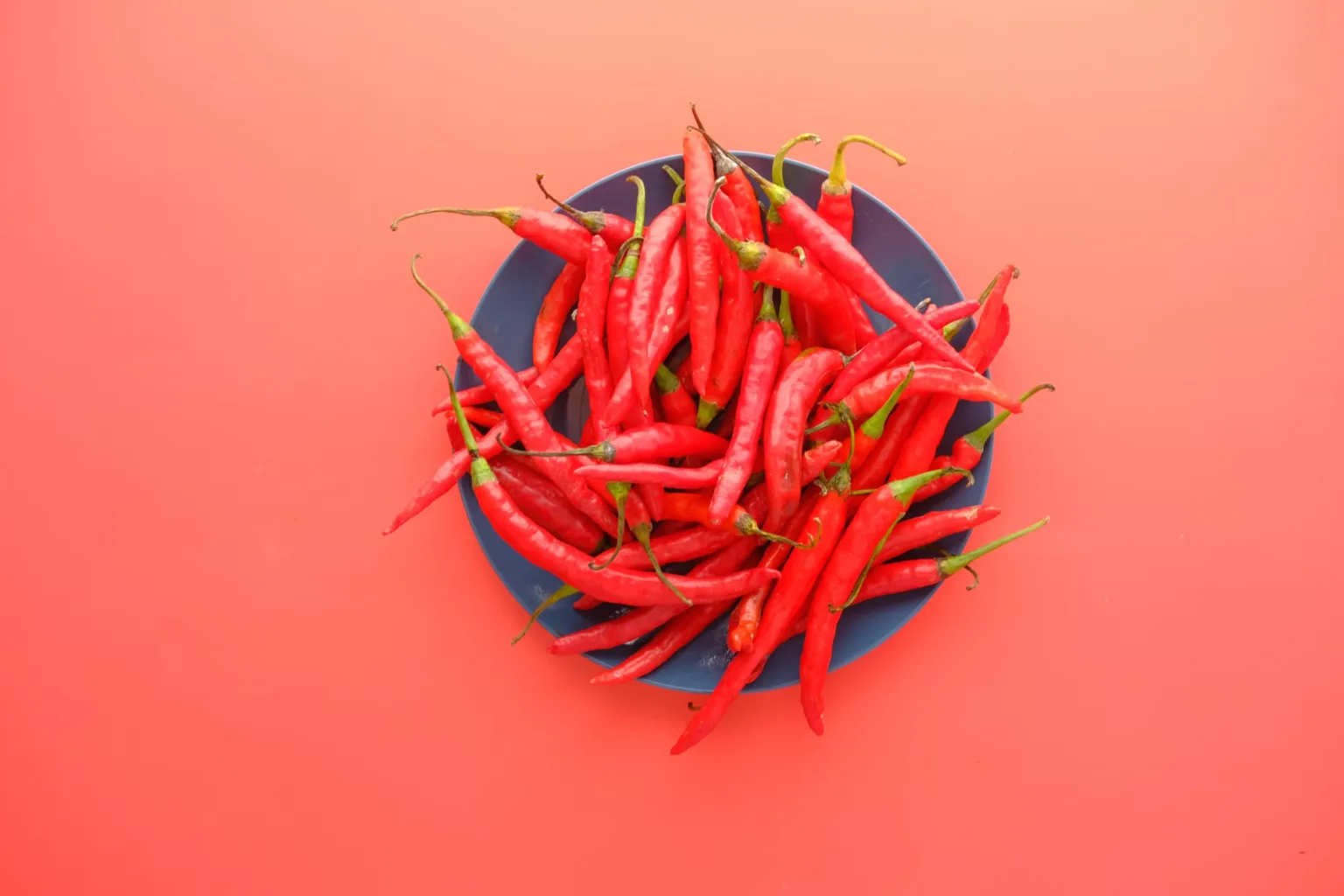
Cayenne pepper is a chili seasoning associated with peppers in the Capsicum genus. Despite its name, it is not black pepper; in cooking it is used to add heat. It is often sold as a reddish powder made from dried, ground chilies, but whole chilies, flakes and fresh forms are also available. Heat can vary from one product to another, so begin with a small amount and taste before adding more. Cayenne can be used in soups, sauces, stews, meat, fish, seafood and vegetable dishes.
When to use it
Use cayenne when you want to add heat to a dish without changing its basic structure, such as a soup, sauce, stew, pasta dish or seasoning blend. It works in tomato-based preparations and alongside seasonings such as cumin, sweet paprika, garlic and onion. It can also season meat, fish, seafood, vegetables and grains. If you are unsure how much heat diners prefer, start with a pinch, mix it in and taste before increasing the amount.
How to use it
Stir ground cayenne gradually into a sauce, soup, stew or spice blend, tasting before adding more. You can also use a whole chili or flakes; for a more restrained result, remove a whole chili before serving. One university extension Creole seasoning recipe combines cayenne with powdered garlic and onion, paprika, black pepper, thyme and oregano. In shakshuka, cayenne is added with cumin and paprika to the tomato base. The right amount depends on the product's intensity and the preferences of the people eating.
Flavour and texture
Its defining culinary feature is heat; ground cayenne has a fine texture and blends readily into liquids and seasoning mixes. The powder is commonly reddish. Intensity can differ among products, so the name alone cannot tell you exactly how hot a dish will become.
How to choose it
Choose a form that suits the dish: powder for easy distribution, flakes for visible pieces, or whole chilies that can be removed before serving. Check the packaging and form rather than assuming every product has the same intensity. If buying a seasoning blend, read its ingredient list because it may contain other seasonings as well.
Storage
Keep the spice in a tightly closed package or airtight container and follow the product label. A university extension seasoning recipe recommends an airtight container for a spice blend; it does not specify a storage period for cayenne on its own. Keep the product clearly labelled so it is easy to distinguish from other spices.
Substitutions
Dried chili flakes can serve a similar seasoning purpose, but their texture and distribution of heat will differ. Hot paprika adds heat with a different flavor, so it will not exactly reproduce cayenne. Start with a small amount of either alternative and adjust after tasting.
Common mistakes
Adding a large amount at once can make a dish hotter than intended. Begin with a little and taste before adjusting. Another mistake is treating cayenne as black pepper or assuming powder, flakes and whole chilies will blend into a dish in the same way; the form affects how the seasoning is distributed.
Safety and allergens
When handling or cutting fresh chilies, wear gloves and avoid touching your face; the National Center for Home Food Preservation gives this caution for handling chilies. Wash your hands afterwards and follow the label for the product you are using.
Culinary uses
- Aporta picor y sazona platos
- Condimento para sopas, guisos y salsas
Recommended techniques
- Incorporar molida a mezclas de especias, sopas o salsas
- Añadir entera o en copos y retirarla antes de servir si se desea un picor más suave
Pairs well with
- Tomate, ajo y cebolla
- Carnes, pescado, mariscos, verduras y cereales
- Comino, pimentón dulce y pimienta negra
Frequently asked questions
Is cayenne pepper the same as black pepper?
No. It is a chili seasoning; its name does not mean that it comes from the black pepper plant.
What dishes can I season with cayenne?
It can season soups, sauces, stews, meat, fish, seafood, vegetables and grains. Add it gradually and taste as you go.
Can I use it whole instead of ground?
Yes. Cayenne is also available whole or as flakes. Remove a whole chili before serving if you do not want it left in the dish.
Estimated nutrition
- Fat
- 0 g
- Saturates
- 0 g
- Carbohydrate
- 0 g
- Sugars
- 0 g
- Protein
- 0 g
- Salt
- 0 g
Sources and review
Automatically researched, cross-checked and validated content. Sources consulted:
- ¿Por qué la muerte es origen de miedos y tabúes? doi.org
- Washington State Food Access English-Spanish Glossary wpcdn.web.wsu.edu
- Salsa de Chiles Cayenas (Spanish) - National Center for Home Food Preservation nchfp.uga.edu
- Cayena: qué es, cómo se usa y recetas | JUST SPICES ® justspices.es
- Family Food Cent$ newsletter - Agosto 2025 extension.sdstate.edu
- Condimento Creole | Servicio de Extensión de OSU extension.oregonstate.edu
- de chile de Cayena seco Archives | Dinner Tonight dinnertonight.tamu.edu
- Zaalouk web.uri.edu
- Shakshuka medschool.cuanschutz.edu
- Condimento casero para tacos food.unl.edu
- Cayena: qué es, propiedades y cómo tomarla bonviveur.com
- Pimienta de Cayena | HerbaZest herbazest.com
- Pimienta de cayena (¿cruda?, ¿orgánica?) | Fundación G+E diet-health.info
- Pimienta de Cayena, una saludable especia con múltiples beneficios facefoodmag.com