- Category
- Herbs and spices
- State
- Dry
- Usual unit
- cucharadita
What it is
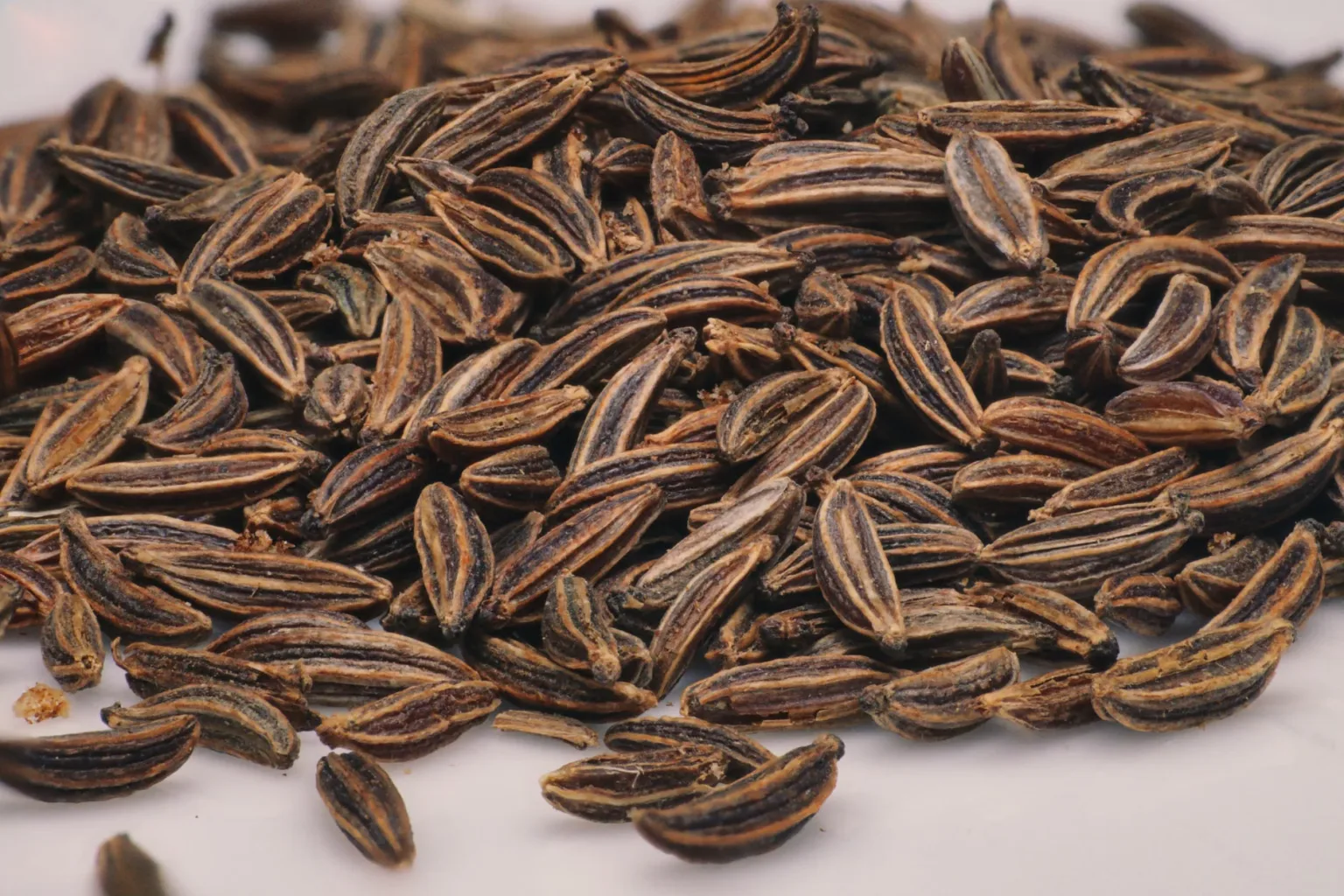
Celery seeds are the dried fruits of the celery plant, Apium graveolens, and are used as a culinary spice. They are small and can range in color from golden to brown; their flavor and aroma are more concentrated than those of fresh celery stalks. They are sold whole or ground and should not be confused with celery salt, a mixture of ground seeds and salt. As a dry spice, they add flavor without the moisture or texture of fresh celery. The plant belongs to the Apiaceae family, and celery is an allergen that should be taken into account.
When to use it
Use celery seeds when you want a recognizable celery flavor without adding fresh stalks, or when the seasoning needs to blend into a dry mixture. They work in soups, broths, stews, sauces, dressings, marinades and pickles. They can also add an aromatic note to bread and seasoning blends. Because their flavor is concentrated, begin with a small amount and taste before adding more. If the recipe already includes celery salt, account for its salt before seasoning further.
How to use it
Add whole seeds directly to soups, stews, sauces or pickling liquid so their aroma can spread through the preparation. You can also crush or grind them and combine them with other seasonings; grind them just before use for a more pronounced aroma. In marinades and dressings, add a little at a time and taste before increasing the amount. To make celery salt, mix ground seeds with salt, then adjust the recipe's added salt. In bread dough, mix them into the dough or sprinkle them on as seasoning. Do not replace them with an equal amount of fresh celery without considering that fresh celery adds moisture and texture.
Flavour and texture
Celery seeds have an intense aroma and a warm, bitter flavor that clearly recalls celery. Whole seeds add small points of texture; ground seeds distribute more evenly and give a more uniform flavor. Their profile can overpower other ingredients if too much is used, so start with a pinch or small amount and adjust to taste. Celery salt is not equivalent to plain seeds because it also adds salt.
How to choose it
Choose whole or ground seeds according to how you plan to use them; whole seeds let you grind only what you need. Check that the package identifies the product as celery seeds rather than celery salt, which is a different mixture. The seeds can range from golden to brown, so color alone is not a reliable way to assess the product. Whether buying packaged or loose, check allergen information and do not confuse them with seeds from other plants.
Storage
Keep the seeds dry in an airtight container in a cool place, protected from light and kitchen steam. Keeping the container closed helps preserve aroma and limits exposure to moisture and surrounding odors. If buying ground seeds, consider purchasing or preparing only what you expect to use, since ground spice can lose aroma more quickly. Follow the storage directions on the package and do not use the product if it shows signs of moisture or deterioration.
Substitutions
Dill seeds can work in dishes that suit a different herbal profile, but they do not reproduce celery's flavor exactly. Fennel or cumin can provide a different aromatic note, so use them carefully. Celery salt contains celery seed but also salt; reduce the recipe's added salt to avoid an overly salty result. Chopped fresh celery may work in some preparations, but it adds moisture and texture and is not a direct one-for-one replacement.
Common mistakes
The most common mistake is adding too many seeds at the start: their concentrated flavor can overwhelm the rest of the dish. Begin with a small amount and taste before adjusting. Do not confuse celery seeds with celery salt, which already contains salt. Fresh celery is not an identical substitute because it adds moisture and texture. If someone has a celery allergy, the seeds should not be assumed safe simply because they are in seed form.
Safety and allergens
Celery seeds come from the celery plant. If you have a celery allergy, avoid consuming them and check the package or food-service allergen information; allergen information should be available and verifiable. Everyone else should follow the product's directions and avoid using it if the package is damaged or the contents show moisture or deterioration.
Culinary uses
- Especia aromática
- Aporte concentrado de sabor a apio
Recommended techniques
- Añadir las semillas enteras a guisos, sopas o encurtidos
- Moler o machacar justo antes de usarlas
- Incorporar a mezclas de especias, marinadas o masa de pan
Pairs well with
- Sopas, guisos y salsas
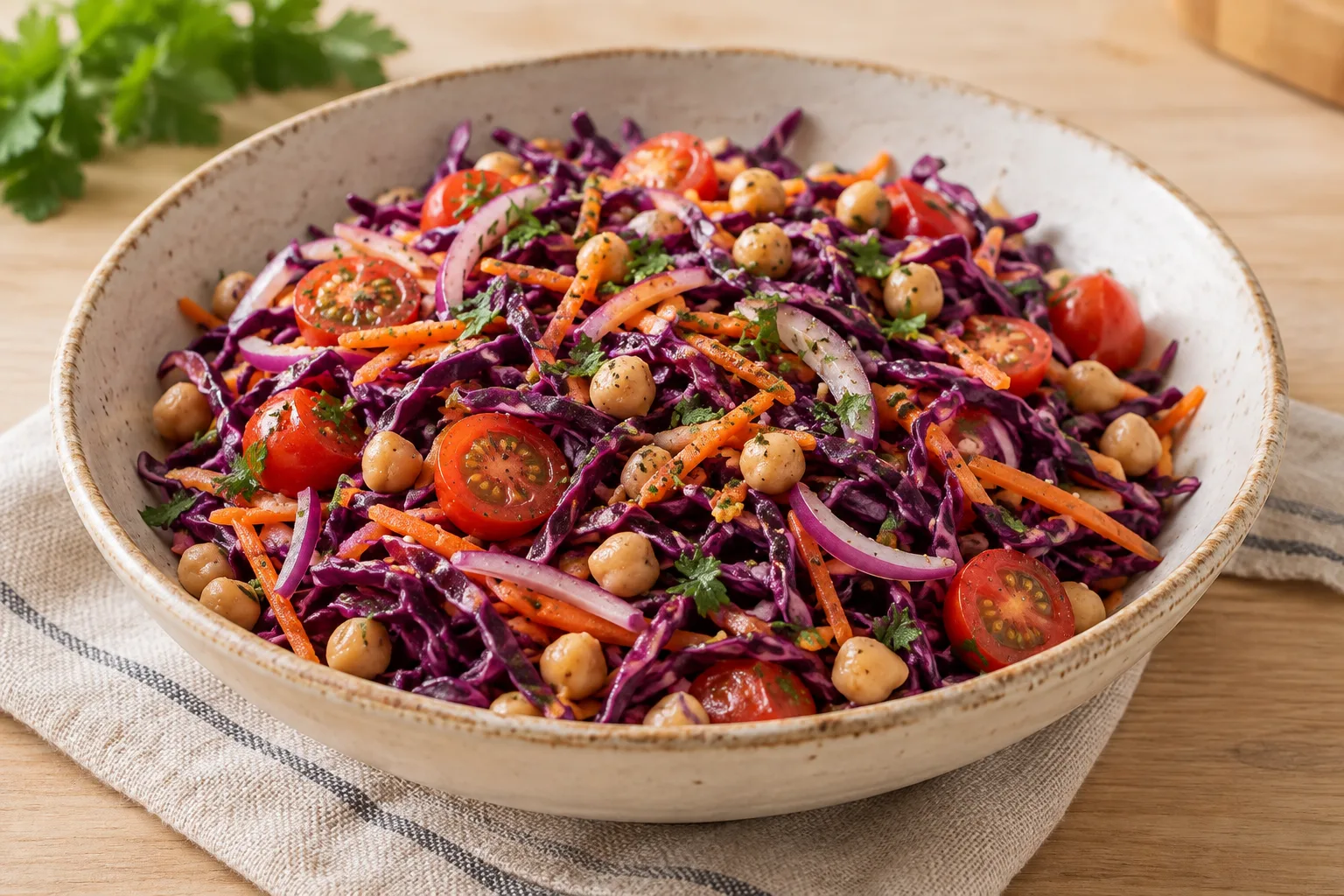
- Verduras encurtidas y aderezos para ensaladas
- Pescado, carnes y aves
- Mostaza, col y mezclas de especias
Frequently asked questions
Are celery seeds and celery salt the same thing?
No. Celery seeds are the spice; celery salt is a mixture of ground seeds and salt. Adjust the recipe's salt if you use the mixture.
Can I use celery seeds whole, or should I grind them?
You can use them whole or ground. Crushing or grinding helps distribute their flavor; grind them just before use for a more pronounced aroma.
Are celery seeds suitable for someone with a celery allergy?
They should not be assumed suitable just because they are seeds. Anyone with a celery allergy should avoid them and verify allergen information.
Estimated nutrition
- Fat
- 25.3 g
- Saturates
- 2.19 g
- Carbohydrate
- 41.4 g
- Sugars
- 0.67 g
- Fibre
- 11.8 g
- Protein
- 18.1 g
- Salt
- 0.4 g
Sources and review
Automatically researched, cross-checked and validated content. Sources consulted:
- En el etiquetado alimentario hay algunas menciones que son obligatorias eletiquetadocuentamucho.aesan.gob.es
- ¿Por qué la muerte es origen de miedos y tabúes? doi.org
- Aesan - Agencia Española de Seguridad Alimentaria y Nutrición aesan.gob.es
- Apium graveolens - Wikipedia, la enciclopedia libre es.wikipedia.org
- Apio: qué es, beneficios y usos culinarios bonviveur.com
- Semillas de apio: descubre sus usos en la cocina y propiedades cocinaycome.com
- Las mejores formas de comer apio: trucos, recetas y consejos cuerpomente.com
- Buscando un sustituto de apio_Recetas de verduras drinkfood.biz
- El apio en semillas como especia | El Huerto Urbano elhuertourbano.net
- Aprende todo sobre las Semillas de Apio hablemosdeculturas.com
- Semilla de apio | www.cocinista.es cocinista.es
- El apio y sus virtudes medicinales directoalpaladar.com
- ¿Para qué sirve el apio? | Recetas Nestlé recetasnestle.cl
- Semillas de Apio - La Trinidad latrinidad.com.uy
- Historia del apio, beneficios, propiedades y usos en la cocina gourmetdemexico.com.mx
- ¡19 mejores sustitutos de semillas de apio - Receta Hoy Receta Hoy recetahoy.net
- Semillas de apio: grandes aliadas a nivel nutricional y gustativo elconfidencial.com
- Cómo usar semillas de apio: 8 Pasos (con imágenes) es.wikihow.com