- Category
- Vegetables
- State
- Fresh
- Usual unit
- unit
What it is
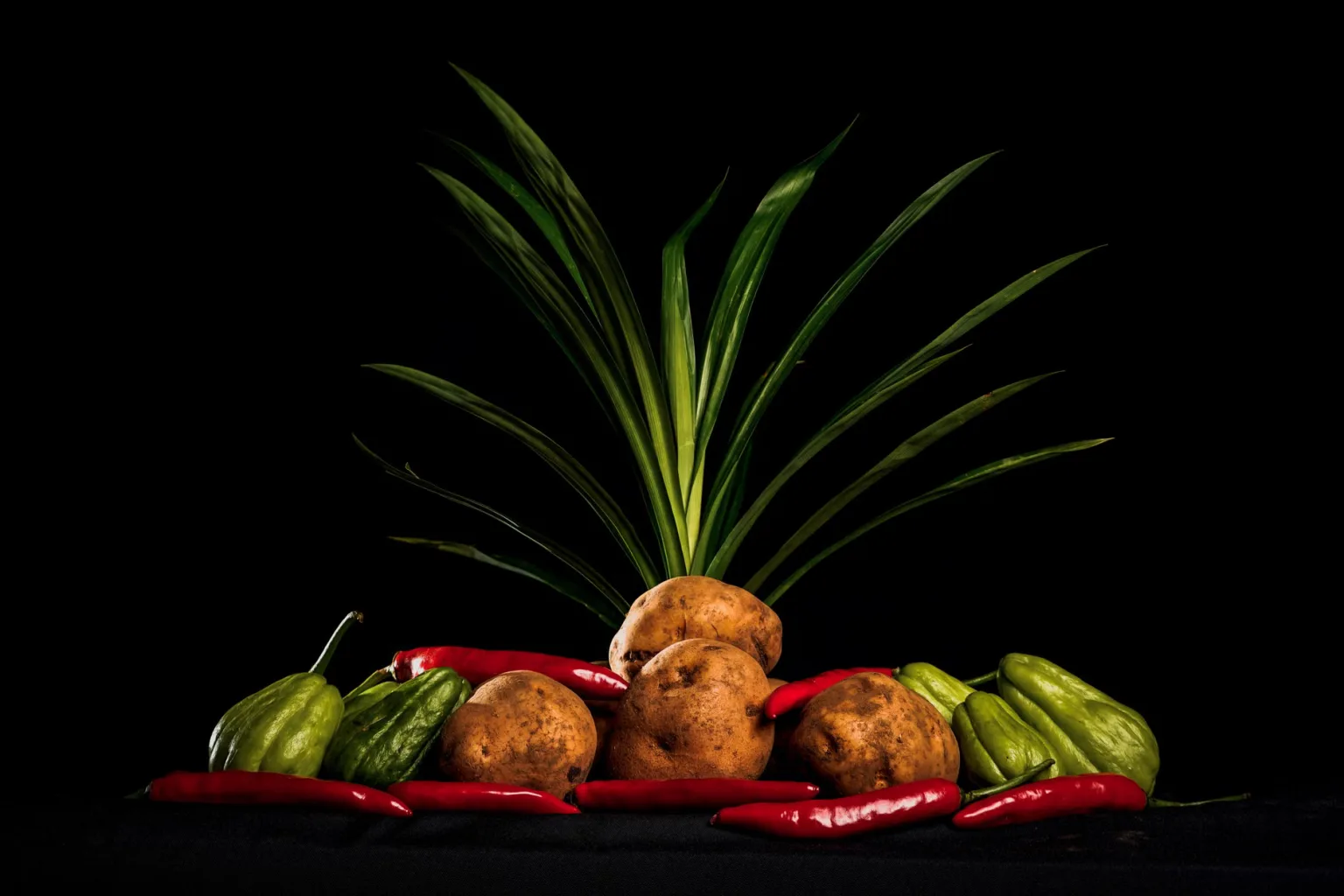
Chayote is the edible fruit of a plant in the cucurbit family, which also includes squashes and cucumbers. Botanically it is a fruit, but it is commonly used as a vegetable in cooking. It is often pear-shaped with light-green skin, although the color, size, shape and presence of spines can vary. The flesh is pale and mild in flavor, and crisp when raw. It can be prepared whole or cut up; some recipes call for removing the central seed and the area around it before cooking.
When to use it
Choose chayote when you want a mild-tasting vegetable that adds texture without overpowering other ingredients. Raw, sliced or diced chayote works in salads and slaws; cooked, it can be served as a side or used in casseroles. It is also suitable for baking, stir-frying, frying or mashing. Its mild flavor works with sweet or savory ingredients, depending on the recipe.
How to use it
Wash the chayote and inspect its surface. If peeling it, remember that sap may be released during handling and can irritate skin. Cut the prepared chayote into slices or cubes to suit the dish. For some recipes, remove the central seed and the area around it. Use it raw in salads or slaws, or steam, stir-fry, bake, fry or mash it. It can also be stuffed and baked. When cooking it with other ingredients, choose a cut that suits the texture you want in the finished dish.
Flavour and texture
Chayote has a very mild flavor, so it can take a range of seasonings and accompaniments without dominating a dish. Its flesh is crisp when raw; cooked, it can be used in sides, casseroles or mashed preparations. The exterior can vary from one specimen to another, so judge each piece by its firmness and condition rather than assuming that every chayote has the same skin or shape.
How to choose it
Choose chayote that feels firm, has an even-looking color and shows no bruises or other visible damage. It is often light green and pear-shaped, but size, shape, shade and the presence of spines vary. Avoid fruit that has begun to sprout, which can be recognized by a young shoot emerging from the broad end.
Storage
Chayote can shrivel in dry conditions. To help maintain moisture, store it in a closed container or bag and check it regularly for shriveling or brown spots. Sources recommend cool, humid storage, but warn that temperatures below 10°C (50°F) can cause chilling injury. Do not assume that every refrigerator provides suitable conditions.
Substitutions
In cooked recipes that call for summer squash, chayote can serve a similar role because it can be prepared in comparable ways. In a crisp slaw, jicama can be an alternative for texture; it is not identical in flavor and may not produce the same result, so adjust the cut and other ingredients to suit the recipe.
Common mistakes
Do not assume that every chayote has the same shape, color or smooth skin; some have spines. Avoid pieces that are bruised or already sprouting. When peeling or handling the fruit, take care to limit skin contact with its sap, which may irritate, and do not store it exposed to dry conditions or very low temperatures.
Safety and allergens
Sap released while peeling or handling chayote may irritate skin. Wear gloves to reduce contact, and wash your hands and utensils after preparation. The available sources do not provide a specific official food-allergy warning for chayote.
Culinary uses
- Vegetable for raw salads and slaws
- Mild, crisp ingredient for cooked side dishes and casseroles
Recommended techniques
- Peel and cube, removing the central seed and seed area
- Steam, stir-fry, bake, mash or deep-fry
- Use raw, sliced or cubed, in salads
Pairs well with
- Raisins, nuts, brown sugar and eggs for a baked stuffing
- Bell peppers, vinegar and spices in relish or pickle-style preparations
Frequently asked questions
Is chayote a fruit or a vegetable?
Botanically it is a fruit from a cucurbit plant, but it is commonly cooked and served as a vegetable.
Can chayote be eaten raw?
Yes. Its raw flesh is crisp and can be sliced or diced for salads and slaws.
Does chayote need to be peeled before cooking?
The preservation guidance describes peeling and removing the seed and surrounding area for some preparations. If you peel it, protect your skin from the sap, which may cause irritation.
Estimated nutrition
- Fat
- 0 g
- Saturates
- 0 g
- Carbohydrate
- 4.55 g
- Sugars
- 1.52 g
- Fibre
- 1.5 g
- Protein
- 1.52 g
- Salt
- 0 g
Sources and review
Automatically researched, cross-checked and validated content. Sources consulted:
- Client Challenge doi.org
- USDA FoodData Central libguides.marist.edu
- Using and Preserving Chayote - National Center for Home Food Preservation nchfp.uga.edu
- Chayote - Vegetable Resources Vegetable Resources aggie-horticulture.tamu.edu
- HS1454/HS1454: Chayote—A Potential Vegetable Crop for Florida ask.ifas.ufl.edu
- El chayote: el superalimento de Latinoamérica que llega al campo español plataformatierra.es
- Chayote: Propiedades, cómo se come... | Gastronosfera gastronosfera.com
- Sechium edule - Wikipedia, la enciclopedia libre es.wikipedia.org
- Chayote: qué es, propiedades, beneficios y recetas bonviveur.com
- Qué es el chayote, la hortaliza prima del melón y el calabacín: propiedades, beneficios y cómo usarlo en la cocina directoalpaladar.com