- Category
- Meat
- State
- Fresh
- Usual unit
- g
What it is
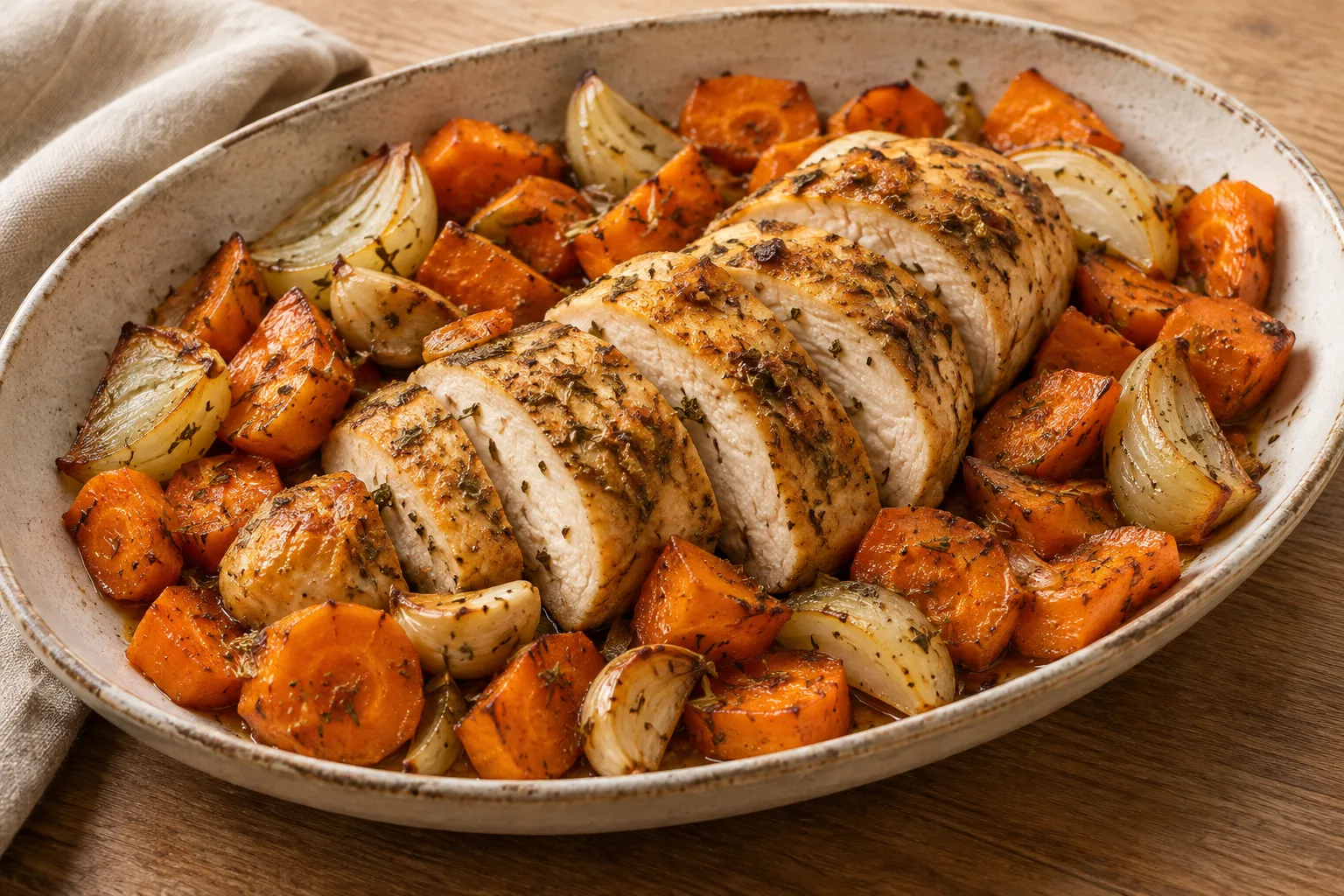
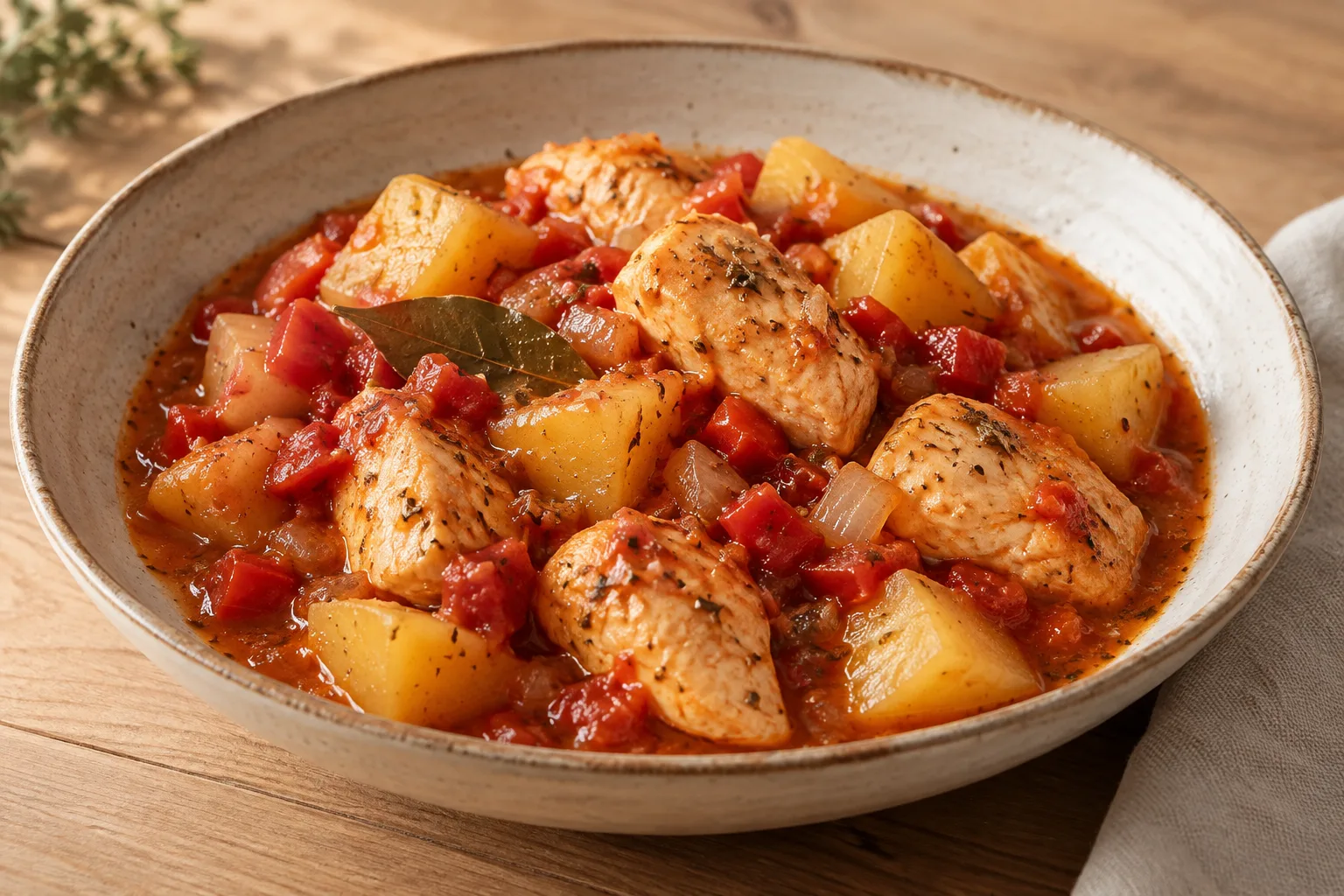
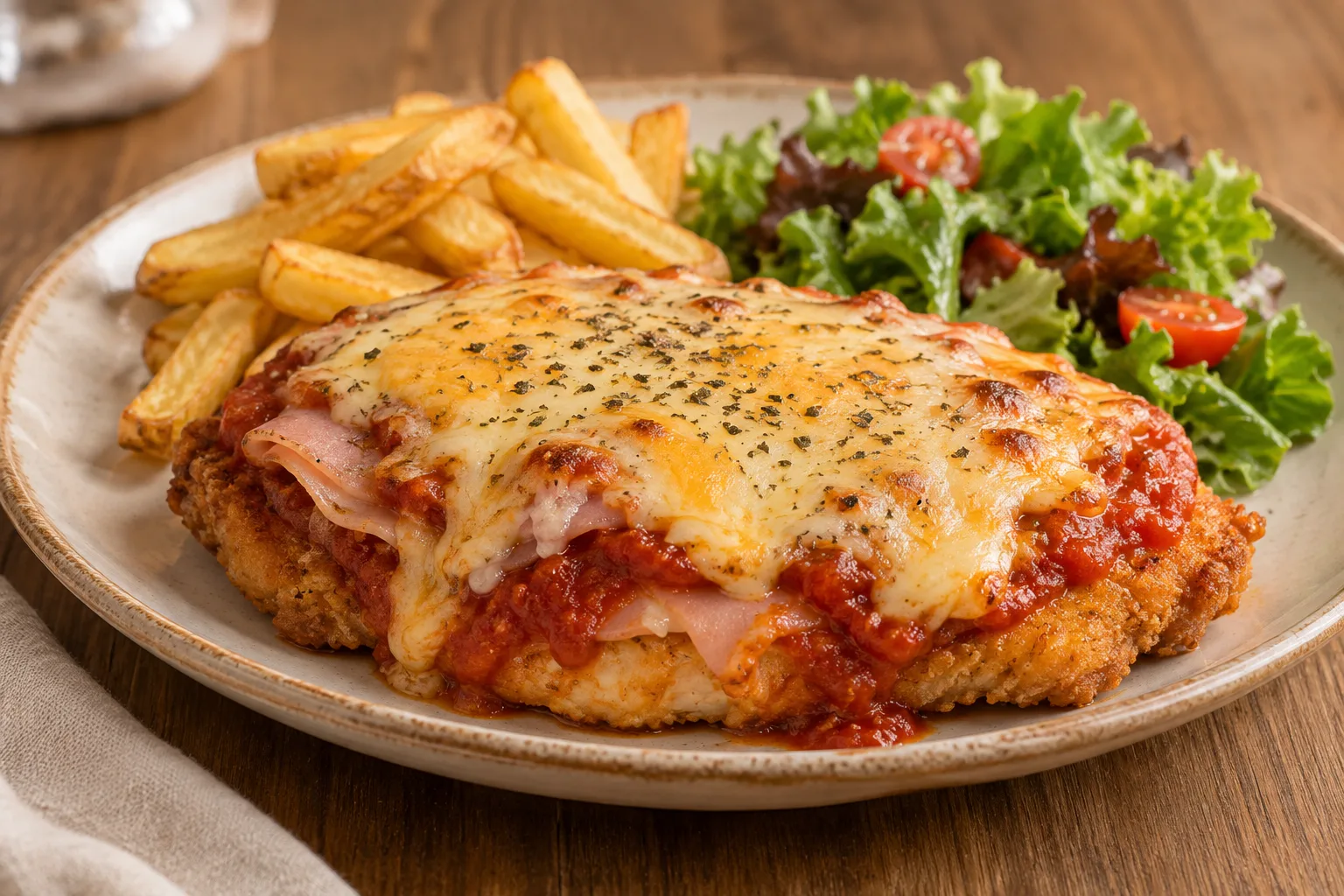
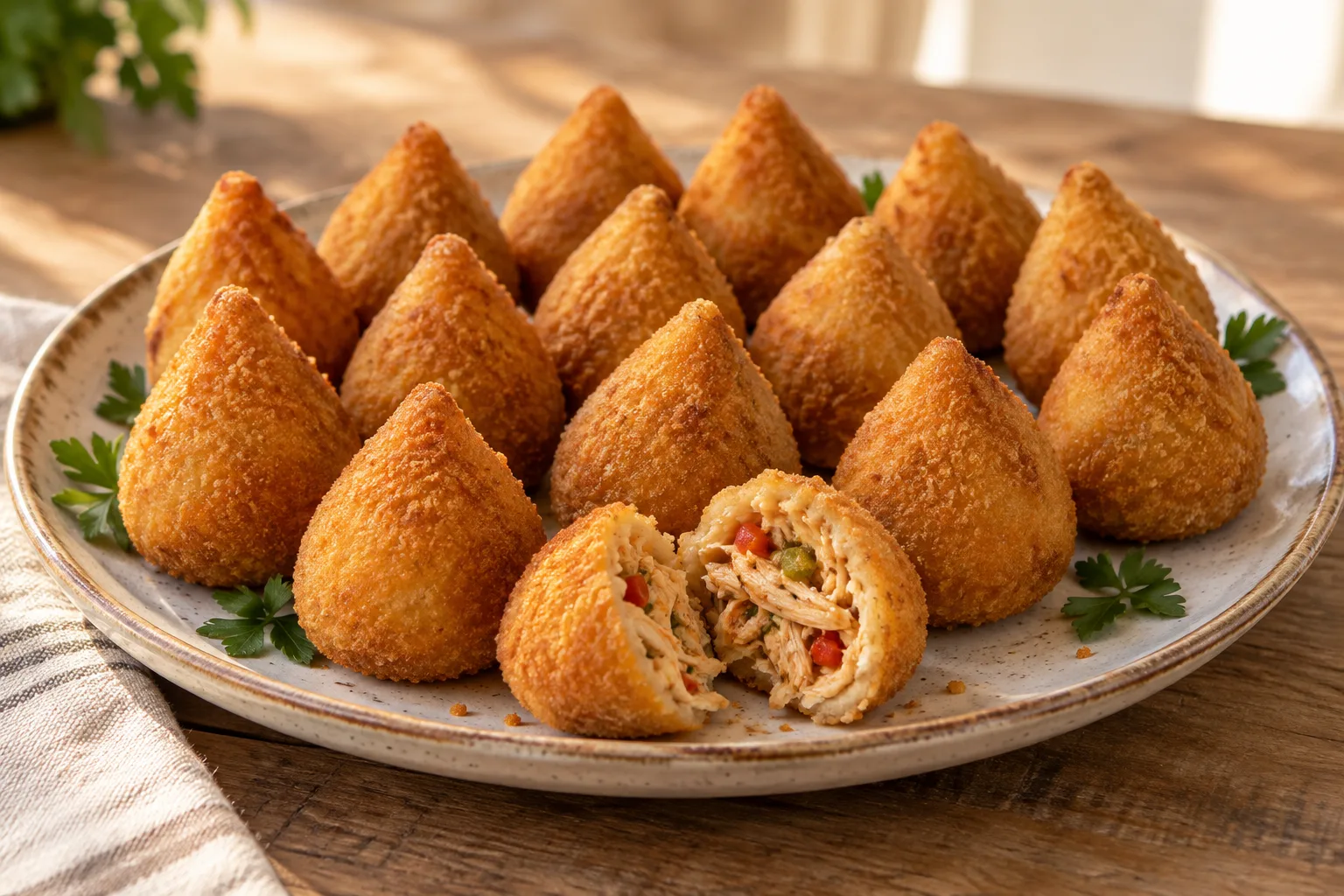
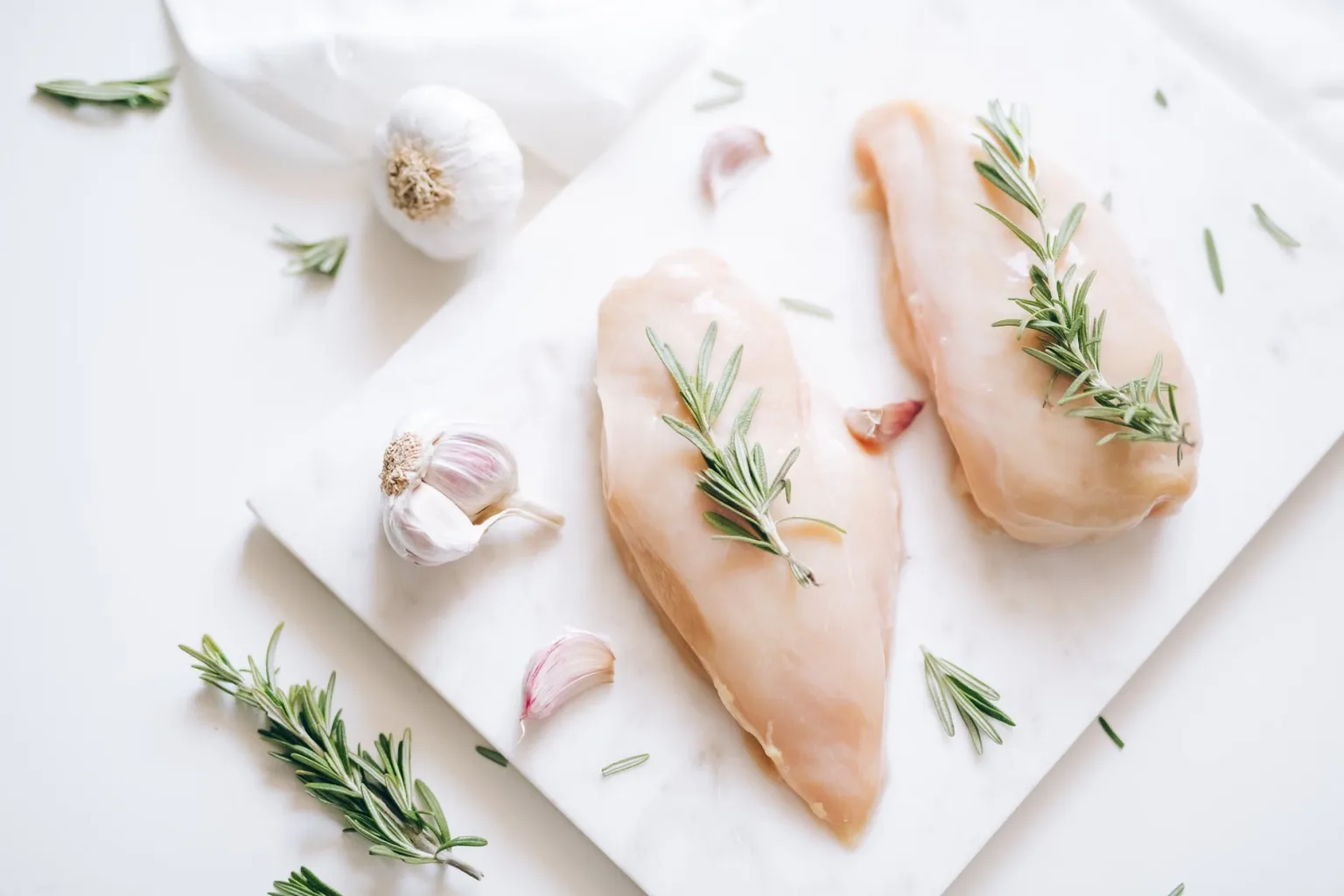
Chicken breast is the meat from the breast area of the bird. It is sold whole or sliced, and may be bone-in or boneless, skin-on or skinless. Compared with cuts such as thigh, it is commonly described as leaner and more delicate, so it can lose moisture if overcooked. Its flavor is mild rather than pronounced, which makes it a useful base for seasonings, marinades and sauces. It appears in everyday meals as well as more elaborate dishes, from salads and sandwiches to pasta, rice dishes, fillings and breaded preparations.
When to use it
Choose chicken breast when you want mild-tasting poultry that can fit into a dish without overpowering its other ingredients. Thin slices work well for quick griddle or pan cooking, while a whole piece can be baked, simmered or stuffed. It is also useful when you want cooked chicken to shred and add later to salads, tacos, sandwiches, wraps, soups, pasta or rice dishes. Because this cut is lean and delicate, bear in mind that prolonged or excessive cooking can make it dry.
How to use it
Before cooking, decide whether you need a whole piece, slices, cubes or strips; the cut affects how it fits the recipe and how carefully it needs to be cooked. Season it with herbs, spices, garlic or acidic ingredients, or prepare a marinade to add flavor. If marinating, keep the chicken in the refrigerator. A griddle, grill or pan suits slices and strips; the oven works for whole or stuffed pieces, while cooking in liquid is useful when you want meat to shred afterward. You can also bread it or add it to salads, pasta, rice, soups and sandwiches. Avoid cooking it longer than needed, as breast meat can become dry.
Flavour and texture
Its flavor is mild and not overpowering, so it takes well to herbs, citrus, spices and sauces. When cooked, the texture can be tender and firm, but the meat is relatively lean and delicate: overcooking can dry it out. Thickness and form—whole breast, slices or strips—also affect how it behaves during cooking.
How to choose it
Choose a format that suits the dish: a whole piece can be stuffed or cut to size, while slices are convenient for griddling, pan cooking or sandwiches. Consider whether skin-on or skinless, bone-in or boneless breast suits your recipe. Read the package information and distinguish plain fresh meat from seasoned or otherwise prepared products, which may have different ingredients.
Storage
Keep fresh chicken breast refrigerated and follow the storage instructions on its package. If marinating, leave it in the refrigerator while it takes on flavor; do not leave it to marinate at room temperature. For storage beyond the package guidance, use only reliable instructions specific to the product. Keep raw meat separate from ready-to-eat foods and clean any surfaces and utensils that have touched it.
Substitutions
Chicken thigh or another chicken cut can stand in for breast, but the result will not be identical: other cuts may contain more fat and may suit different cooking methods. Turkey can play a similar role in some poultry dishes, though its flavor and texture will differ. Match the cut and method to the result you want instead of assuming every piece cooks alike.
Common mistakes
Do not treat every chicken cut as though it has the same texture or needs the same cooking method. A common mistake with breast is cooking it for too long and letting it dry out; another is expecting its mild flavor to be bold without seasoning, a marinade or sauce. Do not assume that fresh plain breast and a prepared chicken product have the same ingredients or warnings.
Safety and allergens
The evidence provided contains no general official alert for plain fresh chicken breast. AESAN issued a sesame warning for specific prepared chicken products; that warning should not be applied to all fresh breast meat. If you have a sesame allergy, check the ingredients and warnings on the product you buy and follow current official information.
Culinary uses
- Main protein in a meal
- Ingredient for salads, sandwiches, wraps, pasta and rice dishes
Recommended techniques
- Grilling or cooking on a griddle
- Pan-searing or quick sautéing
- Baking
- Poaching or simmering in liquid
- Marinating before cooking
Pairs well with
- Salad leaves and vegetables
- Rice and pasta
- Citrus, garlic and herbs
- Sauces such as mustard, tomato or cheese sauce
Frequently asked questions
Which cooking methods work for chicken breast?
It can be grilled, cooked on a griddle or in a pan, baked, or simmered in liquid. Choose a method to suit the cut and recipe; breast is delicate and can dry out if overcooked.
How can I add more flavor to chicken breast?
Season it with herbs, spices, garlic or citrus, use a refrigerated marinade, or serve it with a sauce. Its mild flavor works with many combinations.
Can cooked chicken breast be used in other dishes?
Yes. Shredded or sliced cooked breast can be added to salads, sandwiches, wraps, tacos, pasta, rice dishes or soups, depending on the preparation.
Estimated nutrition
- Fat
- 15.8 g
- Saturates
- 3.26 g
- Carbohydrate
- 15 g
- Sugars
- 0.37 g
- Fibre
- 1.1 g
- Protein
- 14.7 g
- Salt
- 1.34 g
Sources and review
Automatically researched, cross-checked and validated content. Sources consulted:
- ¿Por qué la muerte es origen de miedos y tabúes? doi.org
- 5 marinados de pollo para asar y sacar todo el jugo a la pechuga. aldelis.com
- Aesan - Agencia Española de Seguridad Alimentaria y Nutrición aesan.gob.es
- Carne de pollo - Wikipedia, la enciclopedia libre es.wikipedia.org
- Pechuga de pollo - significado de pechuga de pollo diccionario es.thefreedictionary.com
- Cómo la pechuga de pollo se convirtió en ingrediente fundamental de una de las bebidas más famosas de México directoalpaladar.com
- Pechuga de pollo bajo en grasa – Hacendado – 500 g es.openfoodfacts.org
- Pechuga de pollo - Gastronomía Vasca: Escuela de Hostelería Leioa gastronomiavasca.net
- 15 recetas con pechuga de pollo: disfruta de la carne blanca más fácil de cocinar bonviveur.com
- 30 recetas de pechuga de pollo para la comida o la cena elle.com
- 8 usos del pollo en la cocina que no conocías cashfresh.es
- Pechuga de pollo: 3 recetas en las que puedes usar este ingrediente | EL ESPECTADOR elespectador.com
- Ideas Creativas: ¿Qué Cocinar con Pechugas de Pollo Fileteadas? - Mataderos Salamanca,S.L. mataderossalamanca.es
- Qué Cocinar Con Pechuga De Pollo: Ideas Y Recetas | Brillante brillante.es
- Por qué cada corte de pollo reacciona distinto al cocinar y cómo elegir el ideal elconfidencialdigital.com
- Pechuga de pollo jugosa - ¡Deja de cocinarla seca! tochrestaurante.es
- ¿Cómo Cocer Pechuga de Pollo? Tips aquí | Recetas Nestlé recetasnestle.com.mx