- Category
- Herbs and spices
- State
- Powdered
- Usual unit
- teaspoon
What it is
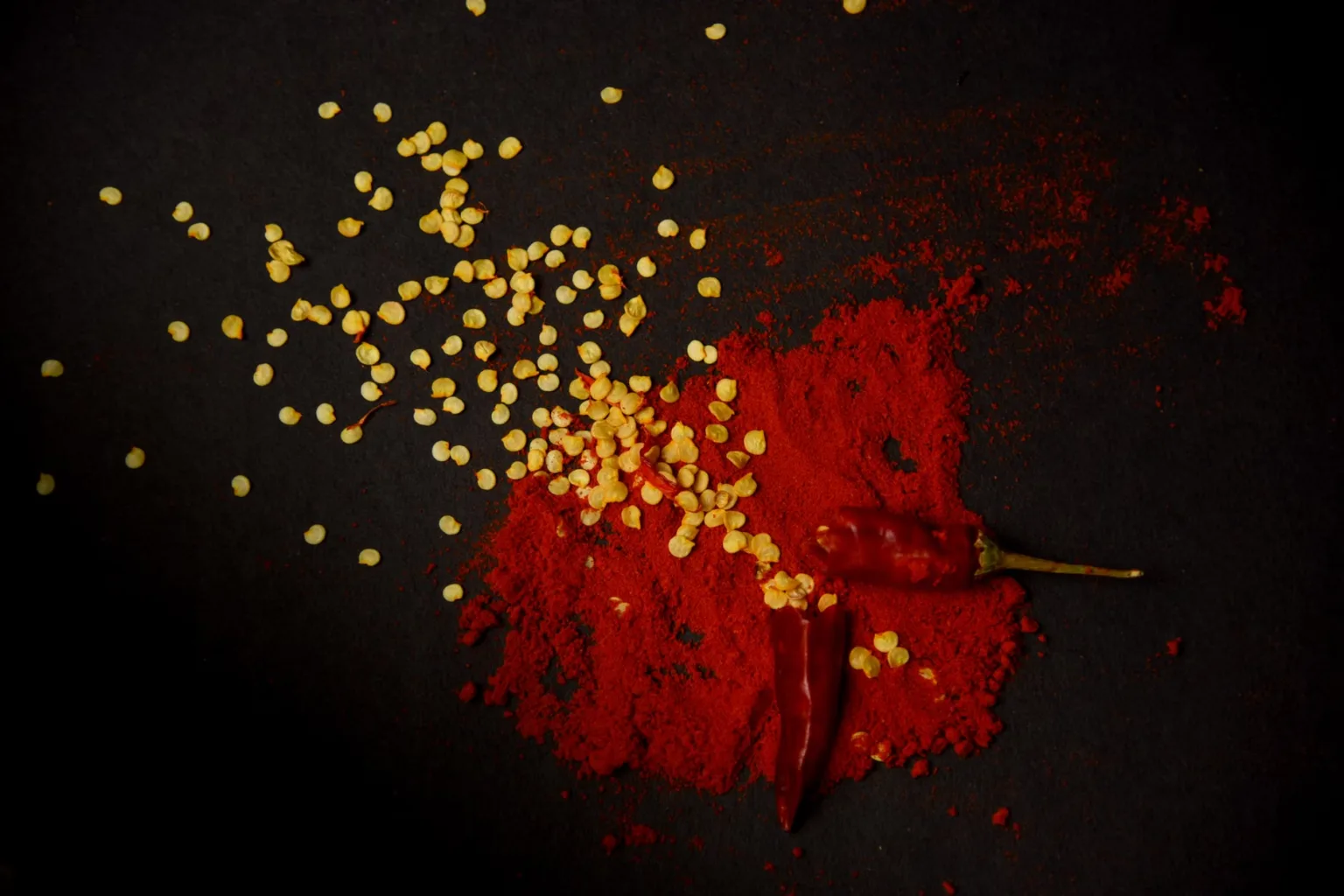
Chili powder is a name used for more than one kind of product. It may be ground dried chile with no added ingredients, or a blend combining chile with spices such as cumin, oregano, and garlic powder. Some recipes and commercial products use the name for the blended seasoning, while other culinary uses describe a single-ingredient ground chile powder. The chile variety and ingredient list differ between products, so heat and color are not uniform either. Check the package ingredients rather than assuming that every product called chili powder has the same composition.
When to use it
Use it when you want chile flavor and heat in a dish, or when a recipe specifically calls for chili powder. It appears in recipes for bean stews, meat dishes, and tomato-based preparations, and can also season pasta dishes or form part of a seasoning blend. Before adding it, check whether the recipe expects pure ground chile or a blend containing cumin, oregano, and garlic. That distinction changes the finished flavor and may mean you need to adjust the other seasonings.
How to use it
First identify the product by checking whether its ingredient list names only chile or also other spices. Add it according to the recipe, bearing in mind that heat depends on the particular chile and blend. You can incorporate it into a stew, sauce, or bean dish, or combine it with other spices to make a seasoning or marinade. Some recipes pair it with cumin and garlic, while others use it alongside oregano. If you substitute one kind of product for another, adjust the accompanying spices so you do not unintentionally repeat flavors already present in the blend.
Flavour and texture
Flavor and heat vary with the chile variety, grind, and other ingredients in a blend. The powder is usually fine and mixes readily into moist dishes and seasoning blends. It may bring noticeable heat; a blend containing cumin, oregano, or garlic tastes different from pure ground chile. Do not infer intensity from the name or color alone: check the label and use a measured amount when the product is unfamiliar.
How to choose it
Read the ingredient list before buying: some products are pure ground chile, while others contain cumin, garlic, oregano, or additional spices. Choose according to the recipe and the flavor you want, and check the package for any stated chile variety or heat description. Products called chili powder do not all have the same composition or heat, so the name alone does not predict the result.
Storage
Store the product according to its package instructions and keep it tightly closed between uses. Keep moisture and food debris out of the powder by using a dry utensil. The supplied evidence does not establish a specific storage period; follow the date and directions printed on the package, which may differ by product.
Substitutions
If a recipe calls for a chili-spice blend, you can use ground dried chile and add the other seasonings separately, such as cumin, oregano, and garlic. If it calls for pure chile, do not automatically replace it with a seasoned blend, because that changes the flavor. A homemade blend using these ingredients is another option; tailor it to the recipe.
Common mistakes
A common mistake is assuming that all chili powder is the same blend, or that every product is pure chile. Check the ingredient list before substituting, and do not automatically swap a blend for ground chile or vice versa. Also account for spices already included in a blend before adding separately listed seasonings from the recipe.
Safety and allergens
The supplied official evidence identifies no specific warning for chili powder. Check the product label, especially its ingredients and any allergy information relevant to you, and follow the package directions.
Culinary uses
- Condimento para aportar picor y sabor
- Componente de mezclas de especias
Recommended techniques
- Incorporar a guisos, sopas y salsas durante la preparación
- Mezclar con otras especias para preparar un adobo o una mezcla de condimentos
Pairs well with
- Frijoles y maíz
- Tomate, cebolla, ajo y orégano
- Patata, pimiento y aguacate
Frequently asked questions
Does chili powder always mean a spice blend?
No. It can mean pure ground dried chile or a blend containing other spices. Check the ingredient list to tell which product you have.
Can I replace a blend with ground dried chile?
Yes, if you add any complementary spices the blend would have supplied, such as cumin, oregano, and garlic, and account for the chile's variable heat.
What foods pair well with chili powder?
It is used with beans, corn, tomatoes, onions, garlic, peppers, and other ingredients; the best pairing depends on the product and recipe.
Estimated nutrition
- Fat
- 0 g
- Saturates
- 0 g
- Carbohydrate
- 0 g
- Sugars
- 0 g
- Protein
- 0 g
- Salt
- 20.82 g
Sources and review
Automatically researched, cross-checked and validated content. Sources consulted:
- Romanica Olomucensia : «¿Qué pinga es esto?». Usos disfemísticos en el español de Cuba doi.org
- The Essential Glossary of Cooking Terms for the Culinary Arts - Escoffier escoffier.edu
- Agencia Española de Seguridad Alimentaria y Nutrición aesan.gob.es
- Traditional Mexican American Folklore - Folk Food | Traditional Mexican American Folklore Collection | University of Texas Rio Grande Valley scholarworks.utrgv.edu
- Turkey Chili Pasta – Community Nutrition Education web.uri.edu
- Barley Chili/Chili de Cebada (LCH) | CSU Northridge w2.csun.edu
- Appendix B: Recipes for Disease Prevention – Culinary Medicine opentextbooks.library.arizona.edu
- Cooking and Freezing Food Pantry Items extension.psu.edu
- Chile en polvo (¿crudo?, ¿orgánico?) | Fundación G+E diet-health.info
- Polvo de chile | Gastronomía & Cía gastronomiaycia.com
- Chile en polvo: el condimento que le da sabor a nuestra comida desde época prehispánica - México Desconocido mexicodesconocido.com.mx
- Chile Rojo en Polvo — Open Spice Box openspicebox.com
- Descubre los Beneficios del Chile en Polvo Rojo para Cocinar lupingbio.cn