- Category
- Vegetables
- State
- Fresh
- Usual unit
- unit
What it is
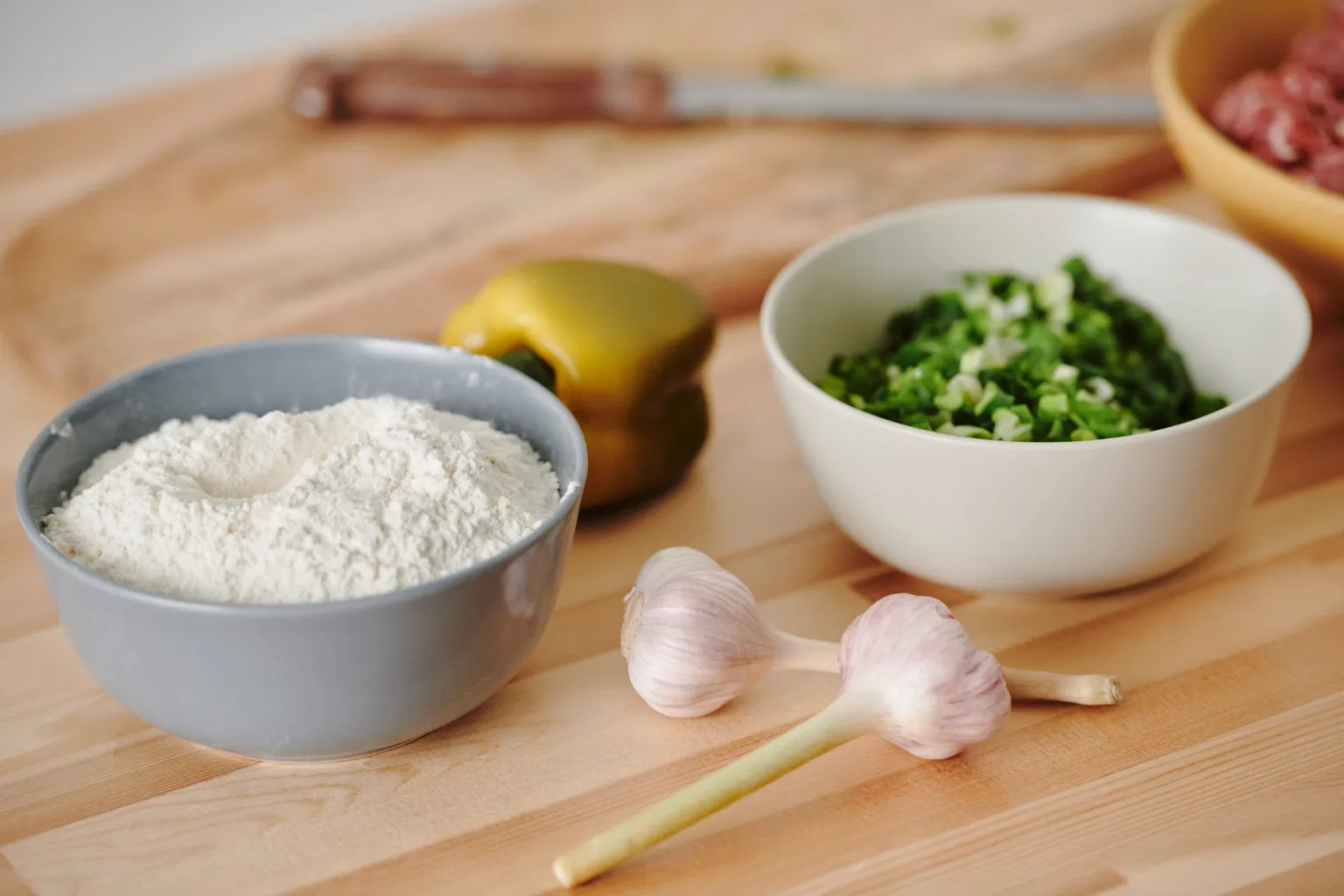
Chinese scallion is a common name, not an unambiguous botanical identification. It usually refers to Allium fistulosum, a plant with long, hollow stems and leaves that does not form the round bulb typical of a common onion. In some regions, similar names are also used for other plants in the Allium genus, including chives, so a label or recipe may not specify the species. When the product is Allium fistulosum, both the white and green parts are commonly used. The white part has a more onion-like character and a crunchy texture; the green is more aromatic. Do not automatically confuse it with fine-leaved chives or garlic chives: those names can refer to different plants, and their shape or flavour may not match.
When to use it
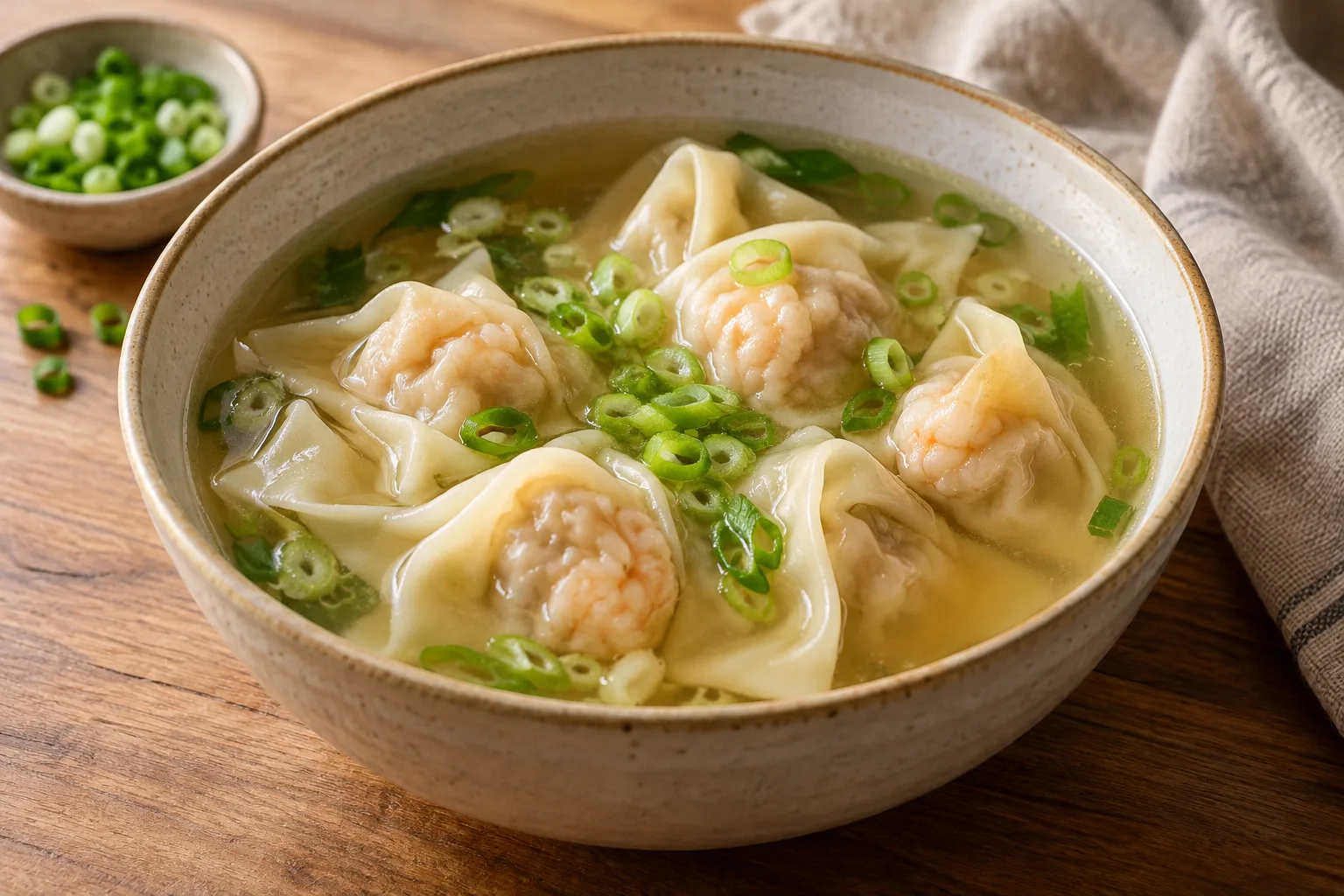
Use it when you want a milder onion flavour than that of a mature onion or want to add a green accent to a dish. Finely cut and raw, it can go into salads or finish a soup. Cooked, it works in soups, creamy soups, scrambled eggs, omelettes and stir-fries. The white part brings more onion flavour and a crunchier texture; the green is more aromatic and may lose freshness if cooked for a long time. If a recipe calls for Chinese scallion and its shape matters, check the product’s appearance or identification: common names for alliums vary by region and do not always refer to the same plant.
How to use it
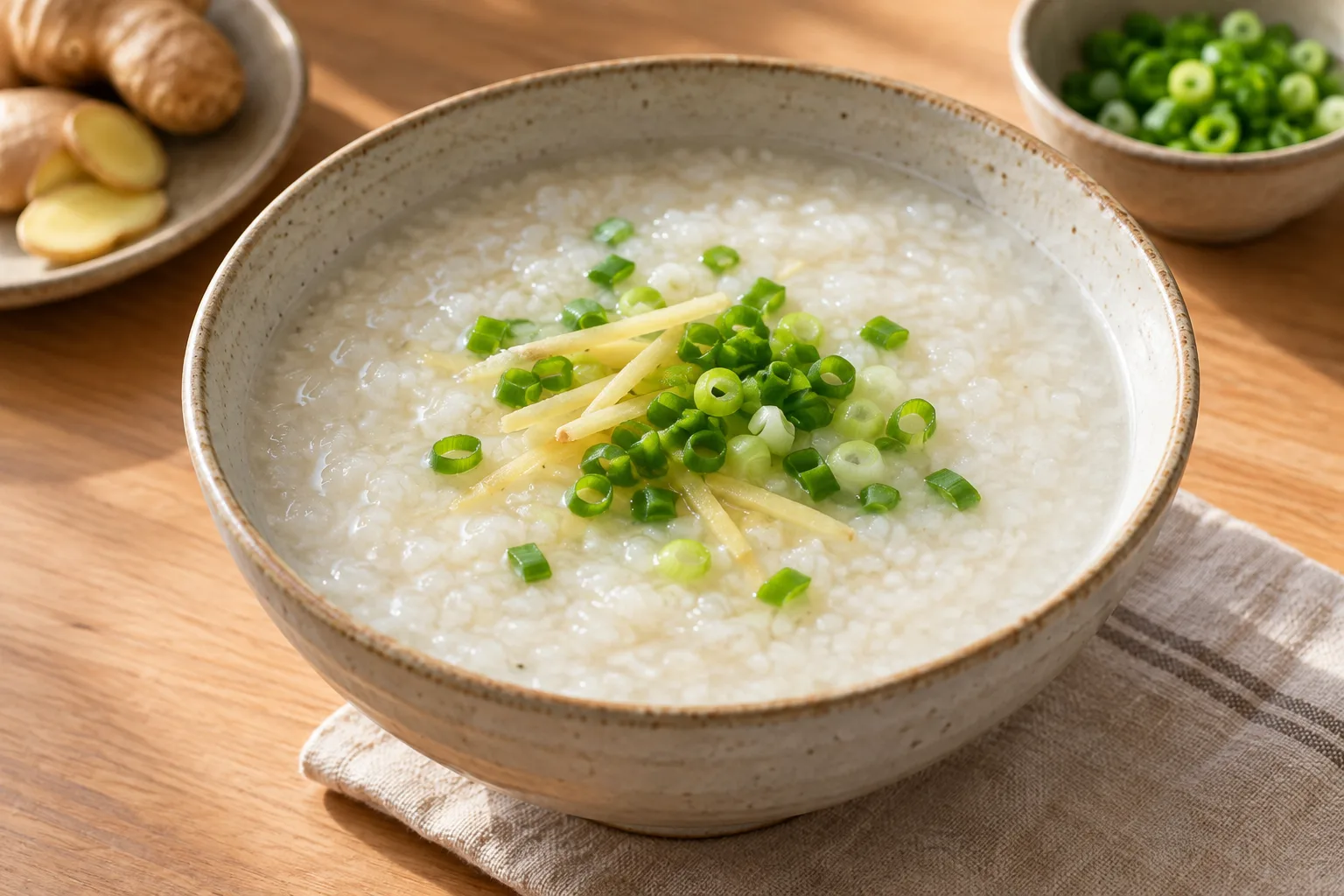
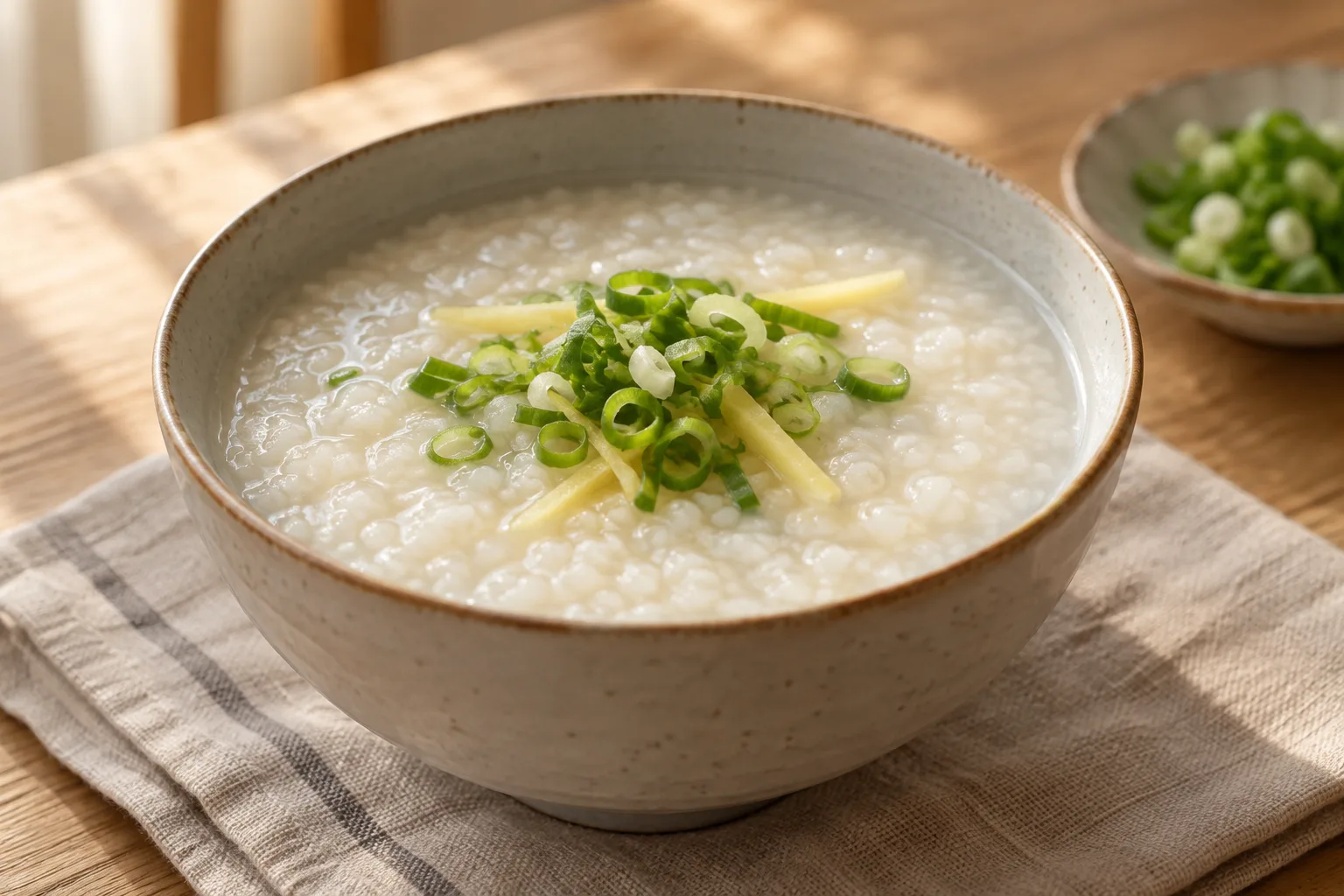
Remove any parts you do not want to use and wash the scallion before cutting it. You can separate the white and green parts to control when each is added. Slice the white part if you want its texture to stand out, or chop it to distribute the flavour; julienne cuts make long strips. The green part can be finely cut and served raw as a garnish, or added at the end of cooking to retain more of its fresh character. You can also cut it into larger pieces for a stir-fry. Use it in salads, soups, creamy soups, scrambled eggs and omelettes, or as a finishing touch for other dishes. If you cook it, remember that the green part is especially aromatic and may lose freshness with prolonged cooking.
Flavour and texture
Its flavour is described as fresh and mild, with onion notes. The white part has a stronger onion character and a crunchier texture; the green is more aromatic, tender and adds colour. The result can vary between parts of the same plant and according to which allium is sold under this common name. Do not assume it is identical to fine-leaved chives: some market names overlap, but the shape and flavour may differ.
How to choose it
Look for firm, fresh green leaves and a white part with no visible damage. Freshness matters particularly if you plan to serve it raw. If you need a particular species or shape, do not rely on the name “Chinese scallion” alone: common names can refer to different alliums. Check the product’s appearance or ask the seller to identify it, especially if a recipe calls for long, hollow stems rather than fine leaves.
Storage
Scallions keep for less time than mature onions, but the available evidence does not establish a universal safe storage duration or method for every product sold under this name. Follow the package or seller’s directions and do not assume it can be kept for months like a dry onion. If you buy more than you plan to use soon, store the product according to the instructions available for that specific item.
Substitutions
Leek can replace it in some uses. One culinary source mentions raw leek near the green portion as an alternative, while noting that the flavour is not the same. Common onion can also work in some dishes, but it is more intense and changes the result. Adjust the amount to the recipe and do not expect to reproduce the scallion’s fresh, hollow texture exactly. The difference will be more noticeable when the dish depends on a green, aromatic finish.
Common mistakes
Do not treat “Chinese scallion,” “chives” and other regional names as interchangeable identifications: they can refer to different plants. Avoid cooking the green part for too long when you want a fresh finish, as it may lose aroma. Do not automatically discard the leaves: in the scallion described by the sources, both white and green parts are used. Finally, do not expect leek or common onion to reproduce its texture and flavour exactly.
Safety and allergens
Wash the scallion before cutting it and follow directions on the package or from the seller. The available sources provide no specific official warning or universal storage instructions for this ingredient.
Culinary uses
- Aromático suave con sabor a cebolla
- Guarnición fresca y aporte de textura
Recommended techniques
- Cortar en rodajas, picar o cortar en juliana para servir cruda
- Saltear o añadir a sopas, cremas y platos con huevo
Pairs well with
- Ensaladas, sopas y cremas
- Huevos, carnes y pescados
Frequently asked questions
Which plant is usually called Chinese scallion?
The name usually refers to Allium fistulosum, but in some regions it is also used for other alliums, including chives. The common name alone does not guarantee an exact identification.
Can you eat the green part?
Yes. Culinary sources describe using both the white and green parts. The green can be served raw or added at the end of cooking to retain more of its aromatic character.
Is it the same as a common onion?
No. Scallion is generally milder, and both its white and green parts are used. Common onion has a stronger flavour and forms a bulb.
Sources and review
Automatically researched, cross-checked and validated content. Sources consulted:
- Client Challenge doi.org
- The Essential Glossary of Cooking Terms for the Culinary Arts - Escoffier escoffier.edu
- Cebollín: qué es, recetas con cebolla china y beneficios finedininglovers.es
- vegetarianism in a meat landscape a case study of ... etda.libraries.psu.edu
- Pictorial Recipes - OSU Extension Service extension.oregonstate.edu
- Untitled Document swcenter.fortlewis.edu
- Chives, Allium schoenoprasum – Wisconsin Horticulture hort.extension.wisc.edu
- Cebolla china: origen, propiedades y cultivo rtve.es
- Cebollino chino | Umami Madrid umami-madrid.com
- Cebolla china: historia, beneficios y alertas de un tallo esencial | Abrecht abrecht-group.com
- Allium fistulosum - Wikipedia, la enciclopedia libre es.wikipedia.org