- Category
- Herbs and spices
- State
- Dry
- Usual unit
- unit
What it is
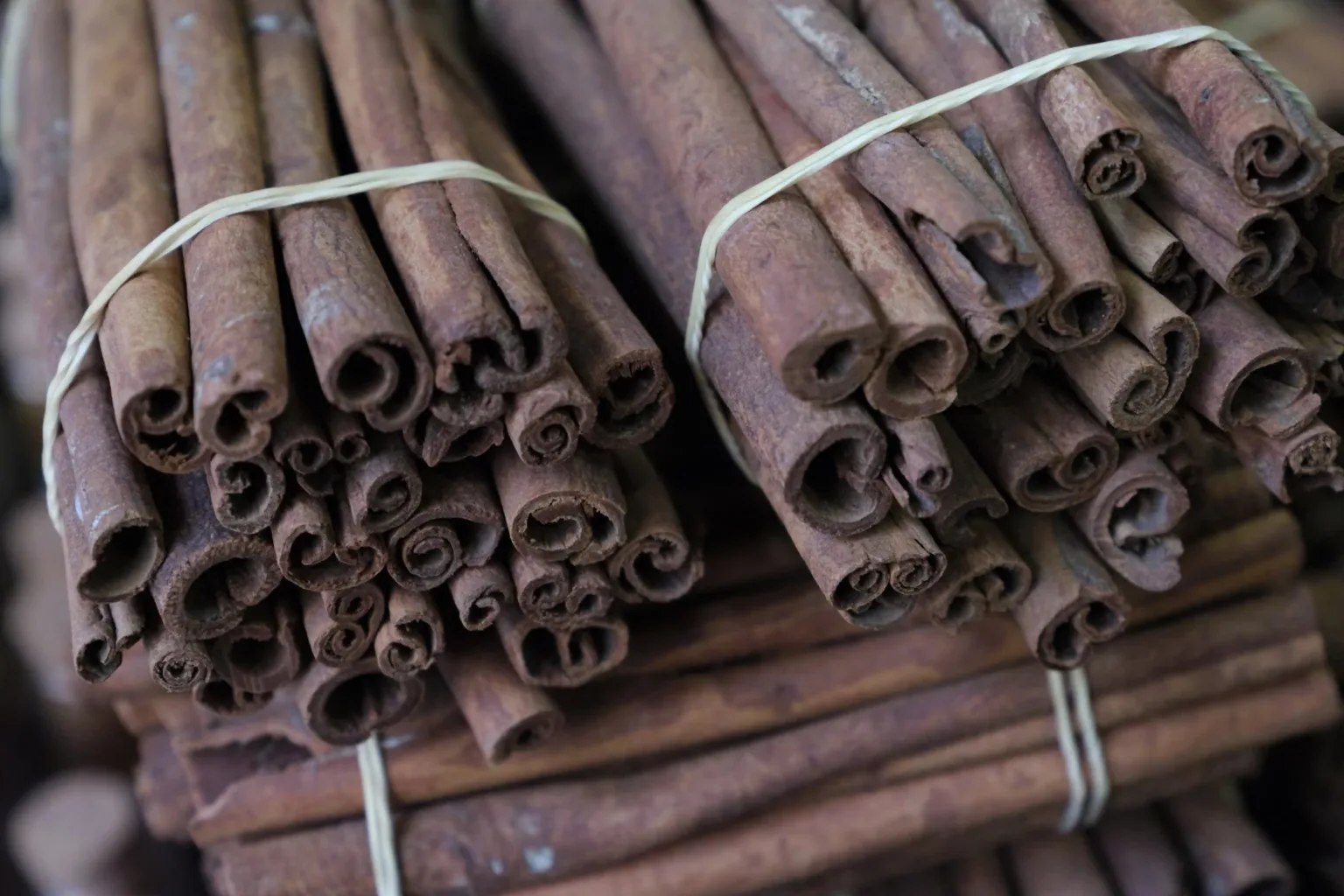
A cinnamon stick is the dried inner bark of trees in the genus Cinnamomum, which rolls into a stick as it dries. It is sold whole and is distinct from ground cinnamon, another form of the same spice. Several varieties are sold, including Ceylon and cassia, and they differ in thickness, appearance and aromatic character. As a result, one stick may not have exactly the same color, strength or flavor as another. In cooking, whole sticks are especially useful for flavoring liquids and dishes that can cook with the spice intact; cinnamon is used in both sweet and savory preparations.
When to use it
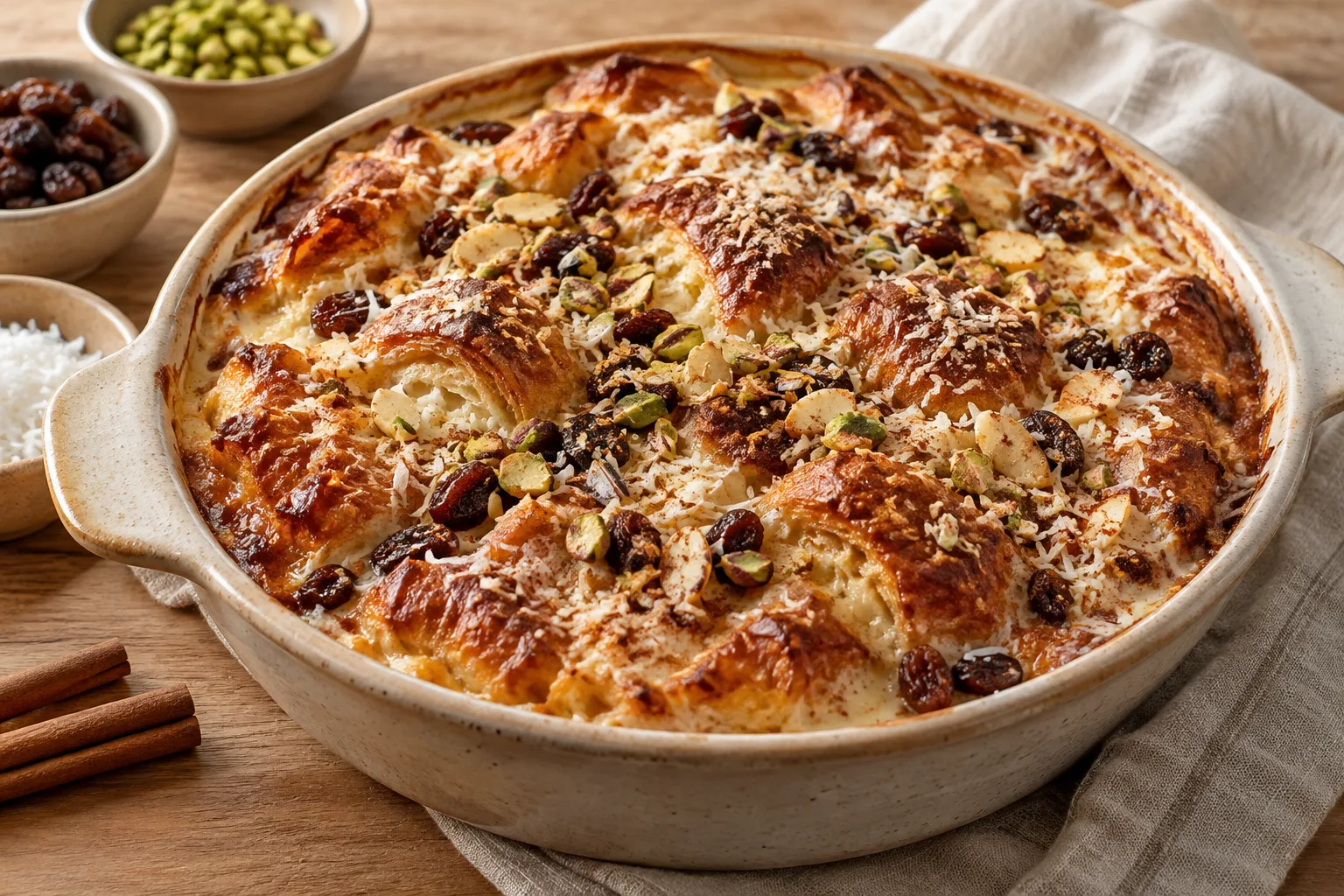
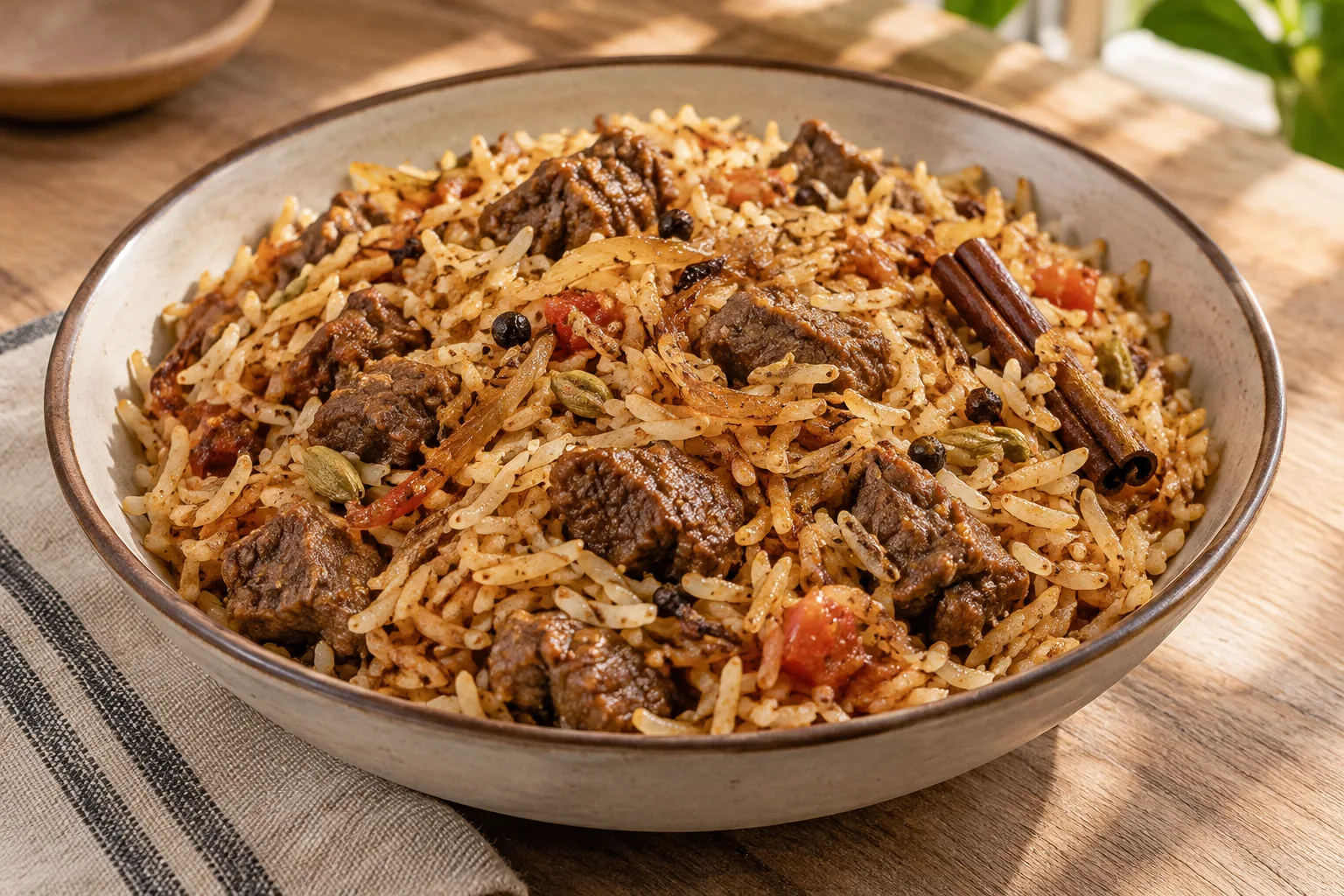
Choose a stick when you want cinnamon to scent a drink or cooking liquid without dispersing powder through the dish. It is commonly used in tea and infusions, as well as desserts such as rice pudding and custards. It can also add an aromatic note to meat stews, rice dishes, curries and other savory preparations. Strength varies by variety, so consider the character of the dish and taste the liquid as it cooks rather than assuming that all sticks are equally potent.
How to use it
Add the whole stick to a hot liquid, such as tea, an infusion, milk for a dessert or the cooking liquid for a stew, and let it scent the liquid as it cooks or rests. Remove it before serving so it does not get in the way of eating; dried bark can be rigid. In rice pudding and custards, the stick can flavor the liquid base during preparation. For savory dishes, add it to the cooking liquid for stews, curries or rice and check the aroma before removing it. If you only have ground cinnamon, remember that it disperses through the dish and cannot be lifted out like a stick.
Flavour and texture
Its aroma is warm and fragrant, and its flavor may seem sweet, spiced or slightly pungent depending on the variety. Ceylon cinnamon is often described as delicate, with floral notes, while some cassia varieties are more robust or intense. The stick is rolled dried bark and may be thin or thick; it does not dissolve in liquid, so remove it before eating.
How to choose it
Look for whole, dry sticks with no visible moisture or obvious signs of deterioration. Appearance varies: Ceylon sticks are typically thinner, with more delicate bark, while cassia tends to be thicker and darker. Variety can affect aroma and intensity, so use the variety named on the package as a guide when choosing for a recipe.
Storage
Keep dry sticks in a clean, tightly closed container, protected from moisture. Store the container in a dry place and avoid leaving it open near steam or liquids, since cinnamon is dried bark and moisture changes that condition. Check its appearance and aroma before use; the supplied evidence does not specify a precise shelf life or an official storage method.
Substitutions
Ground cinnamon can replace a stick when the spice does not need to be removed, but it disperses and changes the dish’s texture and appearance. Another variety of cinnamon stick may also work; its aromatic profile and intensity can differ. The available evidence gives no established quantity equivalence, so do not assume an exact conversion.
Common mistakes
Do not assume every variety has the same aroma or intensity, and do not forget that a whole stick does not dissolve or eat comfortably. Remove it before serving. Avoid automatically replacing it with ground cinnamon when you want a liquid without particles: the powder disperses and cannot be removed like the bark.
Safety and allergens
Use the stick as a flavoring spice and remove it before serving, since it is dried bark and may be rigid to chew. The supplied evidence contains no specific official food-safety warning for this ingredient.
Culinary uses
- Aromatizante para bebidas e infusiones
- Especia para postres y preparaciones saladas
Recommended techniques
- Infusionar en líquidos calientes y retirar antes de servir
- Cocer a fuego lento en líquidos para aromatizar
Pairs well with
- Arroz con leche, natillas y otros postres
- Té, infusiones y bebidas calientes
- Guisos de carne y platos de arroz
Frequently asked questions
What part of the plant is a cinnamon stick?
It is dried inner bark from trees in the genus Cinnamomum, rolled as it dries.
Do you eat the cinnamon stick?
It is used to flavor food and is usually removed before serving; it does not dissolve into the preparation.
Can I use ground cinnamon instead?
Yes, although it disperses through the dish and cannot be removed like a stick. The evidence does not establish an exact conversion.
Sources and review
Automatically researched, cross-checked and validated content. Sources consulted:
- ¿Por qué la muerte es origen de miedos y tabúes? doi.org
- The Essential Glossary of Cooking Terms for the Culinary Arts - Escoffier escoffier.edu
- UCCE efforts improve quality of and demand for fresh ... ucanr.edu
- Conocé más sobre la canela, tipos y recetas | Recetas Nestlé recetasnestle.com.ar
- Todo sobre canela : origen, tipos, usos y beneficios - Spice and Colour spiceandcolour.com
- Canela: Tipos, Usos Funcionales y Propiedades | Alveus alveus.eu
- filling gender gaps: determining how traditional knowledge of experts.esf.edu
- Canela, la especia más usada en nuestra cocina - Cocina y Aficiones cocinayaficiones.com
- Correlation between serum advanced glycation end products ... dadun.unav.edu
- Enjoying home-dried fruits and vegetables | Servicio de Extensión de OSU extension.oregonstate.edu
- GASTRONOMÍA. LA CANELA | Revista Viajeros revistaviajeros.es