- Category
- Herbs and spices
- State
- Dry
- Usual unit
- clove
What it is
A clove is the unopened, dried flower bud of the clove tree, Syzygium aromaticum. The spice is usually sold dry, with a narrow stem and a rounded head. It can be used whole, crushed, or ground. Its concentrated aroma adds character to both sweet and savory cooking, so a modest amount is usually enough. The name refers to the bud’s distinctive shape, not to a metal fastener. Whole cloves can flavor a dish while remaining easy to remove; ground cloves disperse throughout a recipe.
When to use it
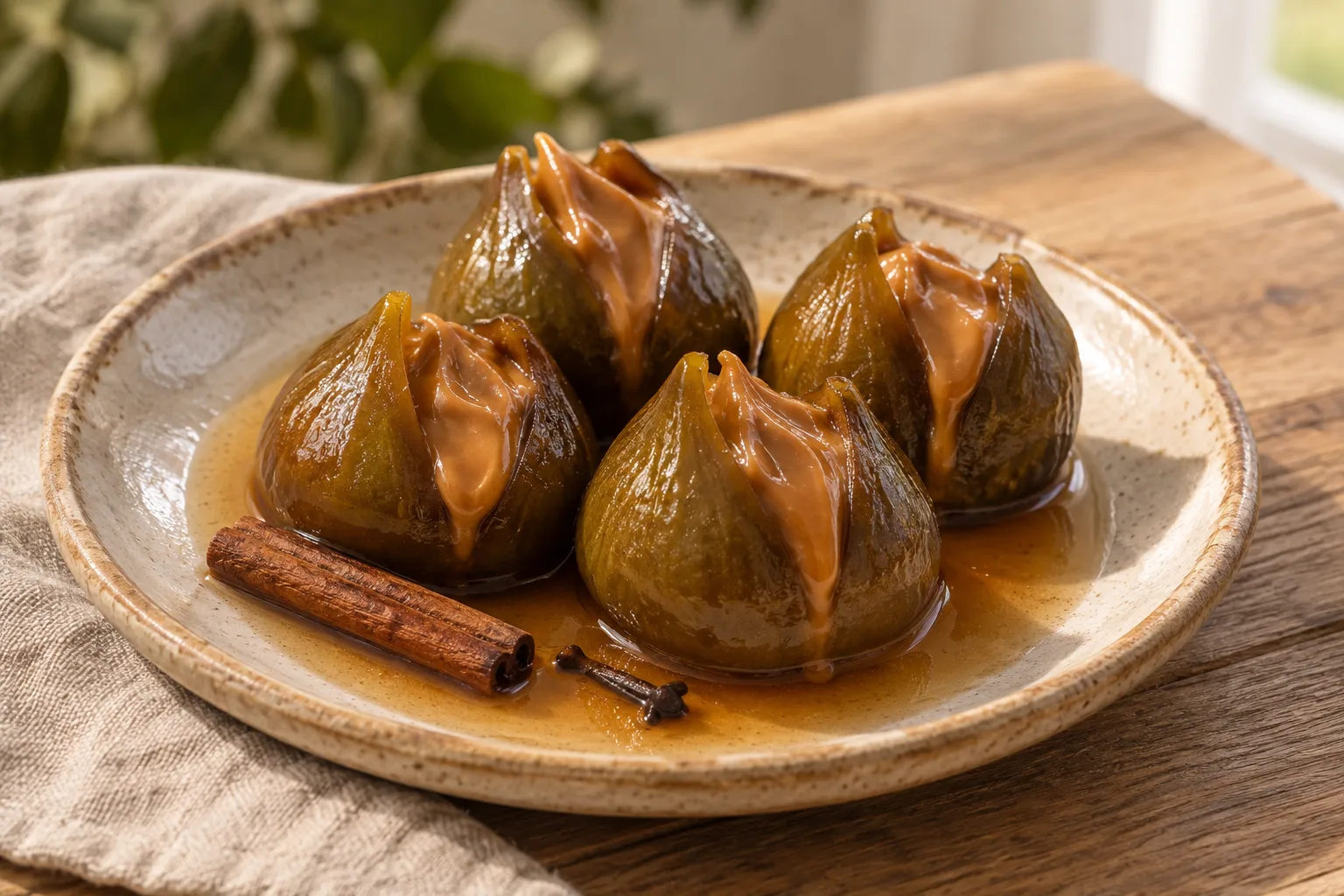
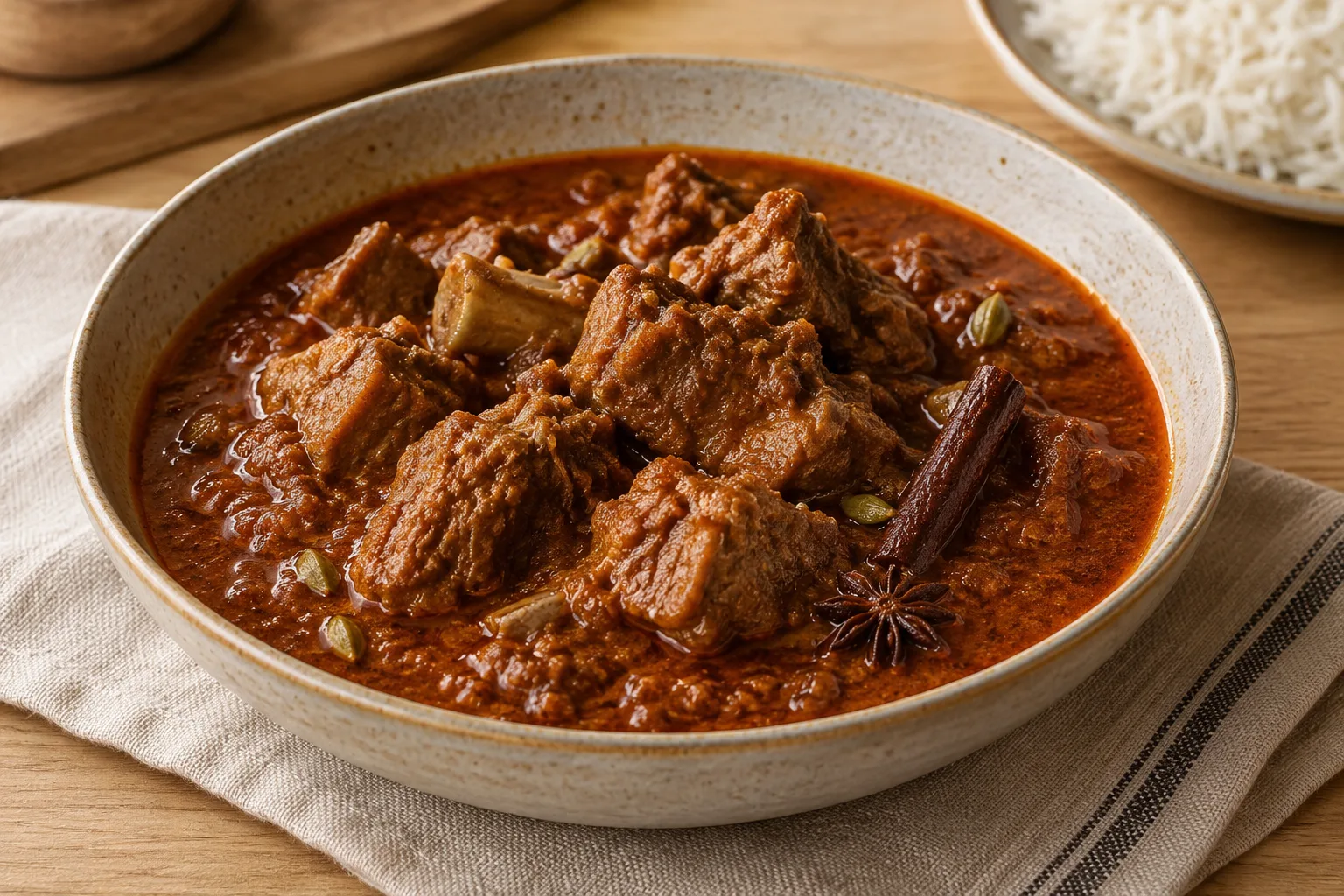
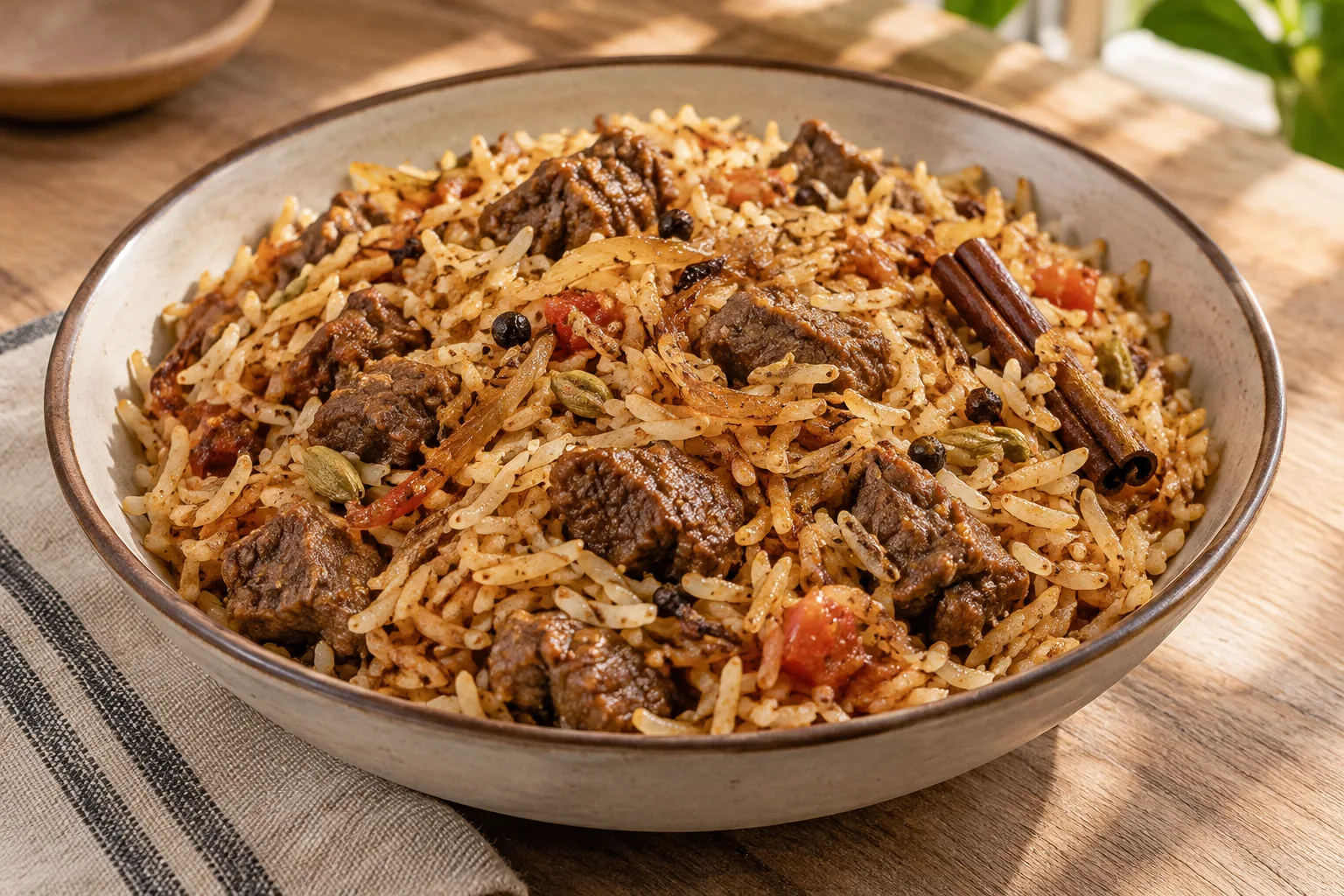
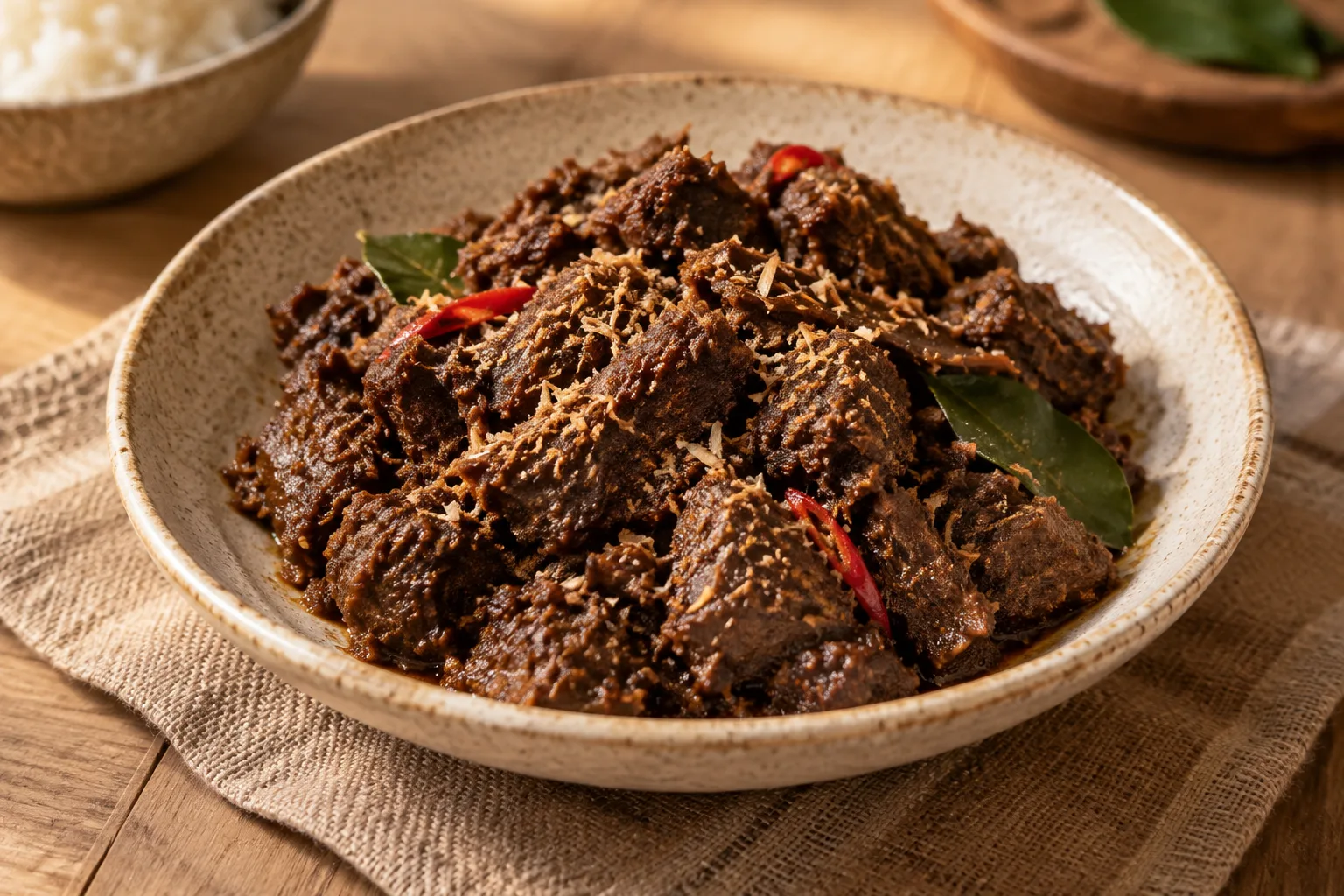
Use cloves when you want a warm, penetrating, spiced aroma in a sweet or savory preparation. They suit spiced breads and baking, spice blends, broths, stews, rice dishes, sauces, and flavored drinks. They can also be used with cooked fruit or fruit preserves. Their flavor is assertive, so choose them when that character fits the dish and use a small amount to avoid obscuring the other ingredients.
How to use it
Add whole cloves to liquids, broths, or stews to infuse them with aroma; remove the buds before serving if you do not want diners to bite into them. Alternatively, crush or grind the cloves and combine them with other seasonings. For baking and doughs, use a restrained amount alongside spices such as cinnamon or ginger. Cloves can also be infused in drinks with other aromatics. If a recipe calls for ground cloves and you have whole ones, crush or grind them before measuring, then adjust cautiously because their flavor can quickly become dominant.
Flavour and texture
Cloves have a powerful aroma and a warm, sweet, penetrating, slightly peppery taste, with fresh and earthy notes. The dried buds are firm and woody, so they are often used whole for infusing or ground to distribute their flavor. Their concentrated character means too much can taste sharp and mask the more delicate notes in a dish.
How to choose it
Choose dry cloves with a recognizable bud shape, rounded head, and narrow stem. The available evidence describes dried cloves as dark brown with a distinctive aroma; look for a noticeable, clean scent rather than a faint one. Choose whole or ground cloves according to the recipe: whole buds can flavor a dish and be removed, while ground cloves blend throughout it. Check the package and the date provided by the manufacturer.
Storage
Keep cloves in a clean, tightly closed container and follow the package directions. Protect them from moisture, heat, and strong odors to help preserve their aroma; the available evidence does not establish a specific storage life or further special conditions. If you buy whole cloves, you can crush or grind only the amount needed for a recipe.
Substitutions
Allspice, nutmeg, or cardamom can provide a different spiced profile in some recipes, but none exactly reproduces cloves’ intense flavor. The available evidence identifies these as alternatives in spiced preparations, not universal equivalents. Start with a small amount, taste, and adjust to suit the dish.
Common mistakes
The most common mistake is adding too many cloves: their bold flavor can overwhelm a blend, drink, or dough. Do not assume another spice can replace cloves in the same quantity, since substitutions change the finished flavor. If you use whole buds in broth or a drink, remember that they may remain in the serving; remove them if you want a smooth texture without hard pieces.
Safety and allergens
Use cloves intended for food and follow the package directions. Treat them as a culinary seasoning; the available evidence does not support medicinal-use advice or identify a specific official safety warning for this spice.
Culinary uses
- especia aromática
- condimento para preparaciones dulces y saladas
- componente de mezclas de especias
Recommended techniques
- usar entero para aromatizar líquidos y guisos
- moler o machacar antes de añadir
- incorporar en pequeñas cantidades a mezclas de especias
Pairs well with
- canela
- cardamomo
- pimienta negra
- anís
- jengibre
Frequently asked questions
Should cloves be used whole or ground?
They can be used either way. Whole cloves infuse liquids and stews and can be removed before serving; ground cloves mix more evenly into doughs, sauces, and spice blends.
What foods pair well with cloves?
Cloves appear in sweet and savory preparations such as spiced breads, broths, stews, rice dishes, and flavored drinks. They pair with spices including cinnamon, cardamom, black pepper, anise, and ginger.
What can I use instead of cloves?
Allspice, nutmeg, or cardamom may work as alternatives depending on the recipe, but their flavors are not identical. Add a small amount and taste before adjusting.
Estimated nutrition
- Fat
- 0 g
- Saturates
- 0 g
- Carbohydrate
- 0 g
- Sugars
- 0 g
- Protein
- 0 g
- Salt
- 0 g
Sources and review
Automatically researched, cross-checked and validated content. Sources consulted:
- Canning Tomatoes and Tomato Products food.unl.edu
- The Essential Glossary of Cooking Terms for the Culinary Arts - Escoffier escoffier.edu
- educational content to support healthful lifestyle practices sjsu.edu
- CERVECERO ESPAÑOL aesan.gob.es
- Pan de Pera Integral con Especias | Servicio de Extensión de OSU extension.oregonstate.edu
- Encurtir los Alimentos - Illinois Extension extension.illinois.edu
- Todo sobre el clavo de olor: qué es, cómo utilizarlo, de dónde procede y 11 recetas para cocinar con él directoalpaladar.com
- Clavo de olor o girofle, el rey de las especias, 'conoce lo que comes' - Cocina y Aficiones cocinayaficiones.com
- El Clavo de Olor: Historia, Usos y Beneficios - Espècies Teixidor teixidor.com
- Clavo, especia – Botanical-online botanical-online.com
- El clavo de Olor: Un tesoro de Aromas e Historia - Especias RUCA ruca.es