- Category
- Oils and fats
- State
- Fresh
- Usual unit
- tablespoon
What it is
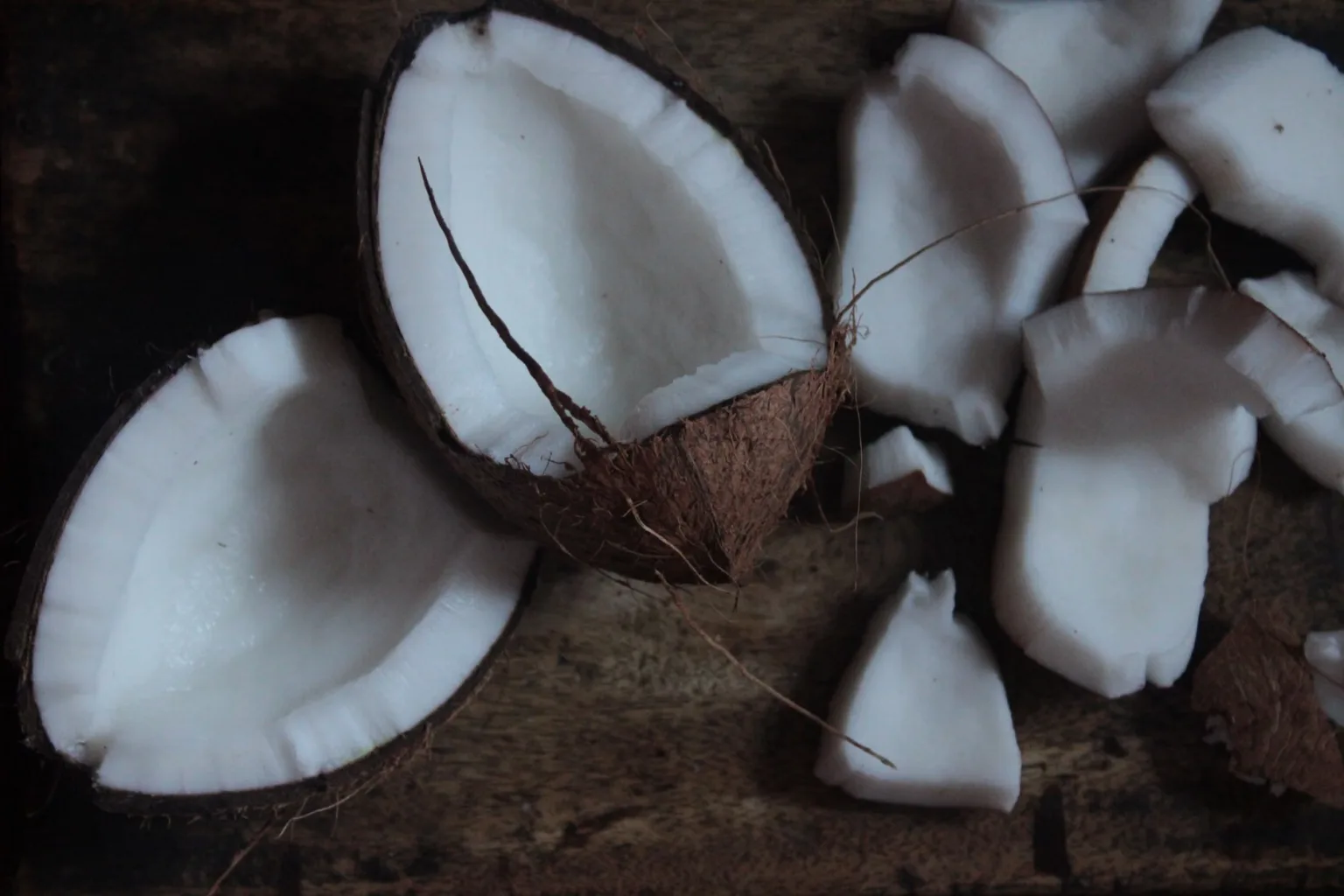
Coconut oil is a plant-based fat obtained from coconut flesh. It is sold in different forms and degrees of processing: some products retain a recognizable coconut aroma and flavor, while refined versions may taste more neutral. It can also be solid or liquid because its consistency changes with temperature. A firm jar in a cool room and a more fluid one in a warmer setting can therefore both be normal. Coconut oil is a cooking ingredient, but products under that name do not all have identical flavors or behave in exactly the same way.
When to use it
Use it when you want a coconut note in a recipe or when a preparation needs a fat that can melt and blend with other ingredients. An aromatic version can suit curries, Asian-inspired stir-fries and baking; a more neutral product may be preferable when you do not want coconut to dominate. Before adding it, consider whether the recipe calls for a solid or liquid fat: coconut oil changes consistency with temperature, which can affect the result.
How to use it
For a stir-fry, warm a small amount in the pan and add the ingredients once the fat has melted. In curries and spiced dishes, its aroma can blend with the other flavors; use it with vegetables or noodles when a coconut note fits. It can provide fat in baked goods, but it is not identical to butter: it changes the flavor and, depending on temperature, its consistency. For a cold preparation, melt it if the recipe calls for that and mix it promptly with the other components; it may solidify again as it cools. Choose a refined or aromatic type according to the flavor you want.
Flavour and texture
Virgin coconut oil often has a recognizable coconut aroma and flavor, sometimes with sweet notes; refined oil may be more neutral. Its texture depends on temperature: it can be solid or semi-solid and become liquid when warmed. These differences are normal and worth considering when choosing a product for a recipe.
How to choose it
Read the label to distinguish virgin or unrefined coconut oil from refined and deodorized oil. The former suits recipes where you want the coconut flavor to show; the latter may work when you prefer a more discreet fat. Check that the product is intended for food use and follow its label directions. Do not judge flavor from appearance alone: temperature also affects whether the oil is firm or fluid.
Storage
Store it according to the label and keep the container closed between uses. Its consistency may change from solid to liquid with temperature; that change alone does not indicate a problem. Check the package for storage directions and the date that applies to the specific product. Do not use a generic shelf-life claim in place of that information.
Substitutions
Olive oil can replace coconut oil in some savory dishes, but it has a different flavor. Butter can work in certain baked or pan-cooked recipes, though it changes the dish’s flavor profile. Sunflower oil is another option when a more neutral taste is wanted. Choose according to the recipe: fats do not always create the same texture or behave alike as they cool.
Common mistakes
A common mistake is assuming every type tastes the same: refined oil may be more neutral, while virgin oil is often more aromatic. Also account for temperature-related changes in consistency, and do not substitute another fat without considering its effect on the recipe’s flavor and texture.
Safety and allergens
Use only a product labeled for food use and follow its storage and use directions. Check the package for ingredient or allergen information if needed: product composition can vary.
Culinary uses
- Grasa para cocinar y saltear
- Grasa para repostería y preparaciones dulces
- Aporte de aroma y sabor a coco en platos fríos o calientes
Recommended techniques
- Saltear
- Freír
- Hornear
- Fundir y mezclar en aderezos o preparaciones
Pairs well with
- Curris y platos con especias
- Verduras salteadas y noodles
- Bizcochos, galletas y otros dulces
- Preparaciones con sabores afrutados o picantes
Frequently asked questions
Is coconut oil always solid?
No. It can be solid or liquid depending on temperature; this change in consistency is normal.
Do virgin and refined coconut oil taste the same?
Not necessarily. Virgin oil often retains coconut aroma and flavor, while refined oil may be more neutral.
Can I replace butter with coconut oil?
It can work in some recipes, but flavor and texture may change. Consider what the fat does in the preparation.
Estimated nutrition
- Fat
- 100 g
- Saturates
- 93.3 g
- Carbohydrate
- 0 g
- Sugars
- 0 g
- Protein
- 0 g
- Salt
- 0 g
Sources and review
Automatically researched, cross-checked and validated content. Sources consulted:
- En el etiquetado alimentario hay algunas menciones que son obligatorias eletiquetadocuentamucho.aesan.gob.es
- Aesan - Agencia Española de Seguridad Alimentaria y Nutrición aesan.gob.es
- Aceite de coco - Wikipedia, la enciclopedia libre es.wikipedia.org
- Aceite de coco | www.cocinista.es cocinista.es
- Aceite de coco: su composición y uso en cosmética natural mentactiva.com
- Aceite de coco, ¿qué es y para qué sirve? cuidateplus.marca.com
- Usos y beneficios del aceite de coco - La Española Aceites laespanolaaceites.com
- Aceite de coco. Qué es, cómo usarlo en la cocina y cuándo merece la pena abc.es
- Aceite de coco: propiedades, beneficios y usos en la cocina hogarmania.com
- Beneficios, usos y propiedades del aceite de coco - ALDI aldi.es
- Aceite de coco alimentario y cosmético. Beneficios y usos marnys.com
- Aceite de coco; propiedades y qué beneficios tiene – SI Pochteca sip.pochteca.net
- Aceite de Coco doi.org
- Reemplazo del aceite de coco - Vida Bio tu Web sobre Nutrición vida-bio.es
- Descubra cómo reemplazar fácilmente el aceite de coco en la cocina | Ferwer ferwer.es
- ▷ Cocinar con aceite de coco, guía para principiantes | Blog de Cocina Internacional mercadoflotante.com
- Sustitutos del aceite de coco →【 Alternativas 2026 】 recetasis.com