- Category
- Pulses
- State
- Other
- Usual unit
- g
What it is
Cooked white beans are legume seeds that have already been cooked and can be added to a dish or heated as part of a recipe. The name covers several white-bean varieties of different shapes and sizes, so their texture is not identical from one product to another. They may be sold cooked in a can or prepared at home; the exact form matters, so check the packaging when available. Use them whole or blended: they work in salads, stews, soups and purées. They are different from green beans, which are eaten as pods. This ingredient profile refers to cooked white bean seeds, not dry beans that still need cooking.
When to use it
Use cooked white beans when you want to add a ready-cooked legume rather than start with dry beans. They are useful in salads, soups and stews, and can also be blended into a creamy soup or purée. Add them gently when a recipe contains liquid and you want them to hold their shape, or blend them for a smooth result. Bean size, firmness and creaminess vary by variety and product, so adjust the amount of liquid and heating to suit the dish rather than relying on a fixed cooking time.
How to use it
First check the product form and any directions on the package. If the beans are canned and the recipe calls for draining or rinsing, drain them and rinse them; some salad recipes use this step to remove packing liquid. For a salad, drain and fold the beans gently with the other ingredients and dressing. For soup or stew, add them to the dish and heat them with the other ingredients; they do not need to be treated like dry beans. For a purée, blend them and adjust the consistency with the liquid used in the recipe. Taste the finished dish and adjust its seasoning to suit the product and other ingredients. Follow the package’s storage and use directions.
Flavour and texture
Their flavor is generally mild, and their texture tender and creamy, although both depend on the variety and cooking. Some white beans are larger or more buttery, while others hold their shape more firmly; do not assume every type will behave the same way. Whole beans add substance to salads and stews, while blended beans can give a purée body. Dressings and accompanying ingredients matter because the beans’ own flavor is subtle.
How to choose it
When buying packaged cooked beans, check that the product is identified as cooked white beans and read its storage and use directions. Variety can affect size and texture, so appearance alone does not show whether a product will suit every recipe. Check the package for ingredient information and any product-specific storage conditions. For unpackaged beans, ask for the food information available from the seller.
Storage
There is no single storage direction that applies to every cooked white bean product: presentation varies, and some beans are cooked at home. Follow the specific instructions on a packaged product and observe any stated storage and use conditions. For beans cooked at home, use appropriate guidance for your preparation and local official advice; the evidence available here does not support a universal time limit or temperature. Do not infer shelf life simply from the fact that the beans are cooked legumes.
Substitutions
You can replace one cooked white-bean variety with another, keeping in mind that size, firmness and creaminess may differ. Cooked canned white beans are another option when a recipe calls for beans that are already cooked; drain or rinse them if the method calls for it. Do not swap them directly for dry beans without changing the preparation: dry beans need to be cooked before they can be used as a cooked ingredient.
Common mistakes
A common mistake is treating cooked beans like dry beans and giving them a preparation intended for uncooked seeds. Another is adding all the canning liquid when the recipe calls for drained beans, or stirring so vigorously that the beans break apart. Do not assume all white-bean varieties have the same size or that every package has identical storage directions.
Safety and allergens
Follow the storage and use directions on the label, since they can vary with the product and its presentation. For unpackaged food, ask for the available product information. No universal storage duration is provided here. [119]
Culinary uses
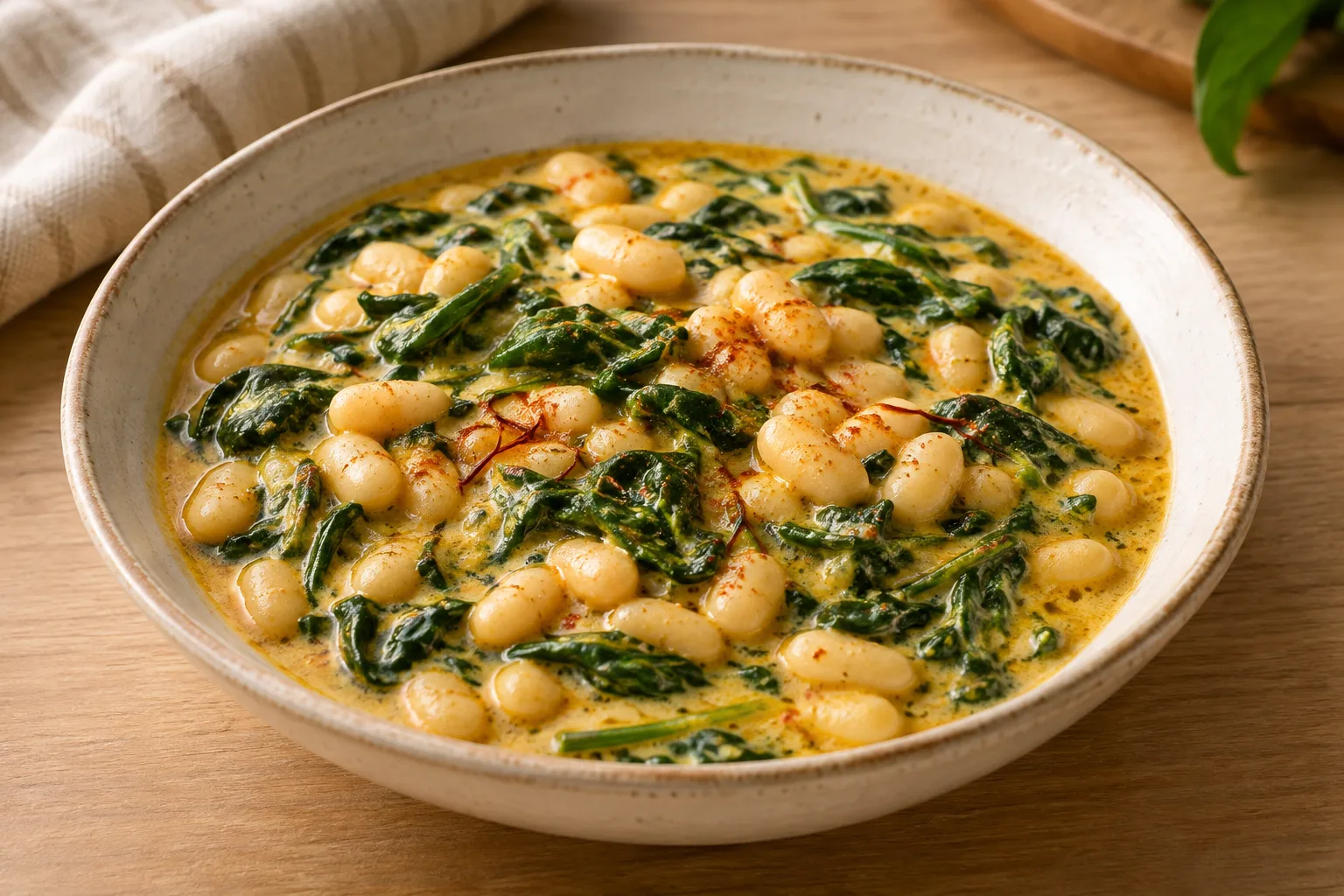
- Base for soups, stews and other spoon dishes
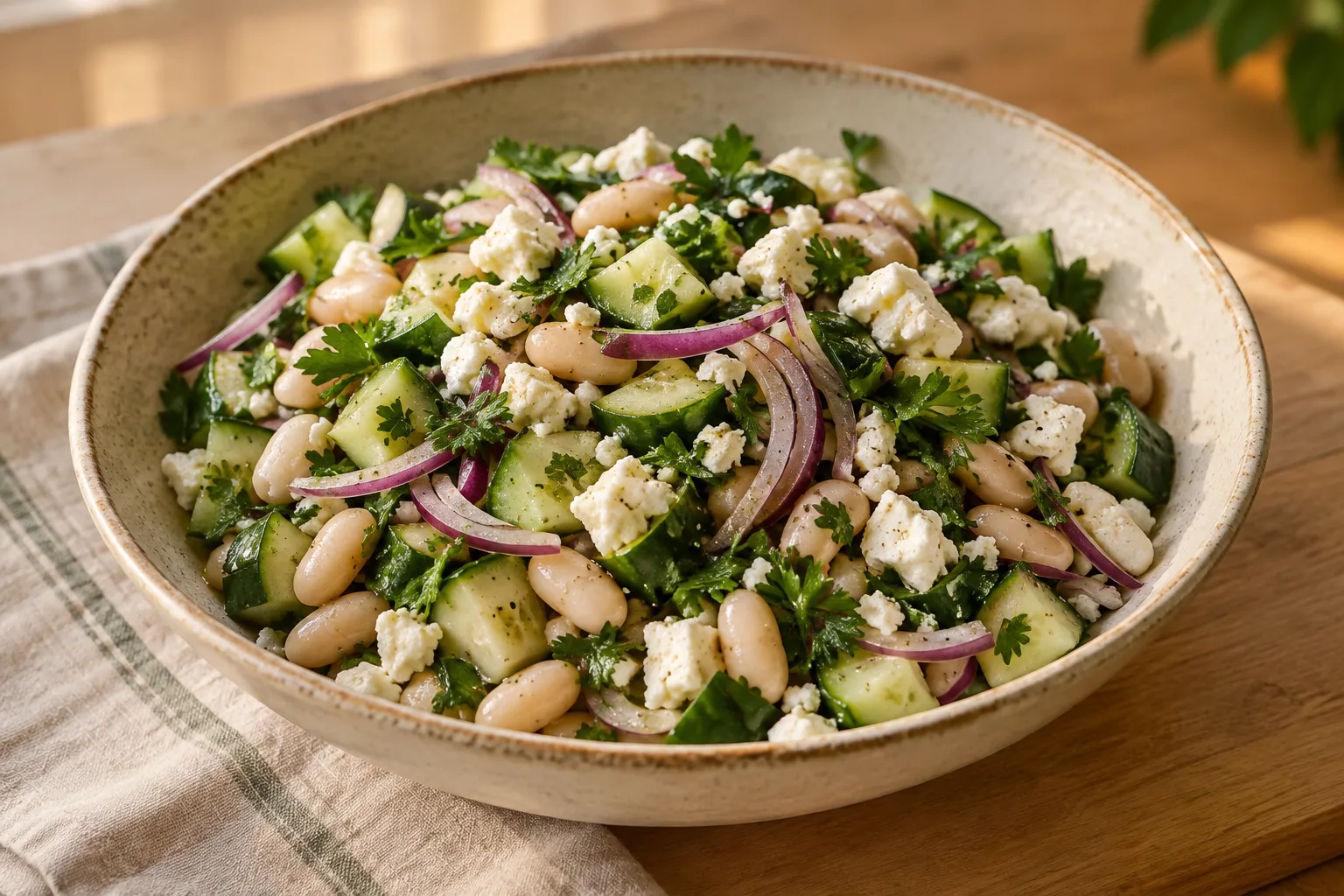
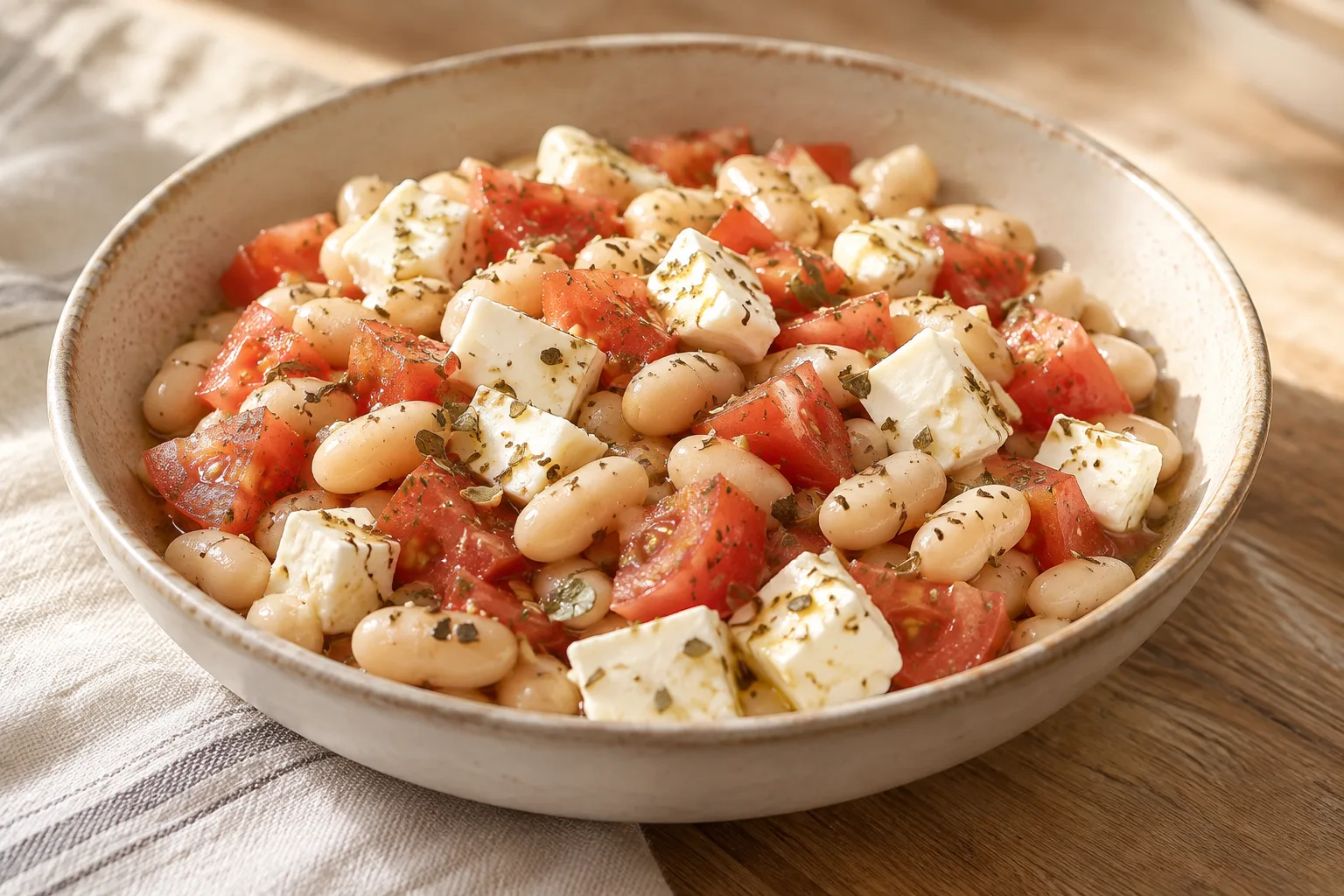
- Main ingredient in salads, purées and creamy soups
Recommended techniques
- Drain and rinse, when appropriate for the product
- Warm gently in a stew or soup, or blend into a purée
Pairs well with
- Vegetables, herbs and seasonings in soups and stews
- Tomato, olive oil, vinegar, onion and other salad ingredients
Frequently asked questions
Do cooked white beans need rinsing?
It depends on the product and recipe. Some salad preparations call for canned beans to be drained and rinsed; check the package and follow the method you are using.
Can cooked white beans be served cold?
Yes. Add them to a cold salad after draining, then combine them with the other ingredients and dressing.
Can I use cooked beans in a recipe that calls for dry beans?
Do not treat them as though they were dry. Cooked beans can suit a recipe calling for beans that are already cooked, while dry beans need preparation and cooking first.
Sources and review
Automatically researched, cross-checked and validated content. Sources consulted:
- En el etiquetado alimentario hay algunas menciones que son obligatorias eletiquetadocuentamucho.aesan.gob.es
- Aesan - Agencia Española de Seguridad Alimentaria y Nutrición aesan.gob.es
- Departament d’Enginyeria Agroalimentària i Biotecnologia upcommons.upc.edu
- Client Challenge doi.org
- Las alubias o habichuelas: origen, variedades, beneficios y recetas para cocinar la legumbre más extendida del mundo directoalpaladar.com
- Recetas con judías | Recetas.com recetas.com
- Vamos a Conservar Alimentos: Judías verdes (habichuelas) extension.psu.edu
- Judías verdes (habichuelas) (Spanish) - National Center for Home Food Preservation nchfp.uga.edu
- Judías verdes (judías verdes) - Spend Smart Eat Smart spendsmart.extension.iastate.edu
- Cultivo de frijoles en huertos familiares | Extensión de la UMN es.extension.umn.edu
- Generalitat de Catalunya Departament d'Agricultura, Alimentació i Acció Rural mapa.gob.es
- (PDF) Curso de Cocina Judía academia.edu
- Enjuague las judías verdes con agua para eliminar la suciedad. web.uri.edu
- Tipos de judias blancas ⋆ Bienestarvalencia.com - Cuida tu salud bienestarvalencia.com
- Judías Blancas - Guía de los alimentos | Nestlé Family Club nestlefamilyclub.es
- 25 Recetas con judías blancas fáciles, ricas y saludables nuevoestilo.es
- Receta de Judías Blancas con Verduras I elblogdeceleste elblogdeceleste.com
- Recetas con alubias blancas cocidas: deliciosas y reconfortantes cookpad.com