- Category
- Dairy and eggs
- State
- Liquid
- Usual unit
- ml
What it is
Cooking cream is a liquid dairy product derived from milk. It is used in cooked dishes to add a creamy texture and a mild dairy flavour. Products sold for cooking do not necessarily share the same fat content or processing: the sources describe culinary creams with differing fat percentages and mention UHT products. The product name is therefore a useful guide to intended use, but the label is the best source for the specific carton in your kitchen. Cooking cream should not automatically be treated as interchangeable with whipping cream, which is generally chosen when a recipe needs cream that can be whipped to hold air.
When to use it
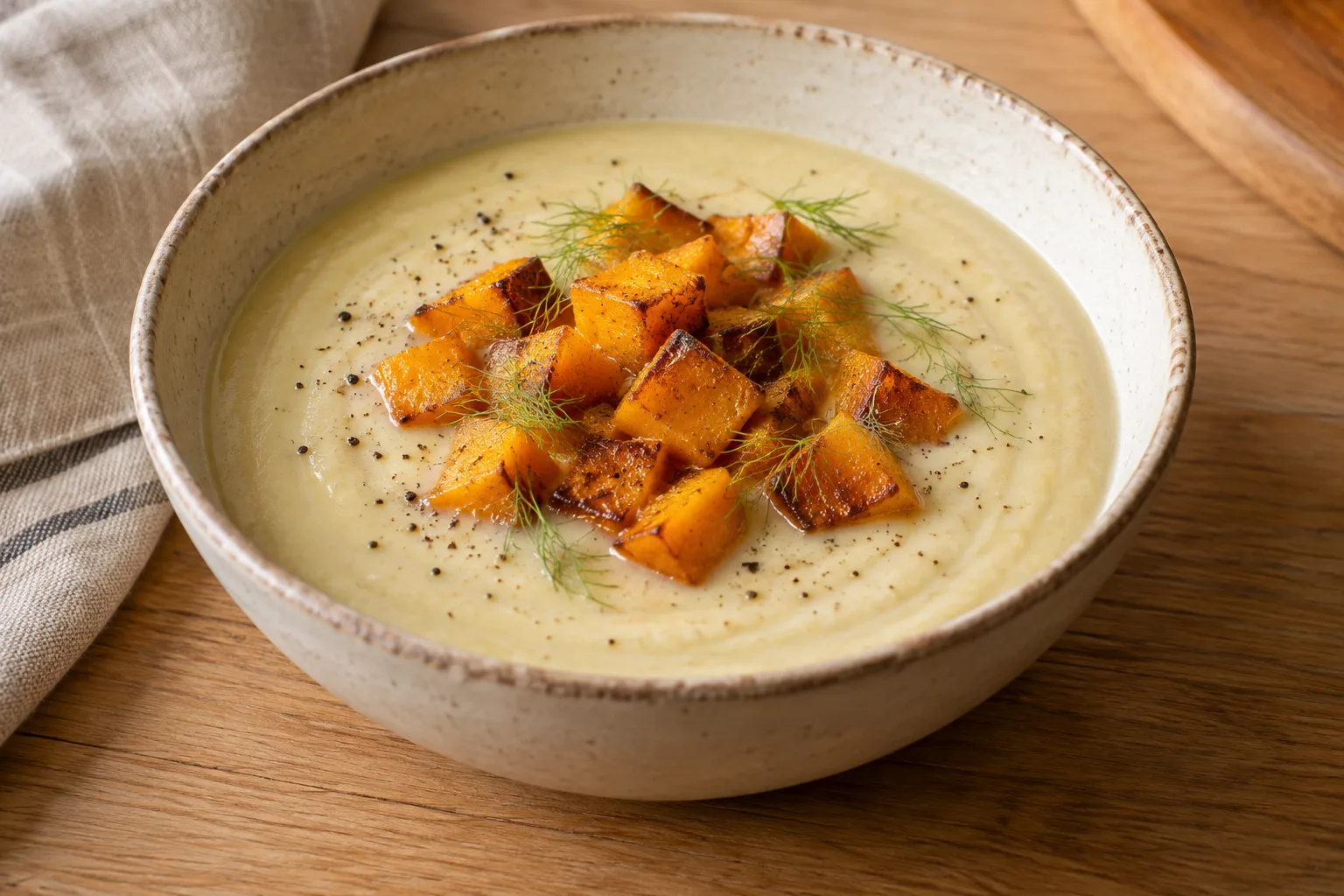
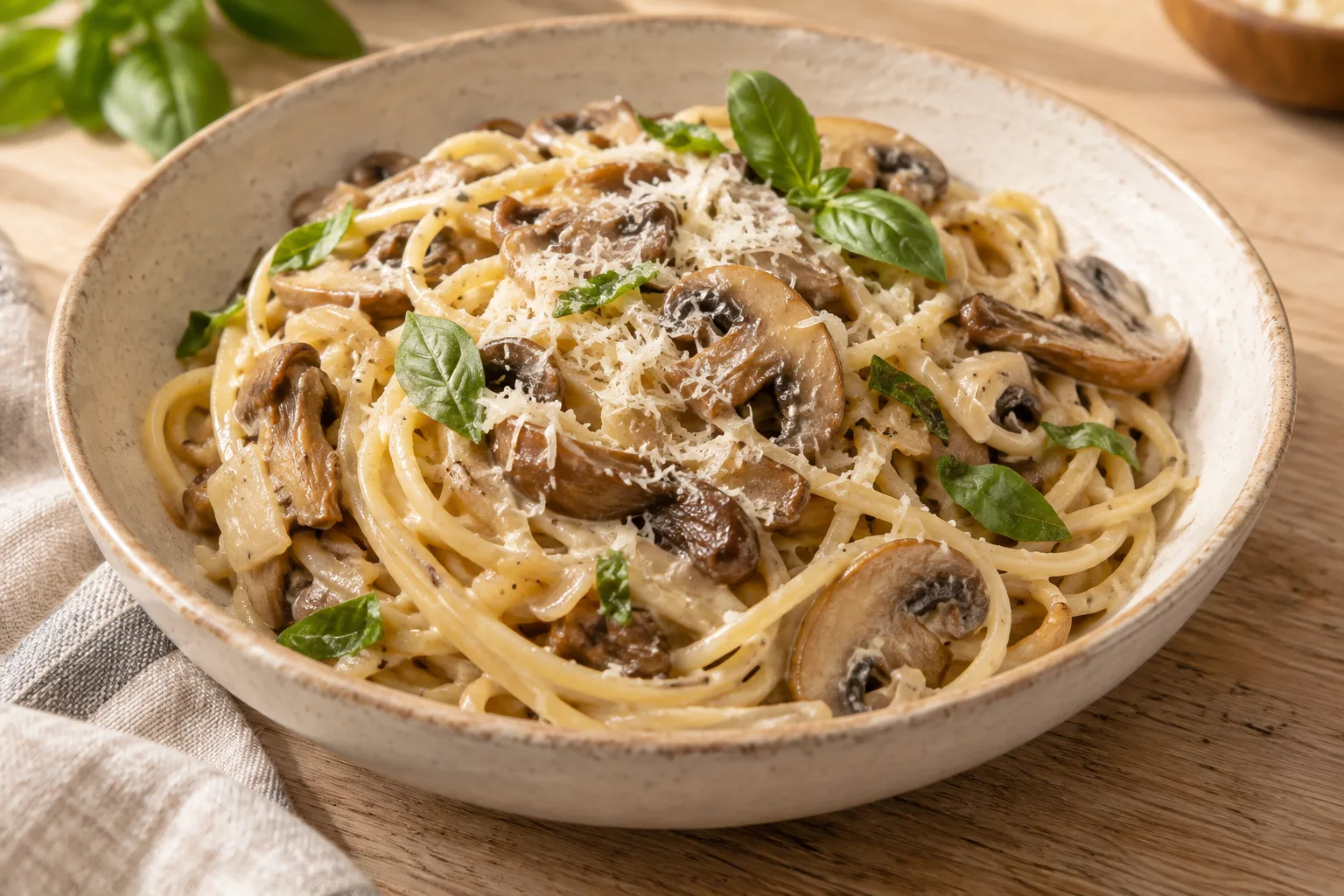
Use cooking cream when a savoury recipe needs a creamier texture or more body in its sauce. It is commonly used in pasta sauces, soups, vegetable creams and gratins, as well as sauces served with meat or fish. It can also soften the overall impression of a strongly flavoured sauce, although the result depends on the recipe and the product. Choose cooking cream when you do not need whipped cream; for desserts that require a whipped topping or filling, select a product specifically labelled for whipping and check its characteristics.
How to use it
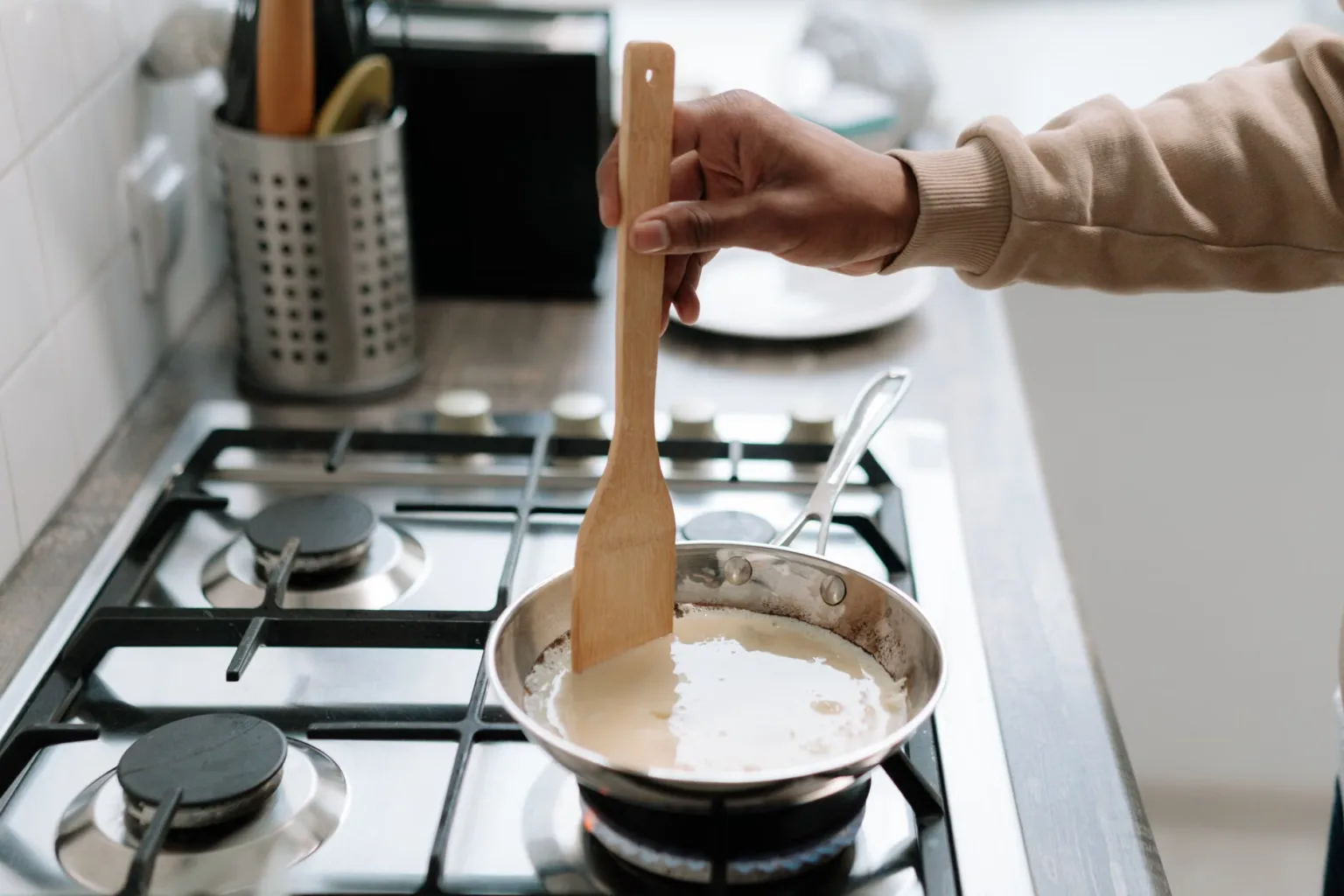
Add cooking cream to a sauce, soup or vegetable cream as part of the preparation, then stir it in so it combines with the other ingredients. It can also be used in pasta dishes, vegetable recipes, sauces for meat or fish, and gratins. The final consistency and flavour depend on the product, the amount used and the recipe, so follow the recipe and the instructions on the package. If you need an airy topping or filling for dessert, do not assume cooking cream will whip successfully: many cooking versions have less fat than cream intended for whipping.
Flavour and texture
Cooking cream has a mild dairy flavour and is liquid or pourable before it is added to a dish. In a recipe, it can bring a creamier mouthfeel and add body to sauces, soups and other preparations. The degree of creaminess depends on the product: cooking creams vary in composition, and some are thicker than others. Check the label if a recipe depends on a particular texture rather than assuming that every carton will behave in the same way.
How to choose it
Read the product name and ingredient list to confirm that you are buying cooking cream rather than whipping cream or a different dairy product. Check the package for storage and use instructions, as well as its stated date. The sources describe cooking creams with different fat levels and processing, so choosing by the name alone may not be enough. If a recipe needs a specific consistency or result, compare the product description with what the recipe calls for.
Storage
Follow the storage instructions printed on the package, since processing and storage conditions can differ between products. Do not assume that every format requires the same storage or that opened products keep in the same way. Check the manufacturer's use and duration guidance, and keep the package identifiable so you can refer to the instructions before using it.
Substitutions
Evaporated milk may work as an alternative when you want creaminess, but it is not identical to cooking cream and can change the final texture. In some savoury dishes, a looser béchamel can also be used, though it brings a different composition and result. Choose a substitute according to the job the cream does in the recipe: adding body, softening a sauce or contributing to a gratin. Do not expect these alternatives to whip like whipping cream.
Common mistakes
A common mistake is treating cooking cream as interchangeable with whipping cream. Cooking versions often have less fat, and the sources note that many are not suitable for whipping. It is also easy to assume that every cooking cream has the same thickness, composition or storage requirements. Check the package and match the product to the result the recipe needs instead of relying on the word “cream” alone.
Safety and allergens
This is a dairy product and contains milk. If you have an allergy or intolerance, check the package allergen information rather than relying on the product name alone. Follow the manufacturer's storage and use instructions, which may differ by product and packaging.
Culinary uses
- Aportar cremosidad a salsas y sopas
- Dar cuerpo a gratinados y platos de pasta
Recommended techniques
- Incorporar a salsas y cremas durante la cocción
- Usar en preparaciones para gratinar
Pairs well with
- Pasta y champiñones
- Verduras, carnes o pescados en salsas cremosas
Frequently asked questions
Can cooking cream be whipped?
Do not assume that it can. Cooking cream often has less fat than cream intended for whipping, and the sources note that many cooking versions are not suitable for whipping. Check the label and choose whipping cream if you need volume.
What dishes can I use cooking cream in?
It is commonly used in sauces, soups, vegetable creams, pasta dishes and gratins. It also appears in recipes with vegetables, meat or fish when a creamy texture is wanted.
Is cooking cream the same as whipping cream?
Not necessarily. They are dairy products that can differ in fat content and intended use. Whipping cream is chosen for whipping, while cooking cream is mainly used in cooked recipes.
Estimated nutrition
- Fat
- 1.5 g
- Saturates
- 0.24 g
- Carbohydrate
- 76.5 g
- Sugars
- 0.2 g
- Fibre
- 3.8 g
- Protein
- 10.5 g
- Salt
- 0.02 g
Sources and review
Automatically researched, cross-checked and validated content. Sources consulted:
- En el etiquetado alimentario hay algunas menciones que son obligatorias eletiquetadocuentamucho.aesan.gob.es
- Client Challenge doi.org
- Sopa - Wikipedia, la enciclopedia libre es.wikipedia.org
- Tipos de nata: ligera, fresca, espesa... ¿Cuál usar en recetas saladas y en postres? hogarmania.com
- Tipos de Nata: Diferencias y Usos | Central Lechera Asturiana centrallecheraasturiana.es
- Diferencias entre la nata para montar y la nata para cocinar | Leche Larsa leitelarsa.es
- ▷ ¿Qué significa nata en gastronomia? | Como Cocinar y Comer comococinarocomer.com
- ¿Qué diferencia hay entre nata líquida y nata para montar? cocinatis.com
- Todo lo que Necesitas Saber sobre la Nata en la Cocina: Comparativa de Tipos y Usos en Pastelería pasteleriamarianohernandez.es
- ¿Si no tengo nata para cocinar que puedo usar? tiendaabrasadorencasa.com
- Cómo reemplazar la nata para cocinar en las recetas » Dolso dolso.es
- 14 recetas con nata para cocinar: platos sencillos llenos de sabor y cremosidad bonviveur.com
- Maridajes Perfectos: Cómo la Nata Pasteurizada Transforma tus Platos y Acompaña a los Mejores Vinos iberovinac.es
- Nata para cocinar o para montar: 18% vs 35% | Gallina Blanca gallinablanca.es
- Recetas con nata para cocinar platos salados abc.es
- Cómo sustituir la nata en las recetas elespanol.com