- Category
- Herbs and spices
- State
- Dry
- Usual unit
- teaspoon
What it is
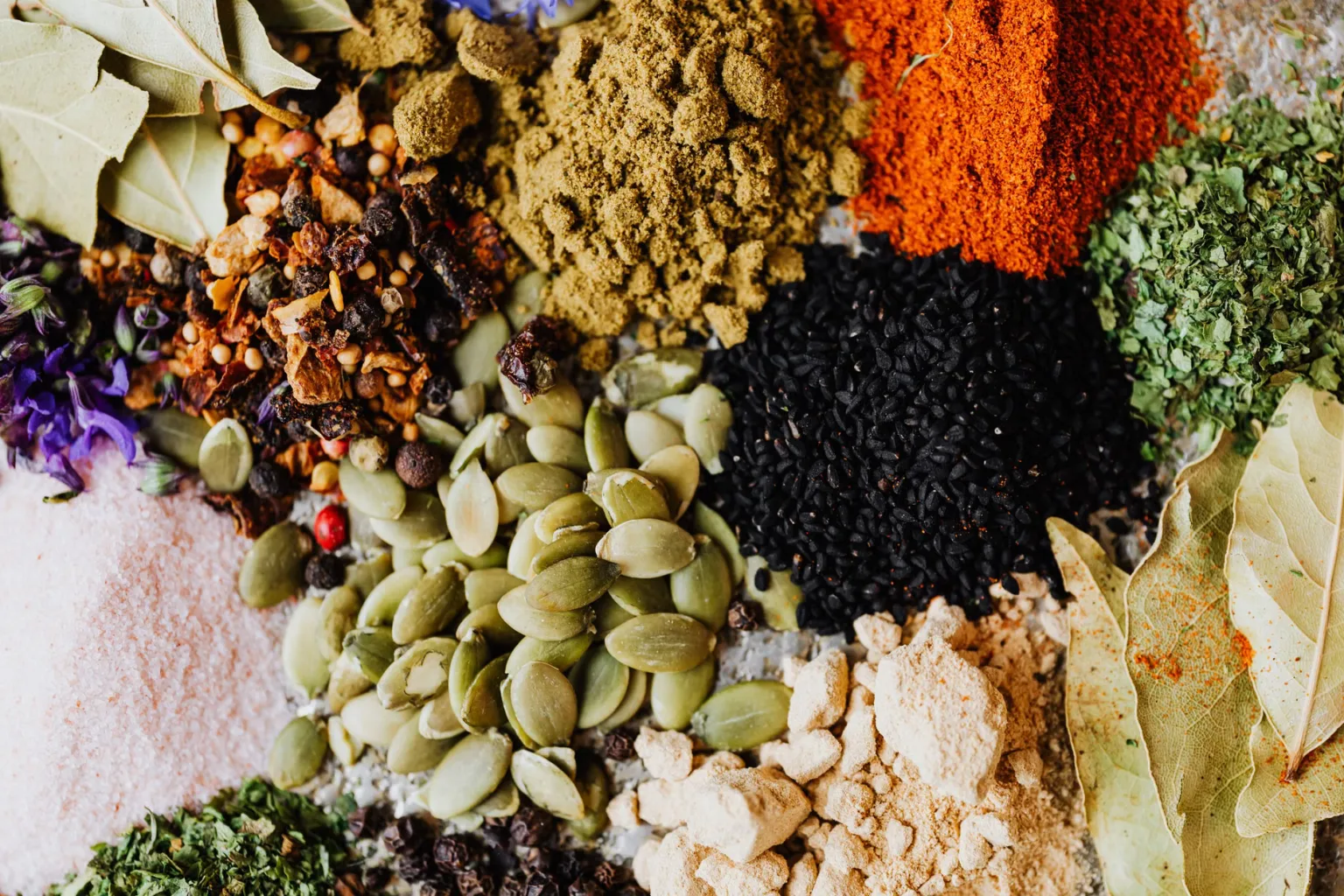
Coriander seeds come from Coriandrum sativum, a member of the Apiaceae family. In culinary usage, cilantro usually refers to the fresh leaves and coriander to the dried seeds, although names can vary by region. The seeds are used whole, crushed or ground and have their own flavor profile; they do not taste like the leaves. The spice is generally sold dried and is also available pre-ground. This profile is about the seeds used for seasoning, not fresh leaves or seed sold solely for planting.
When to use it
Use coriander seeds when you want to add a warm, citrusy and lightly floral aroma without the flavor of fresh leaves. They work in curries and spice blends, as well as dishes with vegetables, legumes, fruit, baked goods or meat. Whole seeds add texture and release their aroma gradually, while ground seeds disperse more evenly. Since the leaves and seeds taste different, they are not interchangeable if you want the same result.
How to use it
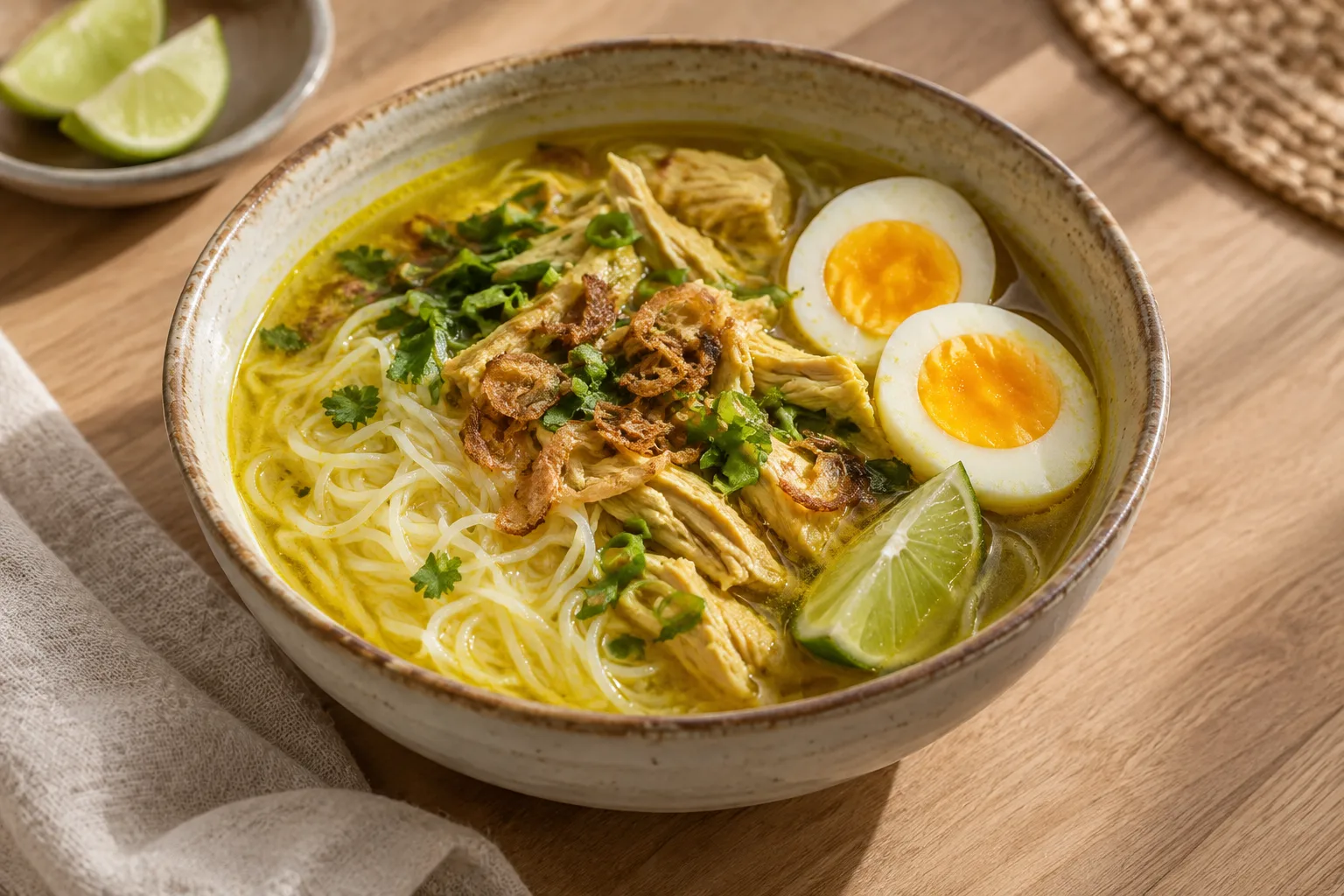
Add the seeds whole to a preparation that will cook, or crush or grind them so their flavor spreads more evenly. To bring out their aroma, toast them lightly in a pan before use; let them cool before grinding if needed. Grinding just before adding them helps retain their aromatic character at cooking time. Use them in curries and blends such as garam masala, ras el hanout or harissa, and try them in small amounts with vegetables, legumes, fruit, breads, sweets or meat dishes. Adjust to taste: whole, crushed and ground seeds do not have the same impact.
Flavour and texture
Dried coriander seeds taste different from the fresh leaves. Their flavor is described as mild, warm and spicy, with citrus, floral, earthy or lightly sweet notes. Whole seeds have a firm texture; crushed or ground seeds blend more readily into a dish. Light toasting can enhance their aroma. Perceived intensity varies depending on whether they are whole, freshly ground or pre-ground.
How to choose it
Choose seeds sold for food use, in a sealed package clearly labeled coriander or coriander seeds. Whole seeds let you toast and grind them just before cooking; ground coriander is convenient when you want to add it straight away. Check that the package is intact and follow the producer’s label. The available sources do not establish a particular appearance, origin or buying season that would support recommending one variety.
Storage
Keep dried seeds in a clean, dry, airtight container and follow the package’s storage directions. Keeping them whole until needed makes it possible to grind them just before cooking and use their aroma at that point. Avoid putting damp utensils into the container and inspect the product before use. The supplied sources recommend a tightly closed container and a cool, dry place, but do not support a universal storage time here.
Substitutions
Cumin or caraway can stand in when coriander is unavailable, but neither exactly reproduces its citrusy, floral profile. Start with less and adjust after tasting, since both flavor and intensity will change. Fresh cilantro leaves are not an equivalent substitute: their flavor and texture differ from those of the seeds.
Common mistakes
A common mistake is treating coriander seeds like fresh leaves: they come from the same plant but have different culinary uses and flavors. Another is assuming ground and whole seeds behave alike; ground spice disperses more readily, while whole seeds retain their texture. If you toast the seeds, do so lightly and pay attention so that excessive toasting does not overwhelm their aroma.
Safety and allergens
The supplied evidence identifies no specific warning for coriander seeds used as a spice. Choose a product intended for food, follow the label, and do not use it if the package is damaged or the contents show visible contamination.
Culinary uses
- Especia aromática para sazonar
- Componente de mezclas de especias
Recommended techniques
- Tostar ligeramente antes de usar
- Moler o machacar justo antes de incorporar
- Añadir entera o triturada durante la cocción
Pairs well with
- Verduras y legumbres
- Curris y mezclas como garam masala, ras el hanout y harissa
- Frutas como manzana o arándano
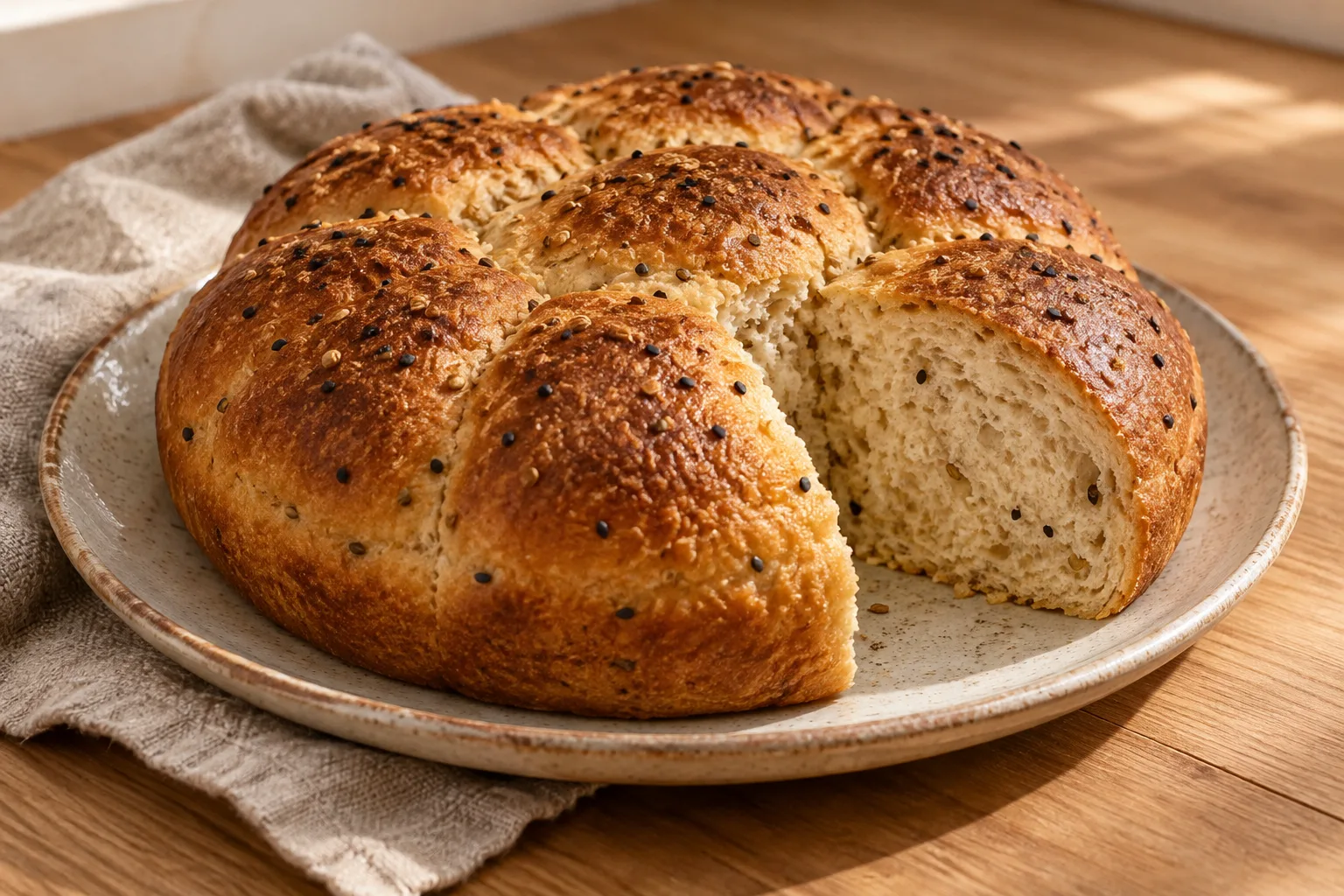
- Panadería, dulces y preparaciones con carne
Frequently asked questions
Do coriander seeds taste like the leaves?
No. The leaves and seeds come from the same plant but have different culinary profiles; they are not interchangeable when you want the same result.
Should I use the seeds whole or ground?
It depends on the dish: whole seeds add texture and can go into cooking, while crushed or ground seeds disperse more evenly. Grinding just before use helps bring out their aroma.
Should I toast coriander seeds?
You can toast them lightly before use to enhance their aroma. They can also be used without toasting, whole or ground.
Estimated nutrition
- Fat
- 0 g
- Saturates
- 0 g
- Carbohydrate
- 0 g
- Sugars
- 0 g
- Protein
- 0 g
- Salt
- 0 g
Sources and review
Automatically researched, cross-checked and validated content. Sources consulted:
- ¿Por qué la muerte es origen de miedos y tabúes? doi.org
- Field to Fork Cilantro | NDSU Agriculture ndsu.edu
- Cilantro - Food Source Information chhs.colostate.edu
- Cilantro / Coriander, Coriandrum sativum – Wisconsin Horticulture hort.extension.wisc.edu
- Glosario de especias: semillas de cilantro | JUST SPICES ® justspices.es
- Revista del Comité Científico de la ... aesan.gob.es
- Cilantro, a Unique Culinary Herb extension.psu.edu
- Cilantro - USU Digital Commons - Utah State University digitalcommons.usu.edu
- Cilantro: qué es, propiedades y usos en la cocina bonviveur.com
- Cilantro | OSU Extension Service extension.oregonstate.edu
- Cilantro and Coriander | UC Master Gardener Program of Sonoma County ucanr.edu
- Cilantro – Gardening Solutions gardeningsolutions.ifas.ufl.edu
- Cilantro: propiedades, orígen y usos en la cocina - Oriental Market orientalmarket.es
- Semillas de cilantro. ¿Qué son? Propiedades y usos en la cocina abc.es
- Dale vida a tu jardín y a tus recetas con semillas de cilantro - Les Refardes lesrefardes.coop