- Category
- Baking
- State
- Powdered
- Usual unit
- tablespoon
What it is
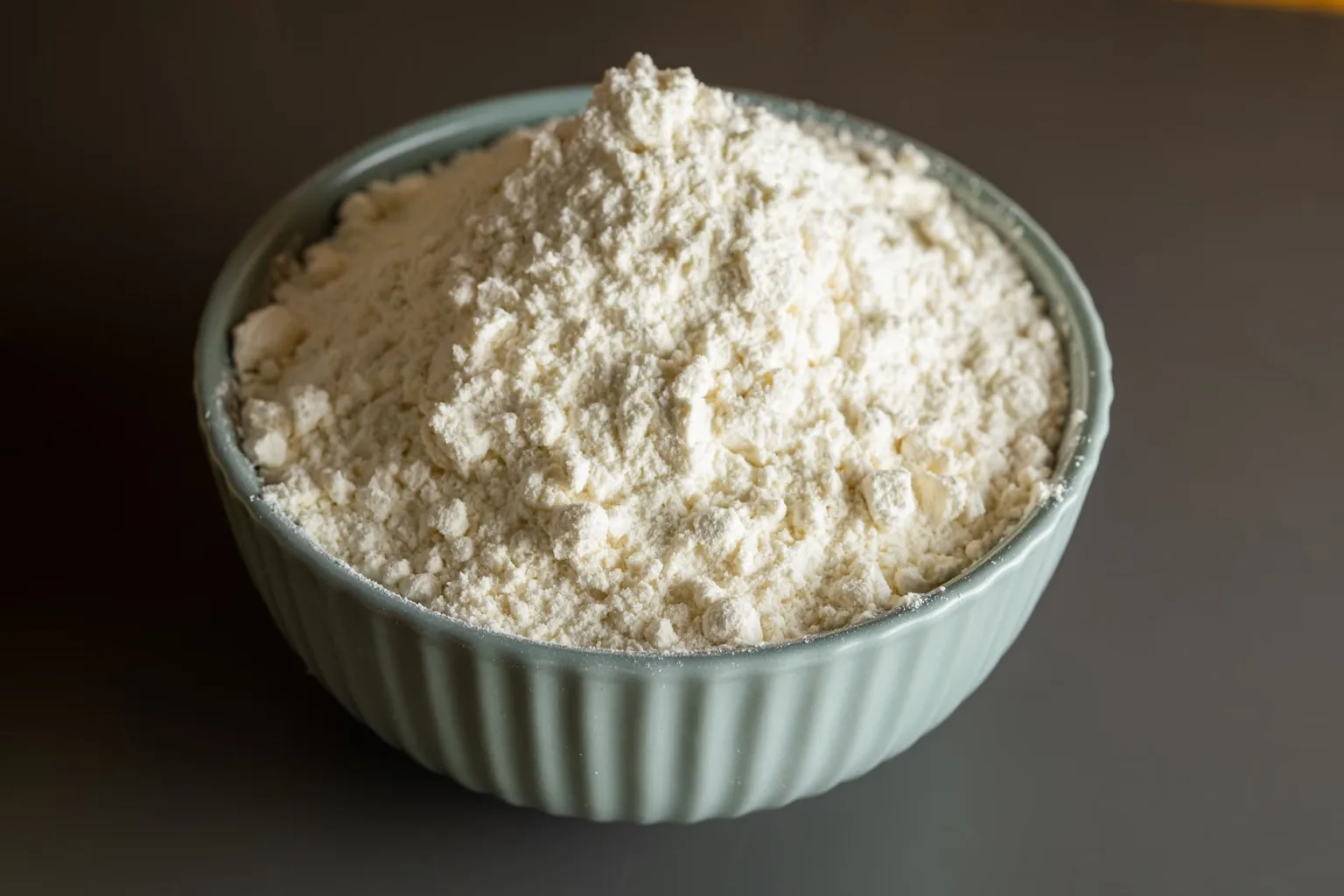
Cornstarch, also called corn starch or cornflour in some places, is a fine powder made from corn. It is often confused with corn flour, but the two are different products and are not automatically interchangeable. In cooking, cornstarch is commonly used to thicken sauces, soups, creams, custards and sweet fillings. It is also used in baking, often alongside other flours to change the texture of a mixture. Its restrained flavour and colour make it useful in both sweet and savoury dishes where the ingredient is meant to provide function rather than a distinct corn flavour. Product names vary by region, so check the package for wording such as cornstarch or corn starch and make sure it matches the ingredient your recipe calls for.
When to use it
Choose cornstarch when a sauce, soup or cream needs more body and you want a thickener other than wheat flour. It is also used in custards, pastry cream and other sweet fillings, as well as in some baking mixtures where a softer texture is wanted. Do not treat it as a universal replacement for flour: recipes that rely on flour for structure can turn out differently when starch is substituted. It is not the same as coarsely or finely milled corn flour, either. Before making a swap, consider whether the recipe needs a liquid thickener or a structural flour, then follow the proportions and method specified for that particular dish.
How to use it
To thicken a preparation, first whisk the cornstarch with a small amount of cold liquid until smooth. Stir this slurry into the hot preparation, preferably near the end of cooking, and keep stirring until the desired thickness is reached. Adding dry cornstarch straight to hot liquid can result in lumps. Start with the quantity given in the recipe and adjust carefully: if the result becomes too thick, add liquid gradually and stir. In baking, use cornstarch as directed by the formula rather than automatically replacing all the flour; the structure and texture can change. For an unfamiliar recipe, follow its specific instructions instead of assuming that one substitution ratio will work in every dish.
Flavour and texture
Cornstarch has a restrained flavour and is used mainly for the texture it gives a dish, rather than for a flavour of its own. As a thickener, it adds body to liquids such as sauces, soups, creams and sweet fillings. In baking, it may be combined with other flours to change a mixture’s texture. The exact result depends on the recipe, the amount used and how it is incorporated; it does not behave exactly like corn flour or wheat flour. Mixing it with cold liquid first helps distribute it smoothly before it is added to a hot preparation.
How to choose it
Check that the package says cornstarch or corn starch if that is what your recipe requires. Corn flour and cornstarch come from the same crop but are different products, and their culinary uses are not interchangeable in every recipe. Check the ingredient list and allergen information too, especially if cooking for someone with an allergy or intolerance. Product names and the information provided can vary with the product and how it is sold, so use the label on the specific package to confirm what you are buying.
Storage
The available evidence does not establish a universal shelf life or specific storage conditions for cornstarch. Follow the storage directions printed on the package and any product-specific instructions from its maker. Keep the label available so you can check the product identity, ingredients and any applicable use or storage directions for that particular product. Do not infer how long it will keep from appearance alone, or replace the package date and instructions with a general rule.
Substitutions
Potato starch and rice flour can be alternatives for thickening, but results may vary by recipe. Wheat flour can also thicken some dishes, although it may require a larger amount and can produce a less clear result with a more noticeable cooked-flour flavour. Corn flour is not the same as cornstarch and may contribute a different texture and flavour. Choose an alternative for the specific use, and do not assume one ratio will work for every preparation.
Common mistakes
A common mistake is adding dry cornstarch directly to a hot preparation, which can leave lumps. First make a smooth mixture with cold liquid, then stir it in. Another is confusing cornstarch with corn flour; they are not interchangeable in every recipe. Replacing all the flour in a baking mixture with cornstarch without a suitable formula can also change its structure and texture.
Safety and allergens
Read the product label, especially the ingredient list and allergen information, and follow its use and storage directions. Required food information can depend on the product and how it is sold. When cooking for someone with an allergy or intolerance, confirm the information on the specific package rather than relying on the ingredient name alone.
Culinary uses
- Thickener for sauces, soups, creams and custards
- Texture modifier in baking and desserts
Recommended techniques
- Whisk into cold liquid to make a smooth slurry before adding it to a hot preparation
- Stir the slurry into the dish near the end of cooking and mix until the desired thickness is reached
Pairs well with
- Sauces and gravies
- Soups and vegetable creams
- Custards, pastry creams and sweet fillings
- Baking mixtures combined with other flours
Frequently asked questions
Is cornstarch the same as corn flour?
No. Cornstarch is corn starch, while corn flour is a different product. They can behave differently in a recipe, so check which one the recipe or package specifies.
How do I stop cornstarch from forming lumps?
First whisk it with a little cold liquid until smooth. Stir that mixture into the hot preparation while mixing, rather than tipping the dry powder straight in.
Can I substitute wheat flour for cornstarch?
It can thicken some recipes, but the amount, clarity and flavour may change. Wheat flour often needs a larger quantity; use guidance suited to the dish and do not assume the swap works in baking.
Estimated nutrition
- Fat
- 0.05 g
- Saturates
- 0.01 g
- Carbohydrate
- 91.3 g
- Sugars
- 0 g
- Fibre
- 0.9 g
- Protein
- 0.26 g
- Salt
- 0.02 g
Sources and review
Automatically researched, cross-checked and validated content. Sources consulted:
- En el etiquetado alimentario hay algunas menciones que son obligatorias eletiquetadocuentamucho.aesan.gob.es
- Aesan - Agencia Española de Seguridad Alimentaria y Nutrición aesan.gob.es
- Maicena - Wikipedia, la enciclopedia libre es.wikipedia.org
- Qué es la maicena, en qué platos utilizar esta harina de maíz refinada y 13 recetas en las que es obligatoria directoalpaladar.com
- ¿Qué es la maicena y para qué se utiliza en la cocina? Descubre sus propiedades Xevib xevib.com
- Artes culinarias/Ingredientes/Maicena - Wikilibros es.wikibooks.org
- Qué es la maicena: usos, diferencias y beneficios en cocina | Guiadecocinafacil guiadecocinafacil.com
- Maicena que es: usos, diferencias y beneficios casabalbino.es
- Maizena: Qué es y por qué es un ingrediente esencial en la pastelería moderna pasteleriamarianohernandez.es
- Qué es la maicena y para que sirve (2026) ¿Qué es? dudasytextos.com
- 🥇Los Secretos de la Maicena Revelados: Orígenes y Composición del Versátil Espesante reyvinoblanco.com
- Cómo sustituir maicena por harina con cantidades| Cocinatis cocinatis.com
- Cómo aprovechar al máximo la maicena | Recetas Nestlé recetasnestle.com.pe
- Sustitutos Eficaces De La Maicena En La Cocina | Tips y Actualizaciones todo-mail.com
- Alternativas a la Maicena: Descubre los Mejores Sustitutos Sin Gluten para tus Recetas calmarius.es