- Category
- Baking
- State
- Powdered
- Usual unit
- g
What it is
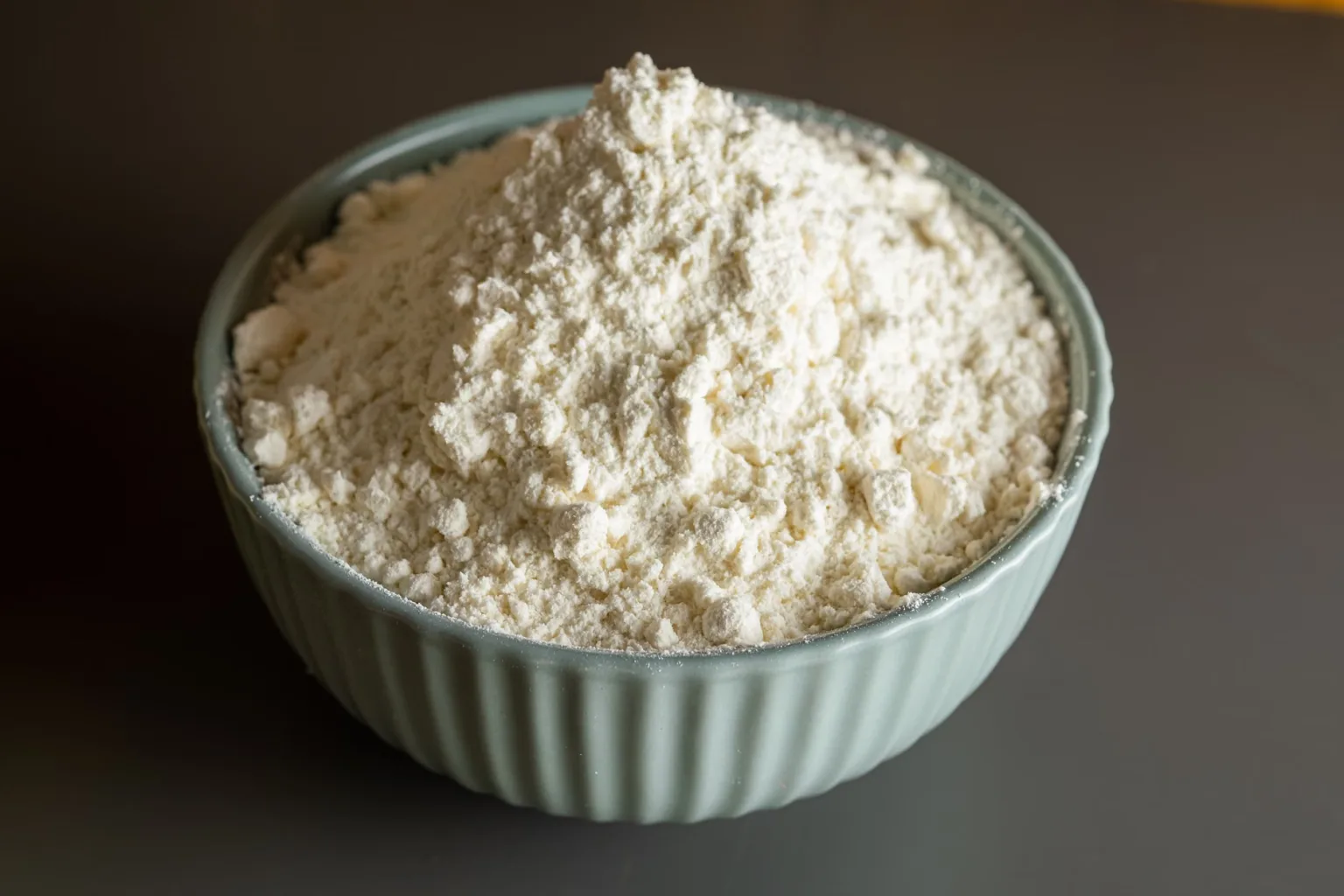
Cornstarch is the starch separated from mature corn kernels. It is commonly sold as a very fine, white powder with a neutral aroma and taste. It is different from corn flour, which is made by milling the whole grain; the two ingredients therefore do not have the same culinary role. Cornstarch is generally used to change the consistency of a preparation rather than to add a pronounced corn flavor or act as a grain flour base. Product names vary by country and brand, and “cornflour” may refer to different products in different markets. Check the package wording and ingredient information to confirm that the product is starch rather than whole-grain corn flour.
When to use it
Use it when a recipe needs more body or a more uniform consistency, such as a sauce, soup, cream, custard, pudding or pastry filling. It is also used in baked goods and mixtures where ingredients need binding. Its neutral sensory profile makes it useful when you want to thicken without adding a strong corn flavor. Do not choose it as an automatic replacement for corn flour: the products are made differently and swapping one for the other can change the result. Let the recipe and the texture you want guide your choice.
How to use it
Use cornstarch in a recipe that calls for a thickener, binder or texture modifier, and follow that recipe’s stated proportions and method. Starch thickens when heated with water, which is why it is used in sauces, soups, creams and desserts such as puddings or fillings. It can also be included in baked goods, but it should not be mistaken for whole-grain flour that contributes corn flavor and other structural qualities. If substituting another starch, allow for a possible difference in texture and performance; the finished result is not guaranteed to be identical. Check the package carefully, since “starch” and “corn flour” do not necessarily mean the same thing.
Flavour and texture
In its usual form, cornstarch is a very fine white powder with a neutral taste and aroma. Its main contribution is textural: when heated with water, it can thicken a preparation and help create a more even consistency. It does not provide the corn flavor associated with flour made from the whole grain. The finished texture depends on the recipe and how the ingredient is used, so do not assume that every starch will produce exactly the same result.
How to choose it
Check the product name and ingredient information to make sure you are buying cornstarch, not flour milled from whole corn. Local names and commercial labels can vary, and some packaging can be confusing. If you need a thickener, choose the product identified by the recipe as starch. The available evidence does not establish a preferred brand, origin or additional quality standard; compare the label and choose a product intended for food use.
Storage
The available evidence does not establish a shelf life or specific storage conditions for this ingredient. Check the package and follow the manufacturer’s directions, including after opening. Keep the label available so you can identify the product correctly and avoid confusing it with corn flour or another powder. Do not treat generic storage advice as a substitute for product-specific instructions; verified time and condition information was not provided for this profile.
Substitutions
Potato starch, tapioca starch and arrowroot starch may be considered alternatives in some preparations. They do not guarantee the same result: the recipe and desired texture affect the choice, and different starches can behave differently. Follow the recipe’s instructions first, and do not substitute corn flour as though it were equivalent. Corn flour is made from the whole grain and serves a different role.
Common mistakes
A frequent mistake is confusing cornstarch with corn flour: they come from different parts or treatments of the grain and do not have the same culinary function. Another is expecting a substitute to produce exactly the same texture in every recipe. Alternatives may behave differently depending on the preparation. Check the package wording and use the ingredient named in the recipe, especially when the final consistency matters.
Safety and allergens
The supplied evidence identifies no specific safety warning for cornstarch. Use a product labeled for food use and follow the package and recipe instructions.
Culinary uses
- Thickener for sauces, soups and creams
- Texture improver and binder in baking and desserts
Recommended techniques
- Thickening liquids by heating with water
- Incorporating into baked goods and dessert preparations
Pairs well with
- Sauces and soups
- Custards, puddings and pastry fillings
Frequently asked questions
Is cornstarch the same as corn flour?
No. Cornstarch is separated from the kernel, while corn flour is made by milling the whole grain. They have different culinary uses.
What is cornstarch mainly used for?
It is mainly used to thicken or adjust the texture of sauces, soups, creams, desserts and some baked preparations.
Can I replace it with another starch?
Potato starch, tapioca starch or arrowroot may work in some recipes. Texture can change, so follow the recipe and do not assume the result will be identical.
Estimated nutrition
- Fat
- 0.05 g
- Saturates
- 0.01 g
- Carbohydrate
- 91.3 g
- Sugars
- 0 g
- Fibre
- 0.9 g
- Protein
- 0.26 g
- Salt
- 0.02 g
Sources and review
Automatically researched, cross-checked and validated content. Sources consulted:
- Ingredientes para Recetas de Salsa (Spanish) - National Center for Home Food Preservation nchfp.uga.edu
- Nutrition After Your Transplant - Health Online healthonline.washington.edu
- Guía de Alimentos Caseros 2026 - Illinois Extension extension.illinois.edu
- Trabajo electrónico aesan.gob.es
- Efecto de la adición de goma xanthan y almidón de maíz ... bdigital.zamorano.edu
- Almidón de Maíz doi.org
- Maíz Dulce - KSRE Bookstore bookstore.ksre.ksu.edu
- Cocina Michoacana (1896) - lacocina.utsa.edu
- Qué es el almidón de maíz y qué usos tiene – Mao personas.indumezmao.com.co
- Almidón de maíz - materia prima para la industria y la gastronomía | FDCM.eueu fdcm.eu
- Qué es maicena, almidón de maíz y harina de maíz - Postres sin gluten postressingluten.com
- Almidón de maíz o fécula de maíz | Pochteca Perú peru.pochteca.net