- Category
- Herbs and spices
- State
- Powdered
- Usual unit
- teaspoon
What it is
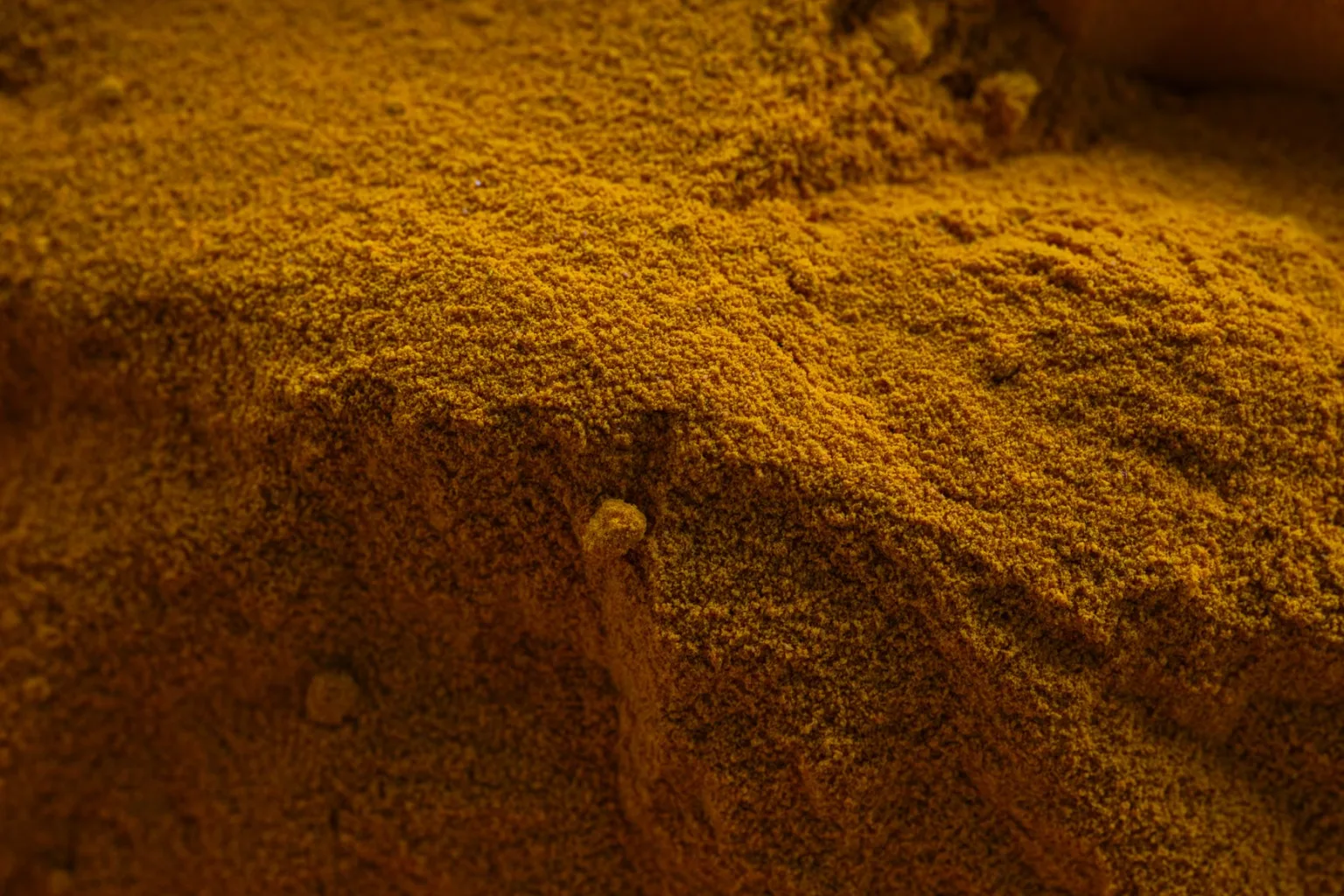
Curry powder is a blend of ground spices used as a seasoning. There is no single fixed recipe: common ingredients can include turmeric, coriander, cumin, and fenugreek, while other blends may contain ginger, cinnamon, cloves, mustard, cardamom, or pepper. As a result, products differ in color, aroma, and heat. Curry powder should not be confused with every dish called curry or with curry pastes, which are different products. A ready-made blend offers a prepared combination; making a blend at home lets you choose and adjust its ingredients.
When to use it
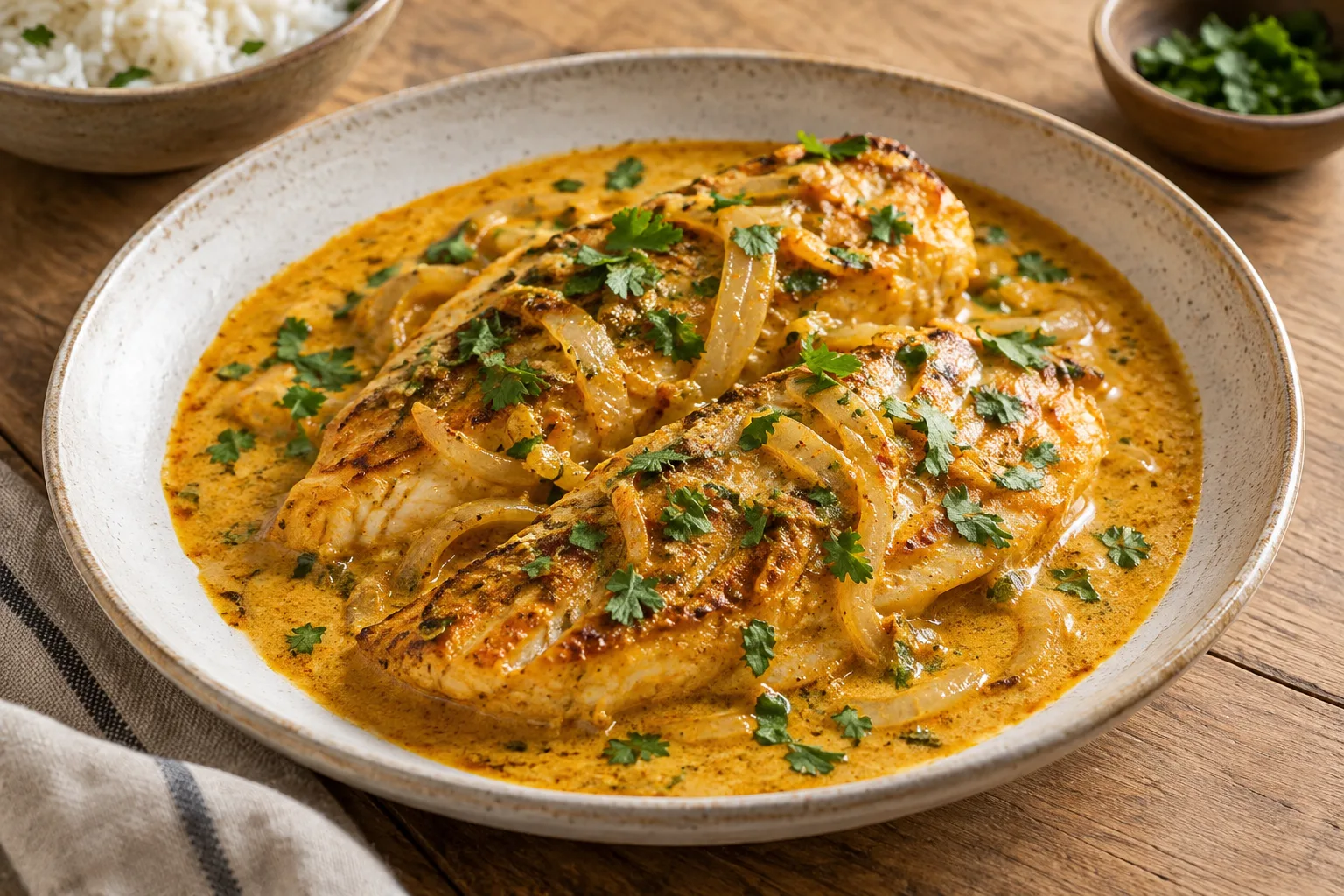
Use it when you want to give a dish a blended, spiced profile rather than relying on a single spice. It can season stews, soups, sauces, and marinades, or add aroma to rice, legumes, and vegetables. It also pairs with meat and fish. Since blends vary widely and some can be hot, start with a modest amount and taste before adding more. Add it during cooking for longer-cooked dishes; in quick preparations, use it thoughtfully to retain its aroma.
How to use it
First try the blend in a small preparation or add a modest amount to the dish and adjust: curry powders do not all have the same intensity or heat. For a stew or sauce, you can briefly stir it into the sautéed aromatics or disperse it in the preparation before adding liquid, taking care not to scorch it. In soups, rice, and legumes, mix it thoroughly so the seasoning is evenly distributed. It can also season vegetables, meat, fish, and marinades. If making your own blend, the chosen spices and their proportions determine the result; a curry powder recipe may combine whole or ground spices.
Flavour and texture
Its flavor is aromatic and spiced, but there is no fixed profile: it depends on the ingredients and their proportions. Some blends are mild, while others contain more hot ingredients. Turmeric can contribute a yellow or orange color, while cumin, coriander, and other spices add aroma. Curry powder is typically a dry, ground powder; check the label for the specific blend and its heat level.
How to choose it
Read the ingredient list because the blend is not standardized and products can differ. Also check any heat-level description and choose a blend that suits the dish and your taste. Color alone cannot reliably tell you how it will taste. If a recipe calls for curry powder, make sure you have not bought curry paste instead; it is a different format and may need to be used differently.
Storage
Keep the powder tightly closed and follow the storage and duration instructions on its label. For a homemade blend, one culinary source recommends storing it in an airtight container. Do not assume all brands keep their aroma for the same length of time: ingredients and manufacturer guidance can vary. If no special instructions are given, close the container between uses and check the label before using it.
Substitutions
You can replace it with a homemade ground-spice blend adjusted to the recipe, but the flavor will not necessarily be identical. Garam masala can work when you want another aromatic blend, though it is not equivalent and may change the dish's profile. There is no universal substitution ratio because commercial curry powders vary in ingredients and intensity. Add a little at a time and taste.
Common mistakes
Do not assume every curry powder tastes the same or is always very hot: it depends on the blend. Avoid adding too much at once, as its flavor can dominate a dish. Do not confuse the powder with curry paste or with a dish called curry. Stir it in evenly to avoid concentrated patches of seasoning, and do not let it scorch when adding it to sautéed ingredients.
Safety and allergens
Check the product label and ingredient list, especially if you need to avoid an ingredient because of an allergy or intolerance. Blends vary, so consult the product's allergen information on its label. Follow the manufacturer's storage and use instructions.
Culinary uses
- Condimentar guisos, sopas y salsas
- Aromatizar arroces, legumbres, verduras, carnes y pescado
Recommended techniques
- Remover brevemente en aceite o junto con un sofrito para dispersar el aroma
- Incorporar a líquidos o guisos durante la cocción y mezclar de manera uniforme
Pairs well with
- Arroz y lentejas
- Verduras, carnes y pescado
Frequently asked questions
Is curry powder a single spice?
No. It is a blend of ground spices, and its composition can vary by recipe or brand.
Is all curry powder hot?
No. Heat depends on the ingredients in each blend. Check the label and start with a small amount if the product is unfamiliar.
What can I use instead?
Try a homemade spice blend or garam masala, knowing that the flavor profile will change. Add it gradually and taste.
Estimated nutrition
- Fat
- 0 g
- Saturates
- 0 g
- Carbohydrate
- 0 g
- Sugars
- 0 g
- Protein
- 0 g
- Salt
- 10.42 g
Sources and review
Automatically researched, cross-checked and validated content. Sources consulted:
- En el etiquetado alimentario hay algunas menciones que son obligatorias eletiquetadocuentamucho.aesan.gob.es
- Romanica Olomucensia : «¿Qué pinga es esto?». Usos disfemísticos en el español de Cuba doi.org
- The Essential Glossary of Cooking Terms for the Culinary Arts - Escoffier escoffier.edu
- ➮ Distribución y Consumo SEPTIEMBRE-OCTUBRE 2005 133 mapa.gob.es
- Beef Curry | Institute of Culinary Education ice.edu
- Curry Plant (Helichrysum Italicum) — UIC Heritage Garden heritagegarden.uic.edu
- Culinary (CUL) | Central Piedmont Community College Catalog catalog.cpcc.edu
- What's in a Curry? - Pickles and Tea apa.si.edu
- Curry Powder | freySite turin.nss.udel.edu
- Project MUSE -- Verification required! muse.jhu.edu
- Culinary Chaos: Comforting Korean Curry rice - The Scribe scribe.uccs.edu
- Culinary Arts Course Descriptions | Wake Tech waketech.edu
- Curry en polvo - Wikipedia, la enciclopedia libre es.wikipedia.org
- Qué es el curry: origen, beneficios y sus 13 mejores recetas directoalpaladar.com
- Curry en polvo | Cook for Your Life cookforyourlife.org
- Polvo de Curry - Receta Tradicional India | 196 flavors 196flavors.com
- Cómo usar el curry en la cocina | Consumer consumer.es