- Category
- Herbs and spices
- State
- Dry
- Usual unit
- g
What it is
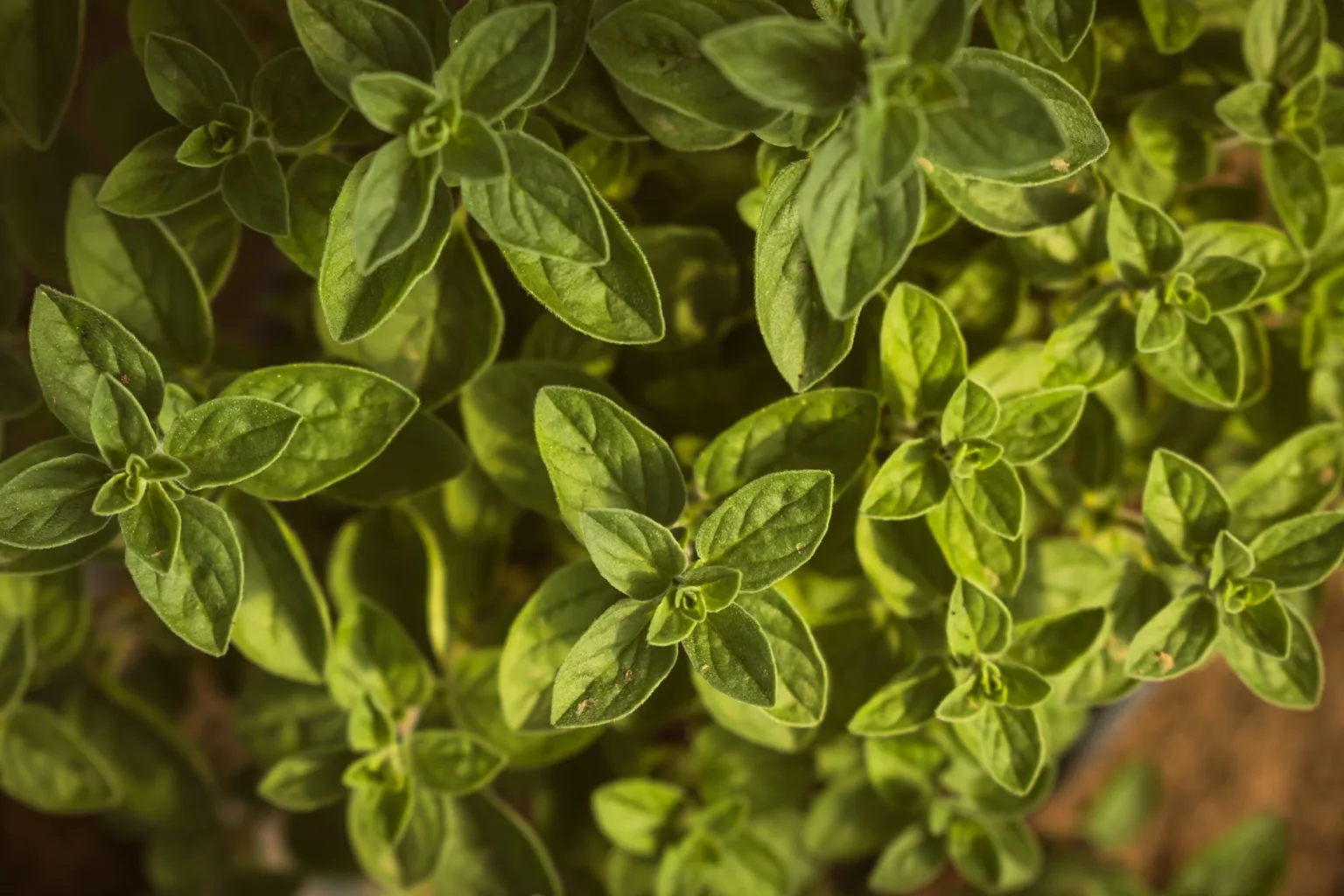
Dried oregano is the dehydrated form of aromatic leaves used as a culinary herb. The name oregano can refer to more than one plant, so products sold under that name do not necessarily come from a single species. In cooking, dried oregano is known for its strong aroma and a flavor more concentrated than that of the fresh herb. It is commonly sold as whole or crumbled leaves and is used to season sauces, pizza, pasta, salads and marinades. It is not the same herb as marjoram, although the two are related.
When to use it
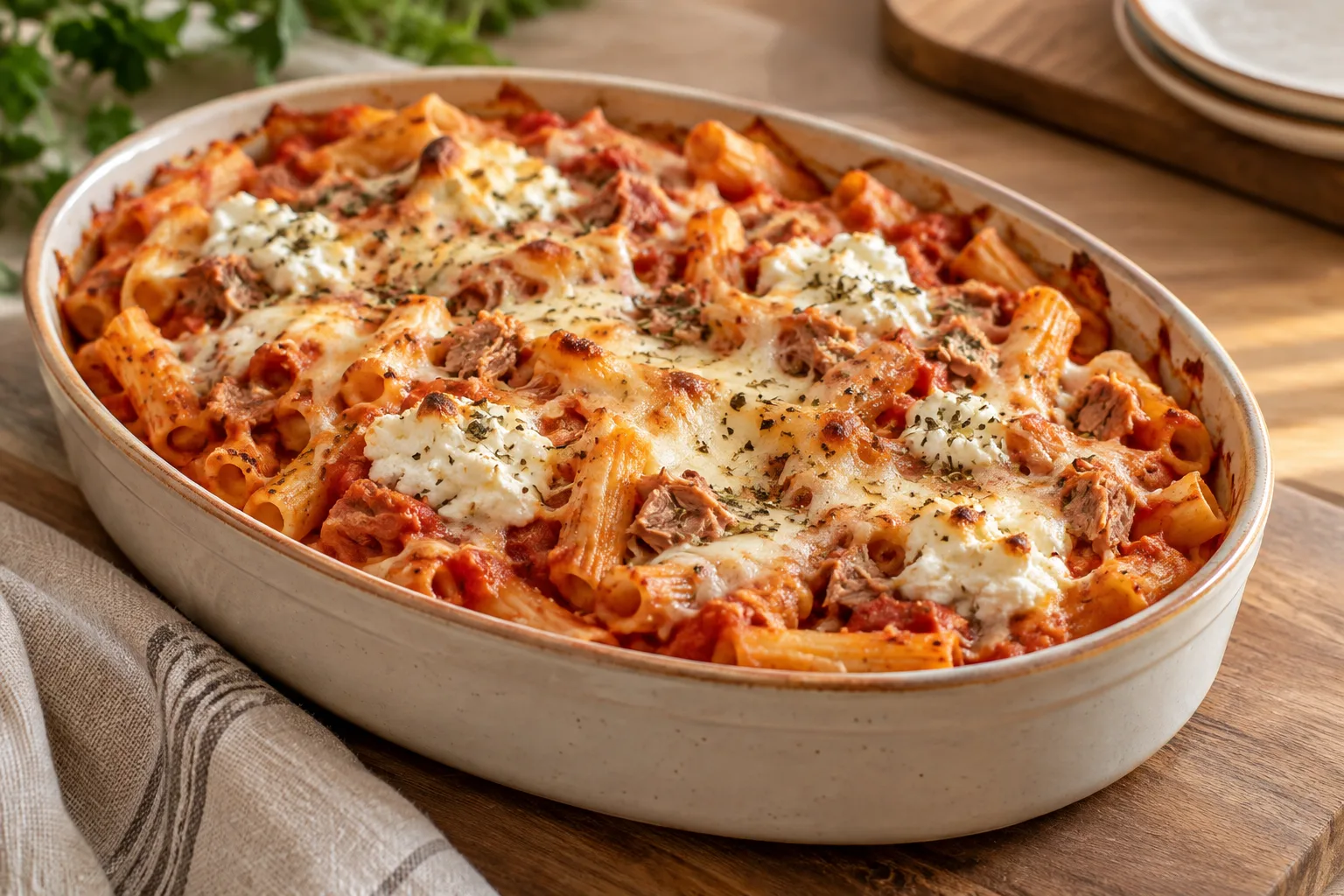
Use dried oregano when you want a pronounced herbal note in a sauce, stew, marinade or dressing. It is a practical seasoning for pizza and pasta, and also works with vegetables, meat, fish and salads. Its aroma can be assertive, so begin with a pinch and add more only after tasting. You can mix it in while preparing a dish or sprinkle it over the finished food, depending on whether you want its flavor integrated or more noticeable.
How to use it
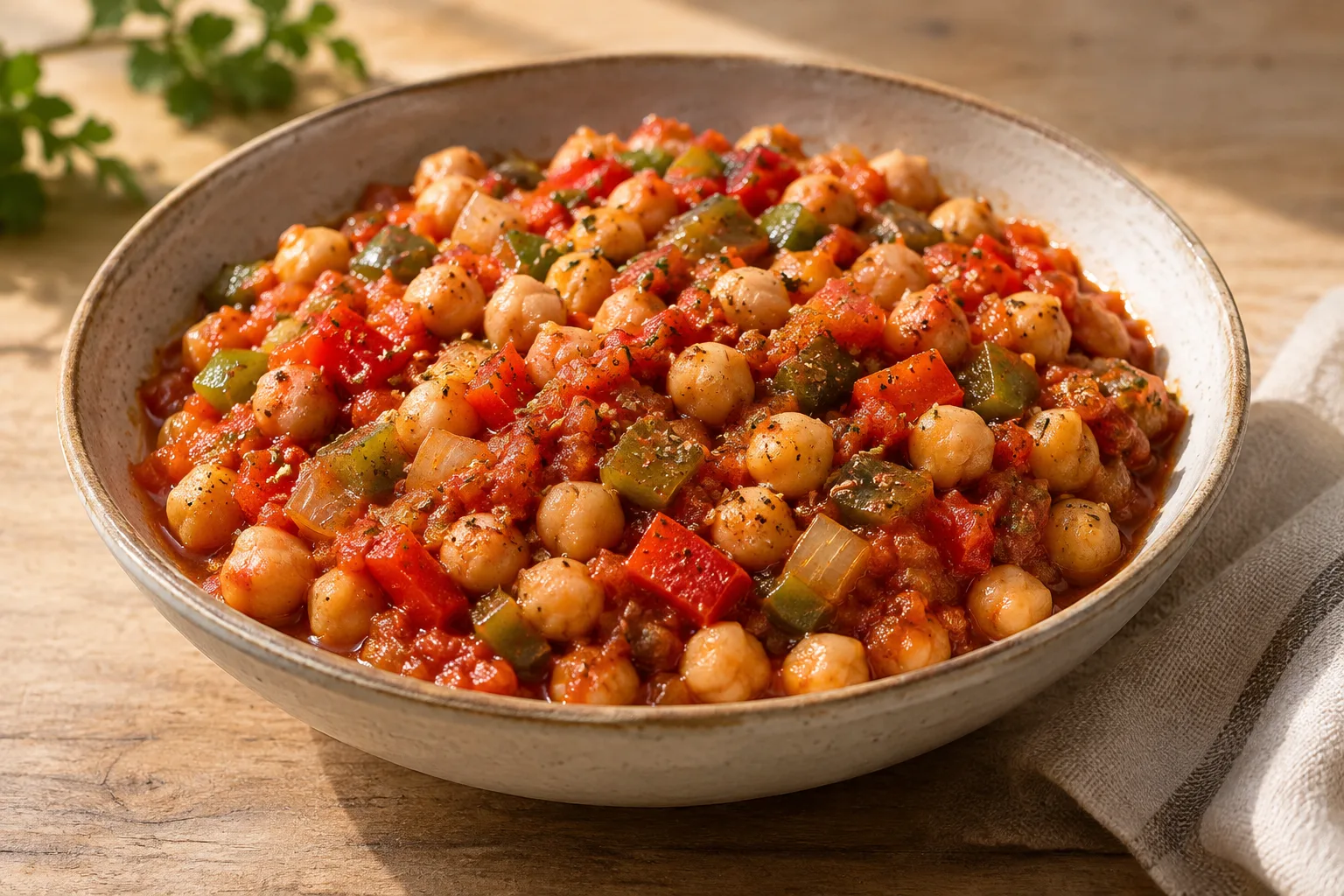
Stir a pinch of dried oregano into tomato sauce, a marinade or a stew, distributing it through the dish. You can also sprinkle it over pizza, pasta, vegetables or salad. If the leaves are whole or in large pieces, gently crumble them between your fingers before adding them to help distribute them. Because the aroma and flavor can be strong, start with a small amount, taste the dish and adjust gradually. Dried oregano can be used during preparation or sprinkled over food just before serving; choose the timing to suit the flavor you want.
Flavour and texture
Dried oregano has an intense, herbal aroma and a flavor that can be somewhat bitter, peppery and fresh. Drying concentrates its character compared with the fresh herb, so a little can be noticeable. It is sold as whole or crumbled leaves: whole leaves provide visible texture, while smaller pieces are easier to distribute through sauces and dressings.
How to choose it
Choose a package clearly identified as dried oregano and check the ingredient list to see whether it contains only the herb or a blend. It may be sold as leaves or in crumbled form; choose the texture and format that suit how you plan to use it. Check that the package is sealed and read any ingredient, allergen or cross-contact information, since product composition and labeling details can vary.
Storage
Keep dried oregano in a tightly closed container in a cool, dry place away from direct light. Moisture and heat can reduce its aromatic intensity over time. Close the package after each use and avoid storing it beside a source of steam. Follow the storage directions and date on the package, as products and their instructions may differ.
Substitutions
If you are out of oregano, try dried basil, dried thyme or dried marjoram. These are culinary alternatives, not exact replacements: each brings a different aroma and can change the character of the dish. Marjoram is generally described as milder than oregano. Start with a small amount, taste and adjust, especially if the recipe depends on oregano's distinctive flavor.
Common mistakes
A common mistake is adding too much at the start: dried oregano has a concentrated flavor and can dominate a dish. Begin with a pinch and taste before adding more. Do not assume that marjoram is identical to oregano, or that every product labeled oregano comes from one single species.
Safety and allergens
Check the product label for ingredients, possible traces and storage directions. Allergen information and usage guidance can vary with the product and how it is sold. Follow any warning on the package, and do not use the product if its packaging is damaged or its contents appear altered.
Culinary uses
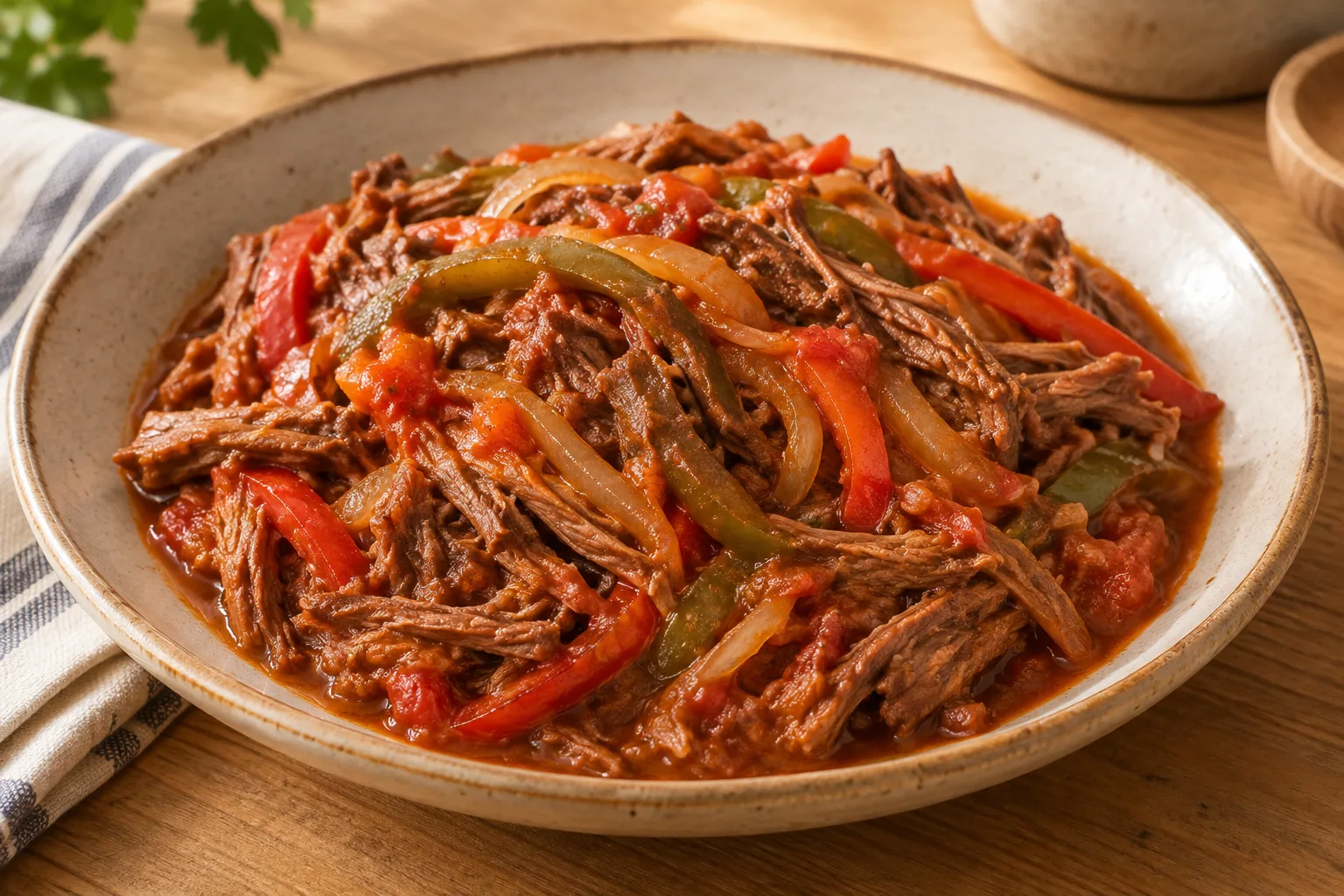
- Aromatizar salsas y platos cocinados
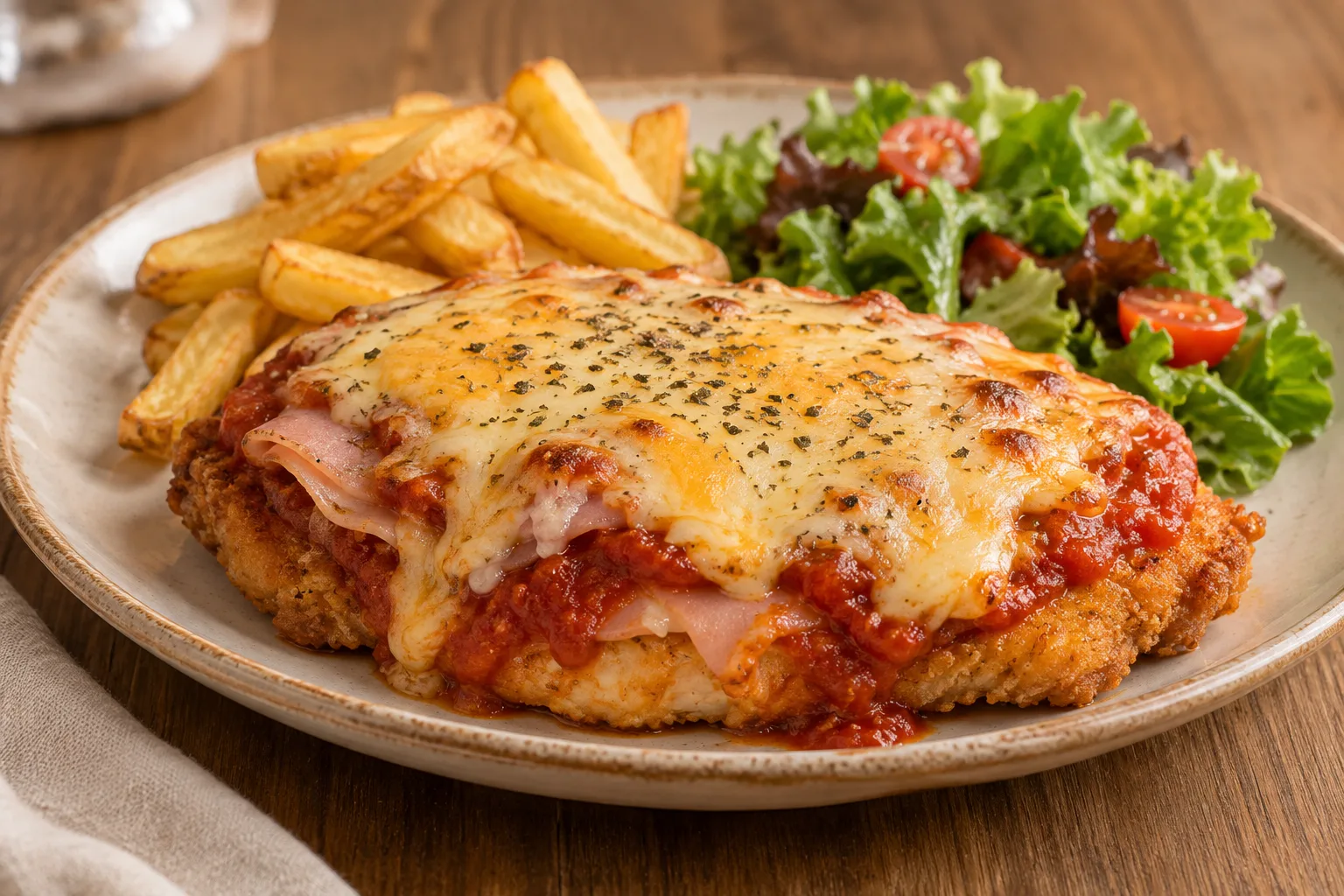
- Condimentar pizzas, pastas, ensaladas y marinadas
Recommended techniques
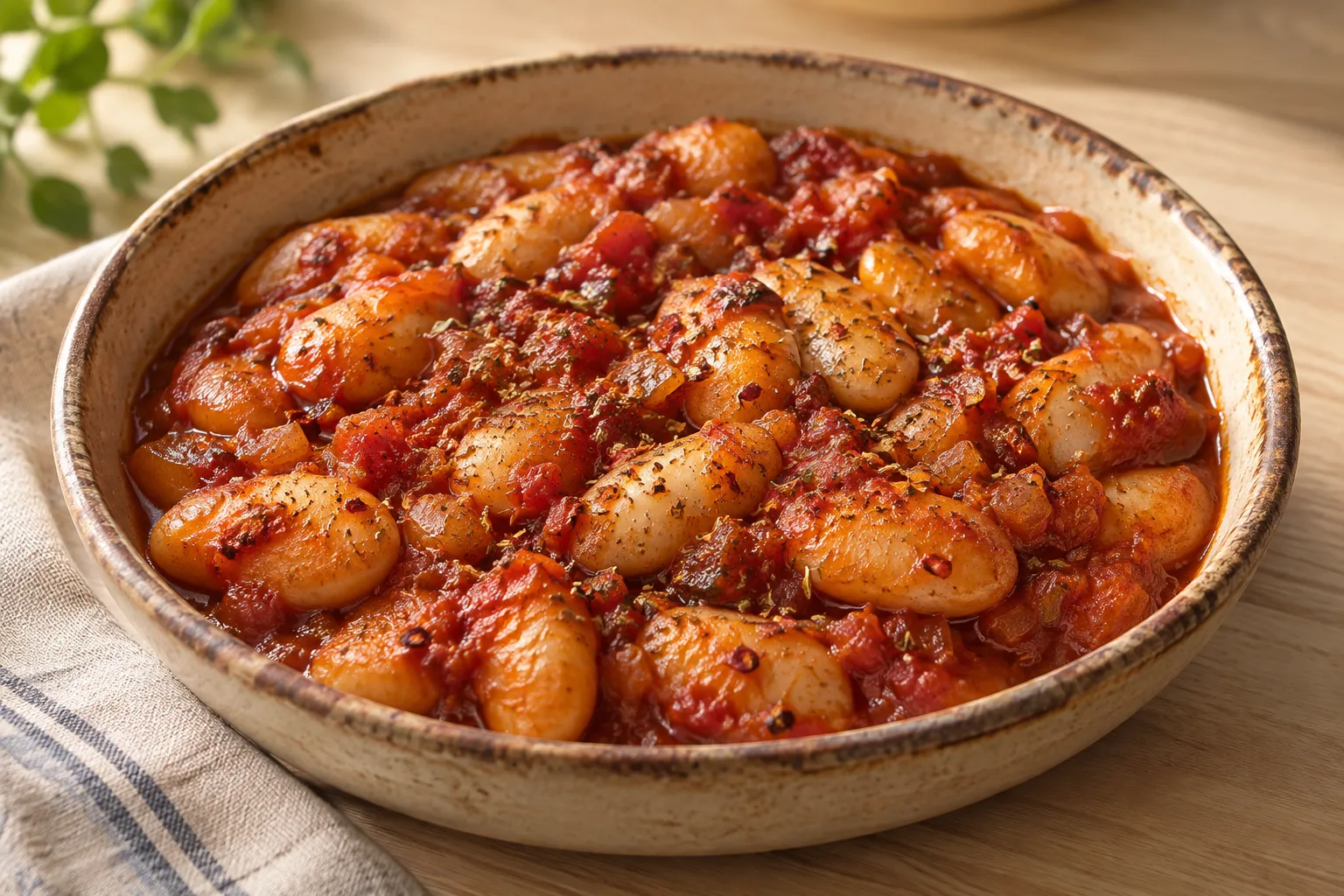
- Incorporar a salsas, guisos o marinadas durante la preparación
- Desmenuzar las hojas con los dedos antes de añadirlas
- Espolvorear sobre el plato terminado
Pairs well with
- Tomate, ajo y aceite de oliva
- Pasta y pizza
- Verduras, aceitunas y ensaladas
- Carnes, pescados y quesos
Frequently asked questions
Does dried oregano taste stronger than fresh oregano?
Yes. Culinary sources describe dried oregano as more concentrated in aroma and flavor than the fresh herb, so it is sensible to start with a small amount.
When should I add dried oregano to a recipe?
You can stir it into sauces, stews or marinades as you prepare them, or sprinkle it over the finished dish. Add it gradually and taste as you go.
Is marjoram the same as oregano?
No. They are related herbs, but their flavors differ; marjoram is described as milder than oregano.
Estimated nutrition
- Fat
- 4.28 g
- Saturates
- 1.55 g
- Carbohydrate
- 68.9 g
- Sugars
- 4.09 g
- Fibre
- 42.5 g
- Protein
- 9 g
- Salt
- 0.06 g
Sources and review
Automatically researched, cross-checked and validated content. Sources consulted:
- En el etiquetado alimentario hay algunas menciones que son obligatorias eletiquetadocuentamucho.aesan.gob.es
- Client Challenge doi.org
- Aesan - Agencia Española de Seguridad Alimentaria y Nutrición aesan.gob.es
- Beneficios y usos del orégano friolisa.es
- Orégano: qué es, para qué sirve, beneficios y cómo tomar este condimento mediterráneo bonviveur.com
- Origanum vulgare - Wikipedia, la enciclopedia libre es.wikipedia.org
- Orégano davidvanille.es
- Orégano, una hierba aromática en plenitud durante el verano: qué es, cómo secarlo y utilizarlo en cocina con estas siete recetas directoalpaladar.com
- El orégano: propiedades, composición y actividad biológica de sus componentes ve.scielo.org
- Alimentos: orégano. Propiedades, beneficios y su uso en la cocina. vitonica.com
- Orégano | www.cocinista.es cocinista.es
- Orégano: Beneficios, propiedades y usos | NutriCare nutricare.es
- Orégano: propiedades y beneficios ✔ | Blog Druni druni.es
- Los 13 mejores sustitutos del orégano para tus recetas - Cook & Logic cookandlogic.com
- Orégano Seco en Hojas 100% Natural sin Aditivos. Puro sabor especiaselreloj.com
- Cómo usar orégano para cocinar (con imágenes) - wikiHow es.wikihow.com
- Orégano Seco vs. Fresco: ¿Cuál es Mejor para tus Recetas? - Escuela de Gastronomía AE xn--escueladegastronomaae-b8b.com