- Category
- Drinks
- State
- Liquid
- Usual unit
- ml
What it is
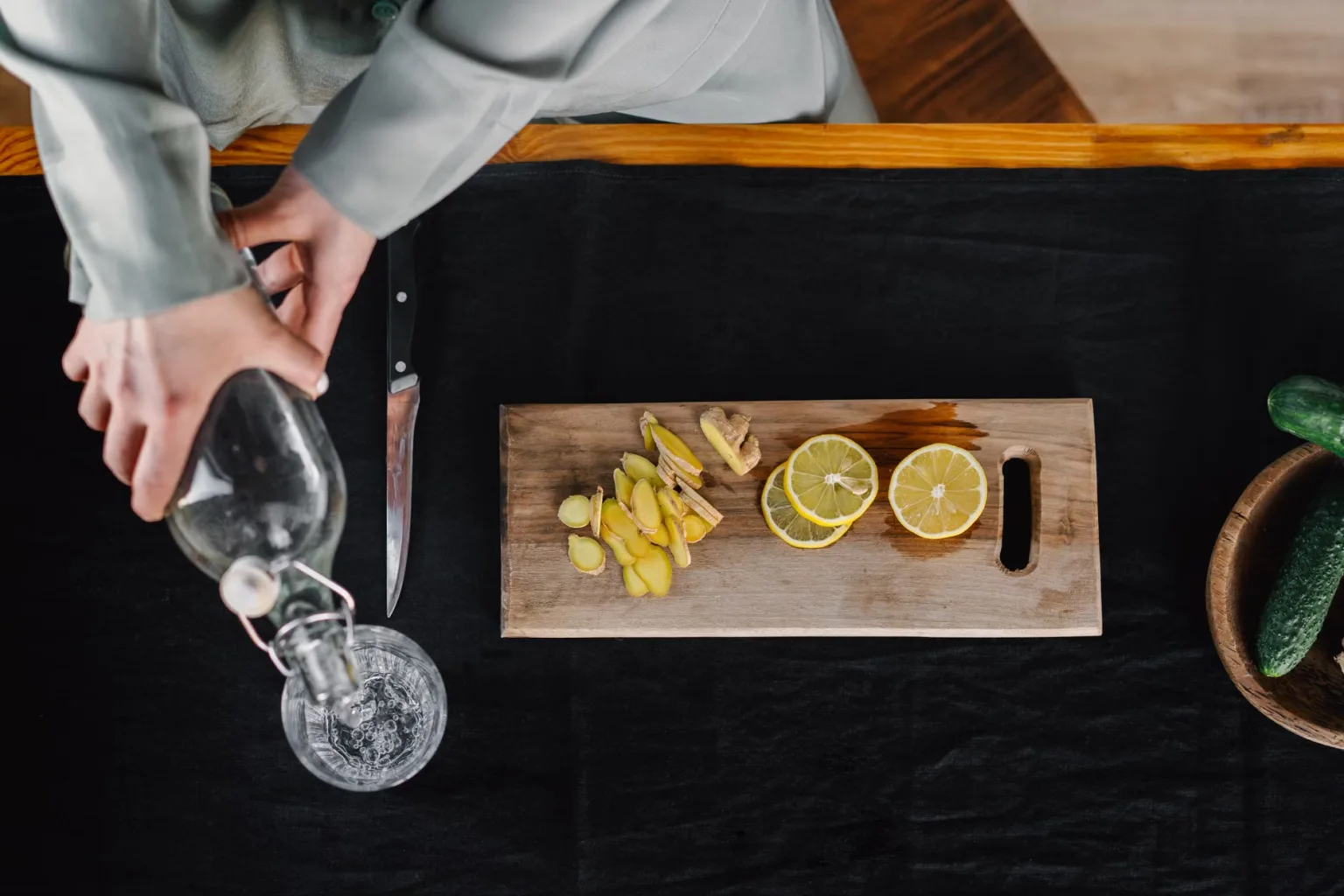
Drinking water is water suitable for human consumption, including water used for drinking, cooking and preparing food. In the kitchen it may be an ingredient in a recipe or a medium for cooking and heating other foods. Not all water has exactly the same characteristics: its source and composition can affect flavor, and tap and bottled water may differ. In this profile, “drinking water” means water intended for human consumption, not simply any available water. (3282, 3285)
When to use it
Use drinking water when a recipe calls for water, when making soup or broth, when boiling ingredients, or when steaming food. It can also be served as a beverage. Because flavor may vary with the water’s source and dissolved minerals, consider this in dishes where the liquid has a prominent role. Choose potable tap water or bottled drinking water, and follow the recipe if it specifies a particular characteristic. (3282, 3285, 5083)
How to use it
Measure the amount specified in the recipe and add it at the stated step: water can be incorporated into soups and other liquid preparations, or used to cook food. It can also provide the medium for steaming. The amount needed for boiling depends on the food and cooking system, so there is no single quantity that suits every use. If the cooking liquid remains part of the dish, remember that its flavor can affect the result. For drinking, serve potable tap water or bottled water intended for consumption. (3283, 3285, 5083)
Flavour and texture
Water does not always taste completely neutral: its mineral composition and source can create subtle flavor differences. Hard water may taste different and, in some preparations, appear noticeably cloudy. As a liquid ingredient, it does not provide a solid texture, but it can adjust the liquid content of soup or a cooking preparation. (3285, 3289)
How to choose it
Choose water identified as potable and suitable for drinking and cooking. You can use tap water or bottled water; availability and characteristics may vary by location and product. If a recipe depends particularly on the flavor of its liquid, consider the flavor differences in your local water. This profile does not assume that one type of water is best for every recipe. (3282, 3285, 5083)
Storage
The available evidence does not specify storage times or conditions for drinking water once it has been opened or served. For bottled water, follow the instructions and information on the packaging. If using tap water, follow local guidance for the supply. Keep water protected from dirt and from contact with foods or utensils that could contaminate it; this is a general precaution, not a storage-time recommendation. (3282, 5083)
Substitutions
In many preparations, potable tap water can replace bottled drinking water, or vice versa, if the recipe does not specify a particular characteristic. Water can differ in flavor and mineral composition, so a change may be noticeable when water is prominent in the dish. Do not replace potable water with water whose suitability for consumption has not been established. (3282, 3285, 5083)
Common mistakes
Do not assume that all water tastes exactly the same: source and composition can affect the result. Another mistake is using water that is not potable in food intended to be eaten or drunk. Avoid applying one universal quantity to every cooking method; the recipe and food determine how much liquid to add. (3282, 3283, 3285)
Safety and allergens
For drinking and cooking, use potable tap water or bottled water intended for human consumption. If you do not know whether a water source is potable, do not use it as a beverage or ingredient. Follow the official guidance that applies to your local water supply. (5083)
Culinary uses
- Bebida para consumo
- Ingrediente y medio de cocción
Recommended techniques
- Hervir y cocer alimentos en agua
- Cocinar al vapor
Pairs well with
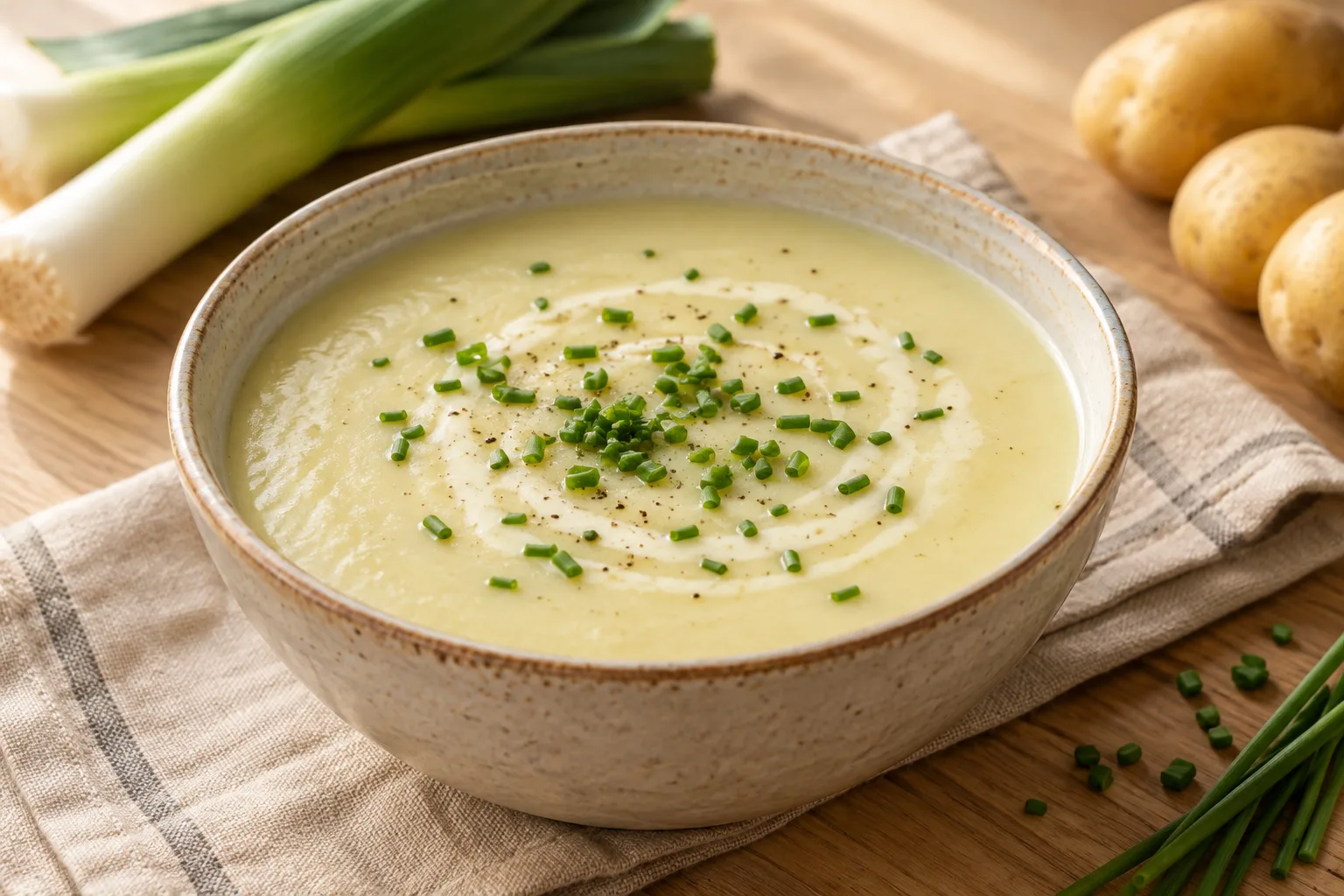
- Sopas y caldos
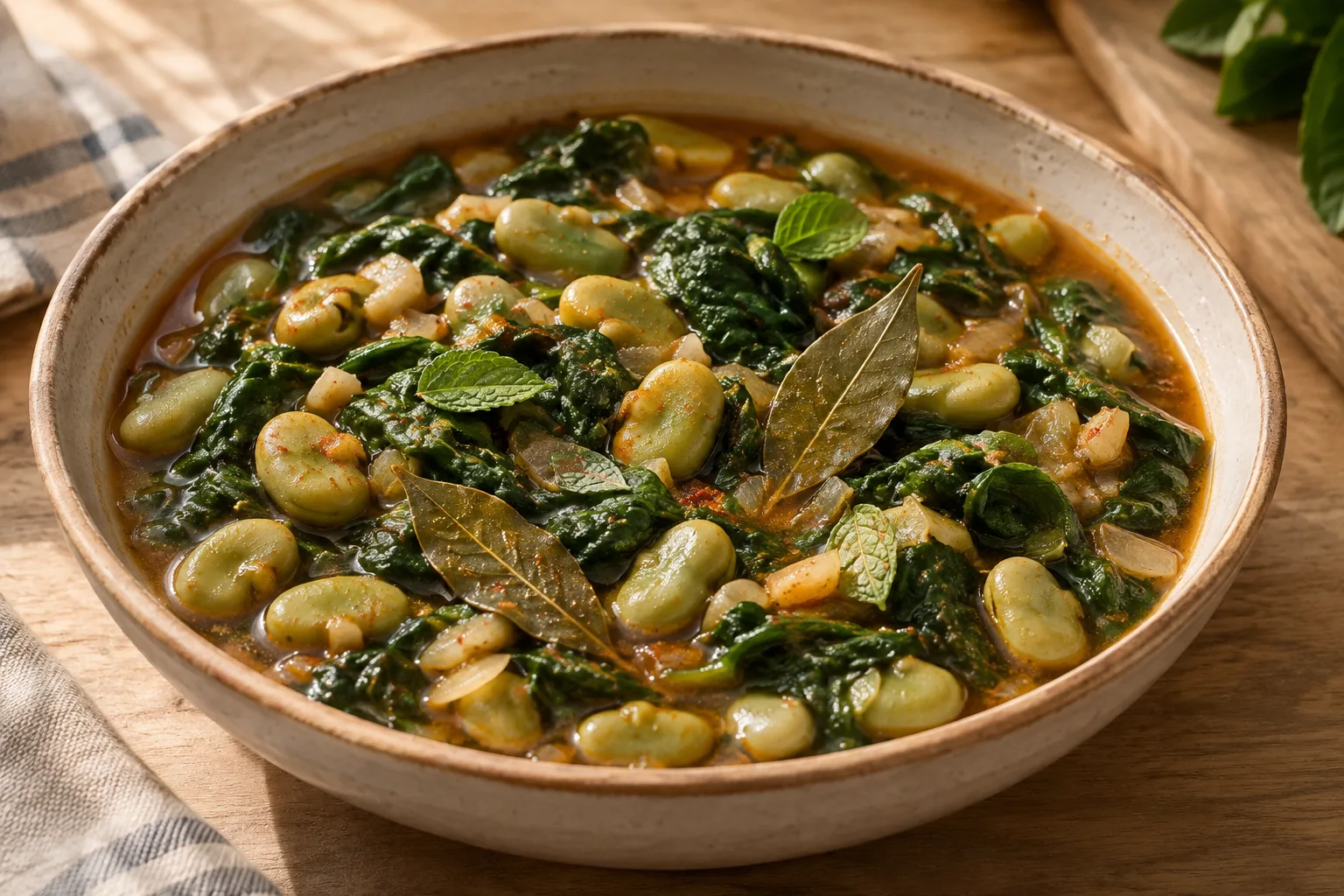
- Verduras, pasta, arroz y legumbres para cocer
Frequently asked questions
What does drinking water mean?
It means water suitable for human consumption, including drinking, cooking and food preparation. (3282)
Can I cook with tap water?
Yes, if it is identified as potable and suitable for consumption in your area. Bottled water intended for drinking can also be used. (3282, 5083)
Can water change the flavor of a recipe?
Yes. Source and composition can create subtle flavor differences, which may be more noticeable when water plays a prominent role. (3285, 3289)
Estimated nutrition
- Fat
- 0 g
- Saturates
- 0 g
- Carbohydrate
- 0 g
- Sugars
- 0 g
- Fibre
- 0 g
- Protein
- 0 g
- Salt
- 0.01 g
Sources and review
Automatically researched, cross-checked and validated content. Sources consulted:
- Client Challenge doi.org
- Artes culinarias/Ingredientes/Agua - Wikilibros es.wikibooks.org
- El uso del agua en la producción de alimentos | Eufic eufic.org
- Agua potable, cruda (¿orgánica?) | Fundación G+E diet-health.info
- El agua en la cocina | Ingredientes - La Cocina de Enloqui lacocinadeenloqui.com
- Agua, el ingrediente indispensable origenonline.es
- Cómo Lograr un Mejor Sabor al Hervir Mariscos: Guía Definitiva | Chef Experto chefexperto.com
- Sobre las aguas. Agua mineral, tipos y posible utilización en maridajes. – Terroaristas, el Blog del VINO terroaristas.com
- Aesan - Agencia Española de Seguridad Alimentaria y Nutrición aesan.gob.es
- Importancia del agua en la industria alimentaria. Usos y calidades - Traza traza.net
- El papel crucial del agua en la industria alimentaria. - SYPYSA sypysa.com
- Agua ingrediente | Veolia Water Technologies veoliawatertechnologies.es
- Usos del agua en la Industria Alimentaria - Escuela Alimentaria escuelaalimentaria.com
- Coco - Wikipedia, la enciclopedia libre es.wikipedia.org
- En busca del maridaje perfecto con aguas | The Gourmet Journal thegourmetjournal.com
- El gran ingrediente: el agua en la cocina - Vitrinor vitrinor.com