- Category
- Grains, flour and pasta
- State
- Dry
- Usual unit
- g
What it is
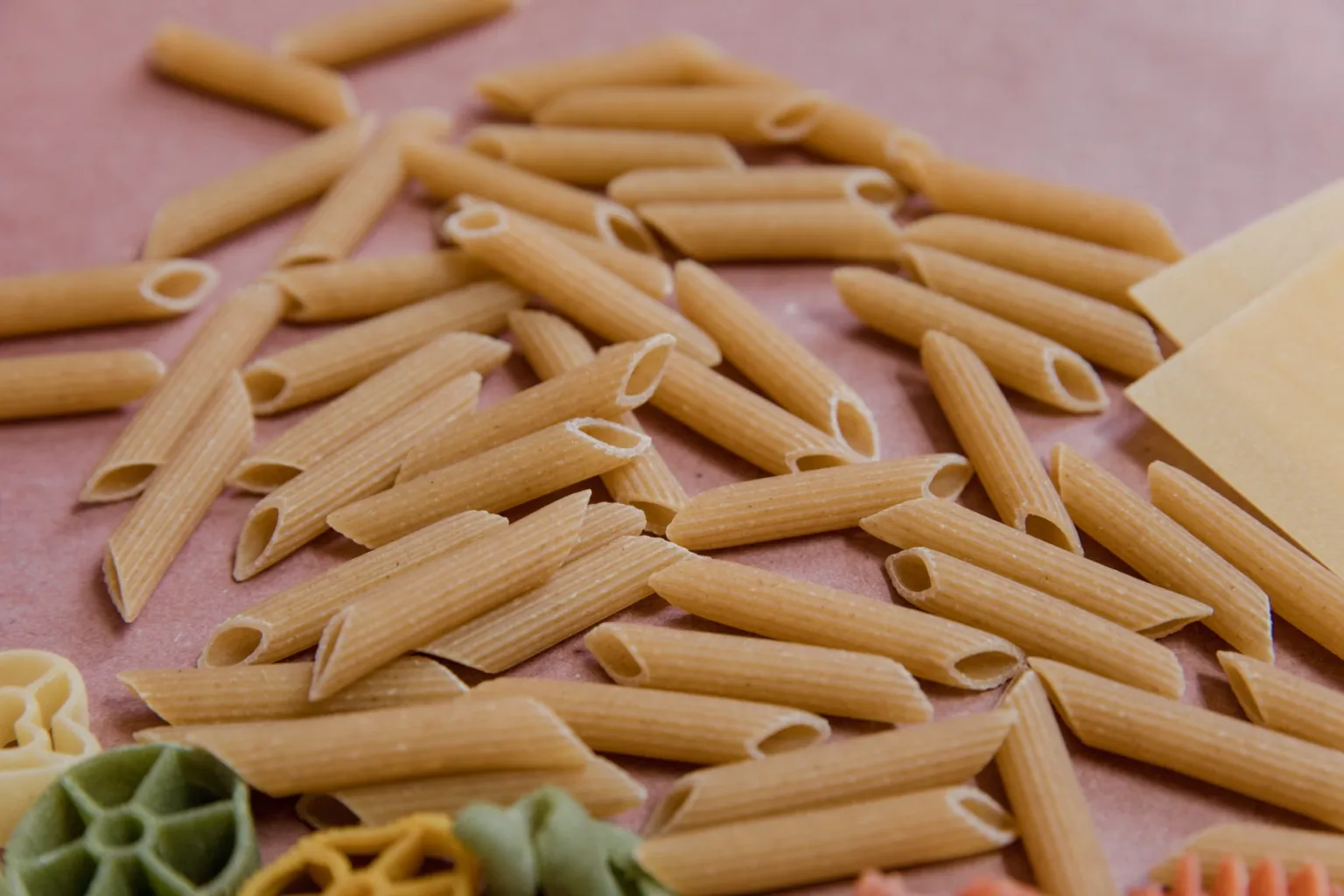
Dry short pasta is pasta that has been dried before sale and formed into compact shapes such as macaroni, penne, rigatoni, fusilli, farfalle or shells. Many dried pastas are based on wheat semolina or flour and water, although some include additional ingredients such as egg or ingredients that add colour. Composition cannot be reliably identified from shape or appearance alone, so check the ingredient list. Tubes, spirals, folds and ridged surfaces offer different textures and can hold sauces in different ways. “Short” describes the shape; “dry” distinguishes this product from fresh pasta.
When to use it
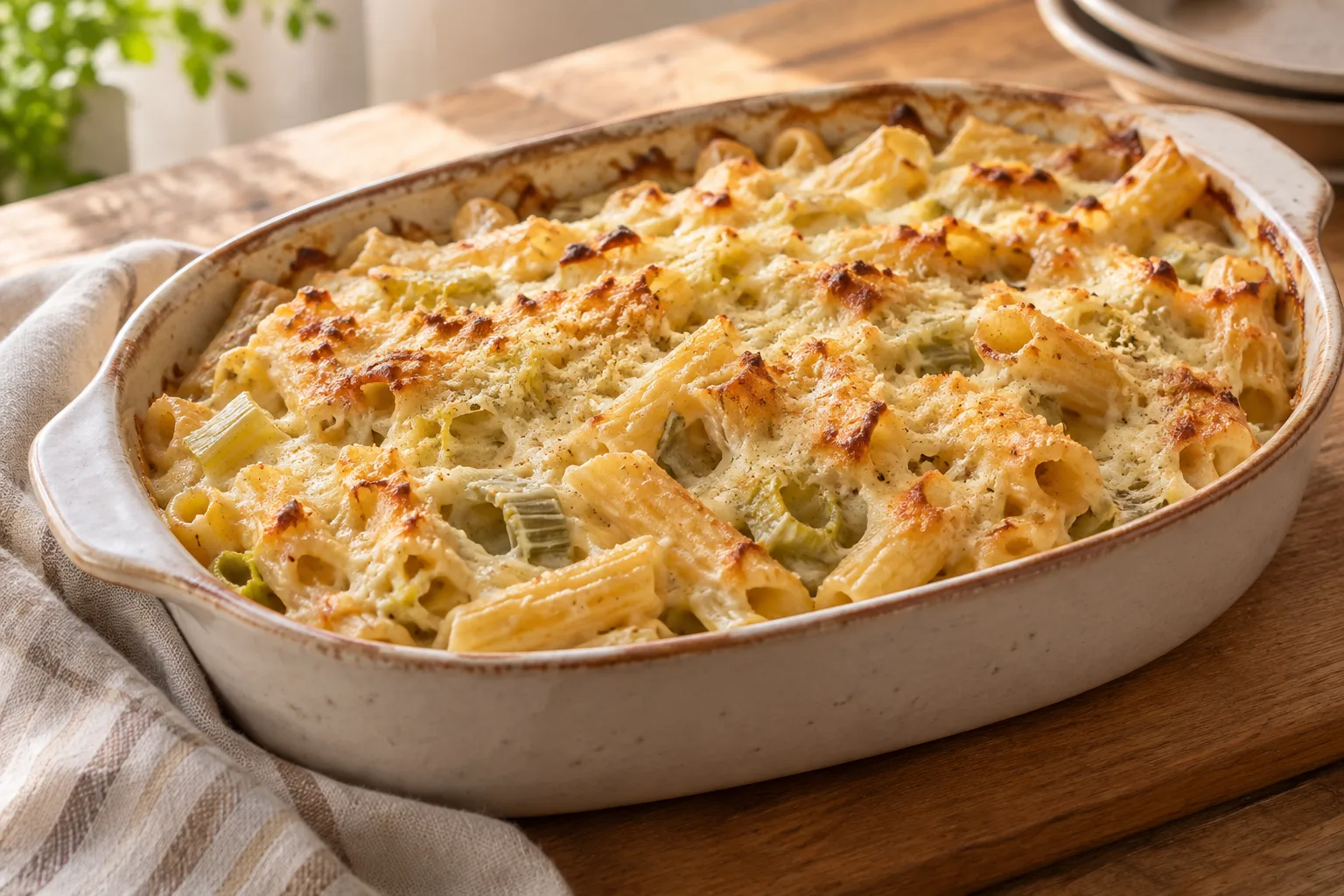
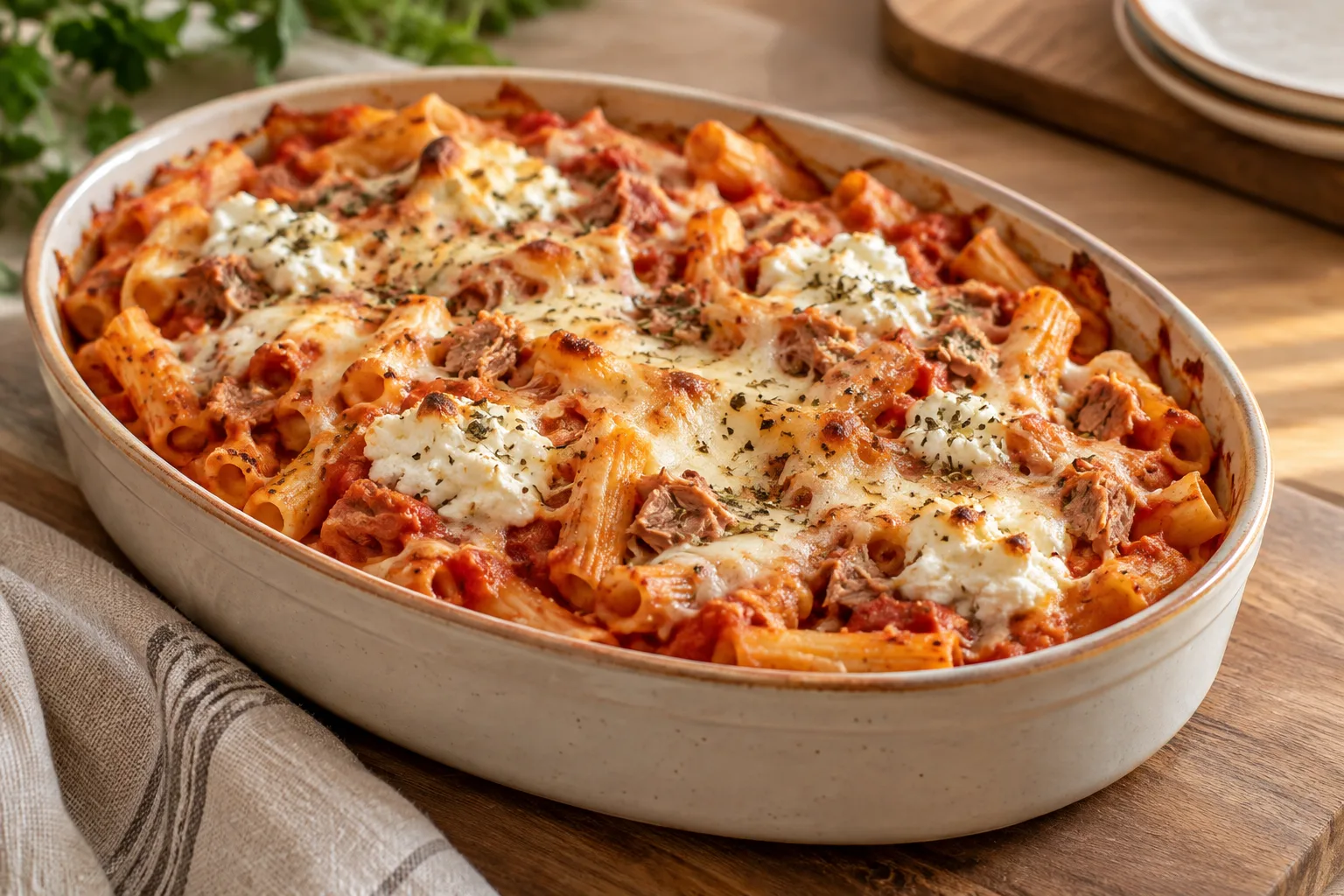
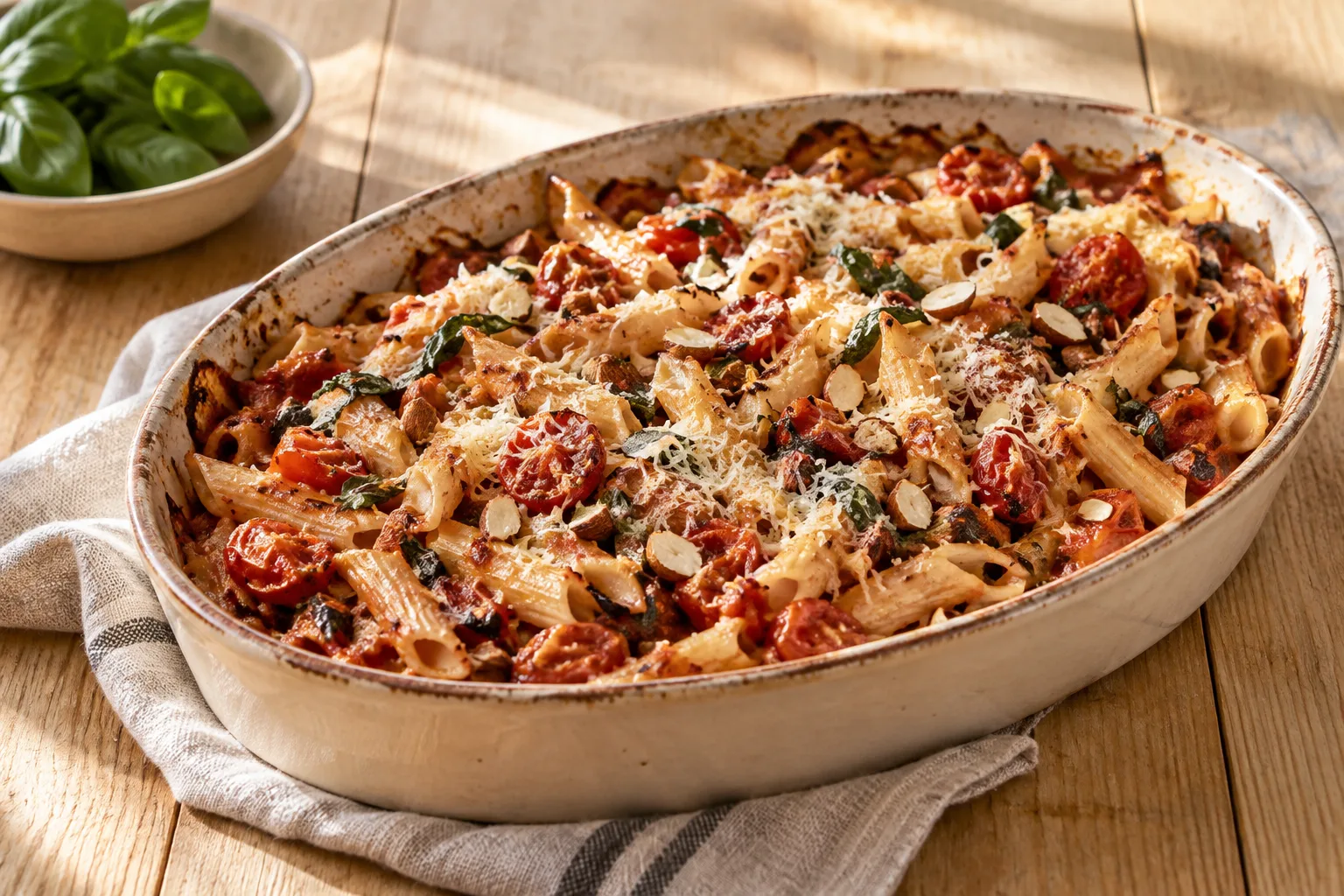
Choose dry short pasta when you want a shape that is easy to combine with other ingredients in a sauced dish, salad, soup or baked preparation. Tubes and ridged shapes work well with substantial sauces, while spirals, bows and shells are useful in salads or with ingredients in pieces. Small shapes are suitable for soups and broths. These are practical guidelines rather than rules: sizes and designs vary, so match the pasta to the recipe and use the package directions for cooking.
How to use it
Read the package directions before cooking, since the shape and specific product determine the cooking instructions. Cook the pasta in water and taste a piece before draining to check its texture. If you plan to finish it in a hot sauce, you can drain it slightly before it reaches your preferred texture, then mix it with the sauce until done to your liking. Consider pairing tubes or ridged shapes with substantial sauces, and spirals or shells with sauces or ingredients that can sit in their folds. For salads, soups and baked dishes, choose a size that works with the other ingredients and follow the product-specific directions.
Flavour and texture
Dry pasta generally has a mild flavour, so the sauce and other ingredients largely shape the dish. It is firm when dry; cooking hydrates it and makes it tender, while careful cooking can preserve a firmer bite. Shape makes a practical difference: tubes have a hollow centre, spirals and shells have folds or cavities, and ridges add surface texture. Ingredients also vary between products, so check the label if you are looking for a variety made with egg or other additions.
How to choose it
Choose a shape for the dish: tubes or ridged pasta for substantial sauces, small shapes for soup, and spirals or shells for salads or sauces that can settle into their folds. Check that the package is intact, then read the product name and ingredient list, especially if you need to check for wheat, gluten, egg or other ingredients. Colour and shape alone do not confirm what is in the pasta. If you want a particular texture or ingredient combination, check the manufacturer's information too.
Storage
Dry pasta is sold as a pantry product, but the package is the reference for the particular storage instructions and date marking. Keep the package information and close the pack again after opening to help protect the pasta from moisture and dirt. Follow any special storage directions on the label. Do not infer an exact storage period from the pasta shape; check the date and instructions for the product you bought.
Substitutions
In many sauced dishes, one short shape can stand in for another, such as fusilli for penne, but ridges and cavities hold sauce differently. For soup, a small short shape can replace another of similar size. Match the shape to the size of the other ingredients and use the replacement product's own cooking directions; different shapes are not necessarily ready at the same time.
Common mistakes
Do not choose a shape by name alone: ridges, hollows and size affect how it works with sauce and other ingredients. Another common mistake is assuming all dry short pasta has the same ingredients or cooking time. Check the label and package directions. Tasting a piece before draining helps you control texture, particularly when the pasta will finish cooking in a hot sauce.
Safety and allergens
Check the ingredient list and allergen information on the package. Wheat pasta contains gluten, and some varieties include egg; do not infer ingredients from appearance alone. If a food alert is issued, check that the product and lot match those identified by the authority.
Culinary uses
- Base para platos de pasta con salsa
- Ingrediente para ensaladas de pasta, sopas y preparaciones al horno
Recommended techniques
- Cocer en agua siguiendo las instrucciones del envase y probar antes de escurrir
- Mezclar con salsa y terminar la cocción en ella
- Combinar con otros ingredientes y gratinar o cocinar al horno
Pairs well with
- Salsas con trozos y salsas consistentes, especialmente con formas tubulares o estriadas
- Pesto y otras salsas que se adhieren a espirales, huecos o relieves
- Verduras, quesos y carnes en ensaladas, salteados o platos al horno
Frequently asked questions
What does dry short pasta mean?
Short describes shapes such as tubes, spirals or shells; dry means the pasta has been dried before sale. It is different from fresh pasta.
Which shape works well with a thick sauce?
Tubes and ridged shapes are often useful with substantial sauces; spirals and shells have folds or cavities that can hold sauce and other ingredients.
Does all dry short pasta contain only wheat and water?
Not necessarily. Wheat and water are a common base, but some varieties include other ingredients, such as egg. Check the package ingredient list.
How long should I cook it?
Cooking instructions vary by product and shape. Follow the package directions and check the texture before draining.
Estimated nutrition
- Fat
- 2.68 g
- Saturates
- 0.35 g
- Carbohydrate
- 73.1 g
- Sugars
- 2.6 g
- Fibre
- 10.1 g
- Protein
- 13.5 g
- Salt
- 0.03 g
Sources and review
Automatically researched, cross-checked and validated content. Sources consulted:
- En el etiquetado alimentario hay algunas menciones que son obligatorias eletiquetadocuentamucho.aesan.gob.es
- Tipos de pasta corta: ¿cuántas variedades conoces? hola.com
- Pasta - Wikipedia, la enciclopedia libre es.wikipedia.org
- Pasta: variedades, características y usos nuevoestilo.es
- La pasta italiana, el ingrediente que revolucionó el mundo | CBG cbg.es
- Pesto pasta y maridaje vino: la combinación perfecta para tu mesa | Gastrona gastrona.app
- Cómo cocer pasta: La guía definitiva. Errores comunes y trucos italianos ~ La ragazza col mattarello laragazzacolmattarello.com
- Red de alerta alimentaria aesan.gob.es
- Tipos de pastas italianas secas y sus usos en la cocina · APTC El Corte Inglés elcorteingles.es
- Pasta seca: distintas variedades | OCU ocu.org
- Pastificio América pastificioamerica.com
- ✅ Tipos de pasta italiana: historia, tipos y pasta fresca mercadosantamariadelacabeza.es
- 🍝La pasta, fresca o seca, italiana 🇮🇹 Estudiar cocina y gastronomía estudiarcocinaygastronomia.com
- Qué es la punción seca y para qué la usan los fisioterapeutas doi.org
- Cuando no tengo tiempo para cocinar me hago alguna de estas recetas súper fáciles de pasta directoalpaladar.com
- 13 trucos magistrales para mejorar las recetas de pasta elespanol.com
- Tipos de pasta. ¿Sabes cuál utilizar según el plato a preparar? - Sentirse bien se nota sentirsebiensenota.com