- Category
- Drinks
- State
- Liquid
- Usual unit
- ml
What it is
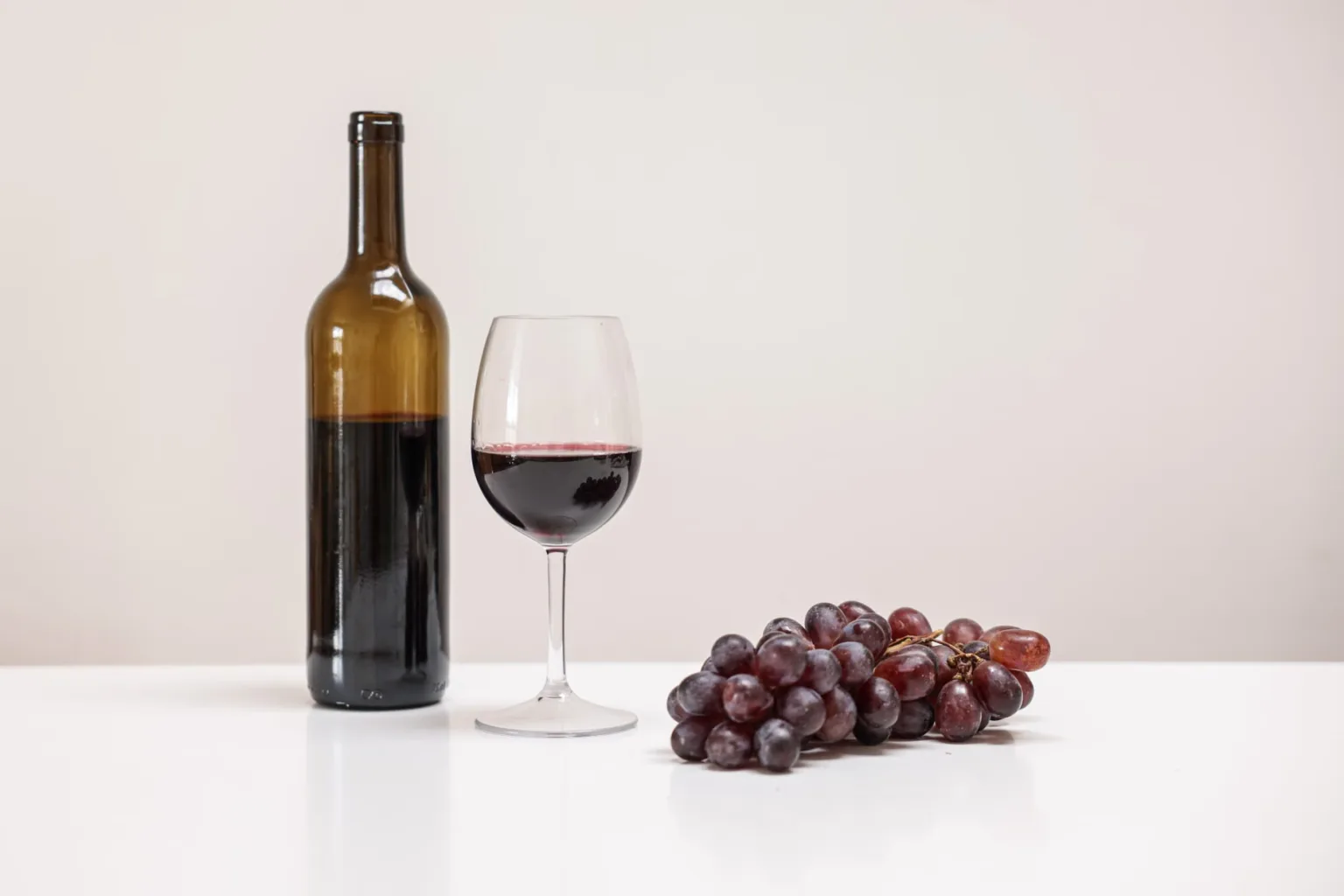
Dry white wine is wine made by fermenting grapes, with little residual sugar and no clearly sweet profile. It can be made from light-skinned grapes or from darker-skinned varieties vinified to retain a pale color. There is no single flavor profile: grape variety and winemaking can produce wines with differing levels of aroma and acidity, as well as fruity, floral, herbal or mineral notes. That variation matters in cooking. A dry wine can bring freshness and flavor without making a dish taste sweet, but each bottle leaves its own mark.
When to use it
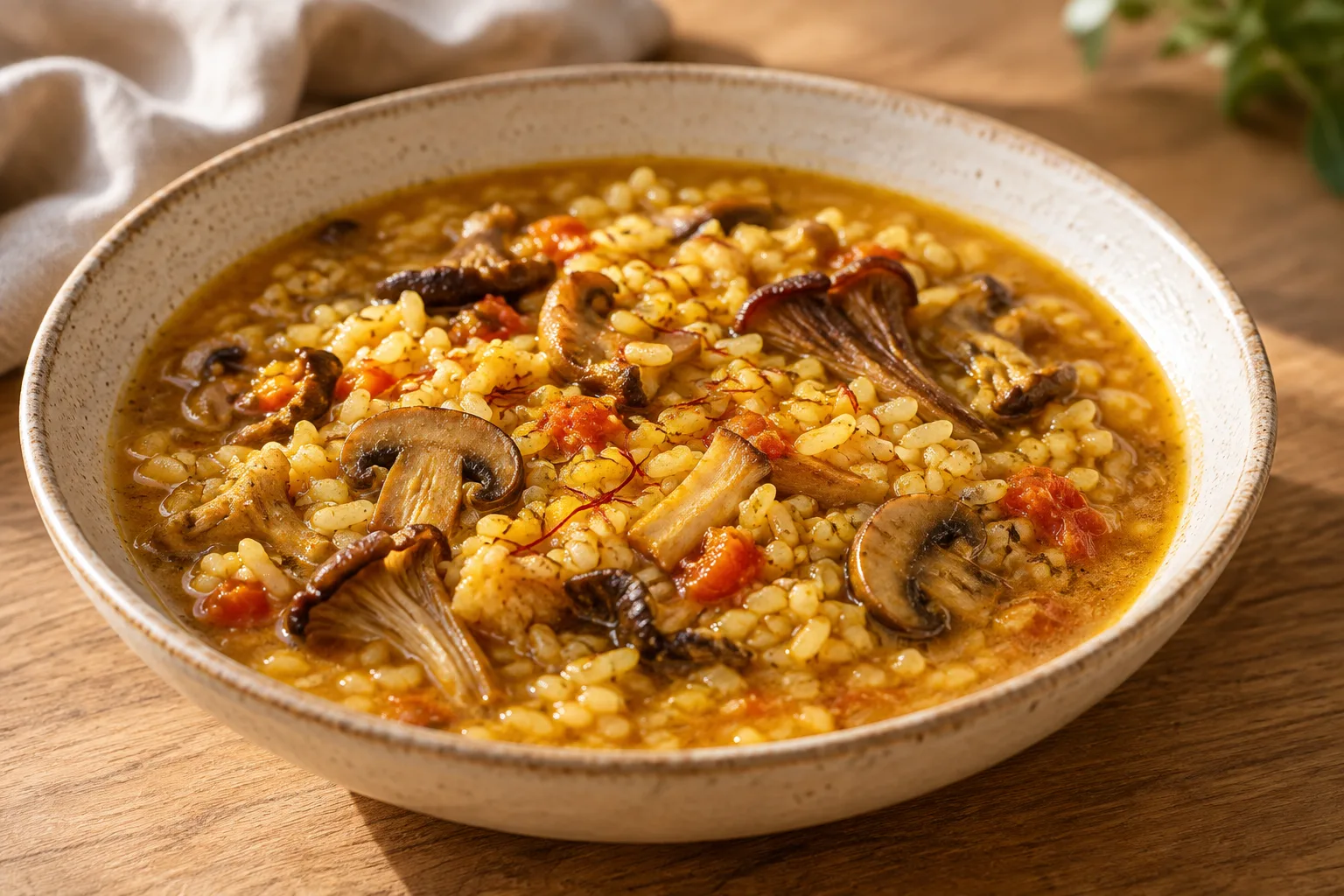
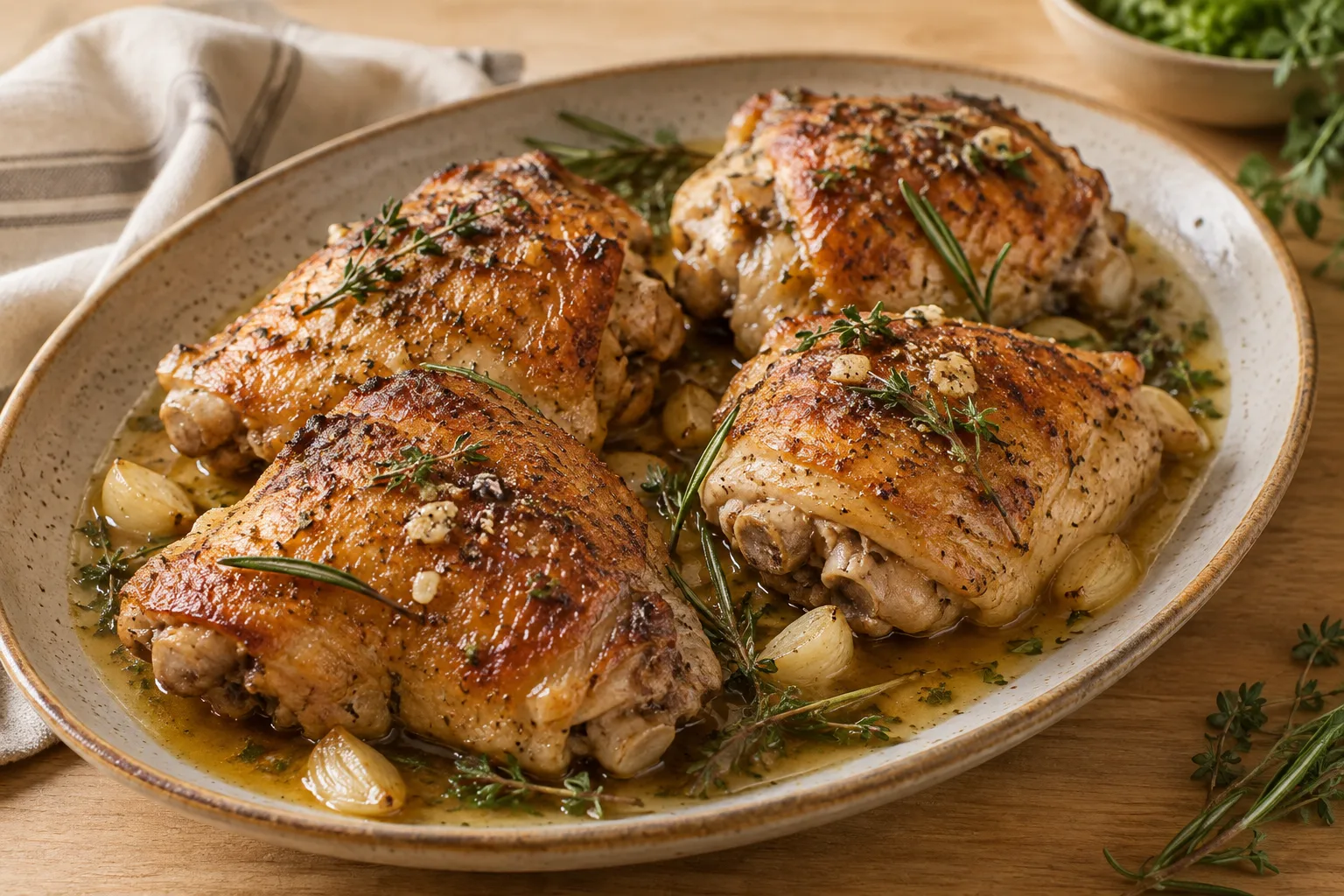
Use it when you want to add acidity and aroma to a sauce, stew or sauté, or to loosen browned juices from a pan by deglazing. It can also be included in a marinade and in rice dishes such as risotto. It often works well with fish, seafood and white meat, although the result depends on both the dish and the wine's character. If the wine might overpower a delicate preparation, use a modest amount or choose a lighter style.
How to use it
To deglaze, pour the wine into a pan used to cook other ingredients and use the browned juices to build a sauce. You can also add it to a sauté, sauce or stew alongside the other liquids and let it cook as part of the preparation. For a marinade, combine it with oil, herbs or spices; its acidity can replace or complement vinegar or lemon juice. In rice dishes such as risotto, use it as part of the cooking process. Adjust the amount to the flavor you want, bearing in mind that bottles can bring different aromas and levels of acidity.
Flavour and texture
Dry white wine is not markedly sweet, although it may retain some residual sugar. Its acidity can give a fresh, lively impression, while its aromas vary with the grape and winemaking. Some wines show fruity notes; others have floral, herbal, mineral or spicy nuances. In a recipe it contributes liquid and flavor, but not a uniform character: the result depends on the bottle and how it combines with the other ingredients.
How to choose it
Look for a wine labelled dry and check the product information before buying. White wine styles vary in aroma and acidity, so choose one that suits the dish rather than assuming any white wine will do. For cooking, it can be useful to choose a wine whose flavor you would also enjoy in a glass. Check the label for alcohol content and whether sulphites or other relevant ingredients are declared.
Storage
Follow the storage instructions on the label, since no universal storage duration is supported here for every bottle. Presentation and guidance can vary by product. If the label gives specific conditions, follow them; for an opened bottle, consult the producer's guidance rather than assuming one storage method or time applies to all wines.
Substitutions
If you do not have dry white wine, use water or stock when you need liquid alone, though the dish will lose the wine's aroma. In marinades where acidity is the main role, vinegar or lemon juice can serve a similar function but taste different. Apple juice can work in recipes where a little sweetness fits; it is not a neutral swap and may change the dish's balance.
Common mistakes
Do not assume all dry white wines taste alike: acidity and aromas vary from bottle to bottle. Avoid replacing it with a sweet wine without adjusting the recipe, as this can change the dish's balance. Do not choose by color alone; check that the wine is dry and that its profile suits the preparation.
Safety and allergens
This is an alcoholic beverage. Check the label for alcohol content and possible sulphites; allergen information can vary by product. If you need to avoid alcohol or sulphites, check the label and choose a suitable alternative rather than assuming cooking addresses that need.
Culinary uses
- Cooking liquid for sauces, stews and risotto
- Acidic, aromatic ingredient for deglazing and marinades
Recommended techniques
- Deglaze a pan with wine and reduce it into a sauce
- Add to a stew or sauce and cook with the other ingredients
- Use in a marinade with oil, herbs or spices
Pairs well with
- Fish and seafood
- White meat
- Some cheeses
Frequently asked questions
What does dry mean in dry white wine?
It describes a wine with little residual sugar and no evident sweetness; it does not mean every dry wine tastes the same.
What does it add to food?
It can add acidity and aroma to sauces, stews and marinades, or help loosen browned juices from a pan during deglazing.
Can I substitute for it?
Yes. Water or stock provide liquid, vinegar or lemon provide acidity, and apple juice may work when a touch of sweetness suits the recipe.
Sources and review
Automatically researched, cross-checked and validated content. Sources consulted:
- En el etiquetado alimentario hay algunas menciones que son obligatorias eletiquetadocuentamucho.aesan.gob.es
- Aesan - Agencia Española de Seguridad Alimentaria y Nutrición aesan.gob.es
- Vino blanco - Wikipedia, la enciclopedia libre es.wikipedia.org
- Vino blanco para cocinar — Origen, Sabores, Opciones y Beneficios cocinandorecuerdos.com
- Vino blanco - Gastronomía Vasca: Escuela de Hostelería Leioa gastronomiavasca.net
- Cómo usar el vino blanco para cocinar: el mejor para cada receta directoalpaladar.com
- Vino blanco: Todo lo que debes saber | Gastronómica Internacional gastronomicainternacional.com
- ¿Quién decide qué es realmente un vino ‘natural’? doi.org
- El Vino Blanco en la Cocina: Guía para Elegir y Utilizarlo en tus recetas notasdecata.pe
- **Vino Blanco: Comparativa de los Mejores para Degustar (Guía de Selección y Maridajes)** bazulrestaurante.es
- Vino blanco seco decantalo.com
- ¿Cuáles son los diferentes tipos de vino blanco? | 15 Bodegas 15bodegas.com
- Guía de vinos blancos secos: los mejores vinos para beber y cocinar – Coravin EU coravin.com.es
- Qué es un Vino Seco y Cuáles son sus Características solardesamaniego.com
- Cómo sustituir el vino blanco en tus recetas vinetur.com
- Maridaje Vino Blanco: Descubre los 6 platos más recomendados | Diebal diebal.com