- Category
- Pulses
- State
- Fresh
- Usual unit
- cup
What it is
Edamame is soybean harvested before the beans have fully matured. It is often sold in green pods and is also called green or immature soybean. The name can refer both to the ingredient and to the common preparation of cooked pods. The pod is useful for holding and releasing the beans, but the beans, not the pod, are usually eaten. Edamame may be sold fresh or frozen, in pods or shelled, and some products are already cooked; check the package because formats and preparation instructions differ.
When to use it
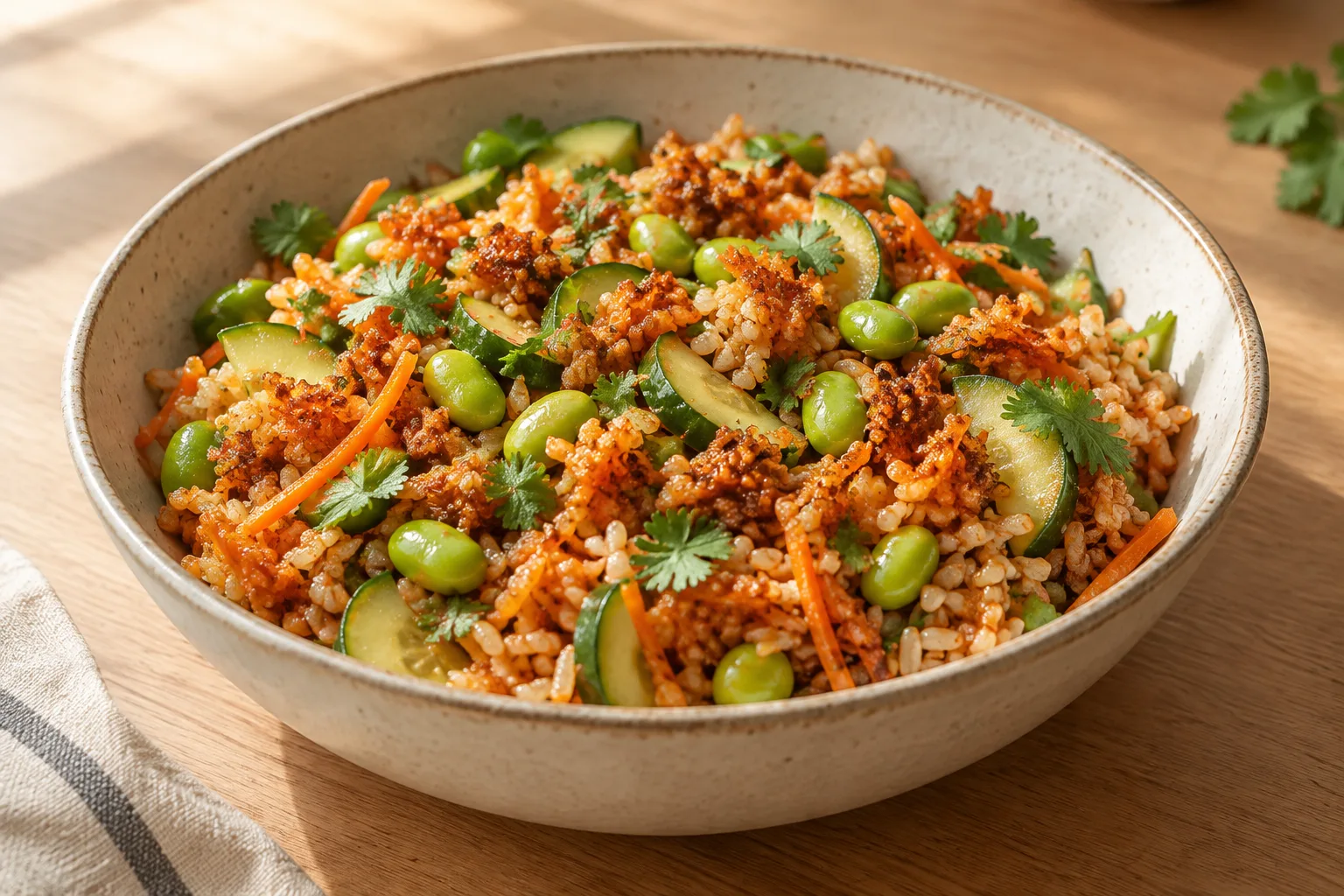
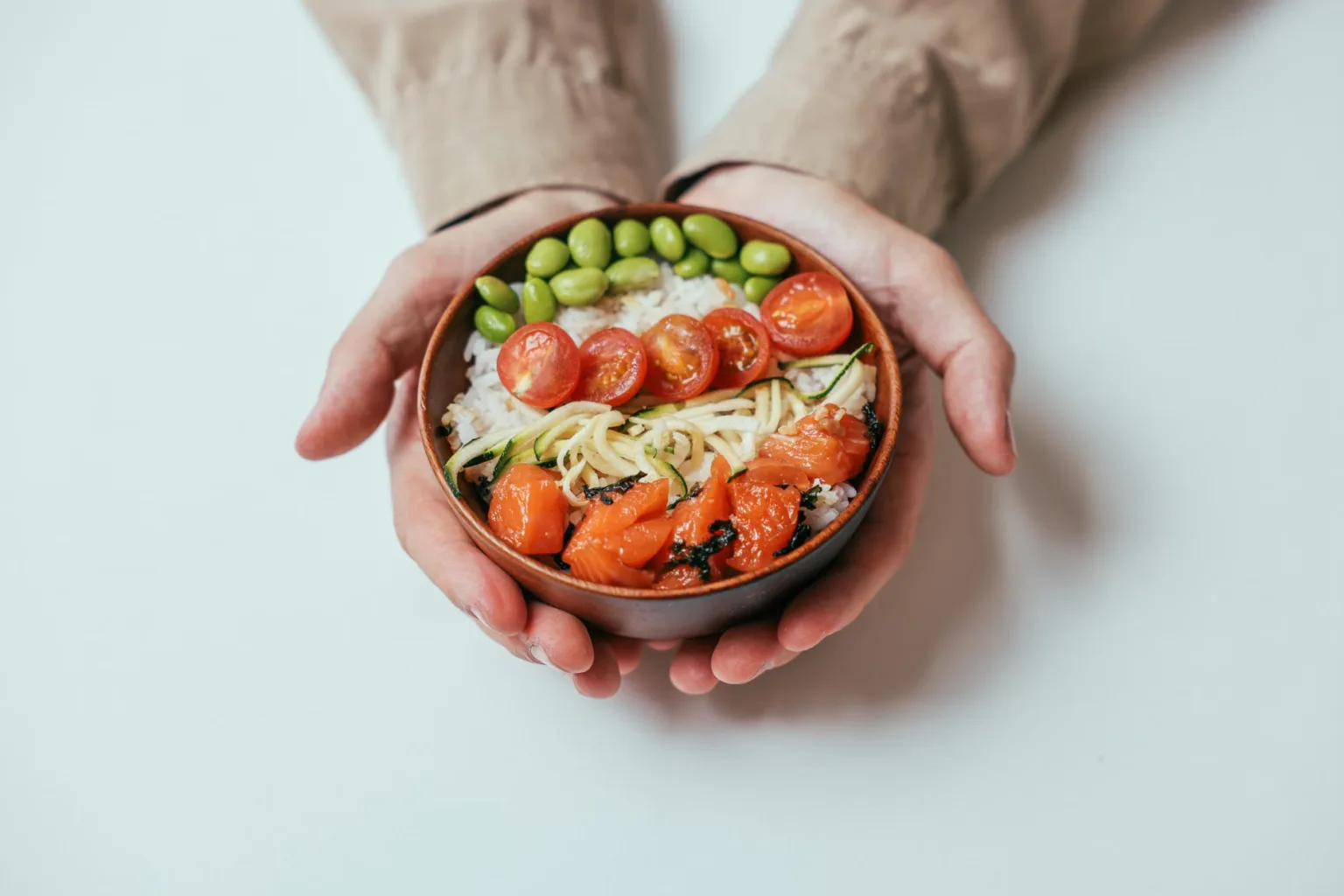
Serve edamame in its pod as a simple snack, letting each person remove the beans, or shell it and add the beans to a salad, bowl, rice dish or pasta. It is useful when you want the mild character of tender soybeans in a meal, and it works alongside ingredients with contrasting soft or crisp textures. Fresh edamame has a short shelf life according to the cited extension guidance. If you will not use it soon, frozen edamame may be convenient; follow the package directions for the product you have.
How to use it
First check whether your edamame is fresh, frozen, shelled or already cooked, and follow the package directions where applicable. Pods can be boiled or steamed; drain them and serve warm or cold, plain or seasoned. To eat them in the pod, hold one end and draw the beans out with your mouth or fingers, then discard the pod. To use edamame in other dishes, shell the cooked beans and add them to salads, rice, pasta or spreads. Season with care if serving it with a salty dipping sauce or seasoning.
Flavour and texture
The immature beans are mild, with a sweetness and nutty note described in the supplied sources; their texture can be tender and creamy. Maturity and handling make a difference: extension guidance notes that beans harvested too late can become starchier and less sweet. The pod is fibrous and is mainly a holder for the beans rather than the usual edible portion.
How to choose it
For fresh pods, look for green, full pods with developed beans; avoid pods that are yellowing, overmature or visibly damaged. For frozen edamame, check whether it is sold in pods or shelled and whether it is raw or precooked, since these forms may need different handling. Read the package for ingredients, declared allergens, and preparation and storage directions.
Storage
Fresh edamame does not keep for long: one extension guide recommends using it within two to three days of harvest and refrigerating it in a perforated plastic bag. It can also be frozen; the guide's home-freezing method includes blanching first. For commercially frozen or prepared products, follow the package directions and do not assume that thawed edamame can be refrozen.
Substitutions
For the beans in a salad, rice dish or pasta, try shelled tender broad beans or peas. They are alternatives in texture and use, not exact matches, so the flavor and result will change. A substitute is less convincing in a recipe that relies on the distinctive soybean flavor or on serving the beans in their pods.
Common mistakes
Do not assume the pod is the usual edible part: diners generally eat the beans and discard the pod. Do not handle fresh, frozen, precooked and ready-to-eat formats as if they were identical; check the package and adjust preparation accordingly. Avoid relying on yellowing, overmature pods for the sweetest, tenderest result, since extension guidance associates later maturity with a starchier texture and less sweetness.
Safety and allergens
Cook edamame before eating; the extension source describes immature soybeans as being cooked prior to consumption. Check the label to identify soybean and any other declared allergens, and follow the product's storage and preparation directions. If an allergy is a concern, do not rely on appearance alone: check the package information or ask the seller.
Culinary uses
- Aperitivo o tentempié
- Ingrediente para ensaladas, boles y platos de arroz o pasta
Recommended techniques
- Hervir las vainas
- Cocinar al vapor
Pairs well with
- Jengibre, limón y sésamo
- Arroz, ensaladas y salsas para mojar
Frequently asked questions
Do you eat the edamame pod?
Usually not. The tender beans are removed and eaten; the pod is used to hold them and is discarded.
How can I cook edamame?
The pods can be boiled or steamed. If yours is frozen or already cooked, check its package directions first.
Can I use frozen edamame instead of fresh?
Yes, it can be a convenient alternative. Check whether it is in pods or shelled and whether it is raw or precooked, then follow the package directions.
Estimated nutrition
- Fat
- 1.97 g
- Saturates
- 0 g
- Carbohydrate
- 6.3 g
- Sugars
- 1.57 g
- Fibre
- 2.4 g
- Protein
- 4.72 g
- Salt
- 0.34 g
Sources and review
Automatically researched, cross-checked and validated content. Sources consulted:
- En el etiquetado alimentario hay algunas menciones que son obligatorias eletiquetadocuentamucho.aesan.gob.es
- Client Challenge doi.org
- Aesan - Agencia Española de Seguridad Alimentaria y Nutrición aesan.gob.es
- Conservación de RFAA mapa.gob.es
- Edamame: Harvest and Storage extension.sdstate.edu
- Field to Fork Edamame! | NDSU Agriculture ndsu.edu
- (PDF) The Effect of Time Storage and Room Temperature of Physicochemical Characteristics of Frozen Edamame (Glycine Max (L) academia.edu
- Edamame in Virginia III. Handling and Processing from Harvest to Package | VCE Publications | Virginia Tech pubs.ext.vt.edu
- 1 www.ext.vt.edu Edamame Processing: What Do I Need to Know? vtechworks.lib.vt.edu
- EDAMAME By Carol A. Miles, Professor and Vegetable Extension Specialist, s3.wp.wsu.edu
- Edamame: que es, como se cocina y propiedades - Oriental Market orientalmarket.es
- Edamame: qué es, cómo se cocina, dónde comprar, contraindicaciones, ¿engorda? directoalpaladar.com
- Edamame - Wikipedia, la enciclopedia libre es.wikipedia.org
- Edamame, ¿cuáles son sus beneficios y cómo se cocina? cuidateplus.marca.com
- Todo lo que debes saber sobre el edamame | Hits Noodles hitsnoodles.com
- ¿Qué es el edamame y cuáles son sus propiedades? - Makitake makitake.es
- La historia y el origen del edamame en la cultura japonesa cocinatis.com
- Descubre todo sobre el Edamame - Florette florette.es