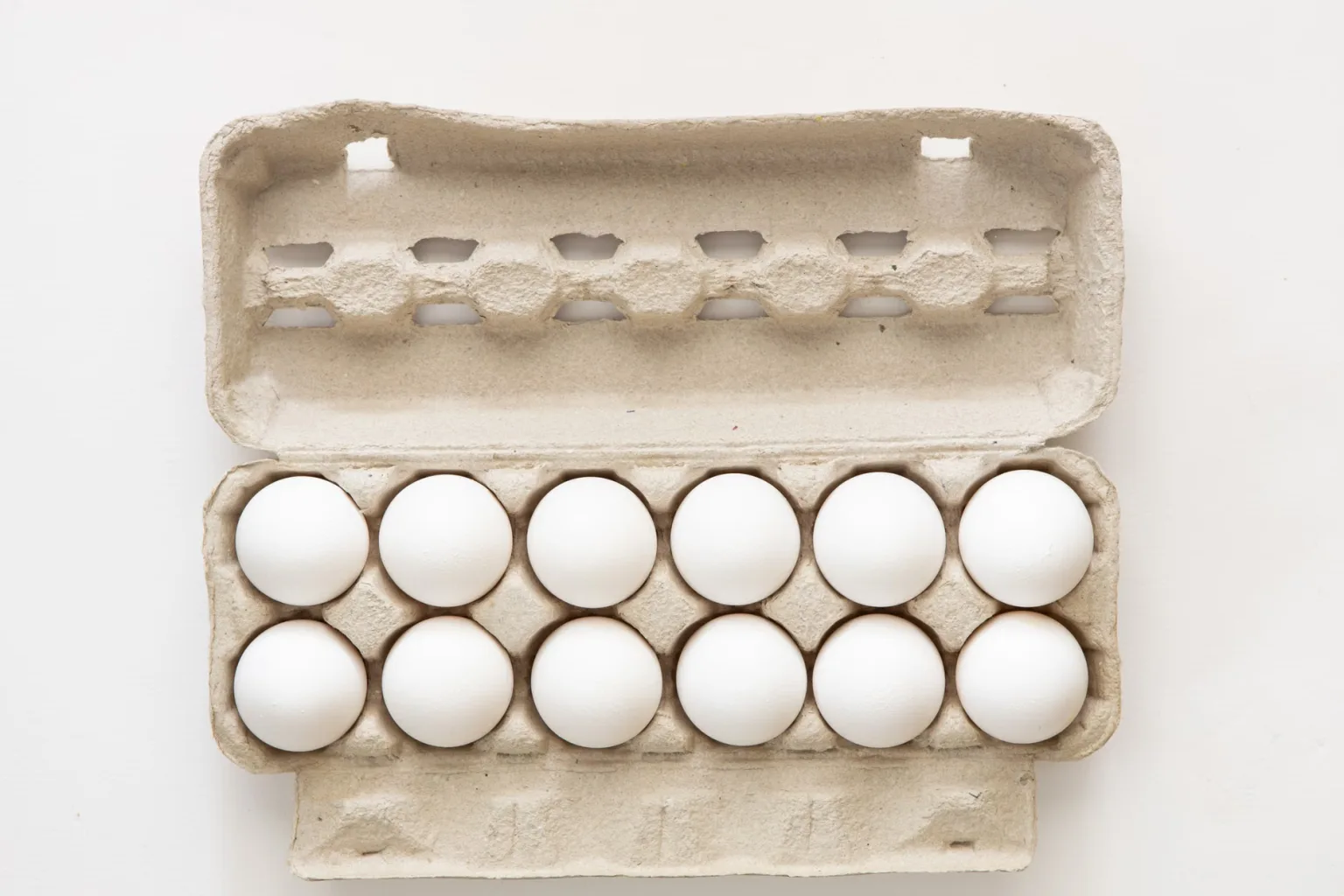
- Category
- Dairy and eggs
- State
- Fresh
- Usual unit
- unit
What it is
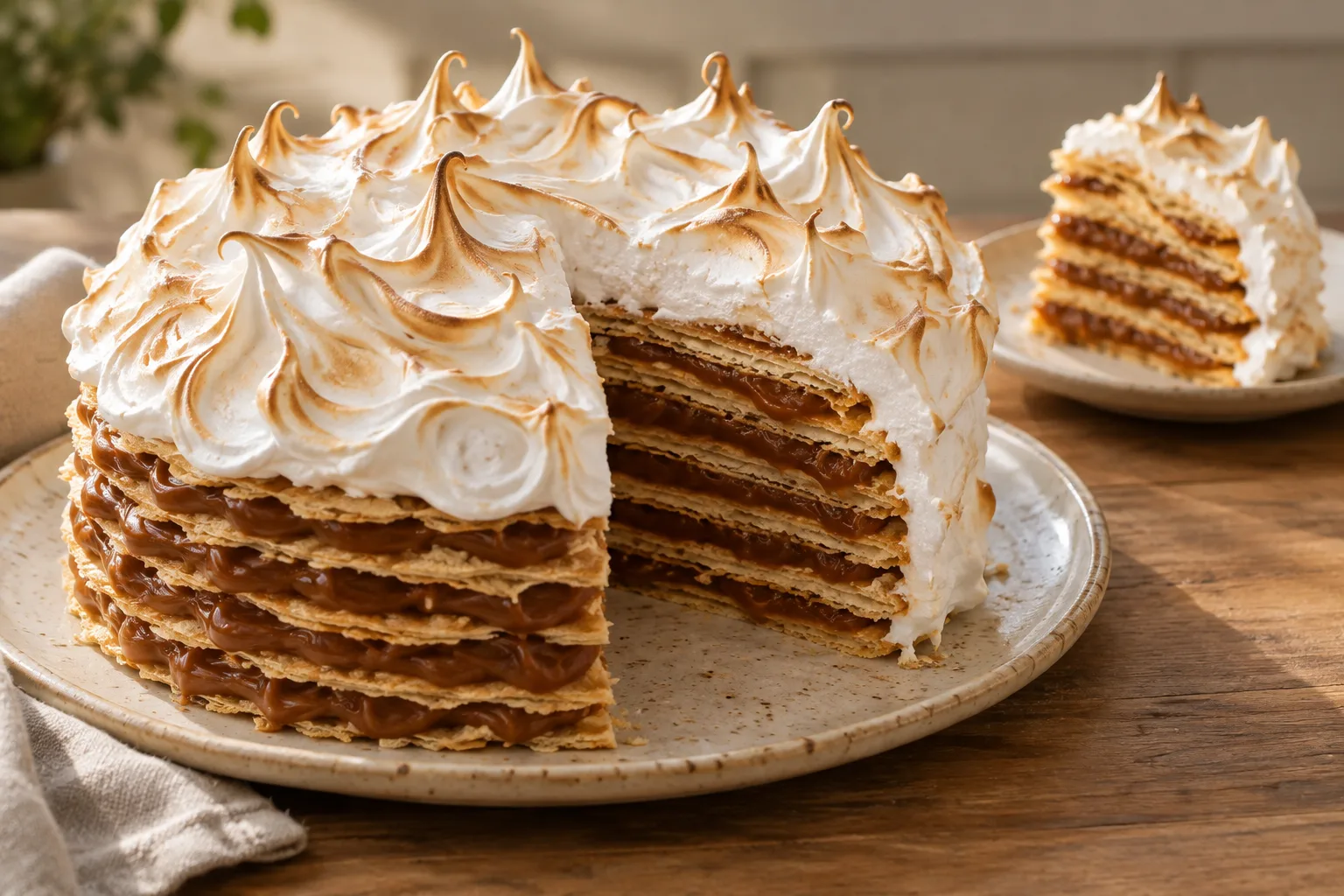
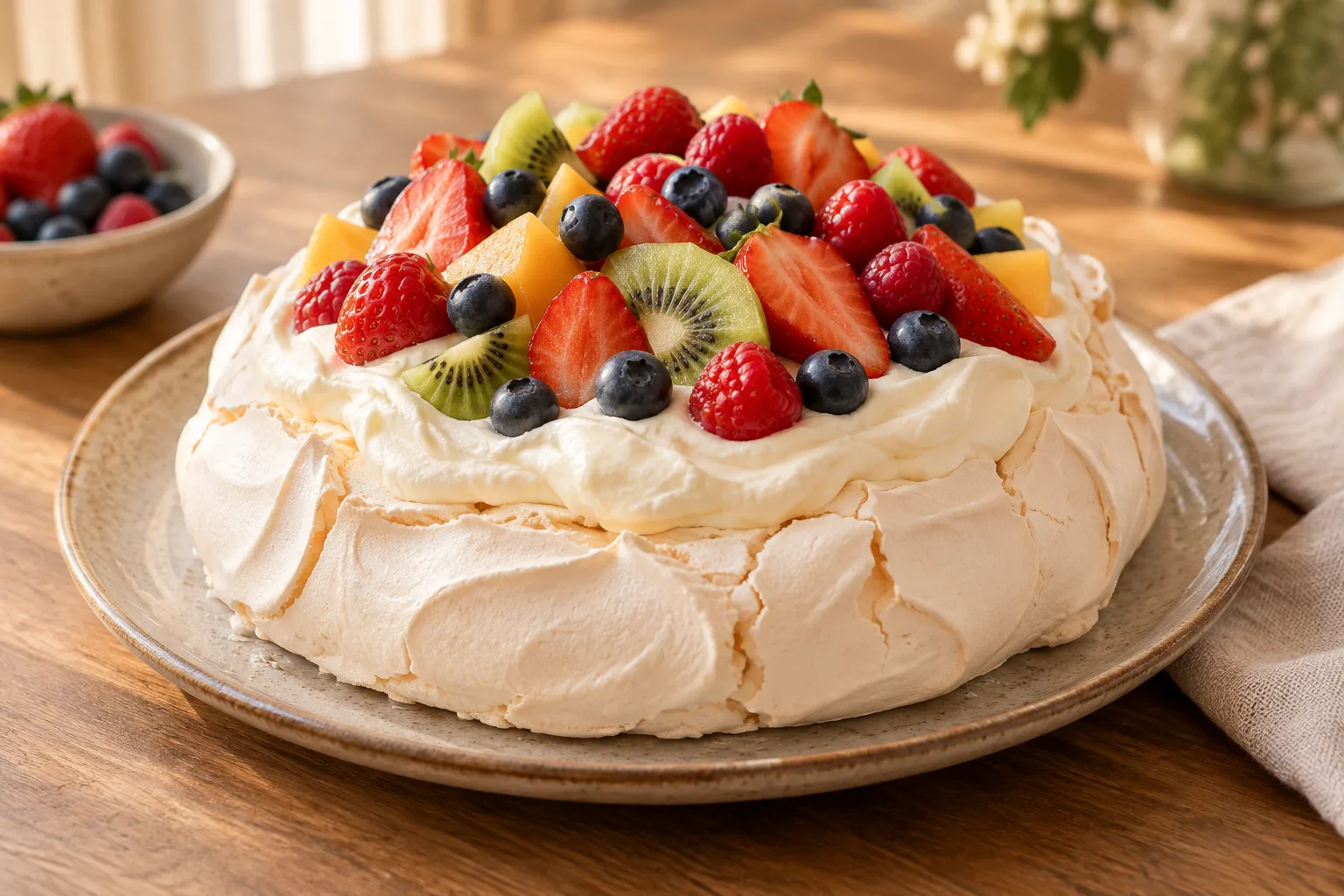
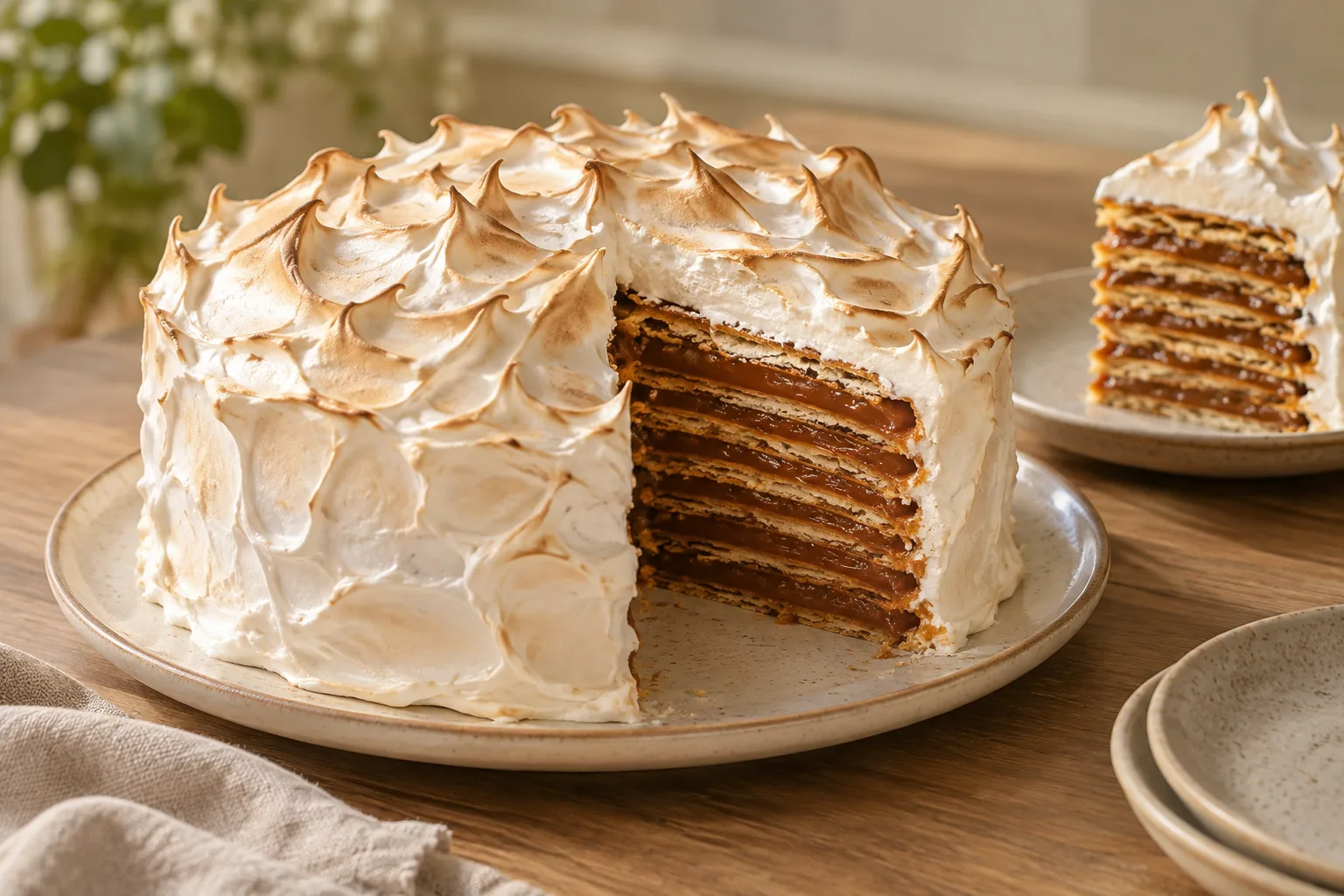
Egg white, also known as albumen, is the translucent liquid surrounding the yolk inside an egg. In cooking, it is used on its own when a recipe calls for the white without the yolk. Whipping can trap air and turn it into a voluminous foam; combined with sugar, it forms the basis of meringue, and mixed with other ingredients it can contribute to light dishes. When cooked, it becomes opaque and sets. Its behaviour depends on the technique and recipe, so a whole egg will not always be a direct replacement without changing the result.
When to use it
Use egg whites when you want to aerate a mixture or when a recipe specifically calls for the white of the egg. They are common in meringues and other whipped preparations, as well as soufflés, mousses, omelettes and some cakes. They are also useful when a dish uses yolks separately and you want to make use of the remaining whites. In savoury recipes, they can lighten omelettes or mixtures with vegetables; in sweet recipes, they are often combined with sugar. Choose the form specified by the recipe and bear in mind that pasteurised or powdered products may behave differently.
How to use it
If using shell eggs, separate the white from the yolk carefully; keep yolk out of the mixture when the recipe calls for whipped whites. Place the whites in a clean bowl and whip to incorporate air, stopping when they reach the consistency specified in the recipe. For meringue, add sugar as directed by the preparation. You can also mix whites with other ingredients for an omelette or soufflé, then cook until set. If using pasteurised or powdered whites, follow the package directions: they may behave differently when whipped, and powdered egg white must be prepared as instructed.
Flavour and texture
Raw egg white has a mild flavour and a liquid, viscous, translucent texture. When whipped, it becomes airy and foamy; with sugar it can form meringue, and when cooked it turns opaque and firm. These changes make it useful for adding volume or structure without relying on the yolk. The finished texture depends on the technique and the ingredients used with it.
How to choose it
If buying shell eggs to separate at home, choose an intact package and check the date and storage information. For packaged liquid egg whites, check that the container is undamaged and read its use and storage directions. Choose a form suited to the recipe: fresh, pasteurised and powdered whites do not always behave the same way when whipped.
Storage
Keep egg whites refrigerated whenever the package directions call for it, and follow the product’s storage instructions and dates. If you separate whites from shell eggs, place them in a clean, covered container in the refrigerator; do not leave them unrefrigerated while deciding how to use them. Store packaged products as directed and do not use a container that is damaged or has been stored in doubt.
Substitutions
Packaged pasteurised egg whites can replace fresh whites in some preparations, although whipping results may vary by product. Powdered egg white is another option when prepared exactly as the package directs. Do not assume that either option behaves just like fresh whites, especially in recipes where foam and its stability are essential.
Common mistakes
A common mistake is switching to a different form of egg white without allowing for differences in how it whips. Keep yolk out of the whites when a foam is needed. Avoid whipping by guesswork: watch for the consistency specified and follow the recipe or package directions.
Safety and allergens
Egg can cause an allergic reaction. Treat uncooked egg whites with care: follow the stated refrigeration conditions, avoid eating them raw, and follow the package’s use and storage directions.
Culinary uses
- Espumante y aireante en merengues, mousses y suflés
- Aglutinante y coagulante en tortillas y preparaciones horneadas
Recommended techniques
- Batir para incorporar aire y formar espuma
- Mezclar con azúcar para preparar merengue
- Cocinar para cuajar la mezcla
Pairs well with
- Azúcar y ralladura de limón en merengues
- Hierbas y verduras en tortillas o suflés salados
Frequently asked questions
What are egg whites used for?
They are used to whip and lighten meringues, mousses and soufflés, and also in omelettes and baked preparations.
Can pasteurised egg whites replace fresh ones?
They can work in some recipes, but whipping behaviour may vary. Follow the product directions and the recipe.
How should I store egg whites?
Keep them refrigerated when required and follow the storage directions and dates on the package.
Estimated nutrition
- Fat
- 0 g
- Saturates
- 0 g
- Carbohydrate
- 0 g
- Sugars
- 0 g
- Fibre
- 0 g
- Protein
- 10.9 g
- Salt
- 0.41 g
Sources and review
Automatically researched, cross-checked and validated content. Sources consulted:
- En el etiquetado alimentario hay algunas menciones que son obligatorias eletiquetadocuentamucho.aesan.gob.es
- Almacenamiento Seguro de Alimentos: - El Refrigerador y el ... bookstore.ksre.ksu.edu
- ¿Por qué la muerte es origen de miedos y tabúes? doi.org
- The Essential Glossary of Cooking Terms for the Culinary Arts - Escoffier escoffier.edu
- Blog | Community Nutrition | Extension/College of Agriculture, Health & Natural Resources | University of Connecticut communitynutrition.cahnr.uconn.edu
- GUIA OVOPRODUCTOS PDF WEB aesan.gob.es
- Huevos a la diabla – Food Smart Colorado foodsmartcolorado.colostate.edu
- Eggs • The Nutrition Source nutritionsource.hsph.harvard.edu
- Merengues Rellenos 1901 (Stuffed Meringues) - lacocina.utsa.edu
- héroe de alimentos workspace.oregonstate.edu
- Family Food Cent$ newsletter - enero 2021 - SDSU Extension extension.sdstate.edu
- Clara de huevo: beneficios, propiedades y usos en cocina de un alimento rico en proteinas (y 45 recetas para aprovecharlo) directoalpaladar.com
- Clara de huevo - Wikipedia, la enciclopedia libre es.wikipedia.org
- Qué hacer con las claras de huevo, un ingrediente versátil, nutritivo y económico margavilan.substack.com
- Clara de huevo en polvo: guía práctica de un ingrediente moderno con historia | Gastronomía & Cía gastronomiaycia.com