- Category
- Fish and seafood
- State
- Fresh
- Usual unit
- g
What it is
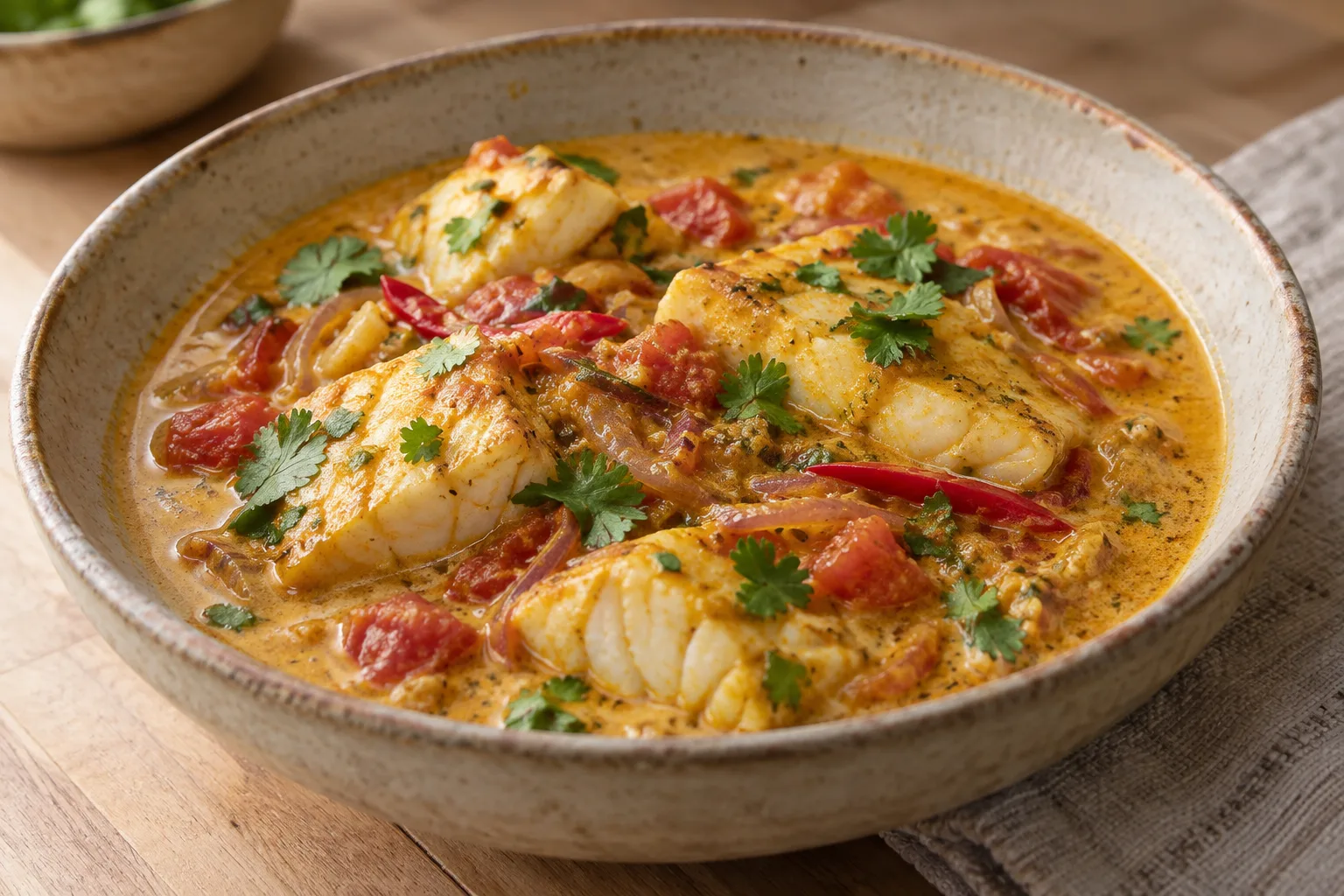
Firm white fish describes fish by its appearance and cooking qualities; it is not one particular species or a single scientific classification. Cod, pollock, and sea bass are examples of white fish, but they do not have identical characteristics. White fish commonly has pale flesh and a relatively mild flavor, while “firm” suggests that a piece holds some structure during cooking. Not every white fish has the same consistency: some varieties have more delicate flesh, while others are more compact. For that reason, identify the specific species at the fish counter or on the package and choose it to suit the recipe. This profile describes fresh fish and does not assume a particular species, origin, or season.
When to use it
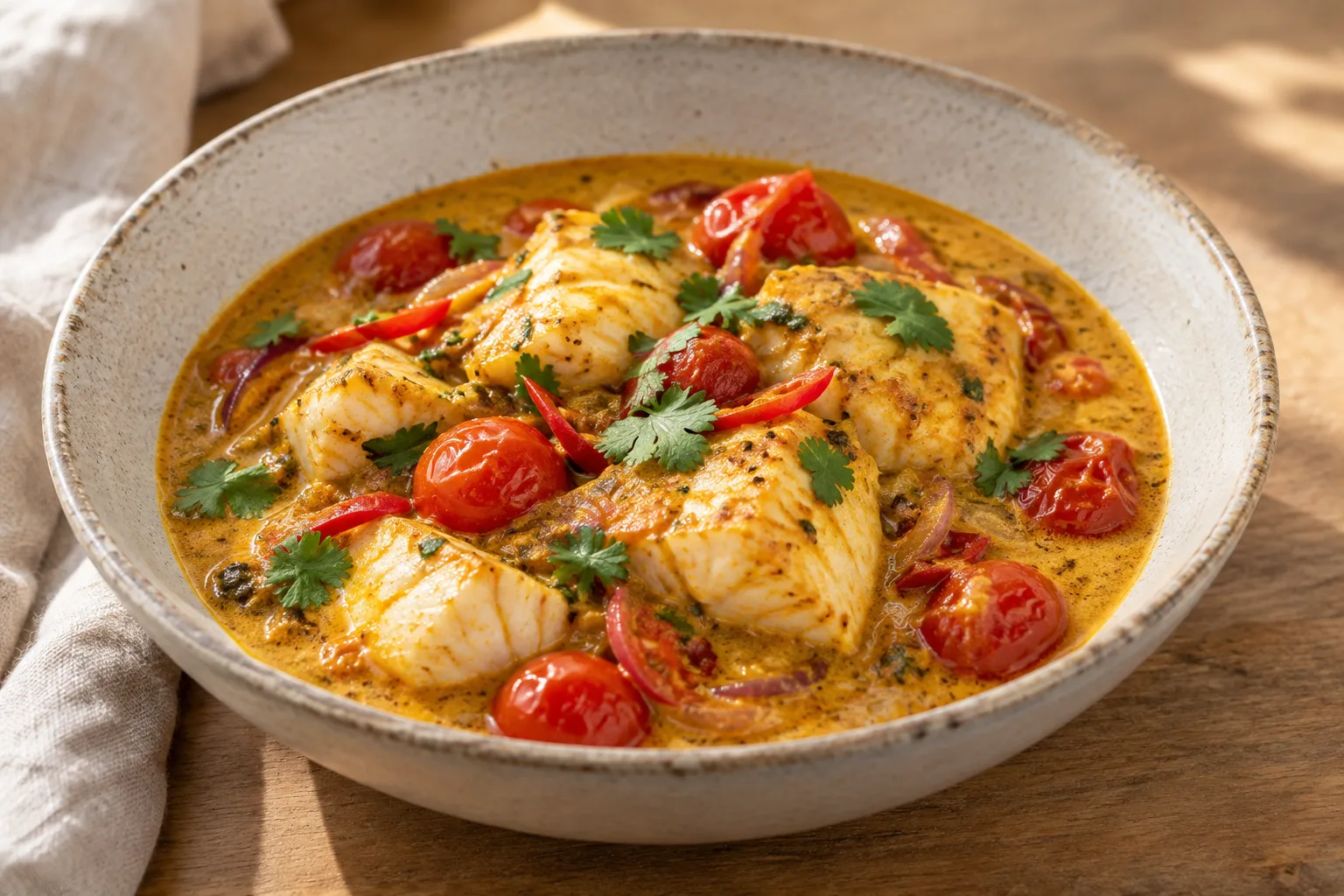
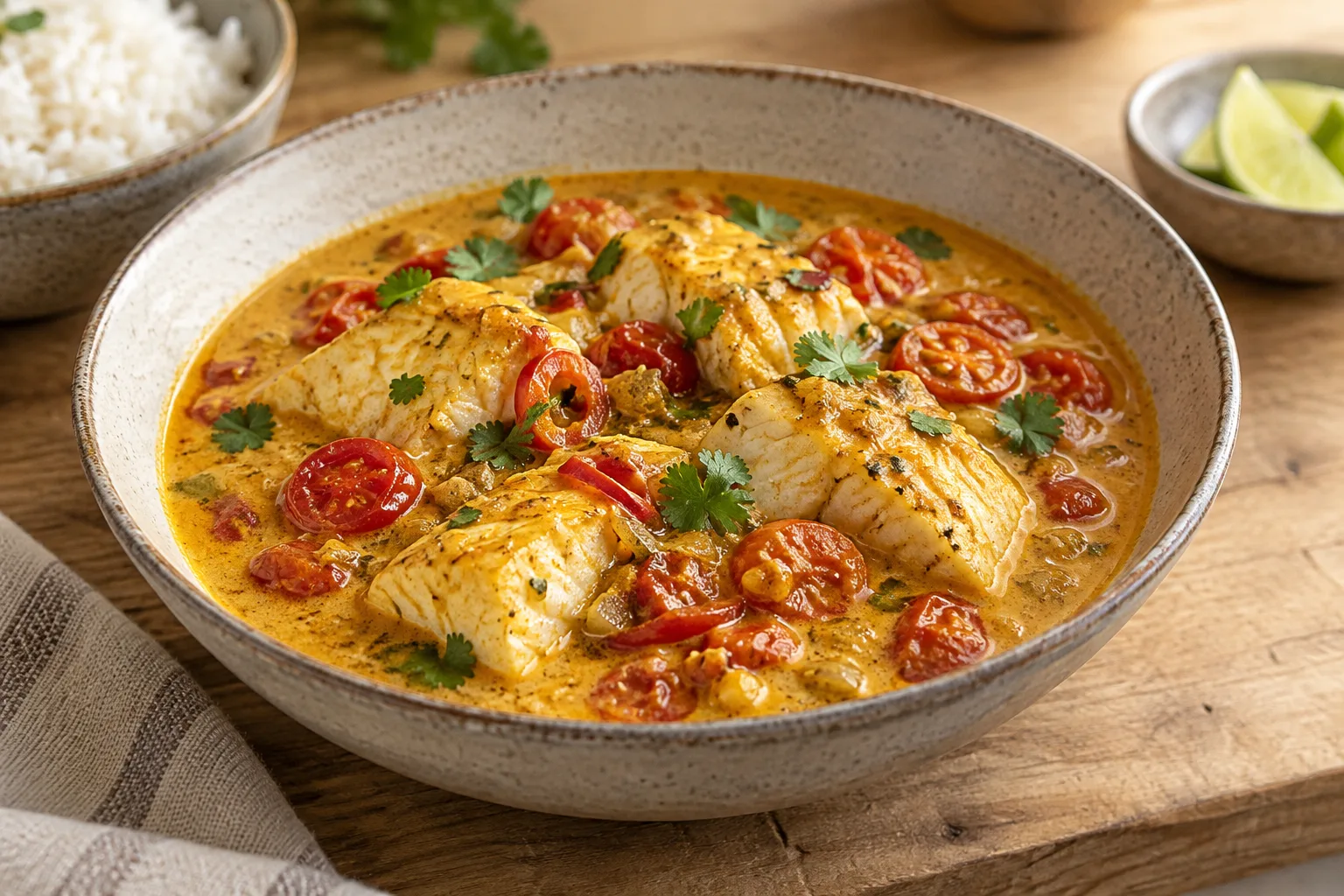
Use it when a recipe calls for a moderately flavored piece of fish that can be served whole or portioned and cooked without deliberately breaking it apart. It can work in pan-cooked, baked, grilled, or stewed dishes, although the suitable technique and cooking time depend on the species and thickness. If a recipe especially needs fish that holds its shape, confirm the species with the seller rather than relying only on the phrase “white fish.” For delicate-tasting dishes, pair it with citrus or herbs; for a stew, use a sauce or broth that suits the fish.
How to use it
Check which species you are buying and whether it is sold as fillets, loins, or a whole fish, since shape and thickness affect cooking. Keep the preparation simple if you want to notice its flavor: season and cook it in a pan, on a grill, or in the oven, according to the recipe and cut. It can also be added to a stew or served with a sauce. Lemon and other citrus notes, dill, and rosemary are described pairings for white fish; capers and pickles add a salty, tangy contrast. Do not apply one universal cooking time to every species and size: follow a recipe suited to the particular fish and check doneness as its instructions recommend.
Flavour and texture
White fish generally has a mild flavor and pale flesh, but neither flavor nor consistency is the same across all species. “Firm” suggests flesh that can hold its shape better in some preparations, but it does not guarantee an identical texture from one fish to another. Cut, thickness, and cooking method also affect the result; the fish may be juicier or drier depending on how it is prepared.
How to choose it
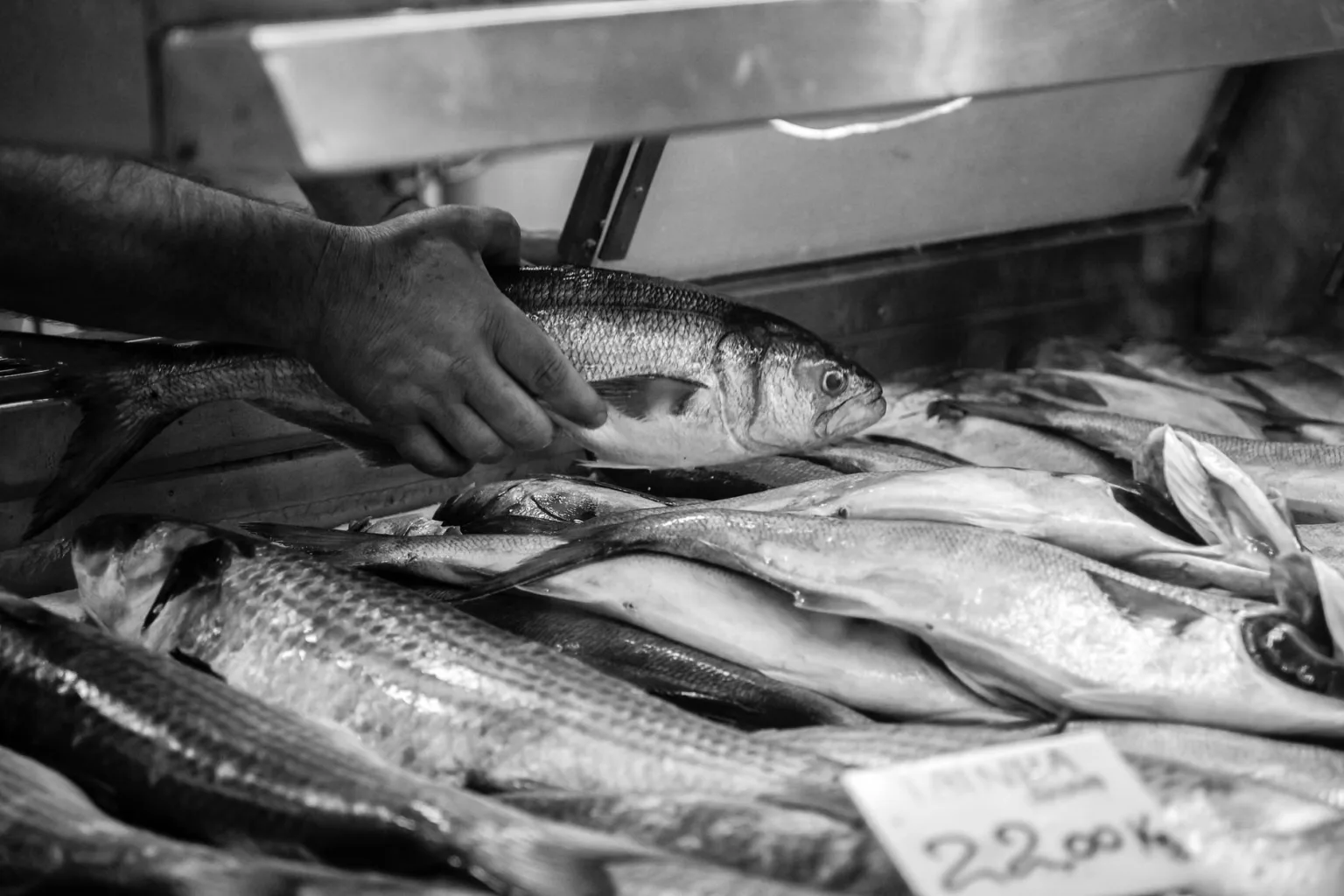
Ask for the species name rather than relying only on the broad description “firm white fish”: fish in this group differ in flesh and texture. Choose the format specified by your recipe—fillet, loin, or whole fish—and check the freshness and storage information supplied by the seller or package. If you need the fish to hold its shape in a particular dish, tell the fishmonger how you plan to cook it so they can suggest a suitable species.
Storage
This profile does not give a universal storage period for fresh fish: it can depend on the product, packaging, and seller’s instructions. Follow the storage directions on the label or provided by the fishmonger, and prepare the fish promptly in line with those directions. If you are unsure how to keep it or how long to store it, ask the seller or consult official local advice for that species and product format.
Substitutions
You can substitute another white-fish species with a texture suitable for the recipe, such as cod, pollock, or sea bass, but do not expect an identical result. Flesh and thickness vary among species, so texture and cooking may change too. Check what fish is available and adapt the method to the recipe for that species.
Common mistakes
Treating “firm white fish” as if it named one species creates the wrong expectations: varieties in this group do not all have the same texture or flavor. Other common mistakes are carrying over a cooking time from one species to another without adjustment, or choosing a cut whose thickness does not match the recipe. Identify the fish and follow directions suited to that particular piece.
Safety and allergens
Handle and store the fish according to the instructions on its label or provided by the seller. If you are unsure about safe storage or preparation, consult official local advice for the specific species and product format.
Culinary uses
- Plato principal
- Ingrediente para guisos, platos al horno y preparaciones a la plancha
Recommended techniques
- A la plancha o en sartén
- Al horno
- A la parrilla
- En guisos
Pairs well with
- Limón y otros cítricos
- Eneldo, romero o hinojo
- Alcaparras y pepinillos
- Vino blanco o nata
Frequently asked questions
Is firm white fish one specific species?
No. It is a broad culinary description. Check or ask for the species name, since texture and flavor vary.
Which species might be described as white fish?
Cod, pollock, and sea bass are examples of white fish, though their characteristics differ. Availability depends on place and time.
What is the best way to cook it?
It can be pan-cooked, baked, grilled, or stewed. Choose a method according to the species, cut, and recipe rather than using one universal cooking time.
Estimated nutrition
- Fat
- 2.32 g
- Saturates
- 0.45 g
- Carbohydrate
- 0 g
- Sugars
- 0 g
- Fibre
- 0 g
- Protein
- 16.8 g
- Salt
- 0.1 g
Sources and review
Automatically researched, cross-checked and validated content. Sources consulted:
- Client Challenge doi.org
- The Essential Glossary of Cooking Terms for the Culinary Arts - Escoffier escoffier.edu
- Análisis de las principales especies pesqueras ^1 mapa.gob.es
- educational content to support healthful lifestyle practices sjsu.edu
- Glimpses of an 18th century Colonial Kitchen in Manila archium.ateneo.edu
- 1997 Activity Guide purdue.edu
- Beneficios del pescado blanco | Congelados Guerrero congeladosguerrero.es
- Pescado blanco: tipos y cómo cocinarlos | Fine Dining Lovers finedininglovers.es
- Monitoring and Management Strategies for Harmful Algal hab.whoi.edu
- Pescado Blanco | Lista Pescados Blancos | Delfín Ultracongelados delfinultracongelados.es
- Establecimientos detallistas de productos de la pesca y ... aesan.gob.es
- The Impact of Land Tenure on Food Security of Indigenous ... scholarwolf.unr.edu
- Weighted gauge pressure canner | Servicio de Extensión de OSU extension.oregonstate.edu
- “Off To A Good Start” ucanr.edu
- Lista de pescados blancos y propiedades nutricionales - Compesca compesca.com