- Category
- Sauces and condiments
- State
- Liquid
- Usual unit
- ml
What it is
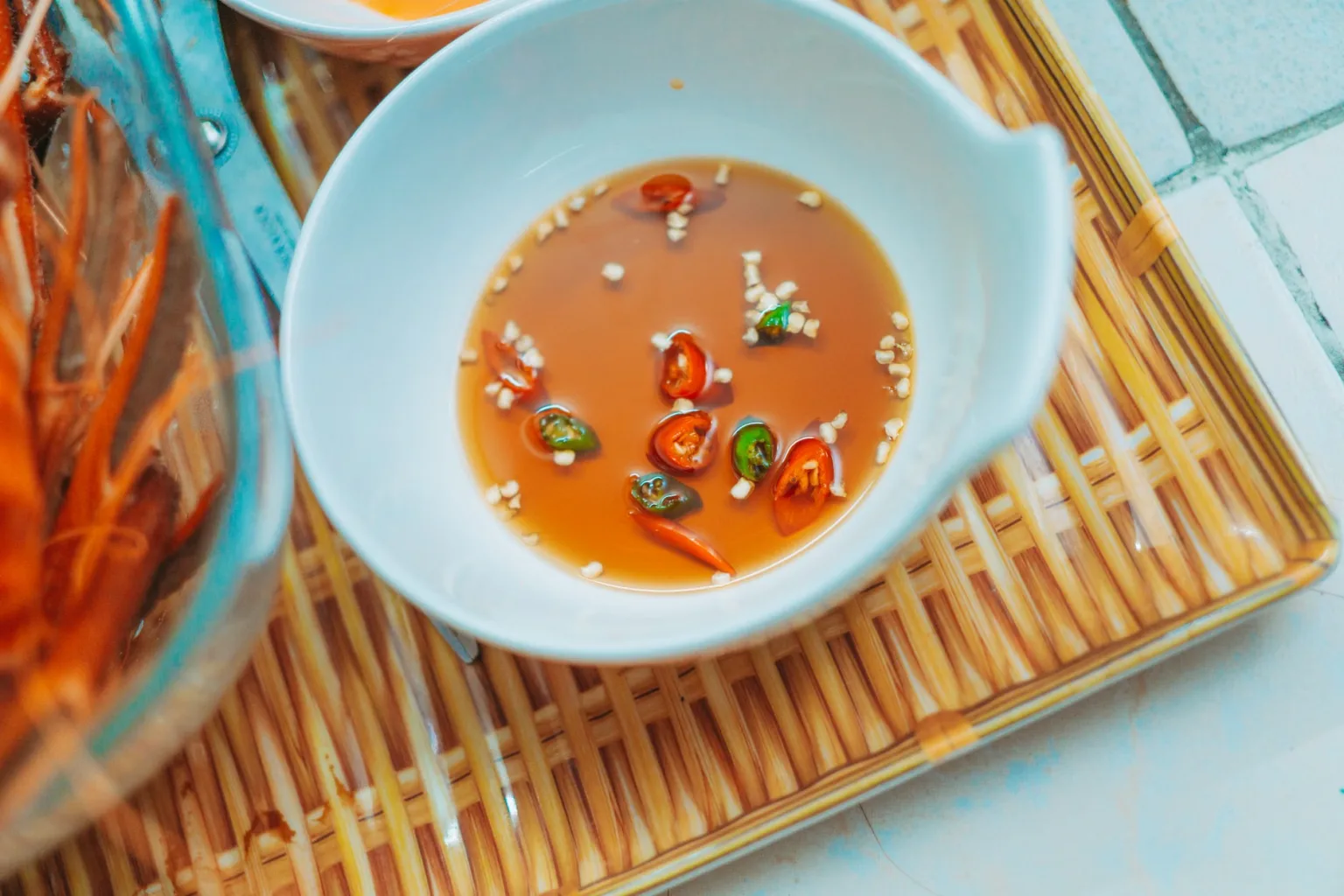
Fish sauce is a liquid condiment made by fermenting fish or seafood with salt. There is no single formula: different fish or seafood may be used, and some products include additional ingredients. In cooking, it works as a concentrated seasoning, adding saltiness and pronounced umami that can deepen a dish without necessarily making it taste plainly of fish. Its intensity and flavor profile vary between products, so the name alone does not tell you exactly which species or ingredients a bottle contains. Check the ingredient list and allergen information for the specific product you buy.
When to use it
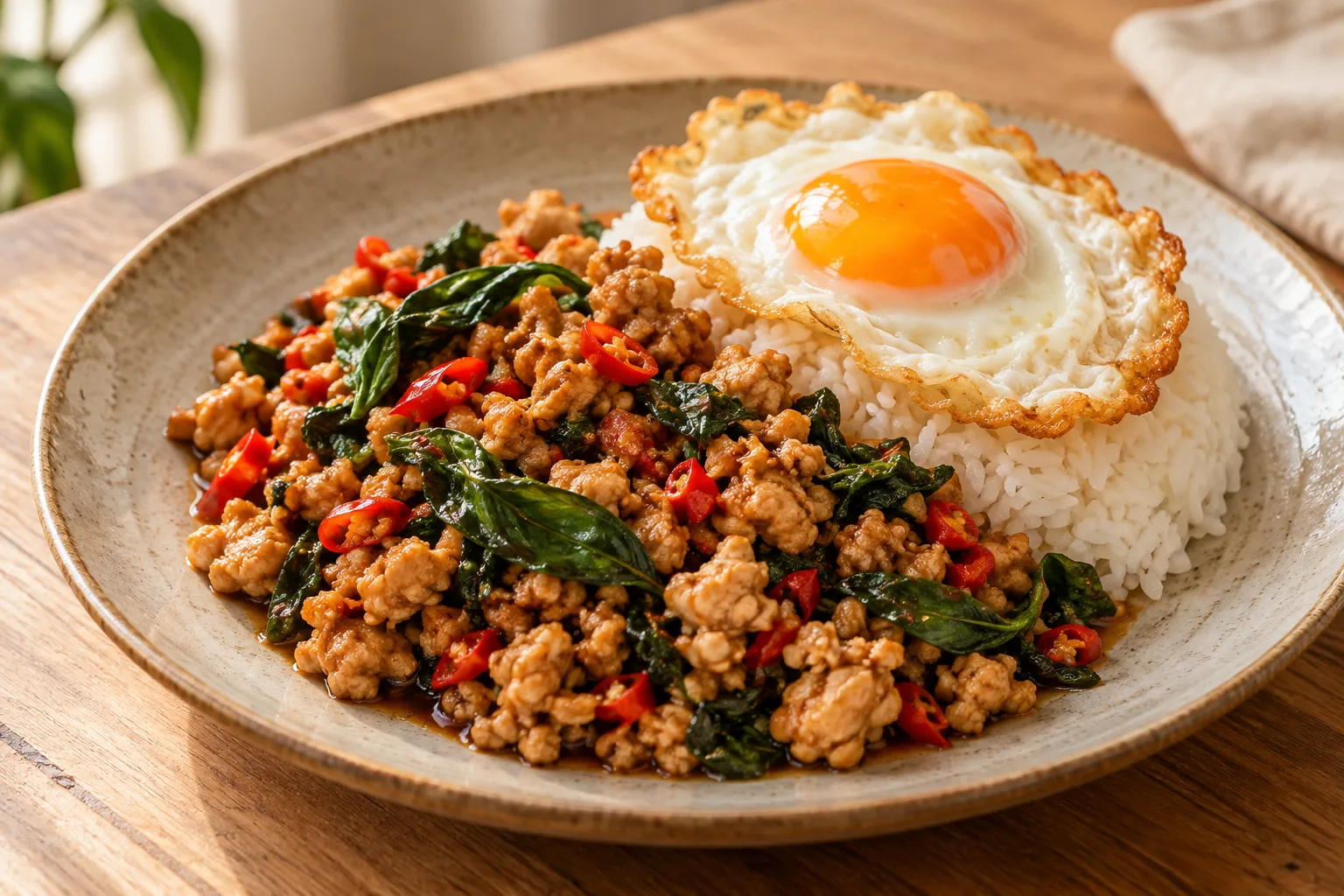
Use fish sauce when a dish needs saltiness and savory depth, especially soups, curries, stir-fries, dressings and dipping sauces. It can also season vegetable, meat or fish dishes when its salty, fermented character suits the other ingredients. Because it can be assertive and products vary in saltiness, begin with a small amount, mix, and taste before adding more. It is useful in Thai- or Vietnamese-inspired recipes, but its uses need not be limited to those dishes.
How to use it
Add fish sauce directly to soups, curries, stir-fries or cooking sauces, or mix it with other ingredients for a dressing or dipping sauce. Start with a little: its flavor is distinctive and can overpower a dish if you add too much. Stir to distribute it, taste, and adjust gradually, taking the saltiness of the other ingredients into account. For a dip or dressing, combine it with the other recipe ingredients rather than serving a large amount on its own. Different brands and varieties do not necessarily have the same intensity.
Flavour and texture
Fish sauce is a liquid with a salty, pronounced umami character. Although it is made from fish or seafood, a particular sauce does not necessarily taste simply or plainly of fish; its profile depends on the product and variety. Its liquid consistency makes it easy to mix into broths, sauces and dressings. Aroma and intensity can also vary, so taste a small amount before deciding how much a recipe needs.
How to choose it
Compare the ingredient list and allergen information on each bottle: sauces can be made with different fish or seafood, and some include additional ingredients. Choose a product whose description and flavor suit your intended use, and do not assume that two brands have the same intensity or composition. If cooking for someone with an allergy or intolerance, check the label of the exact product rather than relying on the name “fish sauce” alone.
Storage
Follow the storage and use instructions on the product label, both before and after opening. Conditions may depend on the formulation and packaging, and the available evidence does not support one storage rule for every bottle. Keep the container closed and check the date and any manufacturer directions. If the label does not say how to store it after opening, ask the manufacturer rather than assuming it does or does not need refrigeration.
Substitutions
Soy sauce can work as an alternative in some preparations, but its flavor is different, so the result will not be identical. If replacing one fish sauce with another, start with a small amount and taste: varieties can differ in intensity. Adjust the remaining salt after adding a substitute, since these seasonings are not automatically interchangeable in equal amounts.
Common mistakes
The most common mistake is adding too much fish sauce at once: its intensity can overwhelm a dish. Add it gradually and taste before adjusting the salt. Another mistake is assuming that every bottle has the same ingredients or flavor. Raw materials and formulas vary, so check the label, especially when allergies or intolerances are a concern.
Safety and allergens
Check the bottle’s ingredient list and allergen information, as formulations may contain fish, crustaceans or molluscs, among other ingredients. If you have an allergy or intolerance, do not rely on the product name alone. Follow the manufacturer’s storage and safe-use directions; conditions can vary between products.
Culinary uses
- Seasoning and salt-like flavoring
- Umami enhancer
- Dipping-sauce ingredient
- Dressing and curry component
Recommended techniques
- Measure and stir into a dressing or dipping sauce
- Add gradually to a cooking sauce or curry
- Taste and adjust seasoning after mixing
Pairs well with
- Soups and noodle dishes
- Curries and stir-fries
- Salad dressings
- Dipping sauces for rolls
Frequently asked questions
What does fish sauce taste like?
It is salty and adds umami, with an intensity that varies by product. Although made from fish or seafood, it does not necessarily taste simply or plainly of fish.
What can I use fish sauce in?
It can season soups, curries, stir-fries, dressings and dipping sauces. Add it gradually and taste so it does not overpower the other flavors.
Is soy sauce an identical substitute?
No. Soy sauce can replace it in some preparations, but the flavor is different. Adjust gradually and taste the result.
Does every fish sauce contain the same allergens?
Not necessarily. Ingredients and raw materials vary, so check the label of the specific product for allergen information.
Estimated nutrition
- Fat
- 0 g
- Saturates
- 0 g
- Carbohydrate
- 0 g
- Sugars
- 0 g
- Fibre
- 0 g
- Protein
- 0 g
- Salt
- 19 g
Sources and review
Automatically researched, cross-checked and validated content. Sources consulted:
- En el etiquetado alimentario hay algunas menciones que son obligatorias eletiquetadocuentamucho.aesan.gob.es
- ¿Por qué la muerte es origen de miedos y tabúes? doi.org
- The Essential Glossary of Cooking Terms for the Culinary Arts - Escoffier escoffier.edu
- Pescado a la Veracruzana 1952 (Veracruz-style Fish) - lacocina.utsa.edu
- Agencia Española de Seguridad Alimentaria y Nutrición aesan.gob.es
- Nutrition After Your Transplant - Health Online healthonline.washington.edu
- Study Abroad: Oaxaca: Cuisine and Culture - Colorado Mountain College coloradomtn.edu
- Ensalada de Pescado receta | Servicio de Extensión de OSU extension.oregonstate.edu
- Fish (pint jars, USDA) - National Center for Home Food Preservation nchfp.uga.edu
- Safe & Healthy Food Pantries Project - Health & Well-Being health.extension.wisc.edu
- Seafood Food Safety Tips | Dinner Tonight dinnertonight.tamu.edu
- ¿Qué es la salsa de pescado y cómo se usa? cocinista.es
- Salsa asiática de pescado: qué es, cómo utilizarla y una receta de aliño de ensaladas de la que no te separarás nunca directoalpaladar.com
- Salsas de pescado asiáticas (nam pla en tailandés / nuoc mam en vietnamita) | Umami Madrid umami-madrid.com
- Salsa de pescado - Wikipedia, la enciclopedia libre es.wikipedia.org